
Action
Adventure
Animation
Comedy
Crime
Documentary
Drama
Family
Fantasy
History
Horror
Music
Mystery
Romance
Science Fiction
Thriller
War
Western
Found 52 movies, 14 TV shows, and 15 people
Can't find what you're looking for?
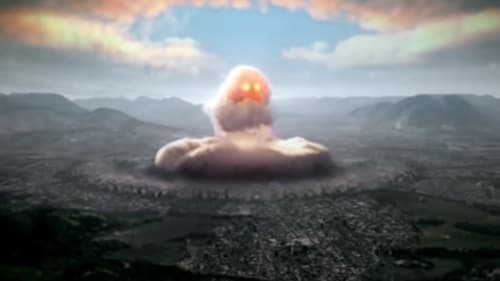
The documentary recounts the world's first nuclear attack and examines the alarming repercussions. Covering a three-week period from the Trinity test to the atomic bombing of Hiroshima, the program chronicles America's political gamble and the planning for the momentous event. Archival film, dramatizations, and special effects feature what occurred aboard the Enola Gay (the aircraft that dropped the bomb) and inside the exploding bomb.
Hiroshima is a 1995 Japanese / Canadian film directed by Koreyoshi Kurahara and Roger Spottiswoode about the decision-making processes that led to the dropping of the atomic bombs by the United States on the Japanese cities of Hiroshima and Nagasaki toward the end of World War II. Except as actors, no Americans took part in the production. The three-hour film was made for television and evidently had no theatrical release, but is available on DVD for home viewing. A combination of dramatisation, historical footage, and eyewitness interviews, the film alternates between documentary footage and the dramatic recreations. Both the dramatisations and most of the original footage are presented as sepia-toned images, serving to blur the distinction between them. The languages are English and Japanese, with subtitles, and the actors are largely Canadian and Japanese.
A young man in Uruguay has trouble expressing himself verbally. As the lead singer in a band, he interacts with the world through his music.

No description available for this movie.
Second live action "Barefoot Gen" sequel.
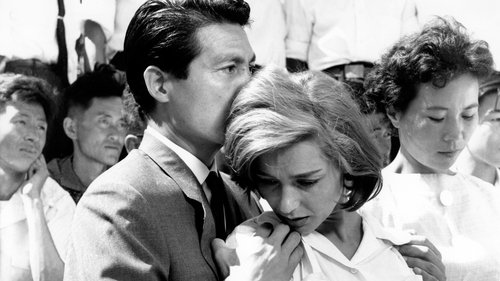
The deep conversation between a Japanese architect and a French actress forms the basis of this celebrated French film, considered one of the vanguard productions of the French New Wave. Set in Hiroshima after the end of World War II, the couple -- lovers turned friends -- recount, over many hours, previous romances and life experiences. The two intertwine their stories about the past with pondering the devastation wrought by the atomic bomb dropped on the city.
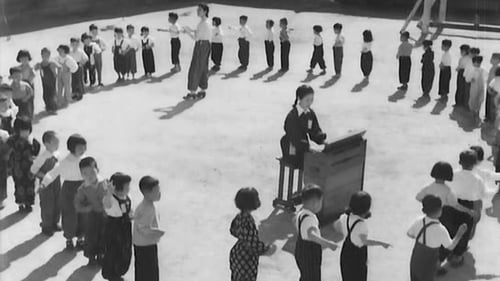
Shows the devastation caused by the atomic bomb, and by use of a fictional storyline, portrays the struggle of the ordinary Japanese people in dealing with the aftermath.
The Buddhist temple Mitaki, located a few kilometers from Hiroshima, epicenter of the 1945 atomic explosion, was protected by the surrounding mountains from the radiation that caused the bomb. The film presents the experience of three characters from the city: a young artist, an adult artist and a monk.
Luc Lagier puts Alain Resnais' film back in its historical context and in the filmmaker's biography. He tells the story, then the development of what was originally intended to be a short documentary film and which turned into an unusual allegory. Composed of fascinating archives, including notably the correspondence between Duras and Resnais, this analysis of 'Hiroshima mon amour' manages to put the film in perspective while detaching itself from it. A rare and captivating work.
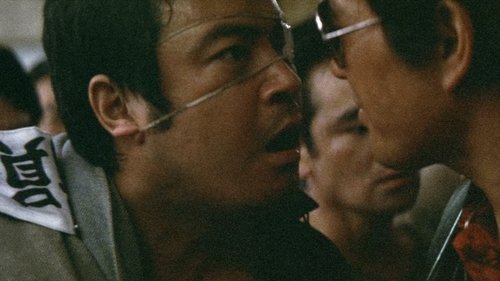
Repeatedly beat to a pulp by gamblers, cops, and gangsters, lone wolf Shoji Yamanaka finally finds a home as a Muraoka family hitman and falls in love with boss Muraoka's niece. Meanwhile, the ambitions of mad dog Katsutoshi Otomo draws our series' hero, Shozo Hirono, and the other yakuza into a new round of bloodshed.
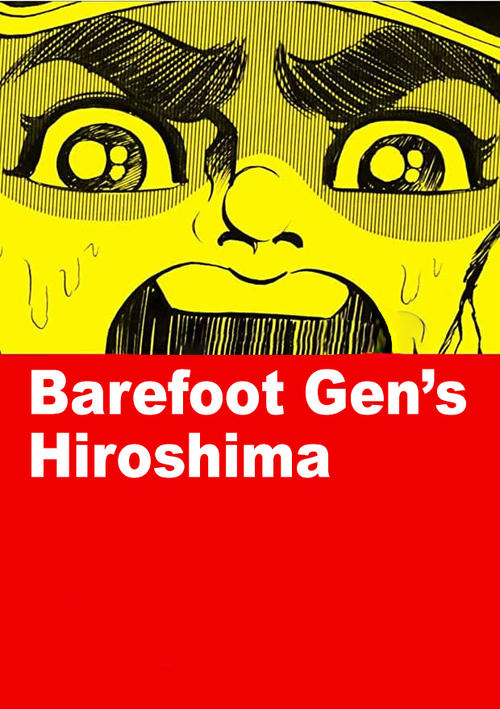
With the passing of Nakazawa Keiji in December 2012, Barefoot Gen’s Hiroshima now stands as the manga artist’s last message of peace to the world. Mr. Nakazawa recounts his life, from the aftermath of the atomic bombing up until the days he created his acclaimed manga series Barefoot Gen (Hadashi no Gen), by exploring sites of painful memories in Hiroshima. Through Mr. Nakazawa’s story, and his original art work, Barefoot Gen’s Hiroshima illuminates the nature of war and nuclear weapons, urging us not to repeat the past.
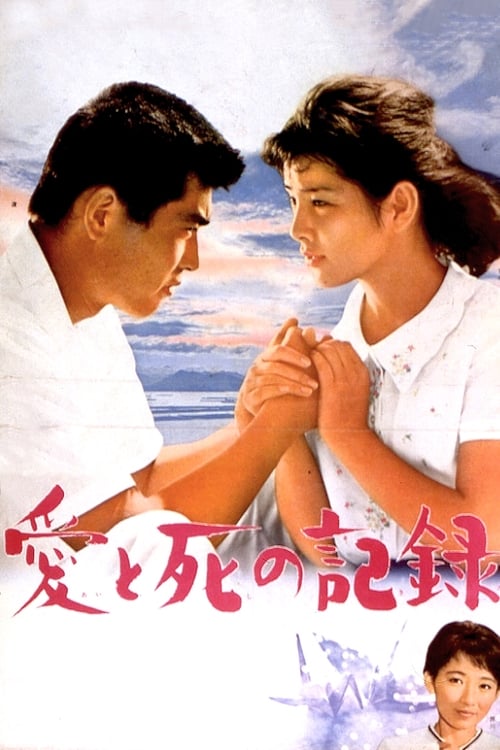
One morning, Kazue is nearly knocked over by a motorbike in front of an instrument store, breaking all the records that she was carrying. The two connect instantly and begin seeing each other every day. However, Iwai, Yukio’s foster parent, is concerned - Yukio had been exposed to the atomic bomb when he was four years old and had been showing symptoms of atomic radiation, hospitalizing him in the Genbaku Atomic Bomb Survivor’s Hospital. Unfortunately, nobody knows when the symptoms may return. When Yukio passes out from anemia during work, he decides to part with Kazue. A couple of days later, Yukio tells her of his destiny at the Hiroshima Peace Memorial Park, but Kazue passionately encourages him.
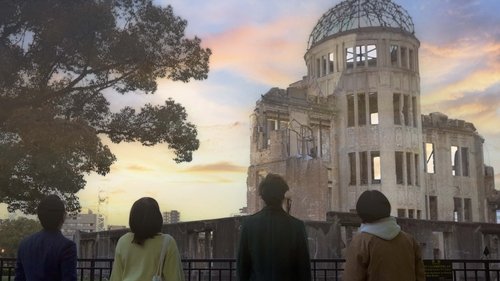
In Hiroshima, two students give an odd American tourist a tour of their city. A prominent researcher investigates a mysterious light in Hiroshima’s night sky. A schoolboy dreams of a girl who takes him to Hiroshima of old. Mysterious stories from Hiroshima's past and present intersect and eventually become one. An old, long forgotten song for peace is heard once again.
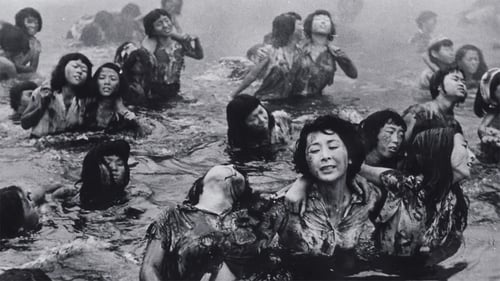
Historical fiction about the aftermath of the atomic bombing of Hiroshima, Japan, on 6 August 1945, and its effects on various civilians, especially children, of that city.
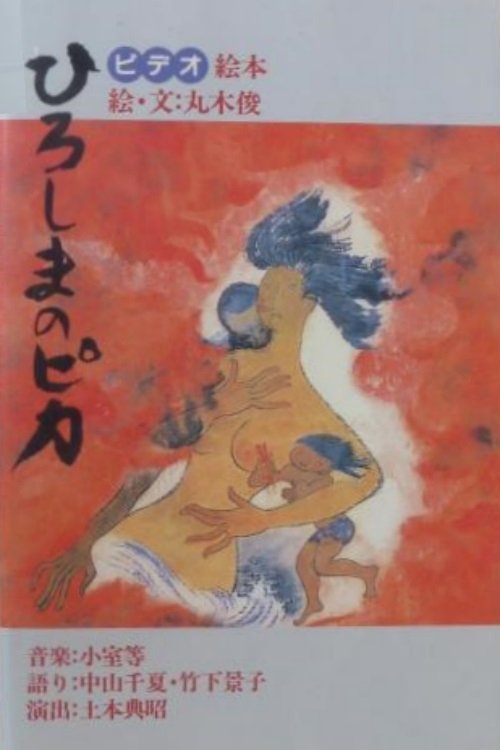
Video version of the picture book 'Hiroshima no pika', based on the art pieces known as The Hiroshima Panels by Iri and Maruki Toshi
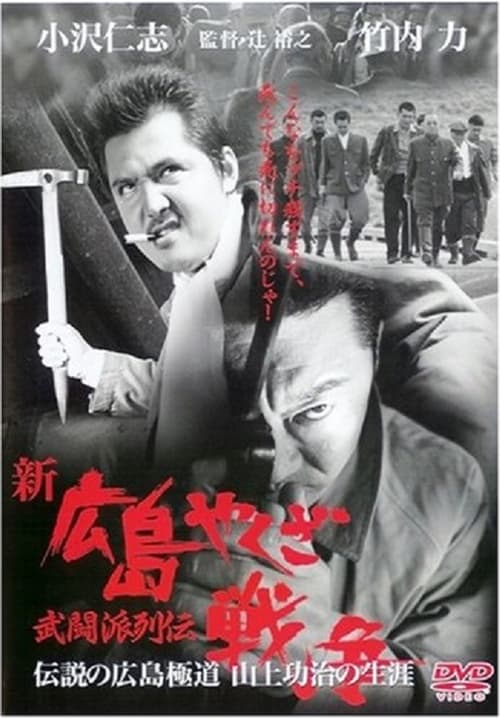
The last war in hiroshima begins
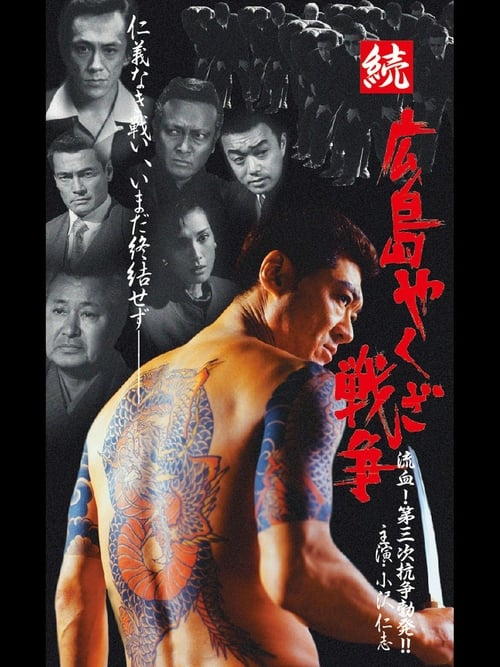
A new yakuza war erupts in Hiroshima
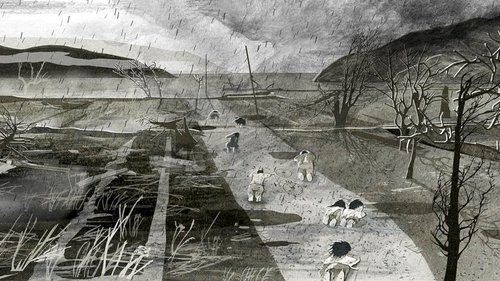
In 1945, the second- and third-year students of a Hiroshima girls' school are taken away to work in war factories. The remaining 220 girls of the first year try to make the best of their new-found status as the only teenagers in an almost deserted town, even amid the deprivations of wartime. On the seventh of August, an American bomber changes their lives forever. Broadcast on the 43rd anniversary of Hiroshima in memory of "the girls who lost their lives to the atom bomb." (Source: Anime Encyclopedia)
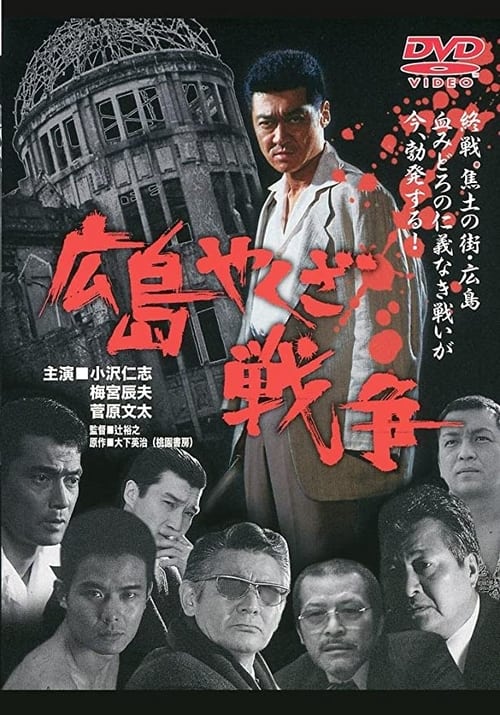
After World War II, in Hiroshima, the Yakuza clans start a war for control of the city.
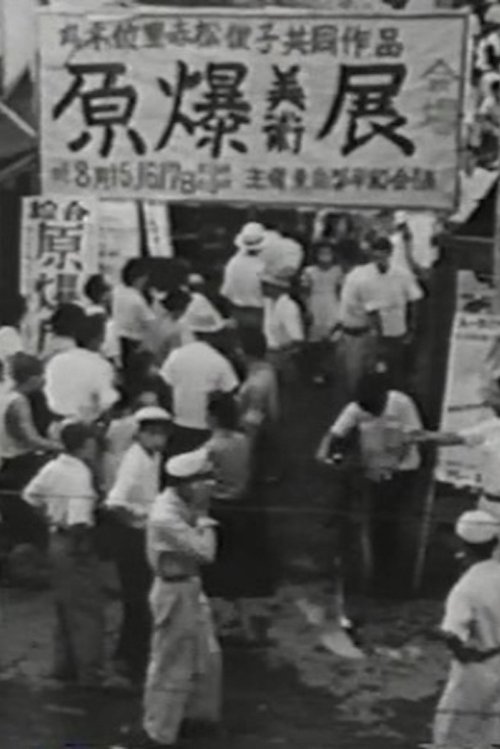
Filmed soon after the end of the Allied occupation, this documentary is an extremely valuable record of the production and nationwide tour of “The Hiroshima Panels” at the time.
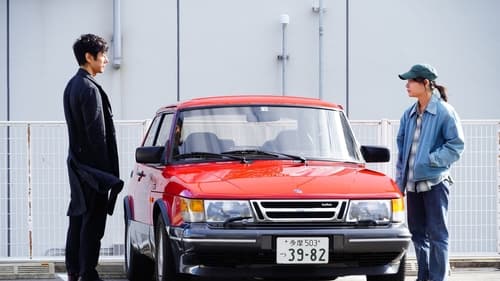
Yusuke Kafuku, a stage actor and director, still unable, after two years, to cope with the loss of his beloved wife, accepts to direct Uncle Vanya at a theater festival in Hiroshima. There he meets Misaki, an introverted young woman, appointed to drive his car. In between rides, secrets from the past and heartfelt confessions will be unveiled.
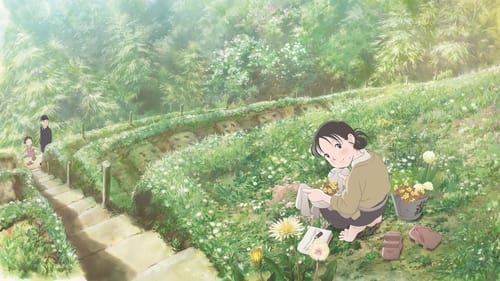
Japan, 1943, during World War II. Young Suzu leaves her village near Hiroshima to marry and live with her in-laws in Kure, a military harbor. Her creativity to overcome deprivation quickly makes her indispensable at home. Inhabited by an ancestral wisdom, Suzu impregnates the simple gestures of everyday life with poetry and beauty. The many hardships, the loss of loved ones, the frequent air raids of the enemy, nothing alters her enthusiasm…
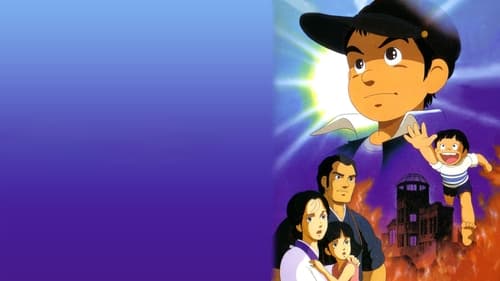
A story about the effect of the atomic bombing of Hiroshima on a boy's life and the lives of the Japanese people.
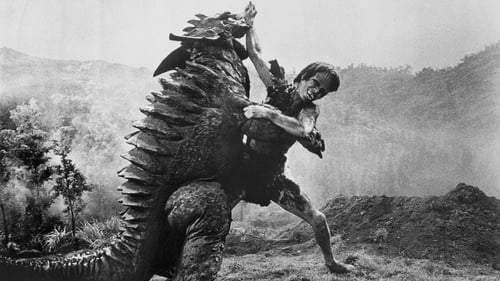
During WWII, Germans obtain the immortal heart of Frankenstein's monster and transport it to Japan to prevent it being seized by the Allies. Kept in a Hiroshima laboratory, it is seeming lost when the United States destroys the city with the atomic bomb. Years later a wild boy is discovered wandering the streets of the city alone, born of the immortal heart.
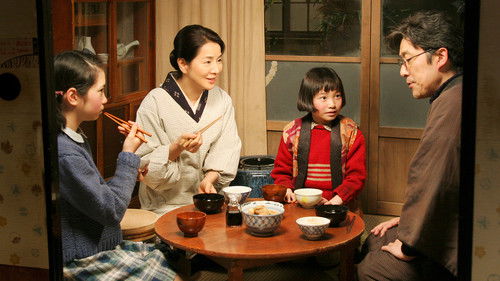
Set in Tokyo in 1940, the peaceful life of the Nogami Family suddenly changes when the father, Shigeru, is arrested and accused of being a Communist. His wife Kayo works frantically from morning to night to maintain the household and bring up her two daughters with the support of Shigeru's sister Hisako and Shigeru's ex-student Yamazaki, but her husband does not return. WWII breaks out and casts dark shadows on the entire country, but Kayo still tries to keep her cheerful determination, and sustain the family with her love. This is an emotional drama of a mother and an eternal message for peace.
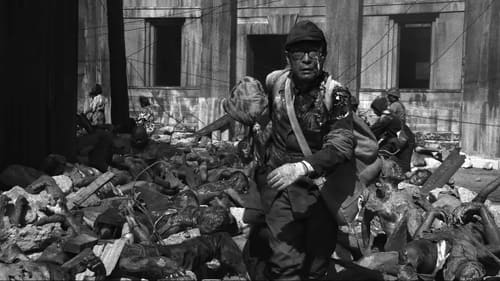
Shigematsu Shizuma, who lives with his family in a village near Fukuyama, was in Hiroshima with his wife and niece just after the devastating atomic bombing, a tragedy that cruelly took the lives of thousands of people and forever marked the harsh existence of the survivors.
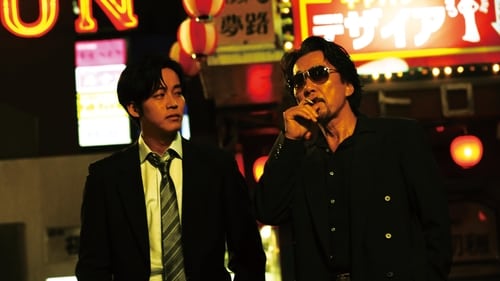
Set in 1988 in Hiroshima, Japan, prior to the enactment of the anti-organized crime law. A rumor exists that Detective Shogo Ogami has ties with the yakuza. He is partnered with Detective Shuichi Hioka and they investigate a missing person case involving a financial company employee. Conflicts between opposing yakuza groups become more serious.
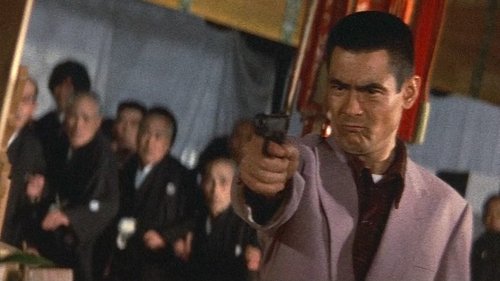
In the teeming black markets of postwar Japan, Shozo Hirono and his buddies find themselves in a new war between factious and ambitious yakuza.
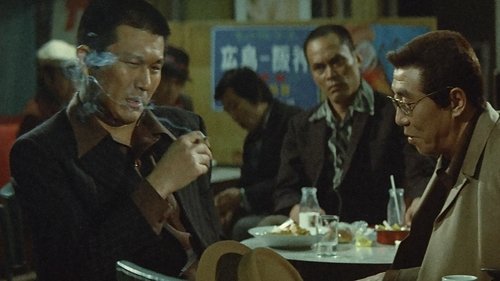
As Japan gears up for the 1964 Olympic games, the cops start to crack down on the gangs, under pressure from the public and the press, adding a new dimension in the war for power among the yakuza families of Hiroshima.
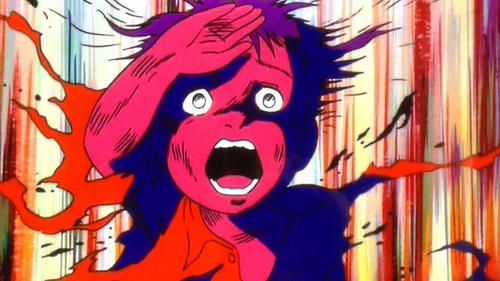
Three years after the Hiroshima bombing, a teenager helps a group of orphans to survive and find their new life.
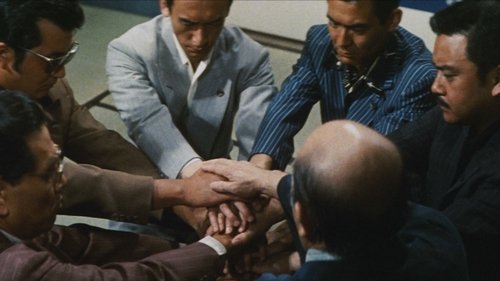
Shozo Hirono has managed to separate from the Yamamori family and create his own small family, and extend his circle of acquaintances. These new friendships include a powerful underboss of the Muraoka family, Noboru Uchimoto.
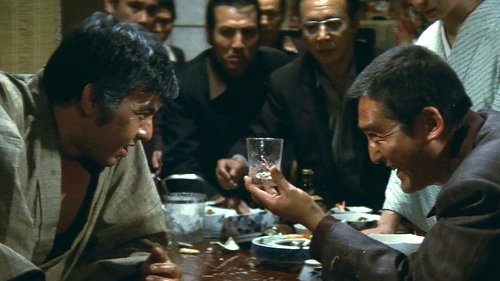
While Hirono is in prison, his rival Takeda turns his own crime organization into a political party, whose two executives stir up new tensions in their thirst for power.
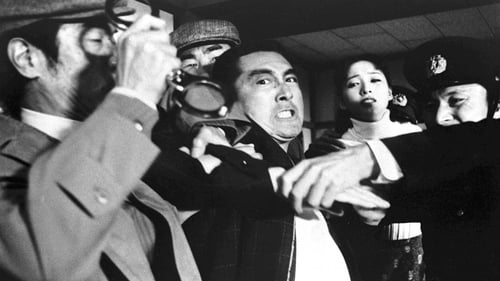
After spending eight years in prison for murder, Hiroshi leaves his yakuza family to start a new life as a labor racketeer.

A documentary about the lives of actors in the Sakura-tai theatrical troupe, which had arrived in the island of Hiroshima to begin preparations for the staging of a play just before the atomic bombing.
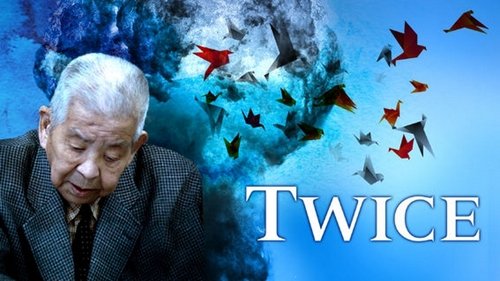
Tsutomu Yamaguchi is a hibakusha. A survivor of both atomic bomb blasts in 1945. First at Hiroshima, then again at Nagasaki. Now nearing 90, Yamaguchi finally speaks out. Breaking taboos of shame and sorrow, he responds to a call to fight for a world without nuclear weapons by telling his story, so that no one else will ever have to tell one like it again. Twice reconstructs Yamaguchi’s experiences in 1945 Japan, interviews him on the after-effects of exposure and documents the last five years of the late-blooming activist’s life.
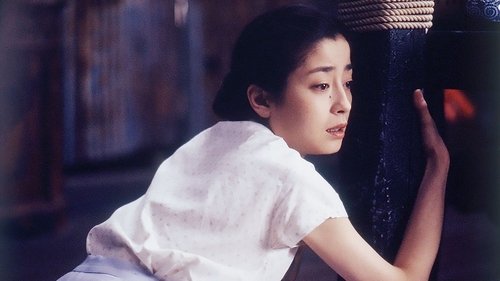
Based on a play by Hisashi Inoue, it focuses on the sufferings of the survivors of Hiroshima. The film takes place during 4 days in the summer of 1948, as the ghost of her father visits Mitsué (Rié Miyama). He had somehow learned that she has fallen in love, and tries to convince her to start her new life. But Mitsué obstinately refuses his warm and humorous encouragements : « People were killed in my place. I do not have the right to find happiness », she says.
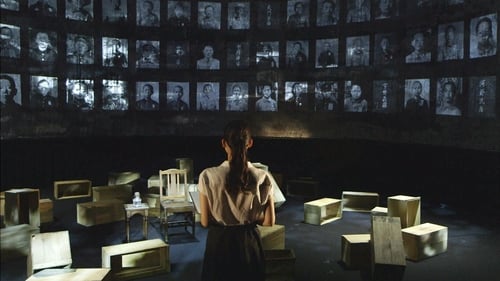
A memorial to the atomic annihilation of 321 students at Hiroshima Middle School.
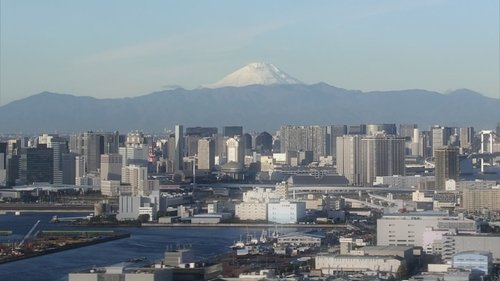
In 150 years, twice marked by total destruction —a terrible earthquake in 1923 and incendiary bombings in 1945— followed by a spectacular rebirth, Tokyo, the old city of Edo, has become the largest and most futuristic capital in the world in a transformation process fueled by the exceptional resilience of its inhabitants, and nourished by a unique phenomenon of cultural hybridization.
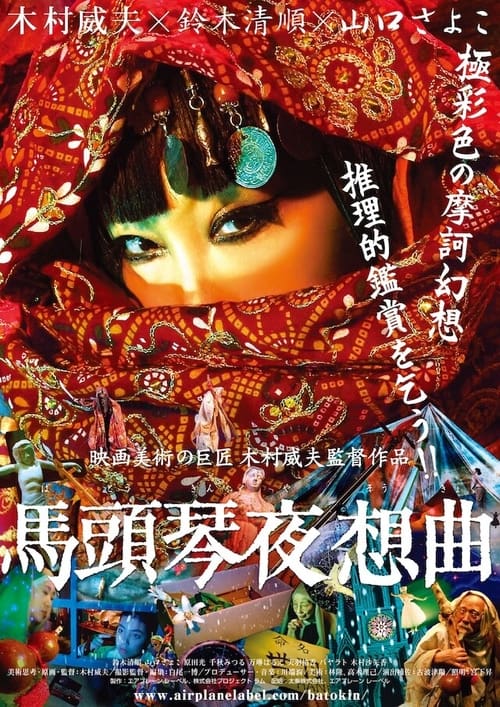
A baby, John, who was abandoned in the church with a horse-headed koto on his side. His grandfather was once a Morin Khuur player and died in the atomic bombing of Nagasaki. The brilliantly colored images have an avant-garde charm while hiding the sadness of the war, and will grab the viewer's heart.

A video was submitted to Big Summer's psychic investigator team. The video shows a couple visiting an abandoned well at a haunted place, the woman was attacked by a deformed monster that appeared from the well. The boyfriend now asks the team to investigate.

Akira is haunted by a "bouncing ball" song that he remembers his mother singing when he was a small child, and now on the verge of a sexually active adulthood, he wants to find the origins of the song. The young man ostensibly wanders into a time-warp in which aspects from his childhood and adulthood mix together. In this never-never land he comes across a beautiful woman/witch who is lost inside the labyrinth of her mansion, just as the young man is lost in the labyrinth of time — and on some levels, perhaps the labyrinth of his subconscious.
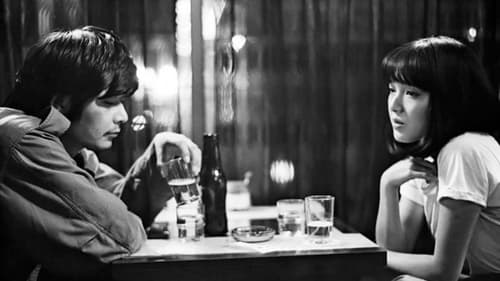
Mariko is living the life of a typical Japanese college student in the 70's, spending far more of her time balancing boyfriends and part-time jobs than on her schoolwork. She finds herself torn between a former boyfriend who's the tough, insensitive-but-sexy, type, and a new acquaintance who's more sensitive to her feelings, but who still acts childishly selfish at times. Will she choose one of them, or decide to go her own way?
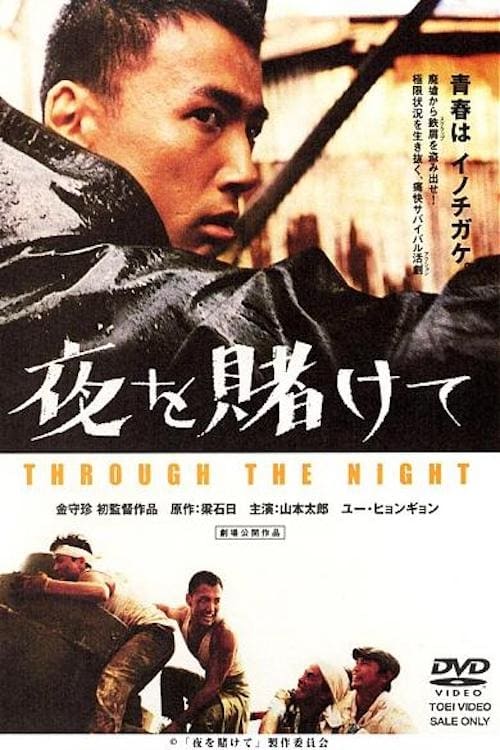
When poverty-stricken Korean-Japanese (Zainichi) discover there is valuable iron ore in the rubble of a destroyed shantytown they plan to haul it out for profit. Amidst this plan there is discrimination, war and an infatuation between a man and a woman, but like everything around them there and owing to the forces around them, there is as much chance that these may burn to ashes and be destroyed or be the beginning of something new.
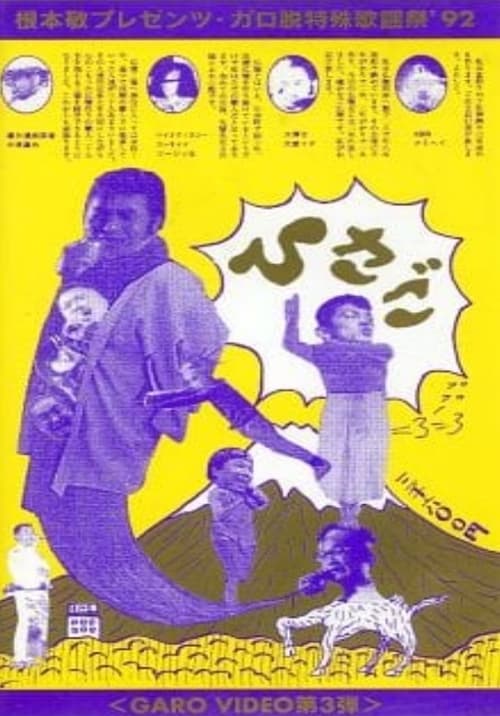
Takashi Nemoto Presents Garo Special Song Festival '92

Harasaki, Kikushima, and Morita, who left their hometown to live in the city, reunite for the first time in ten years. Harasaki and Kikushima have been estranged after an incident, but with Morita’s help, the distance between the three gradually closes.
Signals like the moon, streetlights like stars. The camera warmly captures the winter night roads, and the director's eye is also that of a director looking at two people who are more than friends but less than lovers. When Sakai chooses what is most important to him without hesitation, i.e. when he accepts the responsibility of loving her, the period in which she "had chosen" to leave him gives the story a deeper depth. A film that uses unrealistic motifs but depicts the birth of happiness in a sufficiently realistic way.
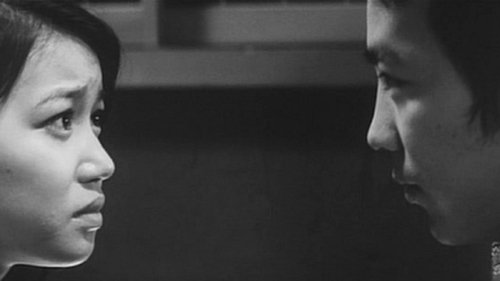
Based on the factual case of a young man who broke into a nurses' home in Chicago, mutilating and killing several of the inmates, Wakamatsu's film is a precise, sad delineation of a particular aspect of masculine sexual consciousness.
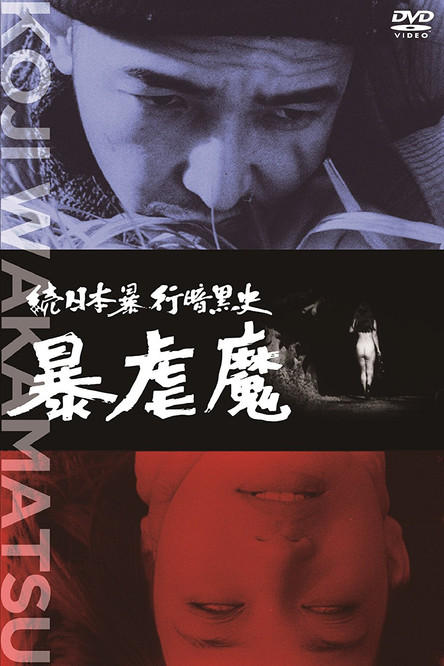
Study about a young disturbed man, who rapes and kills women and collects their bodies in a cave. A work based on the case of Yoshio Kodaira, a serial rape murder case shortly after the war.
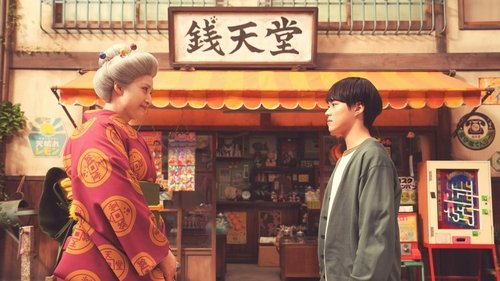
Zenitendo is a mysterious candy store that only lucky people can reach. All the candy recommended by Beniko, the owner of the store, is perfectly suited to the buyer's troubles. However, it depends on whether the candy will be used or eaten correctly that it can bring happiness or misfortune.
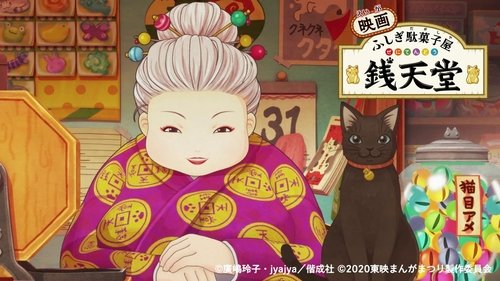
Adaptation of the first volume following an eight-year-old boy Keiji getting a mysterious snack that can make him fish taiyaki (japanese fish-shaped cake).

Toñi a trans woman asks a miraculous saint in a church to have a boyfriend, and that is how Lahcen appears in their life, a young Moroccan immigrant who has just arrived in Spain, with whom they will fall in love.
BDSM-themed pink film distributed by Toei Central Film.