
Action
Adventure
Animation
Comedy
Crime
Documentary
Drama
Family
Fantasy
History
Horror
Music
Mystery
Romance
Science Fiction
Thriller
War
Western
Found 33 movies, 3 TV shows, and 4 people
Can't find what you're looking for?
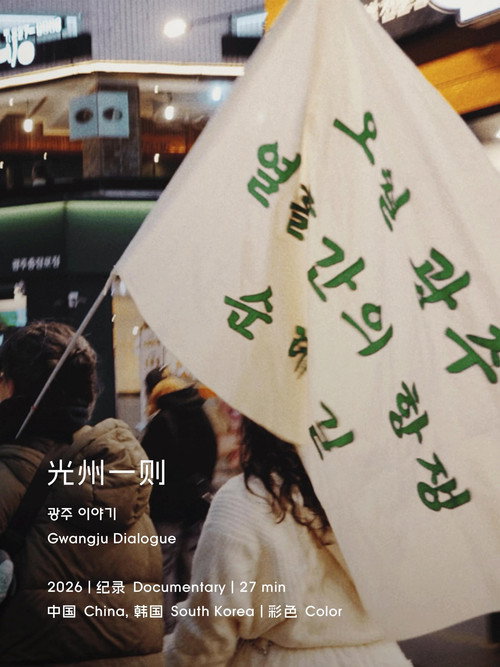
𝘼𝙨 𝙩𝙝𝙚 𝙩𝙞𝙙𝙚 𝙤𝙛 𝙢𝙖𝙧𝙩𝙞𝙖𝙡 𝙡𝙖𝙬 𝙧𝙚𝙘𝙚𝙙𝙚𝙙, 𝙂𝙬𝙖𝙣𝙜𝙟𝙪 — 𝙩𝙝𝙖𝙩 𝙘𝙞𝙩𝙖𝙙𝙚𝙡 𝙤𝙛 𝙙𝙚𝙢𝙤𝙘𝙧𝙖𝙘𝙮 — 𝙛𝙚𝙡𝙡 𝙗𝙖𝙘𝙠 𝙞𝙣𝙩𝙤 𝙨𝙩𝙞𝙡𝙡𝙣𝙚𝙨𝙨. 𝙈𝙚𝙢𝙤𝙧𝙞𝙚𝙨 𝙤𝙛 𝟭𝟵𝟴𝟬 𝙖𝙣𝙙 𝟮𝟬𝟮𝟰 𝙝𝙖𝙙 𝙖𝙡𝙧𝙚𝙖𝙙𝙮 𝙨𝙚𝙩𝙩𝙡𝙚𝙙 𝙞𝙣𝙩𝙤 𝙚𝙫𝙚𝙧𝙮𝙙𝙖𝙮 𝙡𝙞𝙛𝙚 𝙡𝙞𝙠𝙚 𝙨𝙚𝙙𝙞𝙢𝙚𝙣𝙩𝙨 𝙤𝙛 𝙩𝙞𝙢𝙚.
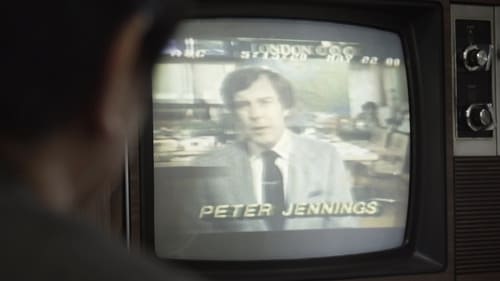
There are people whose lives have been shaken by the 'Gwangju Video'. On May of 1980, the course of their lives changed in front of a huge wave of truth in Gwangju. The people who made and spread the 'Gwangju Video' are also the people who had their bodies on the waves. The hidden stories of these people, the 40th anniversary of the Gwangju Uprising, and the pursuit to trace the missing 4 hours of mass shooting will be revealed for the first time.

No description available for this movie.

A short film.
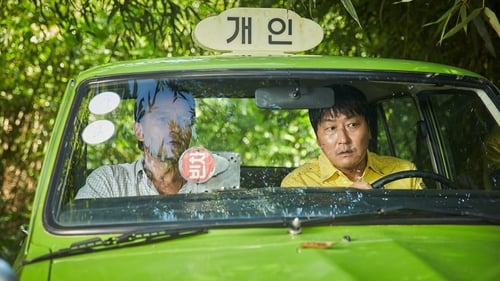
May, 1980. Man-seob is a taxi driver in Seoul who lives from hand to mouth, raising his young daughter alone. One day, he hears that there is a foreigner who will pay big money for a drive down to Gwangju city. Not knowing that he’s a German journalist with a hidden agenda, Man-seob takes the job.

This short documentary was created by painter Taeko Tomiyama—who consistently resisted various forms of injustice around the world through her art—and film director and producer Katsuhiro Maeda, who was inspired by her. The film centers on the Gwangju Uprising that occurred in South Korea in May 1980. The Gwangju Uprising saw the Chun Doo-hwan regime declare martial law and violently suppress student and citizen protests, resulting in many casualties. Tomiyama responded immediately to the tragedy by organizing a traveling exhibition featuring her print series Prayer for the Fallen. Moved by Tomiyama’s intense anger toward the dictatorship and her deep mourning for the victims, Maeda created this film in 1981. Combining news footage that documents the reality of the events with Tomiyama’s print works—unfolding like shadow play—the film powerfully conveys the nature of state violence and human sacrifice. The music was composed by pianist and composer Yuji Takahashi.
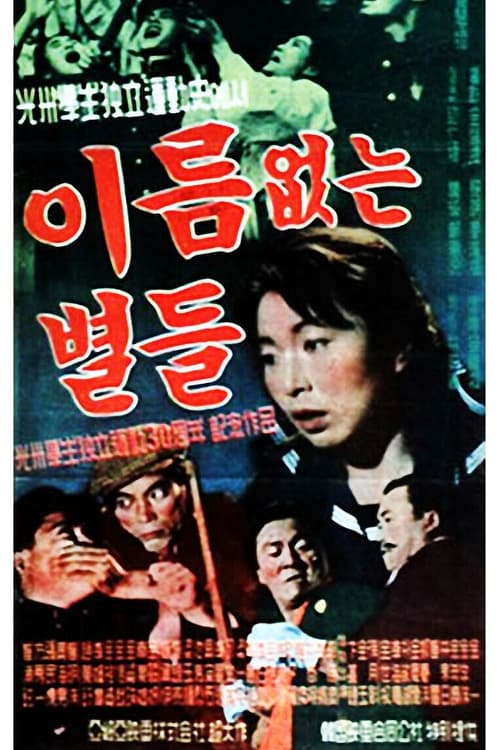
The son of a freedom fighter, Sang-hun is a member of an anti-Japanese resistance group called "Seongjinhoe," composed of students who share a dedication to the cause of liberation. Their spiritual guide is a teacher named Song Un-in. One day, Yeong-ae, whose brother is a detective in the Japanese police force charged with monitoring independence movements, joins their group. Following a series of sporadic incidents, the students gather one night to resolve on an uprising, but are discovered by the police. Young-ae is wrongfully accused of betraying their plans, but she risks her life in order to allow the group members to escape. The morning after, the students of Gwangju rise up against the Japanese government.
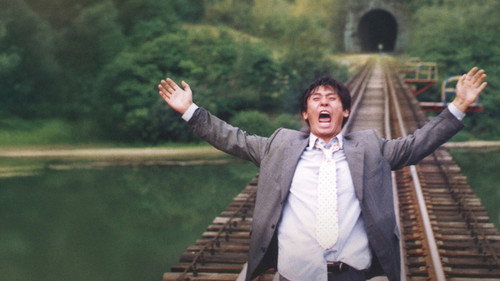
In the spring of 1999, a group of old friends gather to celebrate their 20 year reunion. Among the group is Yeong-ho, a cold, unhappy man, whose demeanor puts a damper on the festivities. The seriousness of Yeong-ho's depression becomes apparent when he climbs a railroad bridge and looks like he might jump. At this crucial moment, memories of seven crucial episodes from Yeong-ho's past flood his mind.
The South Korean city of Gwangju, will commemorate the May 18th 1980 uprising in style. They will stage a grand re-enactment of the scenes of the May uprising 25 years earlier, when martial law troops killed civilians, including women and children.
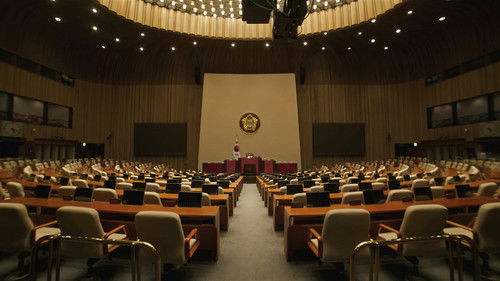
On December 3, 2024, in Seoul, the President of South Korea Yoon Sukyeol declares the martial law. Troops move toward the National Assembly to seize control. Meanwhile, citizens rush to the National Assembly to block the troops, while lawmakers break through police's barricades at the main gate, climb over the walls to attend the session that lifts the martial law.
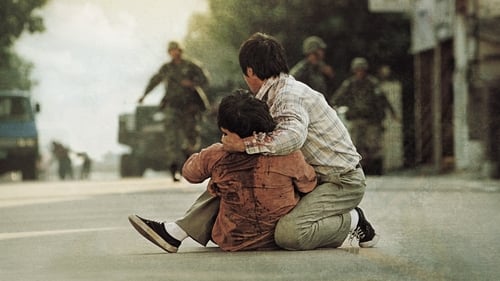
The citizens of Gwangju lead a relatively peaceful life, until one day the military takes over the city, accusing the residents of conspiracy and claiming that they are communist sympathisers preparing a revolution against the current government. Seeing as the soldiers beat defenceless people, mainly students, to death, the citizens are in for retaliation and form a militia.
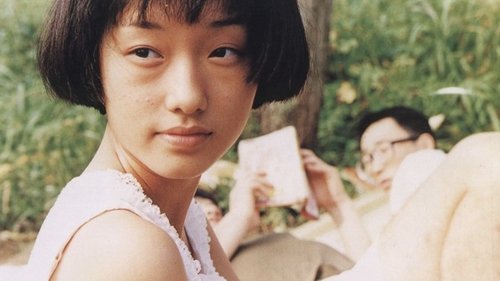
The story of a girl who experienced the Gwangju massacre at the age of 15, and its effect on her life in later years.
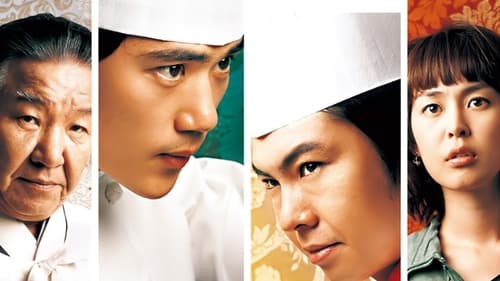
A disgraced chef tries to restore his name by competing in a culinary contest to win the knife of Korea's last royal chef.
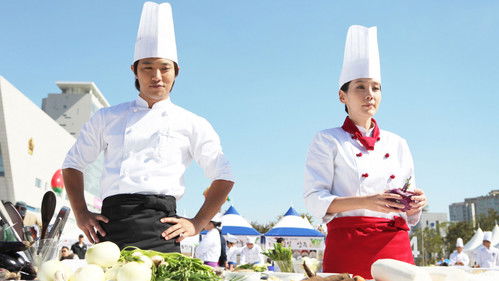
"Le Grand Chef 2" begins with the Korean president visiting the Japanese Prime Minister and becoming involved in a heated debate over the origins of kimchi. The Japanese Prime Minister makes the bold claim that kimchi is an original Japanese dish which sets off the Korean president. Upon the Korean's president return home he sets upon a globalization plan for kimchi, which includes a nationwide "Kimchi Contest". Then, a lady named Jang-eun (Kim Jung-Eun) and her step-brother Sung-Chan (Jin Goo) compete in the Kimchi dish contest, with both siblings using their mother's kimchi recipe.
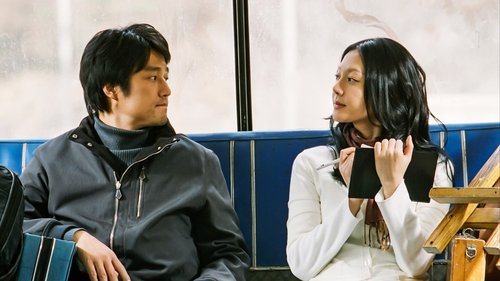
Political activist Hyun-woo is released from prison after a 17-year stint. Journeying back to the village where he spent some time as a fugitive he recalls the time spent with Yoon-hee, a woman who gave him shelter and companionship.
KIM-GUN searches for the whereabouts of a young man whose identity has sparked a national controversy over the 1980 May 18 Gwangju Uprising. Starting with the vague memories of those who had crossed paths with him during that time, the film tracks down those who participated in the Uprising as “Citizen Soldiers.” It also traces KIM’s final steps, based on photographic clues found in the firearms he carried and the “Surveillance Truck No. 10” in which he rode. By identifying KIM-GUN, we believe that we can find valuable leads to resolving the ongoing controversy over May 18. Why did a nameless young man join the Uprising? Why did he take up arms? Where has he gone afterwards? It is the answers to these questions that the film seeks.

The movie is a compilation of the movie "Wilderness" in which a member of the airborne unit who killed a girl during the Gwangju Democratization Movement burned himself to death with remorse and "Mr. Kant's Presentation", the story of a man who wanders around as a result of torture after participating as a civilian army.
Eunju, a teenage girl, wants to go to a high school baseball game where the boy she has a crush on will be playing.
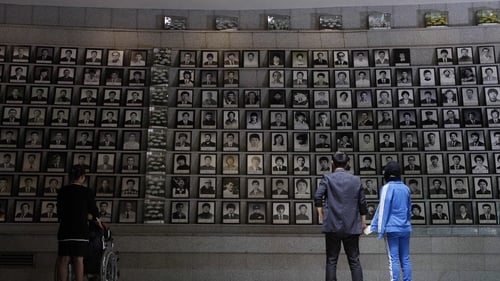
Three relatives of victims come together to get revenge on a murderer twenty-six years after the massacre. The man had killed groups of people in the 1980 Gwangju murders.
No description available for this movie.
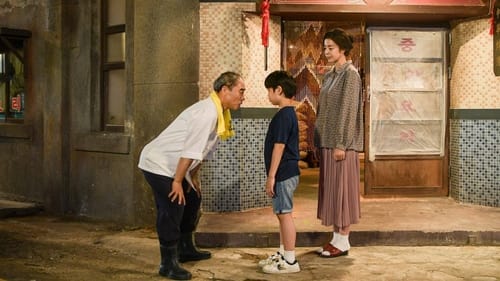
There is HWAPYONG Restaurant with full of hopes of the family of three generations. Grandfather, the first-generation owner, and the first son, the second-generation owner, who lives as a fugitive after being branded as a communist and his wife and Cheol-soo’s mom who has to work hard by juggling work and family without complaint. The second son, Cheol-soo’s uncle, who sometimes acts like a child with an excuse of being the second son but loves Cheol-soo more than anyone and seriously cares about the restaurant. To the third generation, young Cheol-soo, family is the most precious. By the time when ‘Seoul Spring’ longing for democratization came to nothing due to ‘Retreat from Seoul Station’ in 1980, there were a series of peaceful protests in Gwangju, Jeolla Province. In warm May, a large dark cloud is looming over HWAPYONG Restaurant, the home and everything of this ordinary family of Cheol-soo, in the middle of Gwangju.
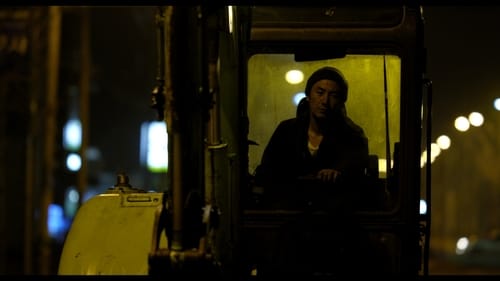
20 years after discharge from the army and now an excavator driver, a former paratrooper who had been mobilized to suppress the May 18th Democratic Uprising in Korea in 1980, happens to find a skull in the ground one day. Driving his excavator, he pays visits to his former superiors one by one and realizes they were all both assailants and victims of the times.
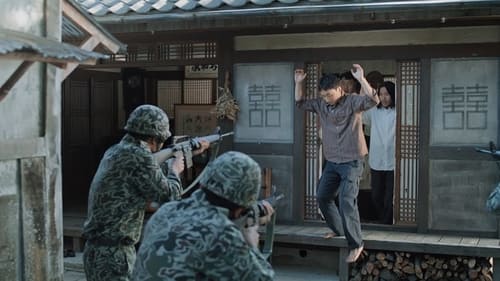
No description available for this movie.
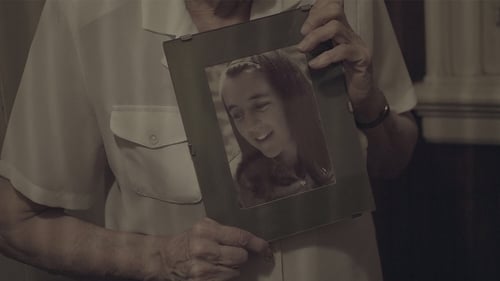
The title Good Light, Good Air is oddly paradoxical. Keenly working at the point where his artistic identity and persistent attention on modern Korean history meet, director Im in this film focused on where the history of oppression and struggle intersect between Gwangju and Buenos Aires. In both cities, a great number of people who fought against the dictatorship were slaughtered and disappeared. The people of both societies still live with that trauma. When the testimonies of the victims of the two cities cross over, the film gives us chills as the eerie history of the two is very similar. Through Good Light, Good Air, director Im asks us how we will remember the past from where we stand right now.
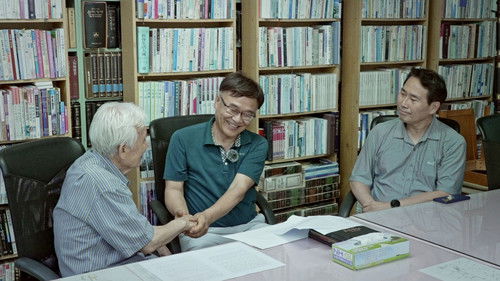
On May 27, 1980—the last day of the Gwangju Uprising—students at Sinheung High School in Jeonju defied martial law. Their teacher disciplined them to protect them, but this act of love left forty years of misunderstanding. Now in his nineties, the teacher reunites with his former students to finally offer each other the reconciliation they had long set aside.

While working on a case with farmers, lawyer Heo Seung comes to believe that the rural development movement is the only lasting way to preserve the identity of the country. With conviction, Seung throws himself into the rural area. However, this position is against the Japanese occupation policies and eventually, even his wife, Yun Jung-sun, ends up leaving him. The Japanese judge Masaki Hiroshi determines that Seung's rural development activities are actually a rebellion against Japan. He has Seung imprisoned as an ideology criminal. After spending five years in jail, Seung returns to the country to see his wife, Jung-sun, continuing her husband's work and waiting for him.

Due to sudden deteriorating weather conditions, visibility on the Airport Bridge is severely impaired, leaving people stranded and at risk of the bridge collapsing due to a series of chain collisions and explosions. Amidst the chaos, the canine subjects "Echo" from the military experiment "Project Silence," who were being transported in secret, break free, and all human survivors become targets of relentless attacks.
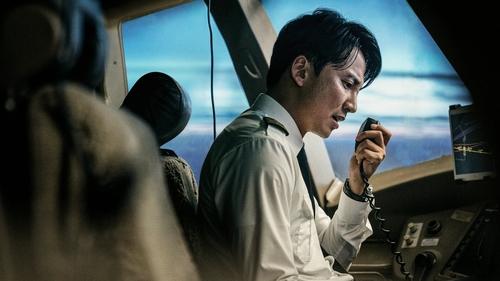
While investigating a terroristic threat that goes viral online, Korean authorities discover that a suspect has recently boarded an international flight bound for the United States. When a healthy passenger on the same flight suddenly dies a gruesome death of unknown cause, panic erupts both in-flight and on the ground. With steadily decreasing fuel and international refusals to offer aid, the captain and crew will be forced to take unprecedented emergency measures in an attempt to save the lives of their passengers.
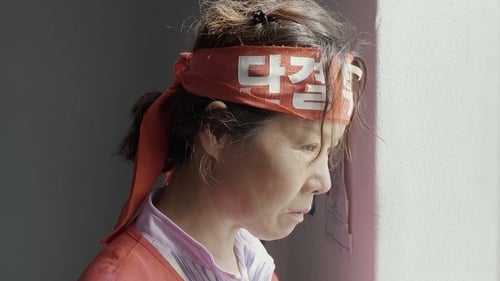
O-bok’s eldest daughter is about to get married to an educated, well-off young man, but she’s far from happy. It’s not just hot weather, hot flushes, her daughters’ materialism, her mother’s dementia, her husband’s drinking, or the impending gentrification of the food market where she sells fish – although all of that will push her to take a stand. After trying to cover it up, O-bok reveals to her daughter that she was raped by a fellow stallholder, the man organising the traders against their landlords. Increasingly furious, O-bok eschews the useless police to pursue her own justice, even if it means a physical fight.
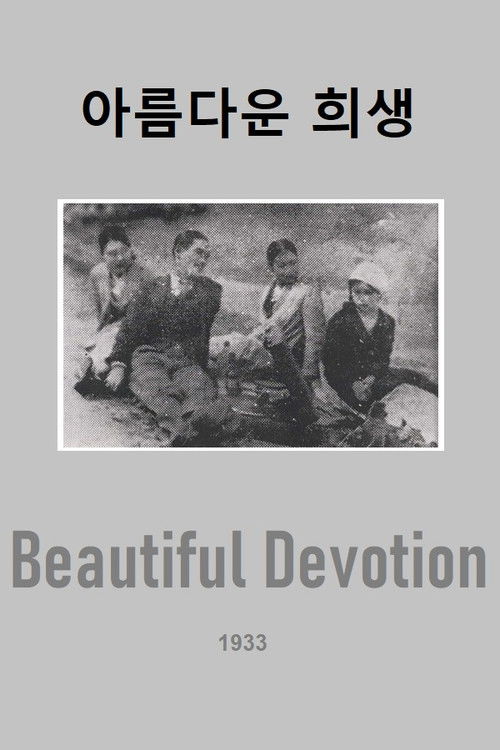
A melodramatic film about a fisherman who disappeared at sea. After many years, he returns and finds out that his wife has a different family. The fisherman does not disturb his beloved wife and secretly leaves his native place.
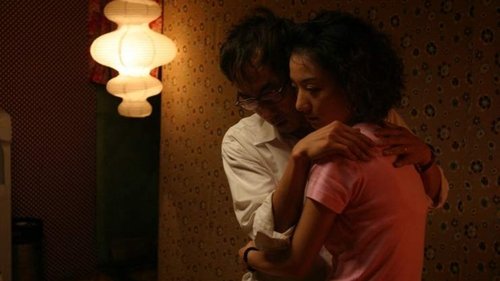
A mild-mannered stamp maker searches for the man who slept with his wife. Disguised as a customer, he approaches the man.
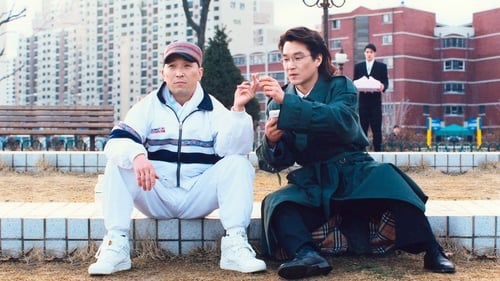
Tae-joo manages to rise in rank in a gang for saving the boss's life. However, prosecutor Dong-pal appears in front of him as his sworn enemy. Meanwhile, Jo-pil wants to get rid of Tae-joo's gang, training for revenge. The three men's goals intertwine.

A woman gets killed in a department store. No one imagines this could lead to serial murders, but two days after the first murder, another homicide occurs. A woman is suffocated to death and the only evidence left at the crime scene is a sticker of the cartoon character “Princess Aurora”.