
Action
Adventure
Animation
Comedy
Crime
Documentary
Drama
Family
Fantasy
History
Horror
Music
Mystery
Romance
Science Fiction
Thriller
War
Western
Found 25 movies, 4 TV shows, and 0 people
Can't find what you're looking for?
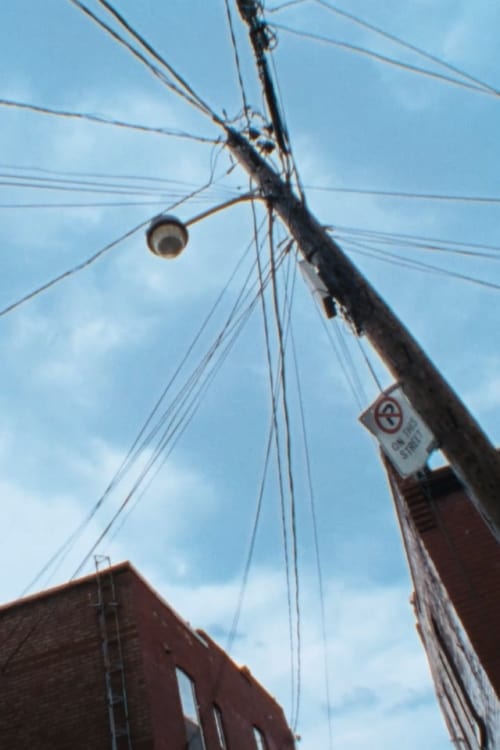
My Gentrification is a documentary film consisting of two independent sections that explore my experiences and observations about housing, urban living and the rapidly changing landscape of Toronto. These ideas are presented using personal film footage on Super-8 or 16mm and interviews with local residents which I have been collecting since late 1990. For nearly 20 years, I have filmed small segments of daily life, street events and personal moments. This footage began taking on more meaning and structure as time passed and the neighbourhood started changing. I discovered that it is a record exploring a body of ideas and thoughts that can be used to talk about the process and impact of gentrification in Toronto. (MA)

A short documentary shot in November 2021 in Berkeley. It reflects on the ethos of privatization in American culture and how public spaces are being built to exclude people through cruel architecture. The context used is the gentrification circle around the University of California Berkeley intended to build student housing. An eye-opening journey that explores structures and elements you would never have stopped at.

Is the city of Zurich suffering from ‘density stress’? What is it like to live in mega cities such as São Paulo, Mexico City and Tiflis? Filmmaker Thomas Haemmerli broaches the topics of city development, architecture, density, housing market, xenophobia and gentrification from an autobiographical perspective. The path of his life has led him from a childhood in the villa district of Zürichberg, through his teenage years as squatter to flat shares, yuppie apartments and finally second homes in various cities. Only recently having become a dad, he plans to further enhance Zurich’s price appreciation by purchasing a huge, extended city apartment… This multifaceted essay not only humorously questions the filmmaker’s decisions, but also those of the right-wing conservatives, who are afraid of losing their space to immigrants, and the political left, who fail to embrace modern-age architecture.
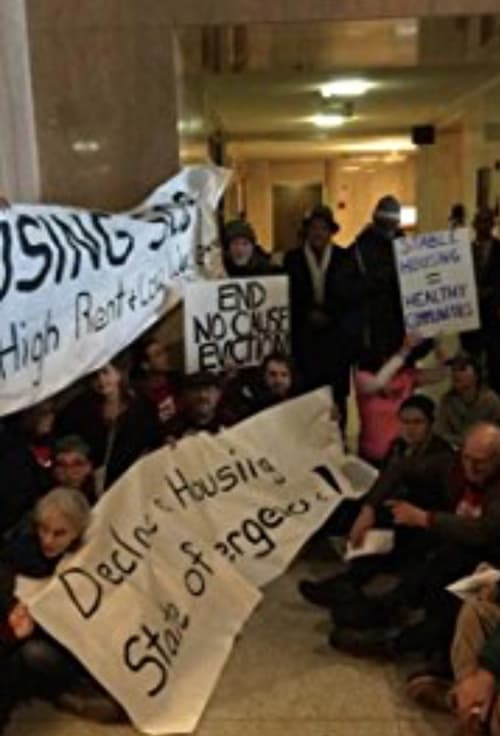
In the late 1990s, Nikki Williams, a single mother living in Portland's only "ghetto," embraced the idea of gentrification. At that time, her neighborhood was dominated by abandoned buildings and the fear of drug dealers. Fifteen years later, Nikki was one of the last black residents on her block, as high-end restaurants and throngs of young newcomers came to dominate the area. While some black residents said good riddance to the old neighborhood, others felt betrayed by city officials who promised revitalization without displacement. As gentrification grew beyond Nikki's neighborhood and plunged the entire city into a housing crisis, Nikki found herself torn between feelings of grief about the loss of her community and the opportunity to sell her home and achieve economic freedom for the first time in her life.

In an historically Black neighborhood of Cincinnati, a family closes shop as new residents roll in on their Segways and craft beer carts.
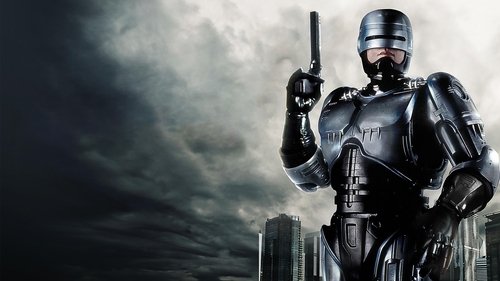
In a violent, near-apocalyptic Detroit, evil corporation Omni Consumer Products wins a contract from the city government to privatize the police force. To test their crime-eradicating cyborgs, the company leads street cop Alex Murphy into an armed confrontation with crime lord Boddicker so they can use his body to support their untested RoboCop prototype. But when RoboCop learns of the company's nefarious plans, he turns on his masters.

Facing eviction in a city her family can no longer afford, a woman plunges into a desperate and increasingly dangerous all-night search to raise $25,000.
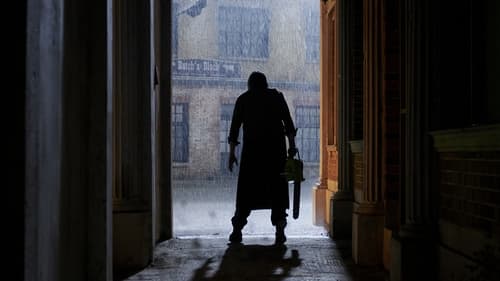
After nearly 50 years of hiding, Leatherface returns to terrorize a group of idealistic influencers who accidentally disrupt his carefully shielded world in a remote Texas town.
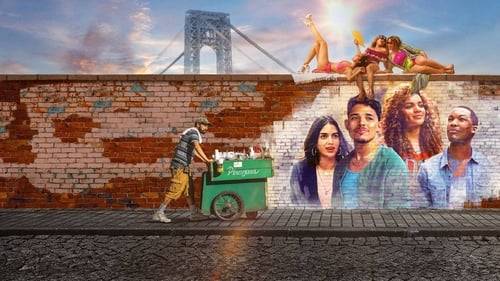
The story of Usnavi, a bodega owner who has mixed feelings about closing his store and retiring to the Dominican Republic or staying in Washington Heights.

Lucas, a 47-year-old boy, and Antonia, an old woman, live together in an apartment in the center of the city. Their life goes on as usual until an investment fund acquires the building to turn it into tourist apartments. Lucas tries to get the necessary money to avoid the loss of the house, but a wrong decision will change the rest of their lives.
What drives us to keep going in a world that grows increasingly hostile toward our existence every day? Squirm Gallery, a DIY music venue, finds a way forward in a rapidly gentrifying Denver.
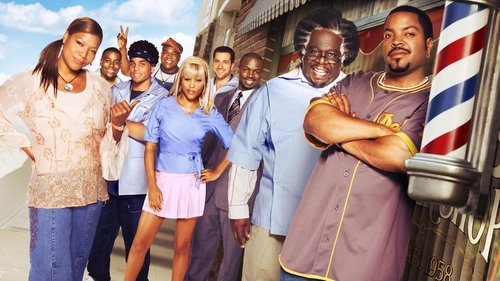
The continuing adventures of the barbers at Calvin's Barbershop. Gina, a stylist at the beauty shop next door, is now trying to cut in on his business. Calvin is again struggling to keep his father's shop and traditions alive--this time against urban developers looking to replace mom & pop establishments with name-brand chains. The world changes, but some things never go out of style--from current events and politics to relationships and love, you can still say anything you want at the barbershop.

Cranes and Voices explores the evocative power of sound through the experiences of people who hear voices and a collective of sound investigators, tenants documenting their neighborhood. By bringing together listening experiences, housing, and creative practices, the film approaches sound as an ambivalent force, questioning our ability to listen—to the city, to others, and to ourselves.
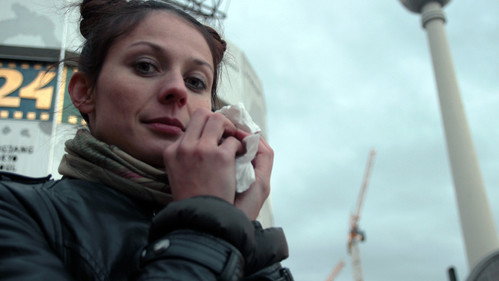
A sickly tourist visits Berlin sights quickly with an angelic teleport guide.
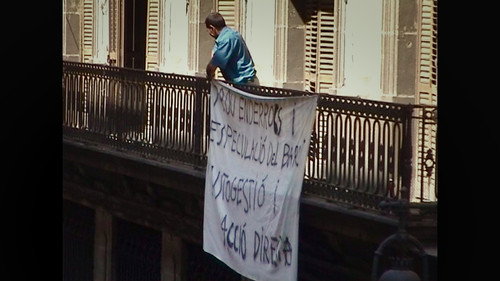
A home video camera observes everyday life from a balcony in Ciutat Vella. Over time, that same point of view reveals the shift from a lived-in neighborhood to a staged city, shaped by tourism, speculation, and surveillance.

No description available for this movie.
Accompanied by a lilting soundtrack, characters wander through London's concrete jungle as the narrator reflects on the current state of the city and her imagined future.

A small bingo hall is threatened by the opening of the country's largest bingo centre nearby.
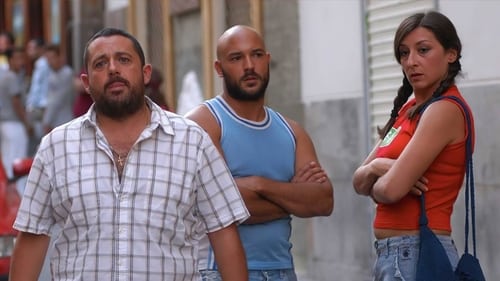
Victor works in a real estate agency in the well-known Chueca neighborhood of Madrid. He hides a terrible secret: he makes apartments available for sale by murdering the old ladies owners that live in them. Then, refurbishes and decorates the apartments to sell them to gay couples with high purchasing power. His ultimate objective is to transform Chueca into a kind of London Soho area.
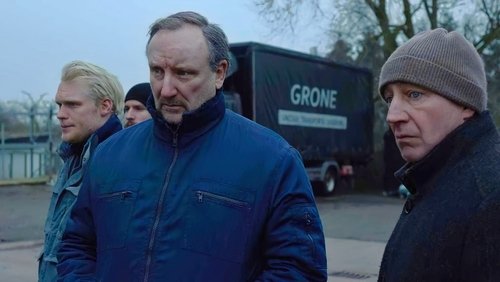
Walter is a 60-year-old removal man for forced evictions. He recognizes in one of the tenants about to be evicted his estranged son, Jan. In order to help Jan, Walter has to confront not only his crooked boss but also his own past.
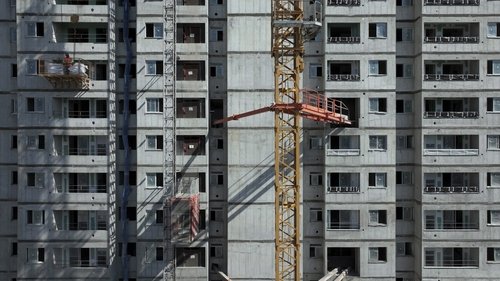
No description available for this movie.
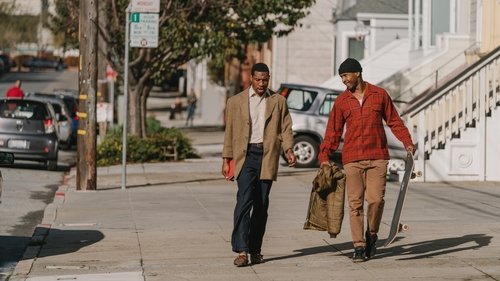
Jimmie Fails dreams of reclaiming the Victorian home his grandfather built in the heart of San Francisco. Joined on his quest by his best friend Mont, Jimmie searches for belonging in a rapidly changing city that seems to have left them behind.
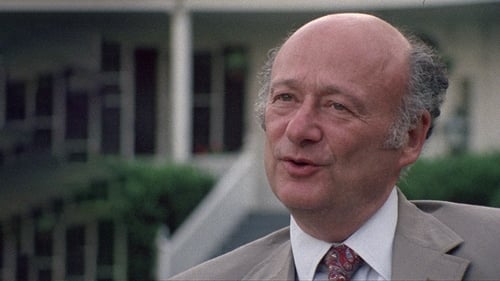
A film essay contrasting the modern metropolis with its "golden age" from 1830-1930, with the participation of some of New York's leading political and cultural figures. Made at a time when the city was experiencing unprecedented real estate development on the one hand and unforeseen displacement of population and deterioration on the other. Empire City is the story of two New Yorks. The film explores the precarious coexistence of the service-based midtown Manhattan corporate headquarters with the peripheral New York of undereducated minorities living in increasing alienation.
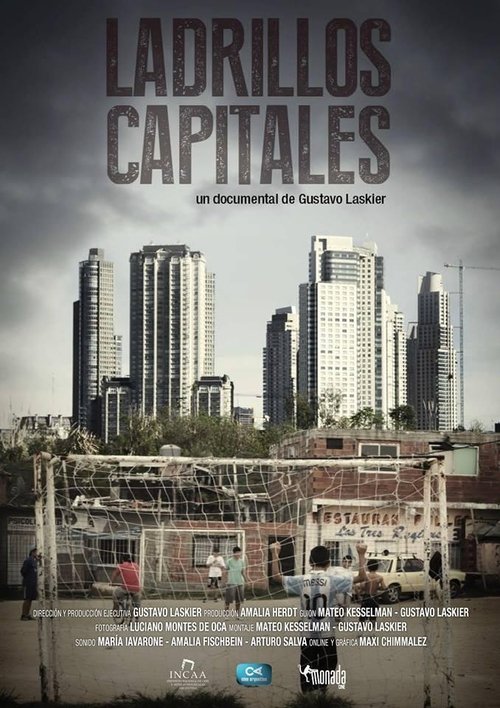
Villa Rodrigo Bueno, a poor neighborhood located on some sough after lands in Buenos Aires, in their struggle for urbanization and their fight against gentrification.
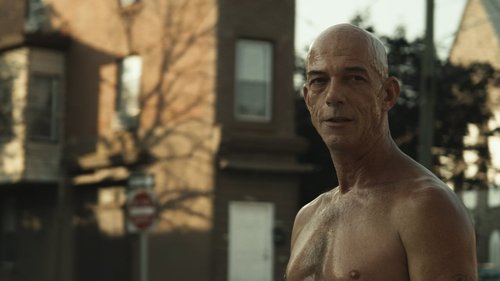
In the heart of the rapidly gentrifying Fishtown neighborhood of Philadelphia three streets meet to form a bustling intersection of born-and-raised locals and dilettante millennials. Dennis Bowers falls in the former camp. He grew up playing handball on that intersection and although he can no longer afford to live there, he still comes back every week to play on the same wall at age 50 that he did at age 12. Even if he doesn’t live in the neighborhood, it’ll always be his corner.