
Action
Adventure
Animation
Comedy
Crime
Documentary
Drama
Family
Fantasy
History
Horror
Music
Mystery
Romance
Science Fiction
Thriller
War
Western
Found 30 movies, 2 TV shows, and 0 people
Can't find what you're looking for?
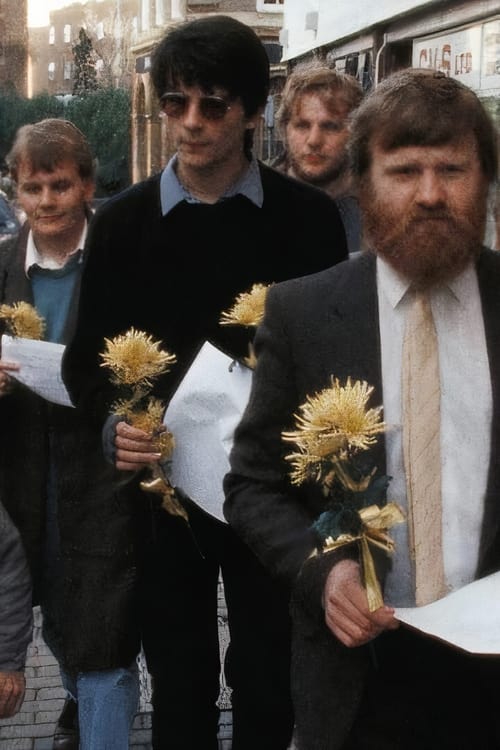
Two councils with two different approaches to LGBT rights.
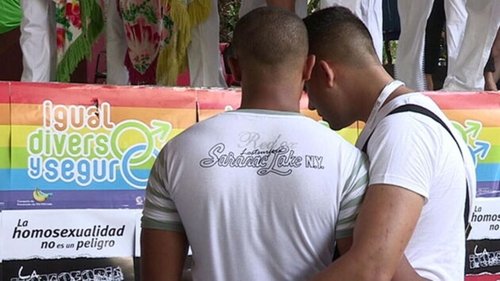
A global revolution is underway to obtain what UN Secretary General Ban Ki Moon and Barack Obama call ‘the final frontier in human rights’: the universal decriminalisation of homosexuality. After years of long diplomatic struggle, several world leaders have declared themselves in favour of the universal decriminalisation of homosexuality. But victory won’t come easily. The countries that still punish homosexuality refuse to give in to international pressure. Global acceptance and equality will take time to achieve.
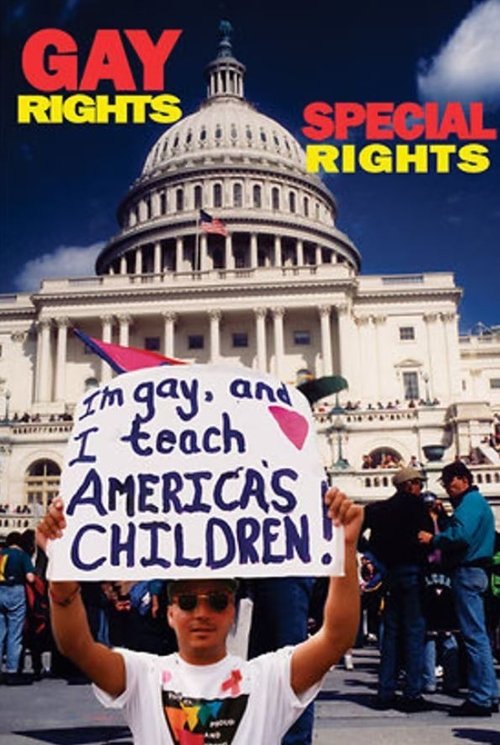
This film investigates not only agenda of the "gay" movement, but also the dangers of their behavior. Why does an average gay male only live to the age of 38? Does it have to do with the choice of lifestyle? This film tackles tough subjects that are hardly ever brought up in the church or home. Understand the facts, the reality of the situation, before a dogmatic opinion is made whether for, or against the gay rights movement.

In this 1987 documentary, the issue before the New York City Council is a resolution concerning gay rights. The voices of citizens and witnesses for and against this resolution are heard as they testify, and in interviews in the council chamber and on the sidewalk outside. Advocates on either side of the issue are shown to be earnest and sincere, and despite the fact that emotions are running high during the debate, basic civility somehow prevails.

The American Civil Liberties Union and Robert Greenwald present The ACLU Freedom Files, a revolutionary, 10-part series of documentaries that tells the stories of real people in America whose civil liberties were threatened and shows how they fought back.
In the year AIDS was first defined by the CDC, this 1982 program is a human rights debate between religious scholars and notable gay New Yorkers.

Follows the progress of the Euromaidan revolution from the perspective of LGBT Ukrainians. From accounts of exile and torture, to stories of resistance, this film shows a side of the conflict in Ukraine the world has not yet seen.
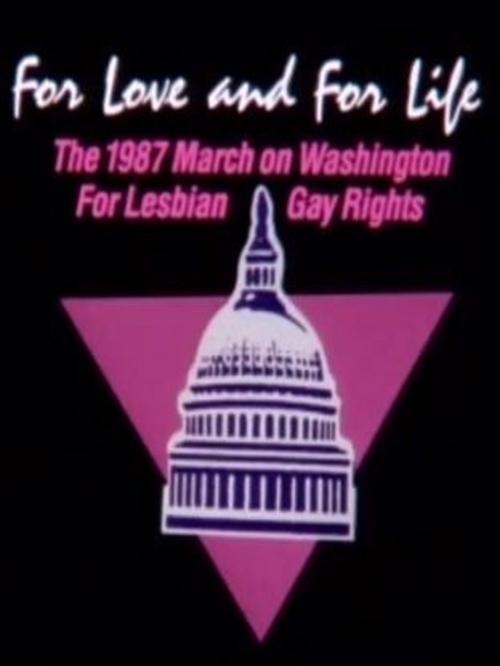
This film places the 1987 March on Washington in perspective among the major political events of our times. It recounts how the events were organized, and creates all the immediacy of being there. This exciting presentation explores all six days during which 650,000 lesbians, gay men and their supporters came to Washington, DC and made history. The inaugural display of the Names Project Quilt, the largest civil disobedience ever at the Supreme Court, the first community Wedding and the Harvey Milk Memorial are just some of the events highlighted from this historic March and Rally.
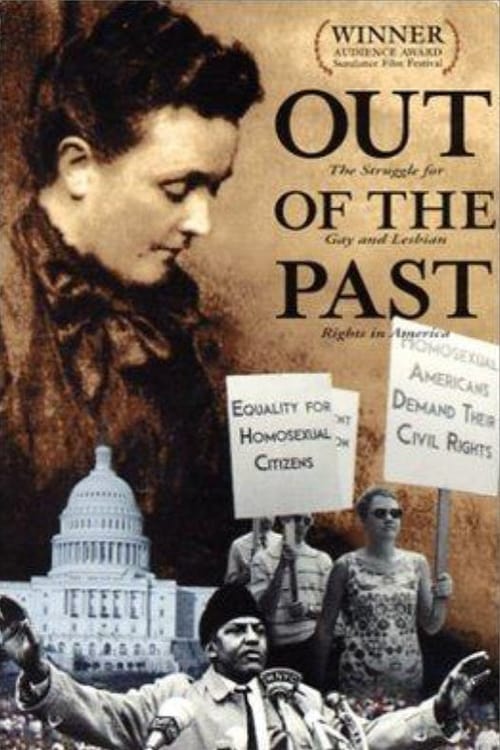
In 1995, Kelli Peterson started a gay and straight club at her Salt Lake City high school. The story of her ensuing battle with school authorities in interspersed with looks back at the diary of Michael Wigglesworth, a 17th-century Puritan cleric, at the 30-year love affair of Sarah Orne Jewett and Annie Adams Fields, at Henry Gerber's attempt after World War I to establish a gay-rights organization, at Bayard Rustin's role in the civil rights movement, and at Barbara Gittings' taking on of the American Psychiatric Association's position that homosexuality is illness. One person comments, "To create a place for ourselves in the present, we have to find ourselves in the past."
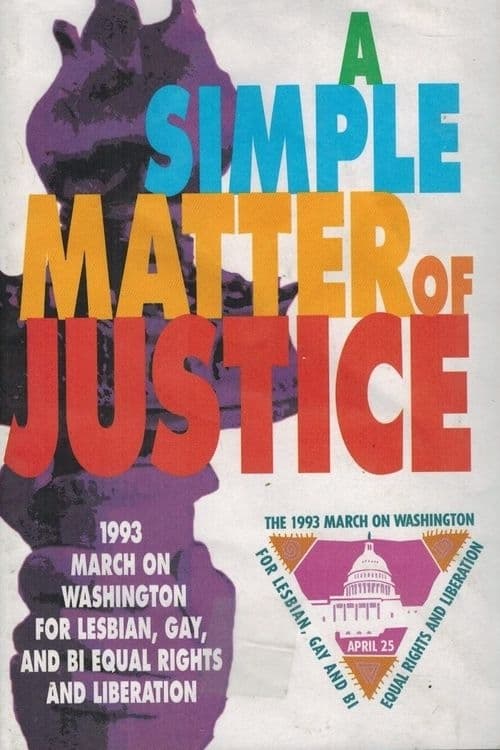
A powerful and moving piece documenting the lesbian, gay and bisexual movement in the early 1990s, A Simple Matter of Justice expresses all the emotions of the joyful protest that was the 1993 March on Washington. Sections on civil rights, AIDS and health care, the military and families are woven together from coverage of the music, comedy, speeches and marchers. Performers include Melissa Etheridge, RuPaul, BETTY, Holly Near and The Flirtations. Martina Navratilova, Sir Ian McKellan, Rev. Ben Chavis and Eartha Kitt are just a few of the speakers. Events include The Wedding, The Dyke March, ACT UP Hands Around the Capitol and a reunion of African-American veterans. A must-see for LGBTQ History.

The true story of Harvey Milk, the first openly gay man ever elected to public office. In San Francisco in the late 1970s, Harvey Milk becomes an activist for gay rights and inspires others to join him in his fight for equal rights that should be available to all Americans.
The Advocate for Fagdom unites the puzzle pieces one by one. Testimonies are combined with rare archive images. Art galeries present movie extracts that are succeeded by images shot on location. And the other way round. Writers, film makers, art galeries owners, actors and actresses, photographers, producers, friends and loved ones all join in a game of interpretation, analysis or simple anecdotes. John Waters, Bruce Benderson, Harmony Korine, Gus Van Sant, Richard Kern, Rick Castro and others deliver their impressions, theories and confessions. Everything blends into the fascinating portrait of a singular person blessed with singular talents. A complex personality at war not with a system but all systems. The portrait of a man constantly moving between his punk attitude and extreme sensibility.
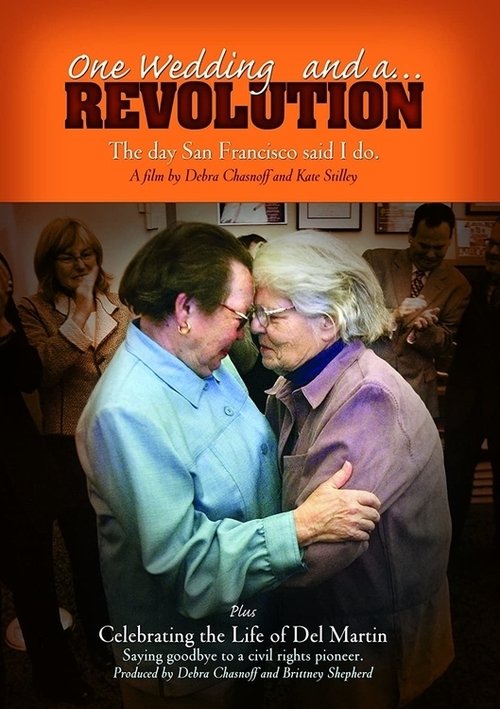
This short film reveals the inspiration, motivation and political challenges at San Francisco City Hall during the frantic days leading up to the first government-sanctioned same-sex marriage.
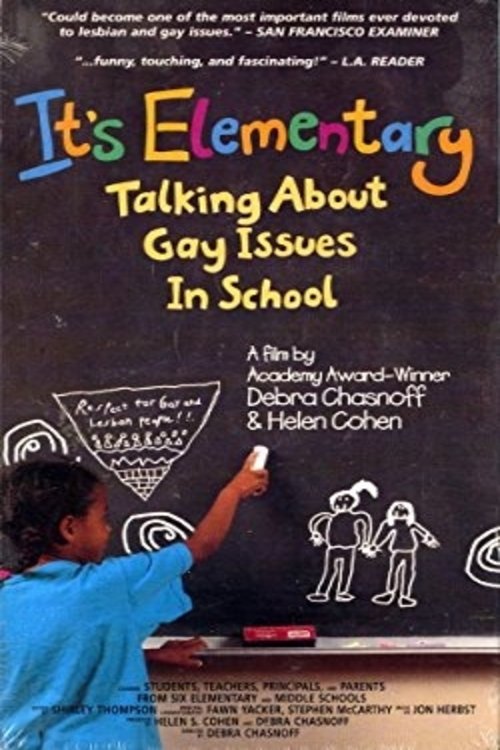
Depicts what happens when students K-8 discuss LGBT-related topics in age-appropriate ways. Shot in six public and private schools (in San Francisco and New York City, as well as Madison, Wisconsin, and Cambridge, Massachusetts), It’s Elementary models excellent teaching about family diversity, name-calling, stereotypes, community building, and more.
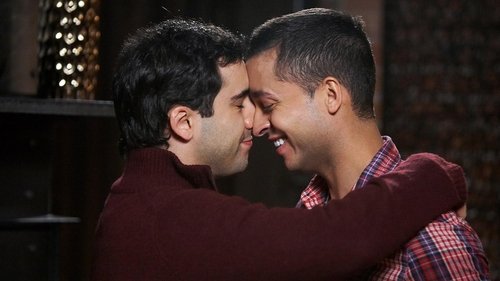
Nelson and Angelo, a gay couple, decide to come out to their parents. However, when they do so, their parents find it difficult to cope with the news.
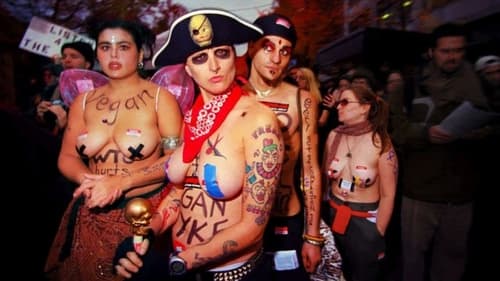
A documentary on Queercore, the cultural and social movement that began as an offshoot of punk and was distinguished by its discontent with society's disapproval of the gay, bisexual, lesbian and transgender communities.
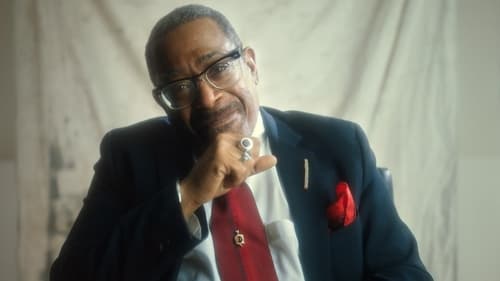
In 1992, at the height of the AIDS pandemic, activist Terence Alan Smith made a historic bid for president of the United States as his drag queen persona Joan Jett Blakk. Today, Smith reflects back on his seminal civil rights campaign and its place in American history.
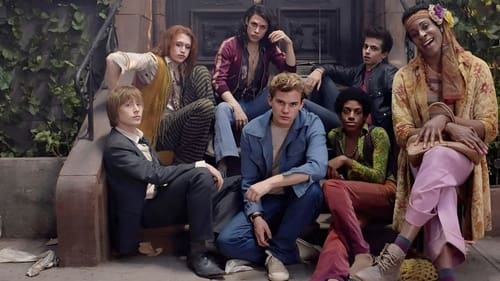
Kicked out by his parents, a gay teenager leaves small-town Indiana for New York's Greenwich Village, where growing discrimination against the gay community leads to riots on June 28, 1969.
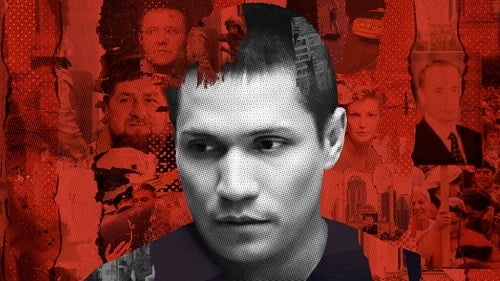
This searing investigative work shadows a group of activists risking unimaginable peril to confront the ongoing anti-LGBTQ program raging in the repressive and closed Russian republic. Unfettered access and a remarkable approach to protecting anonymity exposes this under-reported atrocity–and an extraordinary group of people confronting evil.
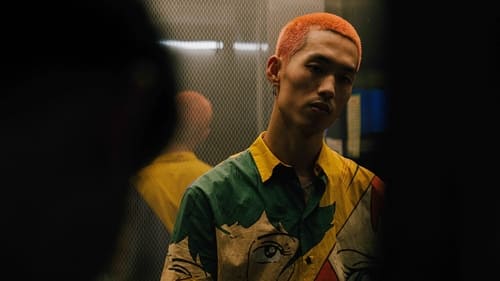
During spring break, Qizhe’s double life unravels as a secret online connection clashes with his role as the “perfect” son at home.
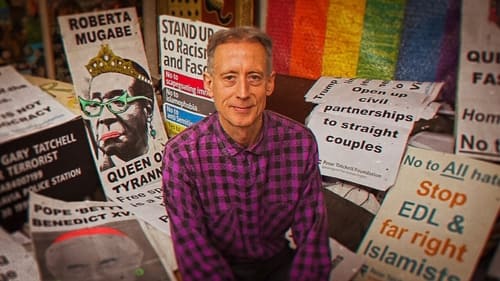
The powerful and inspiring true story of the controversial human rights campaigner whose provocative acts of civil diso bedience rocked the British establishment, revolutionised attitudes to homosexuality and exposed world tyrants. As social attitudes change and history vindicates Peter's stance on gay rights, his David versus Goliath battles gradually win him status as a national treasure. The film follows Peter as he embarks on his riskiest crusade yet by seeking to disrupt the FIFA World Cup in Moscow to draw attention to the persecution of LGBT+ people in Russia and Chechnya.

Roberto and Miguel have been dating for ten years. A decade of that common life will return to their memories during four days of November. A seemingly strong relationship will start to crumble with each new memory. This increasingly significant life backgroung will show, little by little, the true nature of their shared life. Meanwhile, more than 2000 kilometres apart, in The Two Berlins, a greater relationship is about to change too. In the deep of a relationship lie hidden feelings forged by a common past. Secrets and resentments that the rest of the world can not see, separated by a wall that seems unbeatable. The wall separating Roberto and Miguel was not the only wall that fell down that cold November night.
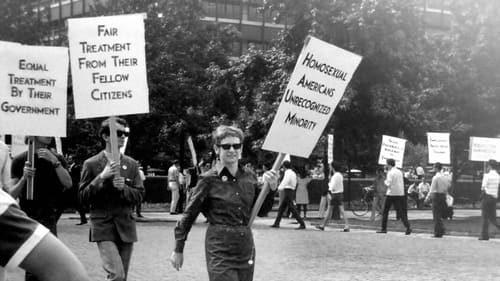
Mentally ill. Deviant. Diseased. And in need of a cure. These were among the terms psychiatrists used to describe gay women and men in the 1950s, 1960s, and early 1970s. And as long as they were “sick”, progress toward equality was impossible. This documentary chronicles the battle waged by a small group of activists who declared war against a formidable institution – and won a crucial victory in the modern movement for LGBTQIA+ equality.

The first major uprising against police brutality, harassment, and societal oppression was not at Stonewall in 1969, but at Compton's Cafeteria in San Francisco three years earlier. Those who stood up were trans women and gay men. Now, nearly 40 years on, Susan Stryker and Victor Silverman tell the story of this oft-overlooked event in the history of American civil rights.
The story of a young gay man who faced persecution due to his sexuality and made a frightening journey to the UK with just a suitcase.

Over the course of a year, film follows Vancouver Pride Society president Ken Coolen to various international Pride events, including Poland, Hungary, Russia, Sri Lanka and others where there is great opposition to pride parades. In North America, Pride is complicated by commercialization and a sense that the festivals are turning away from their political roots toward tourism, party promotion and entertainment. Christie documents the ways larger, more mainstream Pride events have supported the global Pride movement and how human rights components are being added to more established events. In the New York sequence, leaders organize an alternative Pride parade, the Drag March, set up to protest the corporatization of New York Pride. A parade in São Paulo, the world's largest Pride festival, itself includes a completely empty float, meant to symbolize all those lost to HIV and to anti-gay violence.
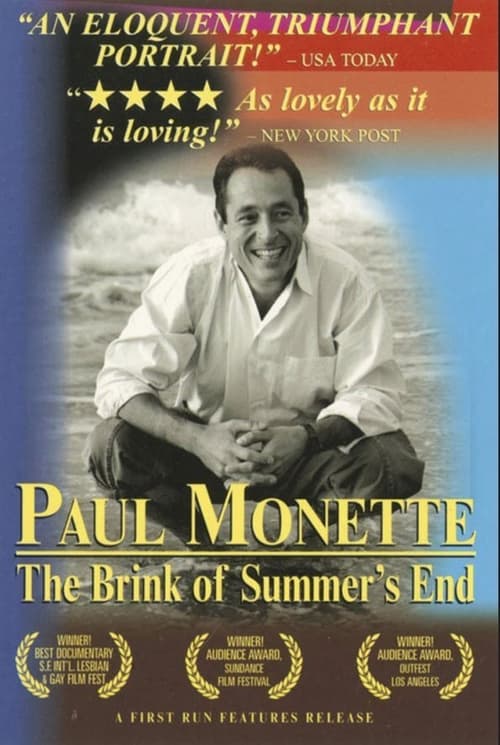
Narrated by Linda Hunt, this documentary examines the life of the late author and gay rights activist Paul Monette. Born in 1945 to a well-off Massachusetts family, Monette grows up unable to accept his homosexuality, for years hiding it from his loved ones while struggling to develop as a writer. In 1978, Monette publishes his first novel, which allows him to come out to his parents. After losing one lover to AIDS in 1986, he becomes a ferocious advocate for awareness of the disease.
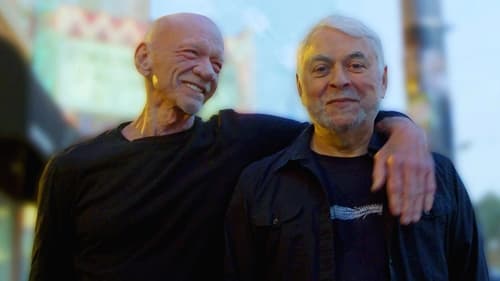
Art Johnston and Pepe Peña are civil rights leaders whose life and love is a force behind LGBTQ+ equality in the heart of the country. Their iconic gay bar, Sidetrack, has helped fuel movements and create community for decades in Chicago's queer enclave. But, behind the business and their historic activism exists a love unlike any other.
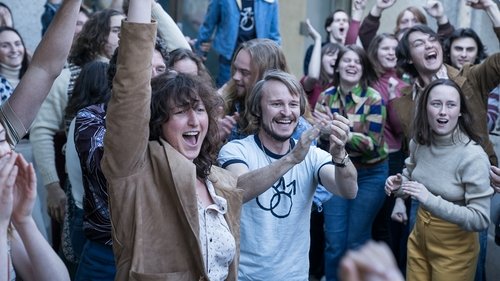
A look at the 1970s Gay Rights Movement in Australia through the eyes of dedicated activist Lance Gowland. As Lance deals with his sexuality, he must also juggle work, family and relationships.
Documentary short documents the “Reminder Day Picket” at Independence Hall, Philadelphia, on July 4, 1968.