
Action
Adventure
Animation
Comedy
Crime
Documentary
Drama
Family
Fantasy
History
Horror
Music
Mystery
Romance
Science Fiction
Thriller
War
Western
Found 21 movies, 4 TV shows, and 0 people
Can't find what you're looking for?
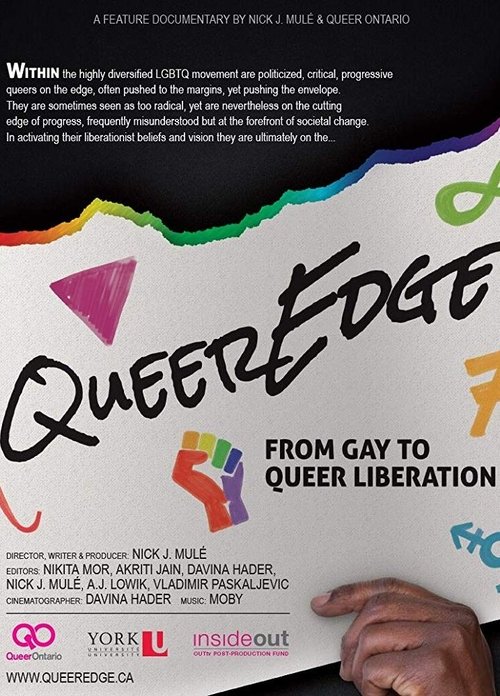
This feature documentary links the principles and tenets of gay liberation in the Stonewall era to today's queer liberation movement. Over 30 academics, activists and artists share in-depth insights on their queer liberation sensibilities. From historical referencing to contemporary and modern day issues affecting the LGBTQ communities, revealed is an internal divide between those who have sought and are content with equality and those who challenge mainstreaming and continue to fight for liberation. A critical, socio-political analysis of gender and sexual politics is provided, highlighting the importance of maintaining a liberationist perspective for the LGBTQ movement.
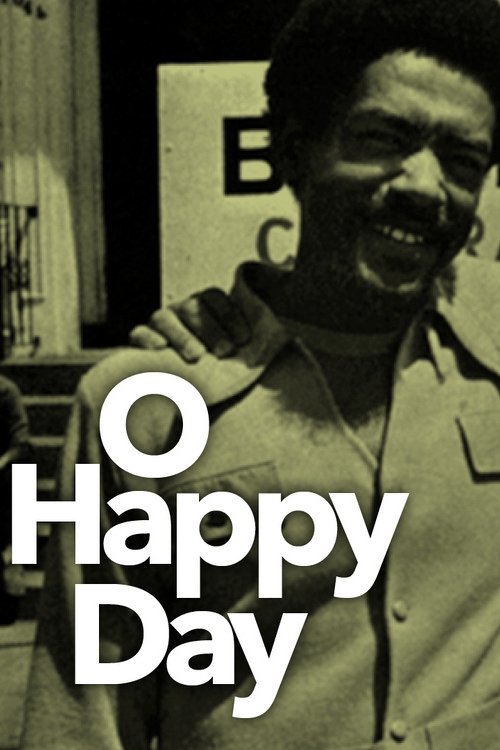
The seminal short film O Happy Day imagines the early days of gay liberation for black gay men. Lofton juxtaposes images of black men from late 60s and early 70s films with images of Black Panther Party demonstrations, as a way of intentionally revising history. The soundtrack is punctuated by a 1970 quotation from Black Panther leader Huey Newton: "There's nothing to say that a homosexual cannot also be a revolutionary. Quite on the contrary, maybe a homosexual could be the most revolutionary..." O Happy Day blurs the difference between the Black Power movement and the Gay Power movement, and instead focuses on the similarities between the two.
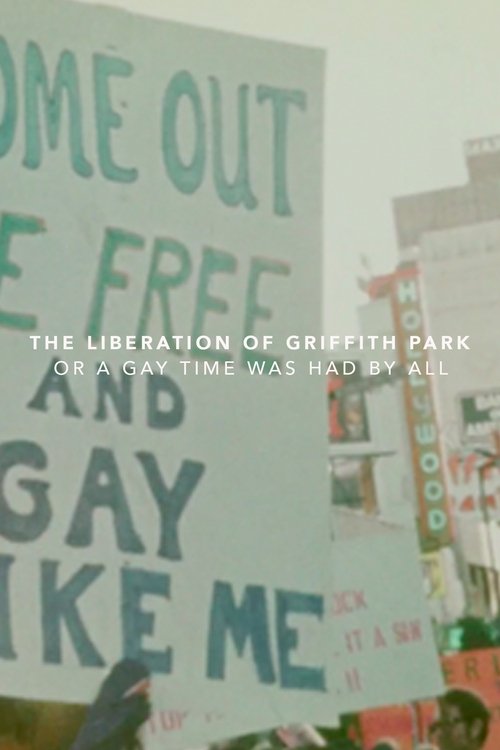
A twist on the hippie movement’s spirited outdoor gatherings, Los Angeles’ first “Gay-In”s took place in Griffith Park in the early 1970s. This short is a rare document of both the visions of revelry and bypassing voices of dissent as gays and lesbians first began to publicly celebrate their identities.
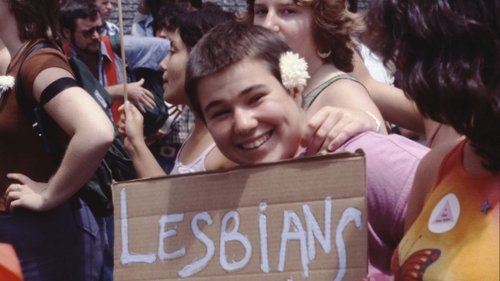
Documentary about the gay rights movement during the year of 1977, capturing the intersections of diversity in queer life; from vox pop style interviews with lesbian feminists, street drag queens, and straight allies to taking a look at the fight against Anita Bryant and her notorious "Save Our Children" campaign.
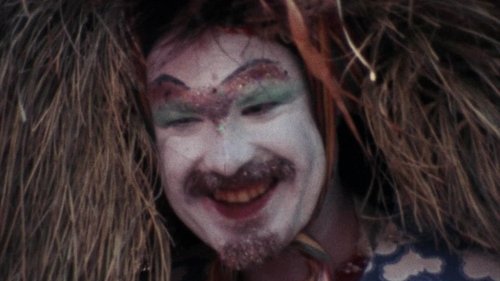
A short film on the first Gay Pride March in San Francisco in 1971 the year after the Stonewall Riots. This film was lost for 50 years before it was found and restored by SF Art & Film.
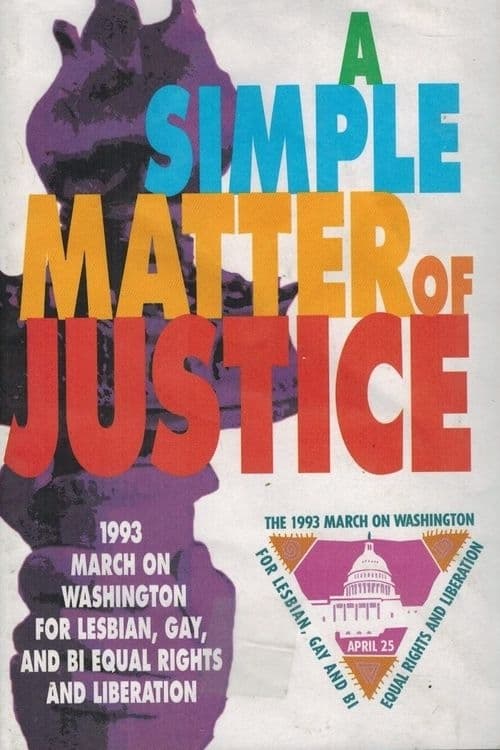
A powerful and moving piece documenting the lesbian, gay and bisexual movement in the early 1990s, A Simple Matter of Justice expresses all the emotions of the joyful protest that was the 1993 March on Washington. Sections on civil rights, AIDS and health care, the military and families are woven together from coverage of the music, comedy, speeches and marchers. Performers include Melissa Etheridge, RuPaul, BETTY, Holly Near and The Flirtations. Martina Navratilova, Sir Ian McKellan, Rev. Ben Chavis and Eartha Kitt are just a few of the speakers. Events include The Wedding, The Dyke March, ACT UP Hands Around the Capitol and a reunion of African-American veterans. A must-see for LGBTQ History.
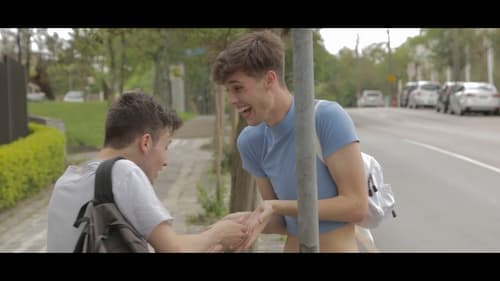
Luiz is a high school student who, by neglecting his studies, gets a failing grade. To help him, the teacher gives Toni the mission to teach the student the unlearned material. However, Luiz has a history of school violence against Toni. Putting aside the past the two accept the challenge given by the teacher and end up living an unpretentious romance.
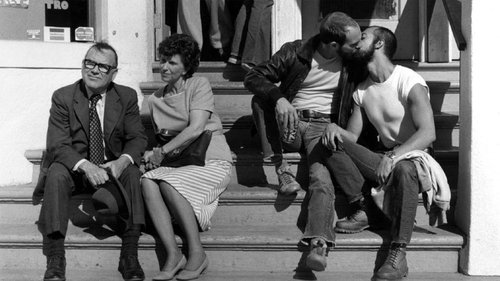
A reflective look at the arrival and impact of AIDS in San Francisco and how individuals rose to the occasion during the first years of the crisis.
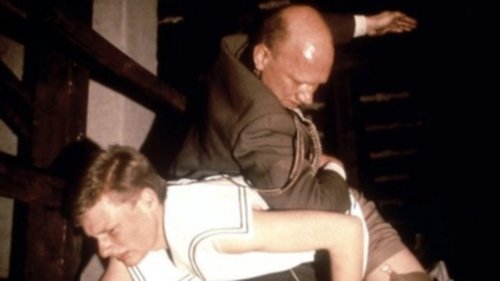
The life story of Charlotte von Mahlsdorf, who survived the Nazi reign as a trans woman and helped start the German gay liberation movement. Documentary with some dramatized scenes. Two actors play the young and middle aged Charlotte and she plays herself in the later years.

The formation of the Gay Black Group was a landmark in gay black history. Meeting at Gay's the Word, a bookshop in Bloomsbury, London, it provided a sounding board and support for gay and black communities of the 1980s.
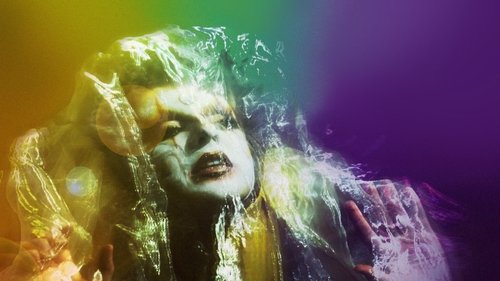
A documentary following three young nascent drag artists as they navigate a rising queer scene in Norwich City - a place wherein they express their queerness and identities freely through performance, visual artistry, and community.
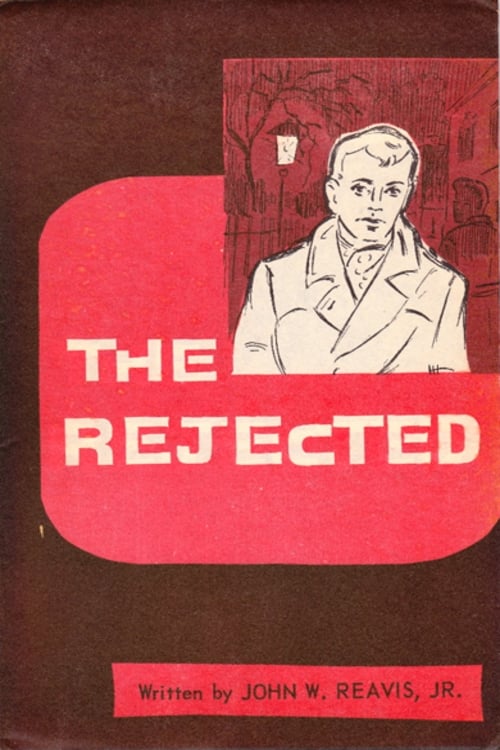
The Rejected is a made-for-television documentary film about homosexuality, the first of its kind to be broadcast on American television. It was first shown on KQED on September 11, 1961, and was later syndicated to National Educational Television (NET) stations across the United States, receiving positive critical reviews.

A lonely gay man discovers friends, love and activism in this rediscovered educational film made by the Campaign for Homosexual Equality.
The first-ever Disney+ "This Is Me" Pride Celebration Spectacular, hosted by Nina West and directed by Ann Marie Pace, with incredible musical performances by Alex Newell, DCappella, Frankie Rodriguez and Joe Serafini, Hayley Kiyoko, Jackie Cox, Jesse James Keitel, Kermit the Frog, Michael James Scott, Todrick Hall, and Nina West.
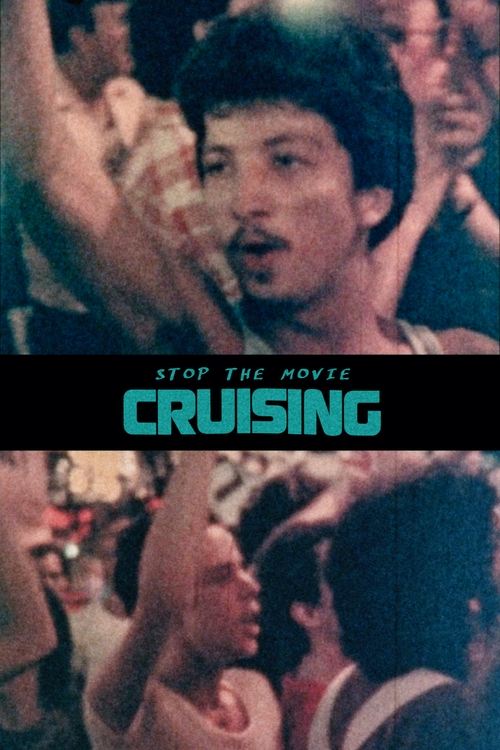
A short film documenting street protests against the filming of William Friedkin's Cruising (1980)
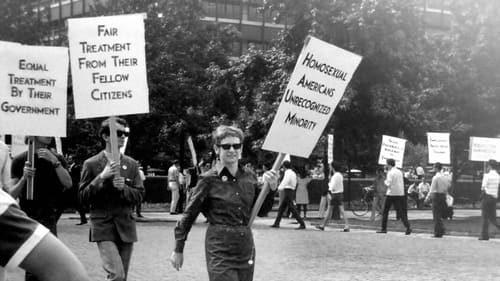
Mentally ill. Deviant. Diseased. And in need of a cure. These were among the terms psychiatrists used to describe gay women and men in the 1950s, 1960s, and early 1970s. And as long as they were “sick”, progress toward equality was impossible. This documentary chronicles the battle waged by a small group of activists who declared war against a formidable institution – and won a crucial victory in the modern movement for LGBTQIA+ equality.
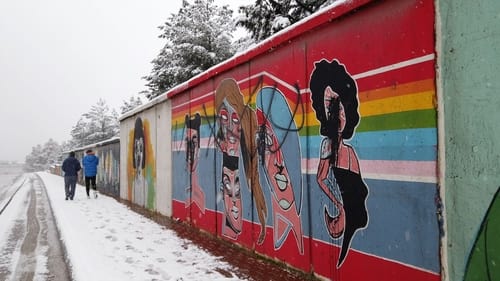
For Iraq's LGBTQ community, life is dangerous. Anna Foster meets three young LGBTQ people and hears about the abuses they've experienced and their hopes for the future.
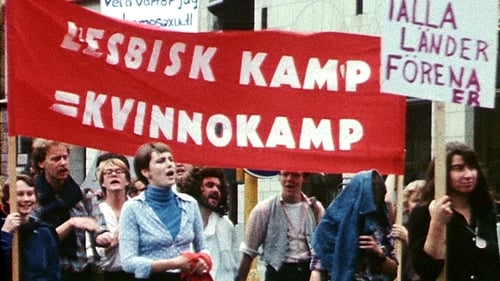
Documentary about the fight for LGBTQ-rights in Sweden during the 1970s.

Gerardo is a gay newspaper editor in the 1980s who faces a dilemma that could define his way of life.

They were called "the 175s". These men were sometimes arrested while making love, often at work, or the police picked them up from home. A few hours later, they were often already in custody, and it was usually not long before they were dismissed by their employer. Their crime: consensual sex between adult men. This was a violation of Paragraph 175, which stated that "unnatural fornication committed between persons of the male sex" was punishable by imprisonment. This is what the German Criminal Code said when it was introduced in 1871.
Perry J. Watkins was drafted into the U.S. Army in 1968 and served 15 years reaching the rank of sergeant. He was also openly gay, even to the point of doing drag shows on base. He was discharged in 1982 but fought for reinstatement and the United States Supreme Court ruled in his favor. This is his story.