
Action
Adventure
Animation
Comedy
Crime
Documentary
Drama
Family
Fantasy
History
Horror
Music
Mystery
Romance
Science Fiction
Thriller
War
Western
Found 20 movies, 4 TV shows, and 0 people
Can't find what you're looking for?
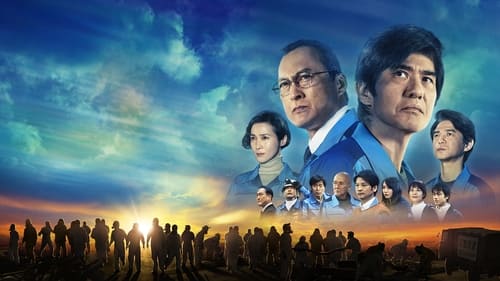
Workers at the Fukushima Daiichi facility in Japan risk their lives and stay at the nuclear power plant to prevent total destruction after the region is devastated by an earthquake and tsunami in 2011.
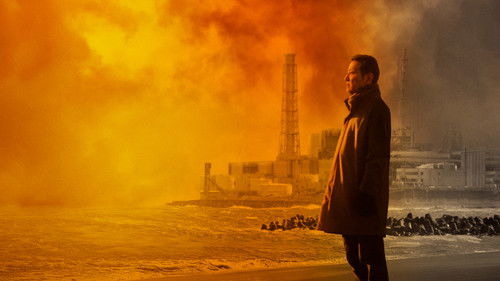
The definitive account of Japan’s struggle as it faced a nuclear catastrophe while still reeling from the devastation of an earthquake and tsunami.
Oscar-winning composer Ryuichi Sakamoto weaves man-made and natural sounds together in his works. His anti-nuclear activism grew after the 2011 Fukushima disaster, and his career only paused after a 2014 cancer diagnosis.
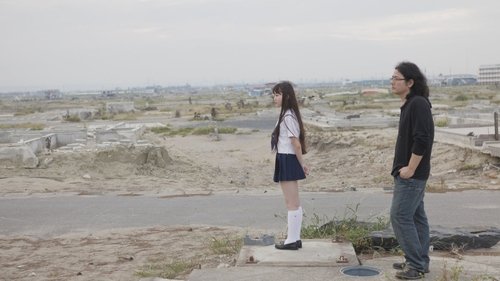
In March 2011, Japan was struck by a catastrophic earthquake, with the devastating tsunami that followed causing a meltdown at the Fukushima nuclear power station that sent ripples of discontent throughout the country. Director Iwai Shunji's Friends after 3.11 (2011) is a deeply personal documentary which uses the statements of some of his closest friends to express the views of a society in a state of political despondency.
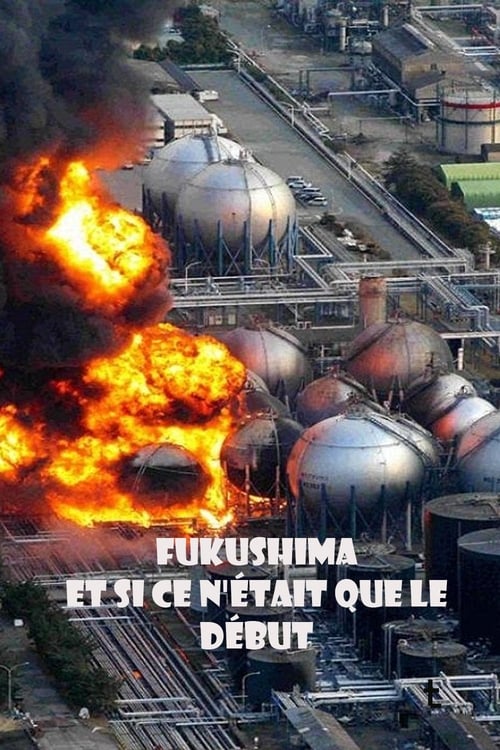
Six months after the explosions at the Fukushima nuclear plant and the release of radiation there, Professor Jim Al-Khalili sets out to discover whether nuclear power is safe. He begins in Japan, where he meets some of the tens of thousands of people who have been evacuated from the exclusion zone. He travels to an abandoned village just outside the zone to witness a nuclear clean-up operation. Jim draws on the latest scientific findings from Japan and from the previous explosion at Chernobyl to understand how dangerous the release of radiation is likely to be and what that means for our trust in nuclear power.
The Radiant explores the aftermath of March 11, 2011, when the Tohoku earthquake triggered a tsunami that killed many thousands and caused the partial meltdown of the Fukushima Daiichi nuclear power plant on the east coast of Japan. Burdened by the difficult task of representing the invisible aftermath of nuclear fallout, The Radiant travels through time and space to invoke the historical promises of nuclear energy and the threats of radiation that converge in Japan in the months immediately following the disaster.
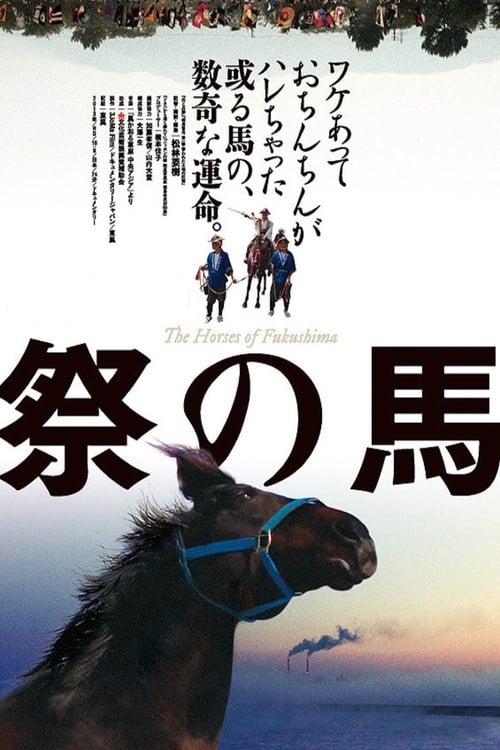
Fukushima's Minami-soma has a ten-centuries-long tradition of holding the Soma Nomaoi ("chasing wild horses") festival to celebrate the horse's great contribution to human society. Following the meltdown of the Fukushima Daiichi Nuclear Power Plant in the wake of the March 11, 2011 earthquake and tsunami, local people were forced to flee the area. Rancher Shinichiro Tanaka returned to find his horses dead or starving, and refused to obey the government's orders to kill them. While many racehorses are slaughtered for horsemeat, his horses had been subjected to radiation and were inedible. Yoju Matsubayashi, whose "Fukushima: Memories of the Lost Landscape" is one of the most impressive documentaries made immediately after the disaster, spent the summer of 2011 helping Tanaka take care of his horses. In documenting their rehabilitation, he has produced a profound meditation on these animals who live as testaments to the tragic bargain human society made with nuclear power.
No description available for this movie.
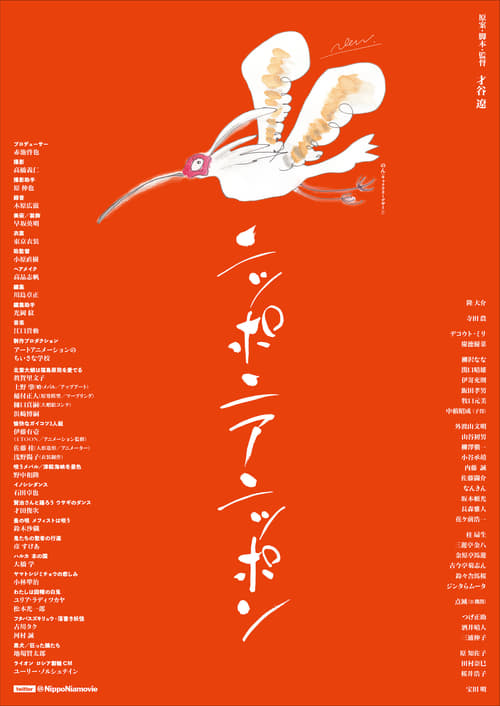
Naraho town in Fukushima Prefecture is on the front-line of the government-funded nuclear power plant decommissioning work. Kokuhei Kusunoki is transferred from Aizu Wakamatsu City to Naraho Town to take over the Disaster PR Division. Murai takes Kokuhei around Fukushima including areas washed away by the tsunami. They examine the still incomplete railway lines, the unfinished decontamination area and villages in the danger zone, where deadly cesium continues to pile up. One day Kokuhei is told to organize a party to celebrate the professor who has been appointed as deputy director of the Atomic Energy Research Institute.

The young French environmentalist and Member of the European Parliament Yannick Jadot wonders how the wounded nuclear beast might still have a bright future ahead after Fukushima. A few weeks after this terrible accident, and while there is no time to lose, Yannick Jadot negotiates at the European Parliament for better security for the most nuclearized continent on the planet, whereas the majority political parties try to rationalize this extraordinary event. At the same time, the young deputy is an advisor to Eva Joly, the candidate for the presidential primary in the Ecologist party. They try to make visible and audible the necessity to abandon the atom during the campaign for the French presidential elections. But very soon he finds himself caught up in the spiral of events, strategy, polls and fake alliances.
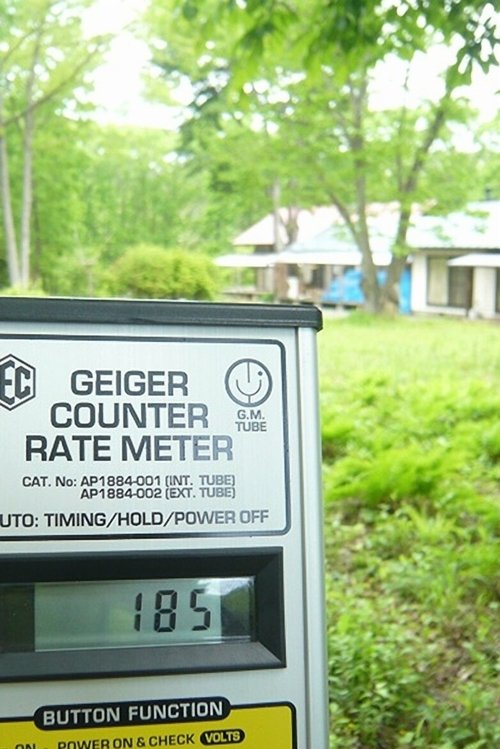
Ten years after Fukushima nuclear accident, a familiy returns every month at their home to measure the radiation with a Geiger counter.
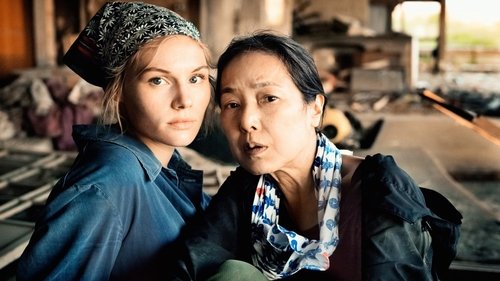
A young German woman bonds with an elderly Japanese woman while touring the Fukushima region of Japan in the aftermath of the 2011 earthquake.

The exciting story of the splitting of the atom, a scientific breakthrough of incalculable importance that ushered in the nuclear age, has a dark side: the many events in which people were exposed to radiation, both intentionally and by accident.
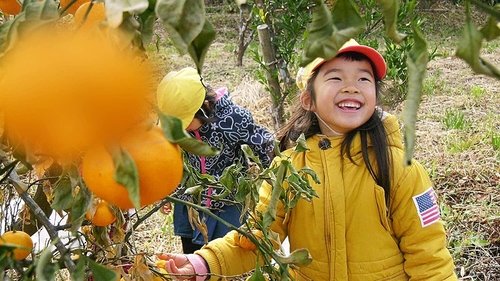
A documentary about the people of Hirono, a city located 20 km away from the Fukushima Daiichi Nuclear Power Station. Immediately after the Great East Japan Earthquake, the whole town was forced to evacuate. In 2019, 80% of the population at the time of the earthquake is back in town.
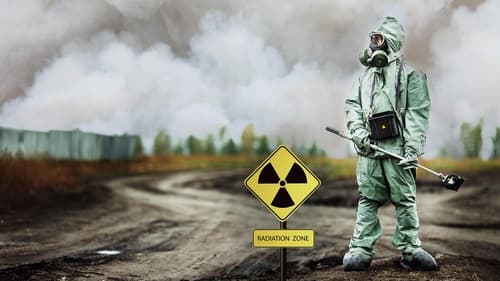
30 years after the Chernobyl catastrophe and 5 years after Fukushima it is time to see what has been happening in the “exclusion zones” where the radioactivity rate is far above normal.
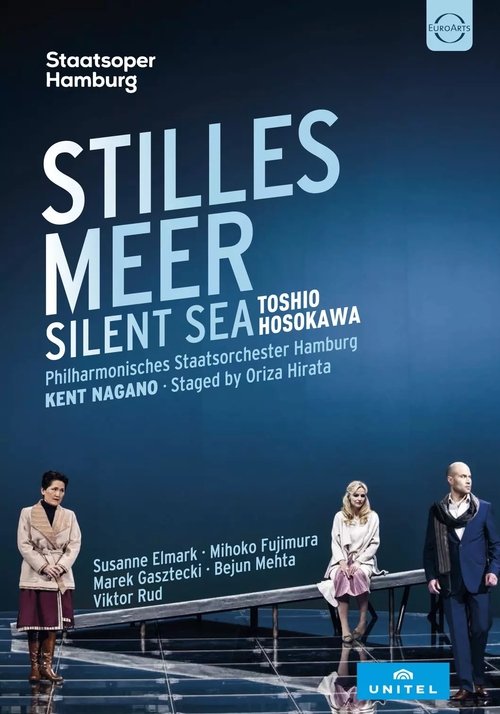
A filmed performance of the January 2016 world premiere production of Toshio Hosokawa's opera dedicated to the victims of the 2011 earthquake and tsunami.
December 21, 2015. The image of a fox was captured by a camera inside the unit 2 building at Fukushima No.1 nuclear power plant... A film-essay about contemporary Japan in the aftermath of March 2011 earthquake.
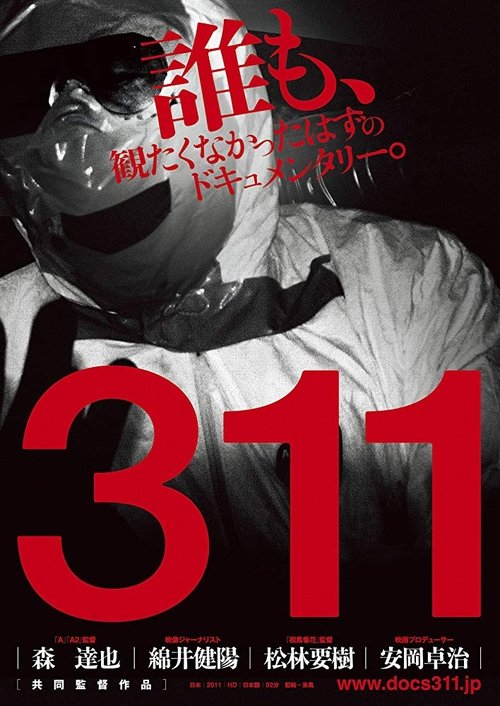
Two weeks after the earthquake, writer and movie director Tatsuya Mori, journalist Takeharu Watai, movie director Yojyu Matsubayashi, and movie producer Takuji Yasuoka, headed for the disaster stricken area, not thinking this film would become a production. "Only to confirm the situation" was their common objective.
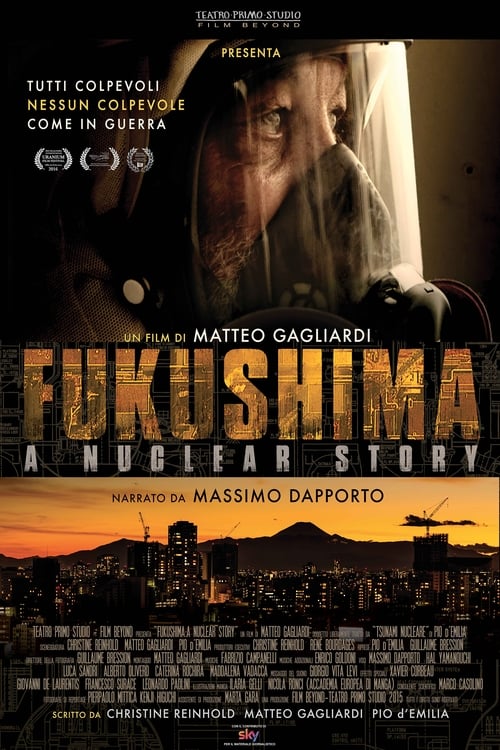
A powerful documentary that sheds some light on what really happened at the Fukushima nuclear power plant after the 2011 earthquake and the tsunami that immediately followed. A powerful documentary - shot from March 11th, 2011 through March 2015 - that sheds some light on what really happened at the Fukushima nuclear power plant after the 2011 earthquake and the tsunami that followed.
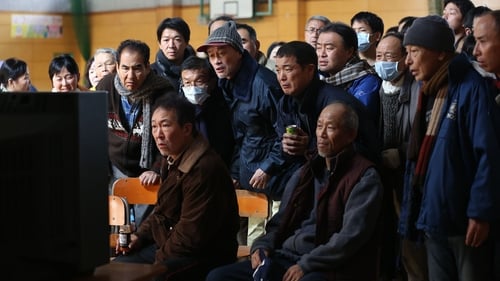
At 2:46 PM on March 11, 2011, the Fukushima Daiichi Nuclear Power Plant experiences a black out due to the aftermath of the Tōhoku earthquake and tsunami. The cooling system fails at the nuclear power plant and the temperature of the nuclear reactor rises. The worst case is coming. Scientists face an unexpected situation and government officials are confused by lack of information. Residents says goodbye to their hometown before evacuating.