
Action
Adventure
Animation
Comedy
Crime
Documentary
Drama
Family
Fantasy
History
Horror
Music
Mystery
Romance
Science Fiction
Thriller
War
Western
Found 23 movies, 20 TV shows, and 0 people
Can't find what you're looking for?
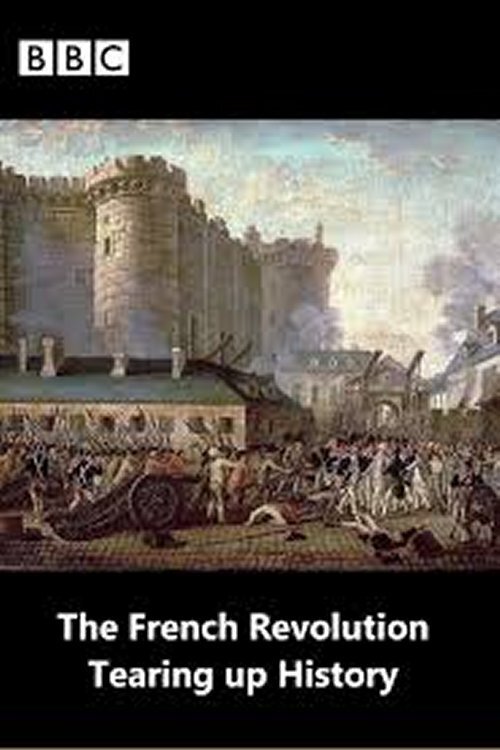
In this documentary, filmed on location in Paris, Richard Clay argues that the French Revolution of 1789 was not quite as clear-cut in terms of its progress as might first have been assumed

In the early 2000s, the landscape of French rap undergoes a transformation, opening up to new horizons. A look at the birth, evolution, and legacy of an original rap that left a mark with its boldness and the novelty of its sounds and themes.
On July 14, 1789, a mob of angry Parisians stormed the Bastille and seized the King's military stores. A decade of idealism, war, murder, and carnage followed, bringing about the end of feudalism and the rise of equality and a new world order. The French Revolution is a definitive feature-length documentary that encapsulates this heady (and often headless) period in Western civilization. With dramatic reenactments, illustrations, and paintings from the era, plus revealing accounts from journals and expert commentary from historians, The French Revolution vividly unfurls in a maelstrom of violence, discontent, and fundamental change. King Louis XVI, Marie Antoinette, Maximilien Robespierre, and Napoleon Bonaparte lead a cast of thousands in this essential program from THE HISTORY CHANNEL®. Narrated by Edward Herrmann (The Aviator, Gilmore Girls), The French Revolution explores the legacy that--now more than ever--stands as both a warning and a guidepost to a new millennium
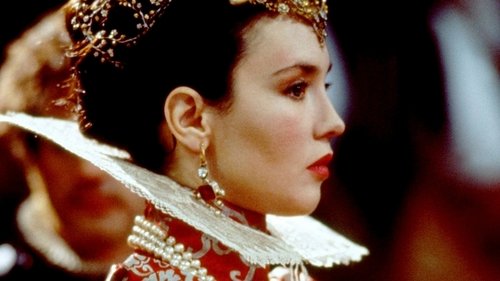
Paris, Kingdom of France, August 18, 1572. To avoid the outbreak of a religious war, the Catholic princess Marguerite de Valois, sister of the feeble King Charles IX, marries the Huguenot King Henry III of Navarre.
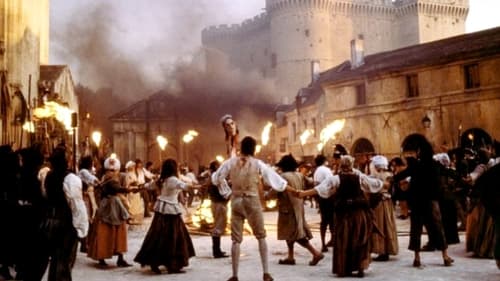
A history of the French Revolution beginning from the decision of the king to convene the Etats-Generaux in 1789 in order to deal with France's debt problem. Part one spans the event until August 10, 1792 (when the King Louis XVI lost all authority and was imprisoned). Part two carries the story through the end of the terror in 1794.
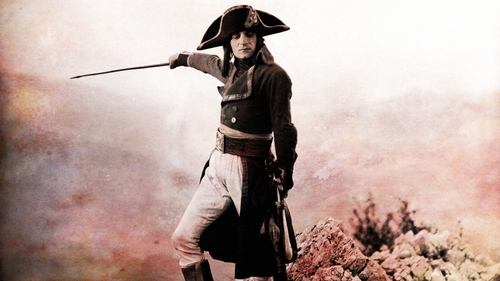
A biopic of Napoleon Bonaparte, tracing the Corsican's career from his schooldays (where a snowball fight is staged like a military campaign) to his flight from Corsica, through the French Revolution (where a real storm is intercut with a political storm) and the Terror, culminating in his triumphant invasion of Italy in 1797.
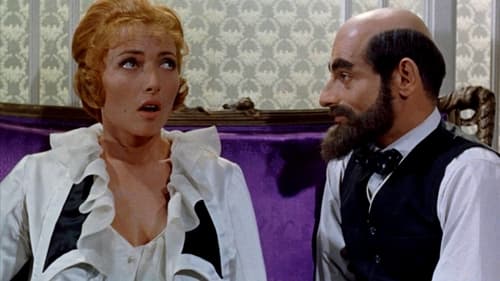
Paris, France, during the First World War. While thousands of soldiers die every day on the battlefields, Henri Landru, a seemingly respectable furniture dealer, married and father of four children, relentlessly feeds his own sinister factory of death.
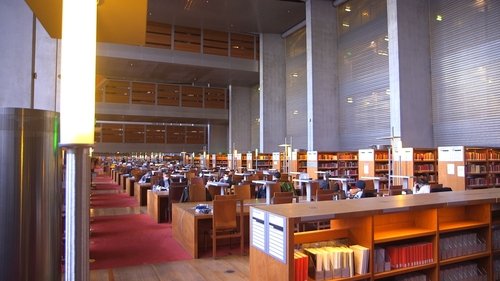
The National Library of France is the guardian of priceless treasures that tell our history, our illustrious thinkers, writers, scholars and artists. Telling the story of the exceptional treasures of the National Library of France is like opening a great history book rich in many twists and turns. Without the love of the kings of France for books and precious objects, this institution would never have seen the light of day. The story begins in the 14th century under the reign of a passionate writer, Charles V, who set up a library in his apartments in the Louvre. But it was not until the 17th century, and the reign of Louis XIV, a lover of the arts and letters, that the royal library took over its historic quarters in the rue Vivienne in Paris, which it still occupies.
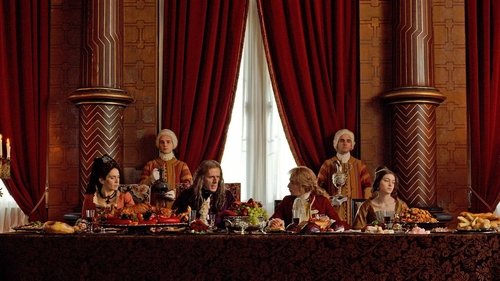
After many years of confrontation, the treasures of Spain and France are empty. In 1721, the regent of France draws up an ambitious plan to inaugurate an era of peace and prosperity that will heal the economies of both nations: his intention is to build a solid network of marriage alliances that will involve four children of very different ages who know nothing of betrayals and power games…
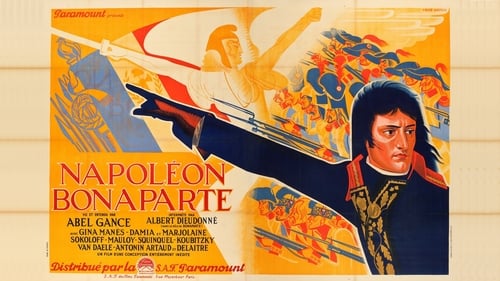
A second version of Gance's Napoléon, with sound.
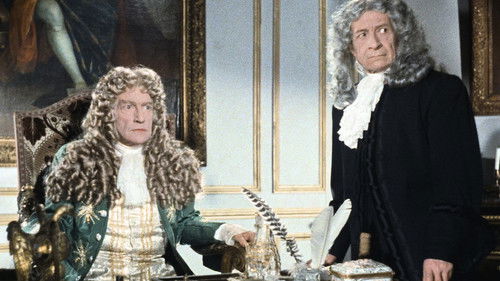
Witty narration follows the history of Versailles Palace; founded by Louis XIII, enlarged by autocratic Louis XIV, whose personal affairs and amours, and those of his two successors, are pursued in more detail to the start of the Revolution, after which the story is brought rapidly up to date.

A study of ruins of a fortified castle placed in the village of Seyssuel during two days of shooting and understanding of the moving light
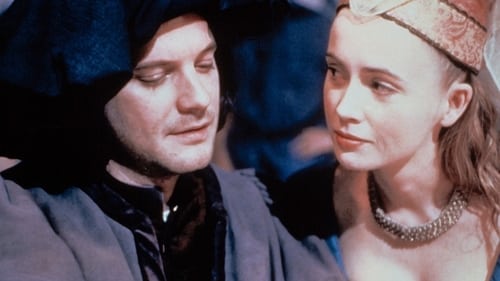
In medieval France, young lawyer Richard Courtois leaves Paris for the simpler life in the country. However, he is soon drawn into amorous and political intrigues. At the same time, he is pushed to defend a pig, owned by the mysterious gypsy Samira. The pig has been arrested for the murder of a young boy.
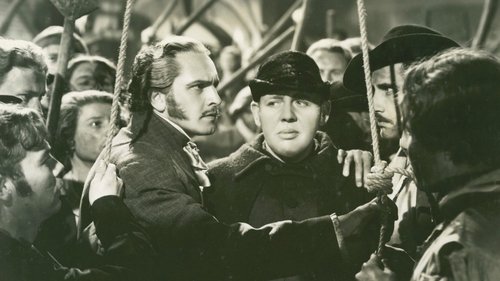
In 19th century France, Jean Valjean, a man imprisoned for stealing bread, must flee a relentless policeman named Javert. The pursuit consumes both men's lives, and soon Valjean finds himself in the midst of the student revolutions in France.
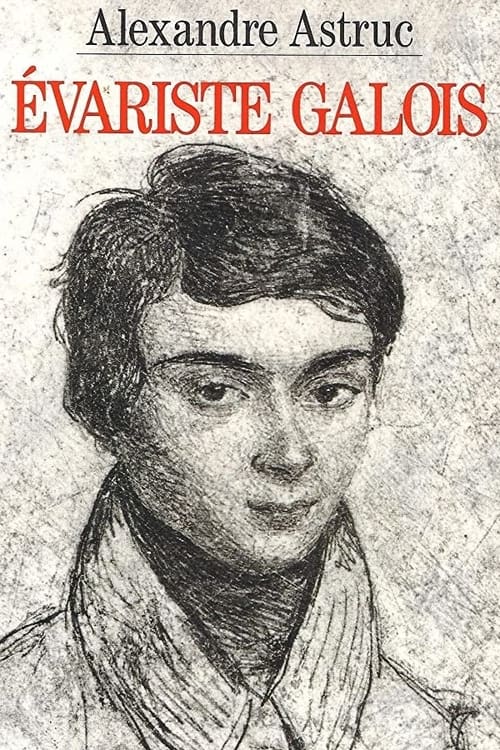
Galois is practicing shooting in preparation for a duel the very next day. His last night.
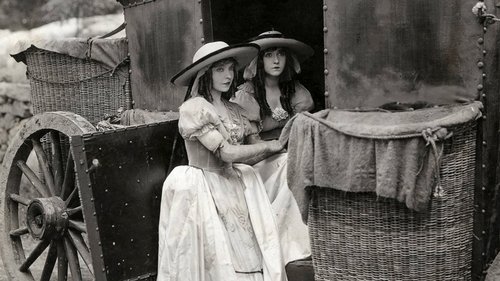
France, on the eve of the French Revolution. Henriette and Louise have been raised together as sisters. When the plague that takes their parents' lives causes Louise's blindness, they decide to travel to Paris in search of a cure, but they separate when a lustful aristocrat crosses their path.
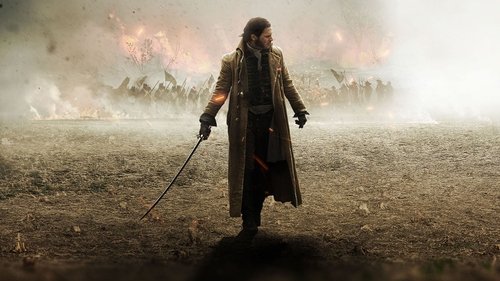
1793, French Revolution. For three years now, Charette, a young man retired from the Royal Navy, has been back home. In the country, the anger of the peasants rumbles: they call on the young retiree to take command of the rebellion. In a few months, the idle sailor becomes a charismatic leader and a shrewd strategist, bringing in his wake peasants, deserters, women, old people and children, of which he makes a formidable army. The fight for freedom has only just begun.
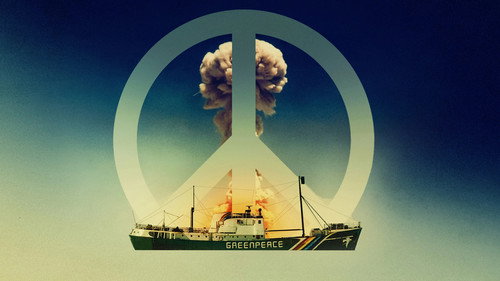
The Rainbow Warrior was a Greenpeace ship that was bombed by operatives of the French government, in New Zealand in 1985, while heading to a protest against nuclear testing, tragically taking the life of photographer Fernando Pereira. Edward McGurn’s enlightening and exciting documentary uncovers a tangled tale of nuclear weapons, geopolitical coverups, and attempts to take action against impending environmental collapse. Was Pereira’s death an accident or part of a larger political plot?
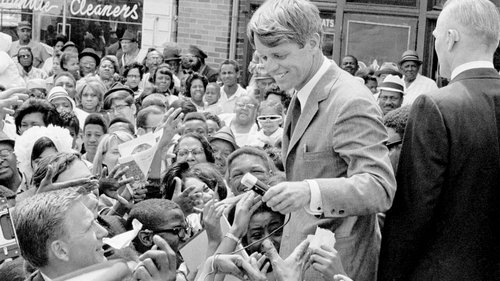
The Tet Offensive during the Vietnam War, the Civil Rights Movement, the May events in France, the assassinations of Martin Luther King and Robert F. Kennedy, the Prague Spring, the Chicago riots, the Mexico Summer Olympics, the presidential election of Richard Nixon, the Apollo 8 space mission, the hippies and the Yippies, Bullitt and the living dead. Once upon a time the year 1968.
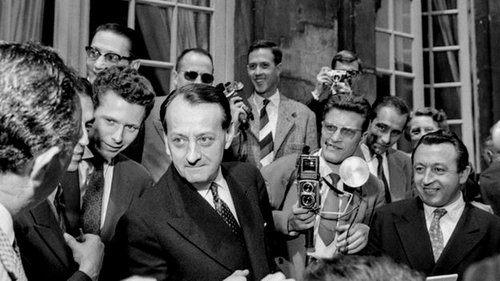
Writer, journalist, explorer, filmmaker, communist militant, freedom fighter. Truths and lies. A plot twist. Politician. General De Gaulle's shadow. Overwhelmed by the weight of power. The numerous exploits of André Malraux (1901-1976).
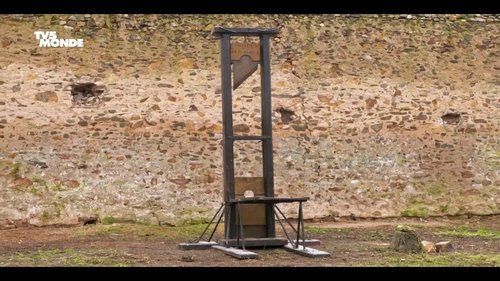
Forty years after the abolition of the death penalty in France, voted on September 18, 1981, the guillotine remains in the collective imagination as the instrument of the death sentence. This machine, developed during the Revolution to render justice more equal, was presented as progress. Over time, opinion has been divided on the subject of the death penalty, the guillotine becoming the object of man's cruelty, a remnant of an archaic way of dispensing justice and fuelling the many debates around the death penalty and its abolition.
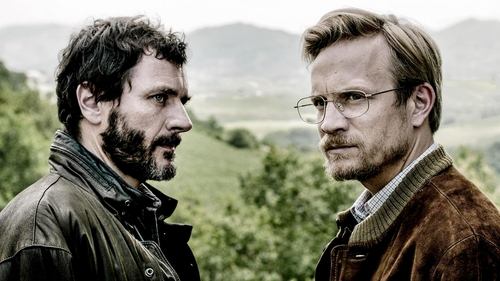
In the mid-1980s, the GAL, a Spanish paramilitary group, pursues and assassinates members of the terrorist gang ETA who have taken refuge in the sanctuary they have created in the south of France. Grégoire Fortin, advisor to the French Minister of Justice, and Domingo 'Txomin' Iturbe, leader of ETA, are forced to negotiate in order to find a solution to the violence that plagues the region.

No description available for this movie.