
Action
Adventure
Animation
Comedy
Crime
Documentary
Drama
Family
Fantasy
History
Horror
Music
Mystery
Romance
Science Fiction
Thriller
War
Western
Found 24 movies, 11 TV shows, and 0 people
Can't find what you're looking for?
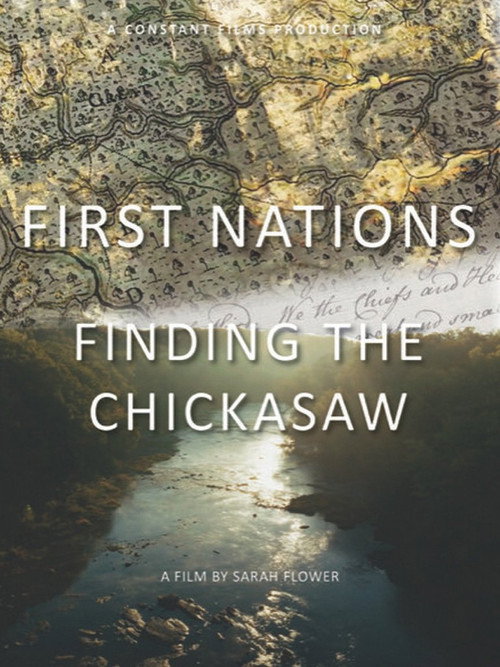
The extraordinary discovery of pre-American War of Independence documents relating to the Chickasaw Nation in the great libraries of the United Kingdom has uncovered a treasure trove of previously unseen material.

Before the first Europeans set foot in the Americas, the Native American tribes of the Northeast were locked in a bitter and bloody conflict. Then, a great warrior and man known as "the Peacemaker" brought the warring tribes together to found the Iroquois Confederacy--America's first democracy. Discover how this union inspired our modern government.

The incredible untold story of how Irish people interacted with the First Nations of North America, with contributions from some of Ireland's leading historians along with a new wave of First Nations academics and commentators.
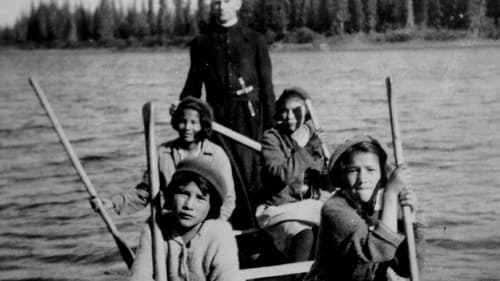
The Indian Act, passed in Canada in 1876, made members of Aboriginal peoples second-class citizens, separated from the white population: nomadic for centuries, they were moved to reservations to control their behavior and resources; and thousands of their youngest members were separated from their families to be Christianized: a cultural genocide that still resonates in Canadian society today.
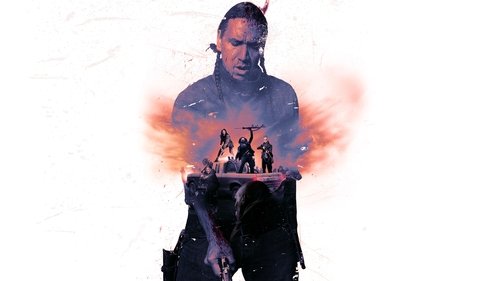
The dead are coming back to life outside the isolated Mi'kmaq reserve of Red Crow, except for its Indigenous inhabitants who are strangely immune to the zombie plague.
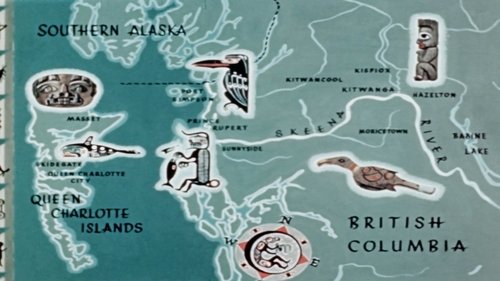
For Indigenous peoples the totem pole is the symbol of life, portraying the relationship between humans and animals. Fitting into the landscape of British Columbia, these monuments, witnesses to an ancient and powerful culture, look down at us. The group "Indians of British Columbia" singing group provide a powerful soundtrack as Haida and Tsimshian people talk about poles in their communities.
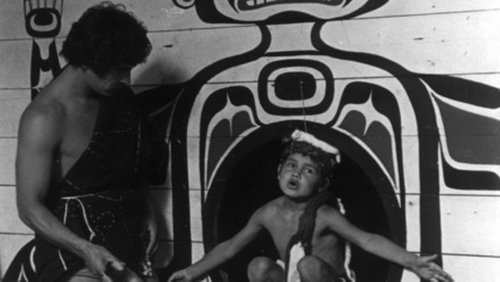
In 1921 the Kwakiut'l people of Alert Bay, British Columbia, held their last secret potlatch. In 1980 at Alert Bay, the U'mista Cultural Centre (U'mista means "something of great value that has come back") opened its doors to receive and house the cultural treasures which were seized decades earlier and only then returned to the people. The center also took up activities such as recording stories told by elders so that some part of the past would always be alive and teaching children about their heritage in order to make them feel connected to their ancestors. This film documents the cultural significance of these events for today's Kwakiut'l people. It is an eloquent testimony to the persistence and complexity of Kwakiut'l society and to the struggle for redefining cultural identity for them.
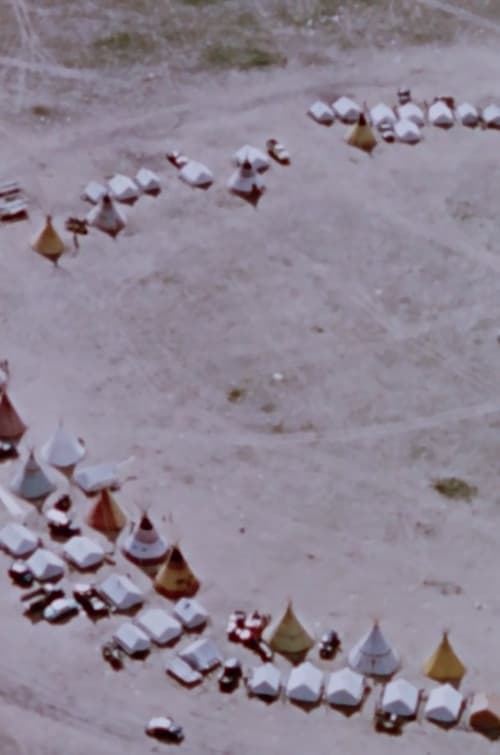
On the Kainai (Blood) First Nations Reserve, near Cardston, Alberta, a hopeful new development in Indigenous enterprise. Once rulers of the western plains, the Bloods live on a 1 300-square-kilometer reserve. Many have lacked gainful employment and now pin their hopes on a pre-fab factory they have built. Will the production line and work and wages fit into their cultural pattern of life? The film shows how it is working and what the owners themselves say about their venture.
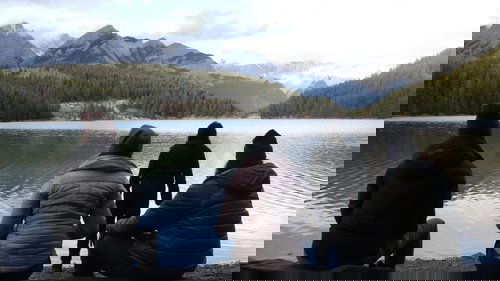
The film tells the story of four Cree siblings, Connie, Marianne, Gwen, and Anthony, separated as babies through Canada’s notorious Sixties Scoop, which saw indigenous children taken from their homes to be adopted by white families. Excited and curious, but also scared and afraid of rejection, they agree to meet for the first time over a holiday weekend in the mountains of Banff.
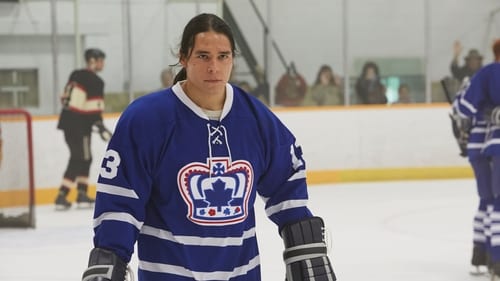
Follows the life of Native Canadian Saul Indian Horse as he survives residential school and life amongst the racism of the 1970s. A talented hockey player, Saul must find his own path as he battles stereotypes and alcoholism.
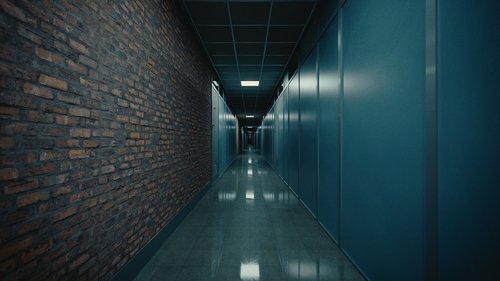
The world knows the image of the good Canadian. But what if there was a dark secret behind a national identity? THE GOOD CANADIAN exposes the truth behind the idea of a True North strong and free. In this unflinching and eye-opening documentary, directors Leena Minifie and David Paperny move us through the corridors of systemic inequity, from the Indian Act to residential schools, to modern-day family separation. Fusing shocking footage with detailed interviews with experts, advocates, whistleblowers and politicians, THE GOOD CANADIAN challenges national myth-making, while offering Canadians the chance to forge a new identity from the truth.
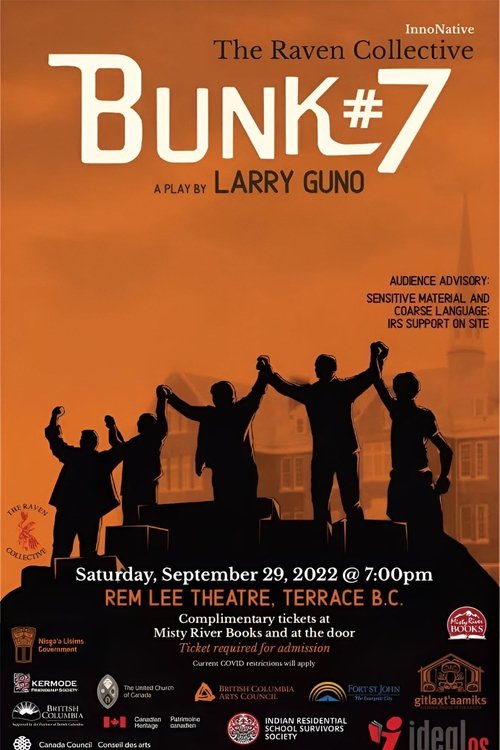
Documentary about the production of Bunk #7.
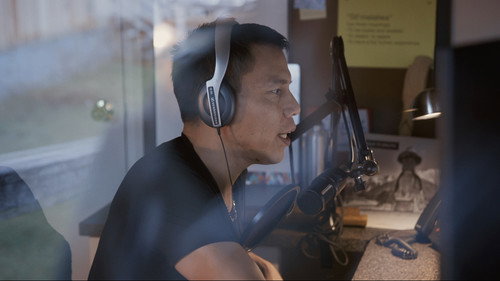
A day in the life of 91.1, Nuxalk Radio, a radio station built to help keep the Nuxalk language alive while broadcasting the laws of the lands and waters.

Joyce Jonathan Crone—Mohawk matriarch, retired teacher, activist, humanitarian—reaches forward into her community of Huntsville, Ontario, opening hearts and bridging gaps for Indigenous education.
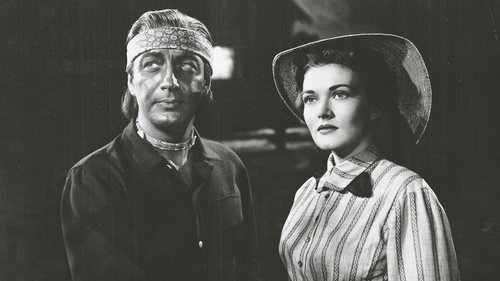
A Native American Civil War hero returns home to fight for his people.

Spontaneous portrait of an endearing and cheerful teenager living in balance between traditionalism and modernity. She presents her regalia to us and we share her pride in being Innu.
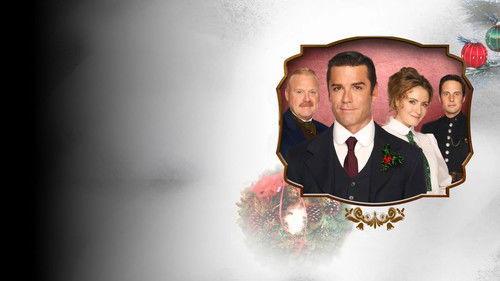
"Home for the Holidays" is the third stand-alone two hour Christmas special of the "Murdoch Mysteries" that first aired on December 18, 2017 on CBC, followed by a second airing on December 25, 2017 in Canada. Murdoch and Ogden travel to Victoria, B.C. to visit Murdoch’s brother, RCMP officer Jasper Linney. There, they investigate a murder connected to an archaeologist Megan Byrne who has uncovered an ancient Indigenous settlement, leading to a trek through the rugged beauty of British Columbia and encounters with the Songhees and Haida nations. Meanwhile, the Brackenreids are offered a surefire investment opportunity that may not be all it seems. At the Station House, Crabtree and Higgins prepare for a ski-chalet holiday in Vermont with their girlfriends Nina and Ruth, but learn it may be more dangerous than expected.
The story of the Navajo, at work and play, in the Southwestern United States, and in particular, in scenic Monument Valley. The film focuses on a typical Indian family, its daily life, struggles, and folkways, as every aspect of living is governed by Navajo gods and legends.
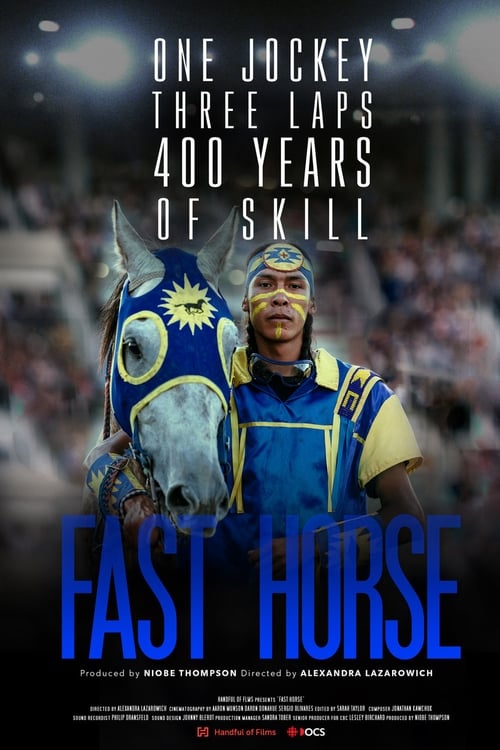
The Blackfoot bareback horse-racing tradition returns in the astonishingly dangerous Indian Relay. Siksika horseman Allison Red Crow struggles with secondhand horses and a new jockey on his way to challenging the best riders in the Blackfoot Confederacy.
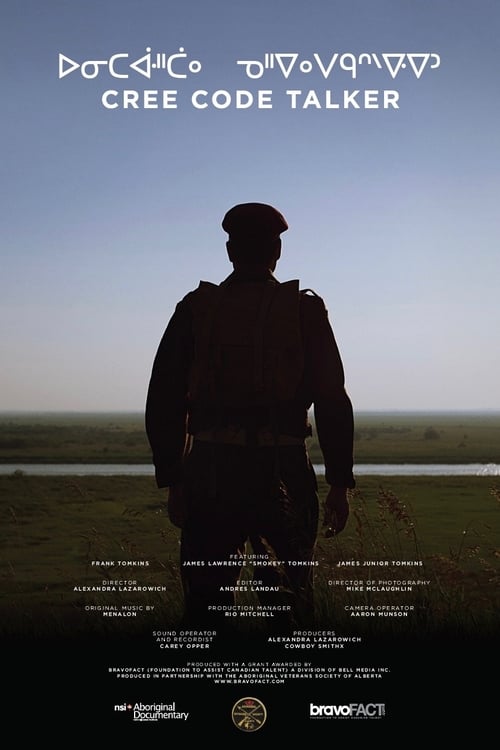
CREE CODE TALKER reveals the role of Canadian Cree code talker Charles 'Checker' Tomkins during the Second World War. Digging deep into the US archives it depicts the true story of Charles' involvement with the US Air Force and the development of the code talkers communication system, which was used to transmit crucial military communications, using the Cree language as a vital secret weapon in combat.
This 1981 NFU film is a tour of the contemporary world of Aotearoa’s tangata whenua. It won headlines over claims that its portrayal of Māori had been sanitised for overseas viewers. Debate and a recut ensued. Writer Witi Ihimaera felt that mentions of contentious issues (Bastion Point, the land march) in his original script were ignored or elided in the final film, and withdrew from the project. He later told journalists that the controversy showed that educated members of minority groups were no longer prepared to let the majority interpret the minority view.
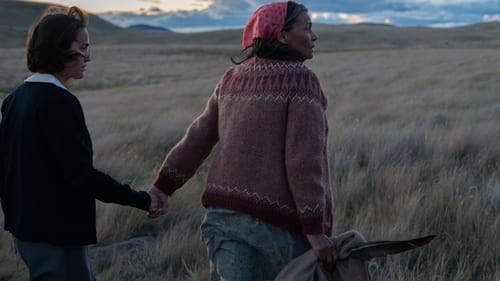
Cree matriarch Aline Spears survives a childhood in Canada’s residential school system to continue her family’s generational fight in the face of systemic starvation, racism, and sexual abuse. She uses her uncanny ability to understand and translate codes into working for a special division of the Canadian Air Force as a Cree code talker in World War II. The story unfolds over 100 years with a cumulative force that propels us into the future.
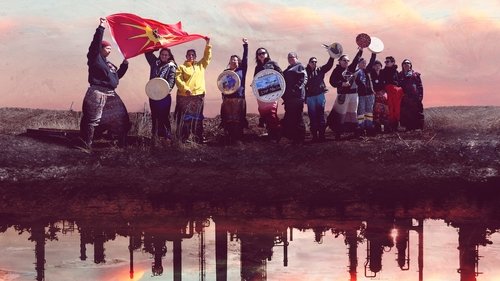
Elliot Page brings attention to the injustices and injuries caused by environmental racism in his home province, in this urgent documentary on Indigenous and African Nova Scotian women fighting to protect their communities, their land, and their futures.
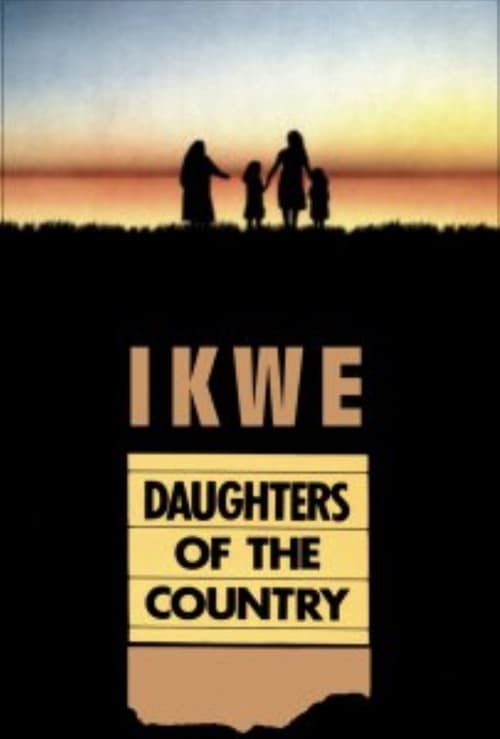
A young Ojibwa girl from 1770 marries a Scottish fur trader and leaves home for the shores of Georgian Bay. Although the union is beneficial for her tribe, it results in hardship and isolation for Ikwe. Values and customs clash until, finally, the events of a dream Ikwe once had unfold with tragic clarity.