
Action
Adventure
Animation
Comedy
Crime
Documentary
Drama
Family
Fantasy
History
Horror
Music
Mystery
Romance
Science Fiction
Thriller
War
Western
Found 36 movies, 12 TV shows, and 0 people
Can't find what you're looking for?

The incredible untold story of how Irish people interacted with the First Nations of North America, with contributions from some of Ireland's leading historians along with a new wave of First Nations academics and commentators.
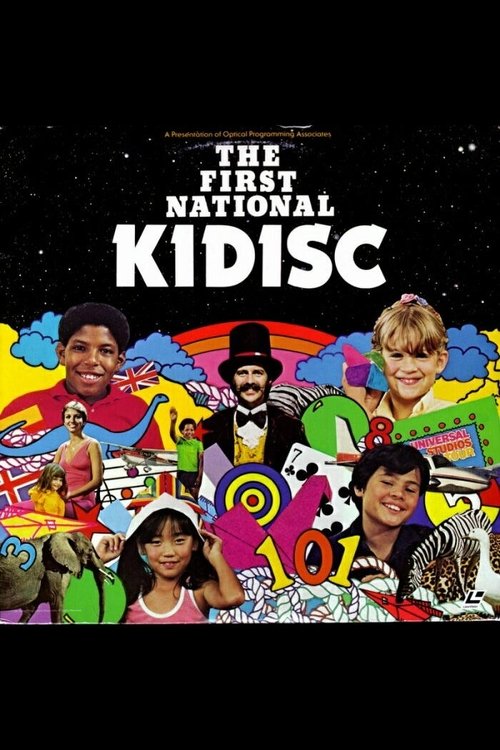
The First National Kidisc, an original program especially produced for your LaserVision system, brings a new world of meaningful entertainment, creative play and fascinating discovery to children of all ages. This truly unique program calls into use all the special features of your LaserVision system—such as still frame, step viewing, slow motion, random access and chapter stops—to provide hour after hour, day after day, of enriching and engaging experiences.
Documentary footage of indigenous Pacific islanders.
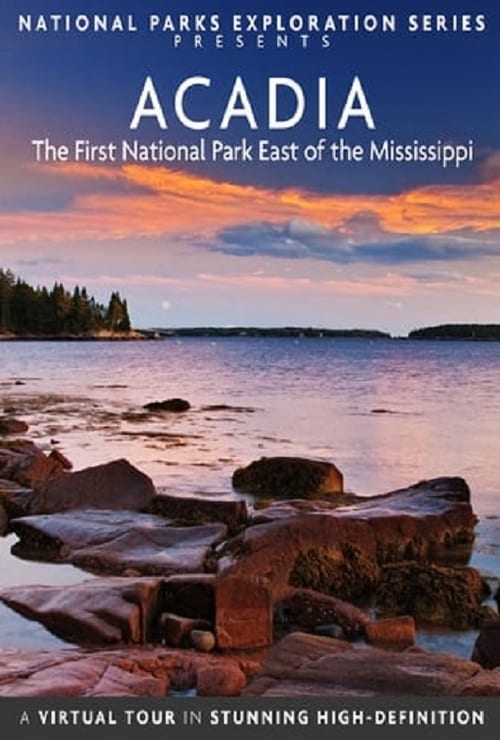
This documentary captures the beauty of Maine's Acadia National Park, as well as detailing the history of the location which happens to be the first area east of the Mississippi River to be declared a National Park.
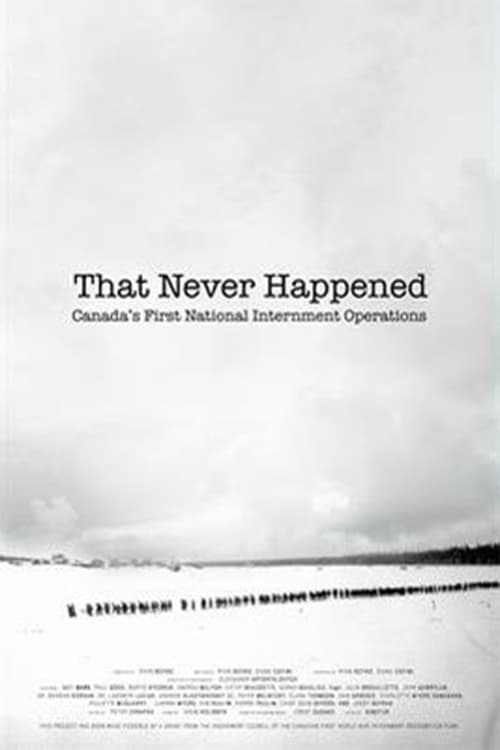
The documentary tells the little known story of thousands of Ukrainian and Eastern Europeans that were interned in Canadian camps during the First World War.
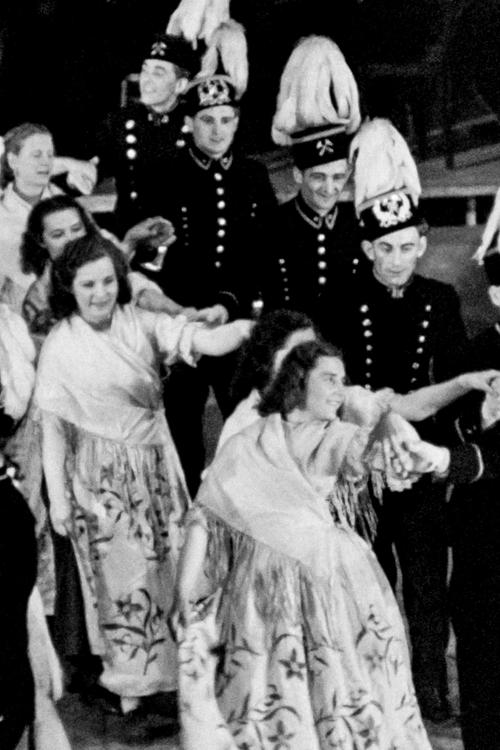
In 1946, the 1st National Competition of Trade Union Member Clubs was held. Almost one thousand amateur teams took part in it, bringing together approximately 40,000 workers, women and men. The reportage was created during the performance at the Polish Theater in Warsaw.

An elderly Cree man decides that before he dies he must travel via Greyhound from his remote Indian Reservation in Northern Canada, into the southern United States to visit the grave of Hank Williams. Along the way he and his traveling companion, a 17 yr old nephew, are picked up as a regional human-interest story in the US press. News of their growing celebrity causes a stir back home among an eclectic cast of locals; including a chief running desperately for re-election, a young girl trying desperately to find a prom date, a teacher trying desperately to help, and a social worker trying desperately to get a transfer.
Before the first Europeans set foot in the Americas, the Native American tribes of the Northeast were locked in a bitter and bloody conflict. Then, a great warrior and man known as "the Peacemaker" brought the warring tribes together to found the Iroquois Confederacy--America's first democracy. Discover how this union inspired our modern government.
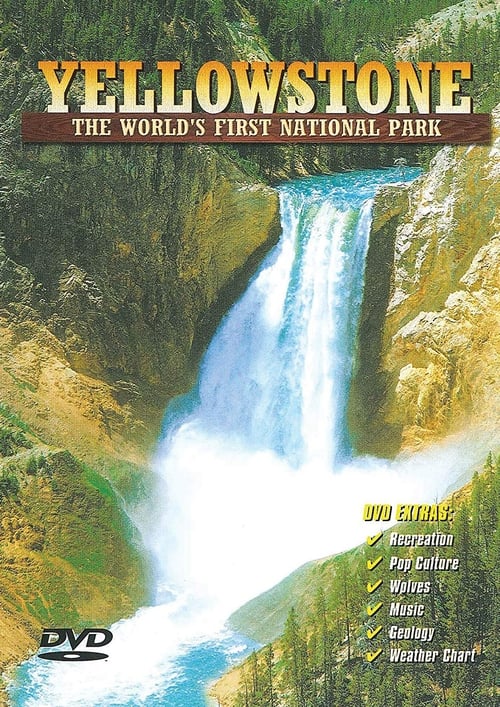
Home to some of the most majestic scenery in the United States, Yellowstone National Park contains nearly 9,000 square miles of forests, geysers and other natural wonders. This documentary explores the park's history and its most well-known sites -- including Yellowstone Falls and Old Faithful -- and includes a short film on the wolves that call the park home, as well as clips from the 1930s drama "Yellowstone." This video is part of a DVD set entitled America's National Park Collection and is DVD 3 out of 6.
Sam (39 years old), a foreign national astronaut, embarks on a journey with his colleague, Ben (35), who serves as the documentarian. Upon arriving on Mars, Sam feels immense pride as a representative of his country, believing they are the first to land on the barren planet. They begin exploring Mars and face numerous obstacles: getting caught in a storm, difficulties with documentation, the camera filter falling off the lens, and suddenly running out of camera supplies. As they venture farther, Sam is shocked to find the red-and-white flag of Indonesia planted in the ground. It turns out they are not the first to reach Mars.
In 1980, in addition to the pleasant walks, picnics, and bird watching, Ferry Meadows Country Park becomes home to the first National Dyke Jumping Championships. The Fenland sport, which Guy Michelmore describes as 'just plain daft', attracts a swathe of competitors, who attempt to pole-vault across a five metre narrow waterway. All get a soaking, plunging into the cold and muddy water, but that’s all part of the fun - with whoops, cheers, and a few groans from the crowds. True to news broadcasting tradition, a have-a-go reporter (Anglia TV's Guy Michelmore) gets stuck in and takes a turn over the water. Dave “Boy” Green, former British boxing champion, known as the “Fen Tiger” is guest of honour and opens the championships. There are also interviews with the winner Chris Douse, and Martin Armstrong, organiser.
This is a tale of intrigue and sabotage. How is it Lake St. Martin First Nation was permanently displaced from heir ancestral home by the Manitoba flood of 2011? Why would Manitoba government use a water control structure to same upstream cottagers and farmers with only an economic and recreational interest in the land that would flood people with a deep connection to the land: Manitoba Government brought further disaster to this community by unilaterally deciding to build a $100 million dollar water channel beside their reserve and to relocate the community again their will to an old military base.
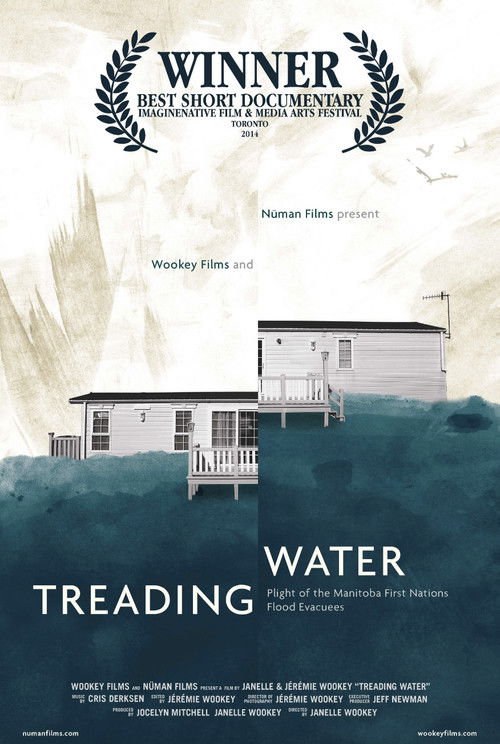
Treading Water is a deeply intimate look at the unexpected, untold story of the real-life evacuees behind the national headlines of the 2011 Manitoba flood.
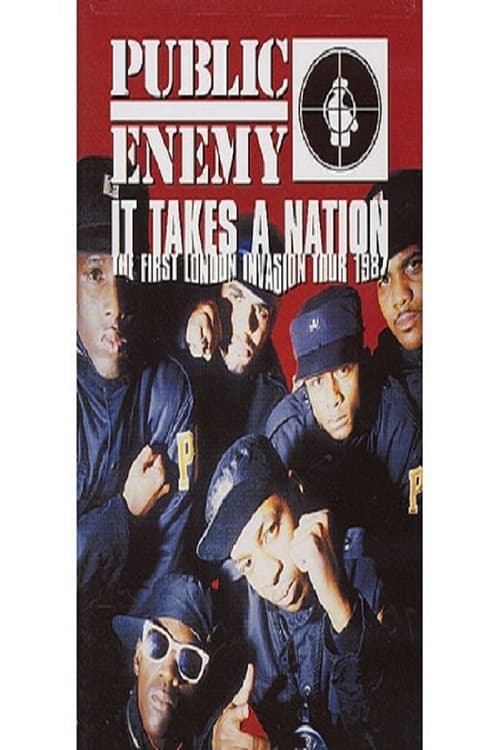
Recorded Live on November 1st, 2nd and 3rd, 1987 from Hammersmith Odeon London, as part of the European Def Jam Tour. With additional footage of Public Enemy on the streets of London.
“Peace for Armenia” weaves together the stories of Christian Armenians living in the United States, Armenia, and Artsakh in the three nerve-racking months leading to the end of the 35-year-long conflict in Nagorno-Karabakh. Beginning in the U.S., the film examines the context in which Armenian-Americans have maintained their cultural identity following the Ottoman Empire's genocide of their people. Unfortunately, history appears to be repeating, as Azerbaijan, blockades 120,000 Armenians in Nagorno-Karabakh from receiving supplies essential to their survival. In the backdrop of a brewing war, the story is transported to Armenia through the main character, a second-generation Armenian-American who visits his homeland for the first time to connect with his roots and learn about the modern challenges faced by the nation.
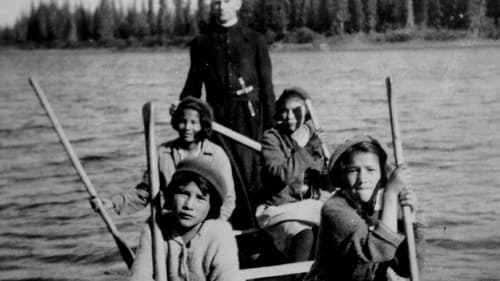
The Indian Act, passed in Canada in 1876, made members of Aboriginal peoples second-class citizens, separated from the white population: nomadic for centuries, they were moved to reservations to control their behavior and resources; and thousands of their youngest members were separated from their families to be Christianized: a cultural genocide that still resonates in Canadian society today.
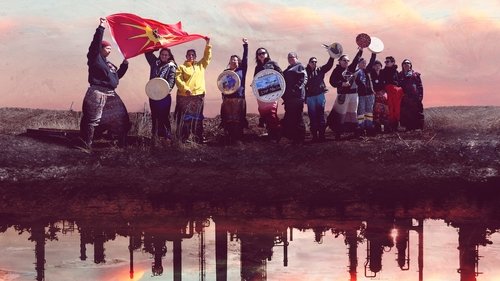
Elliot Page brings attention to the injustices and injuries caused by environmental racism in his home province, in this urgent documentary on Indigenous and African Nova Scotian women fighting to protect their communities, their land, and their futures.
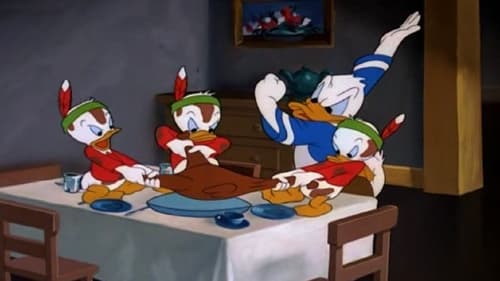
Donald's nephews come to lunch filthy from playing outside. Donald sends them to wash up; when he finds they've done a half-hearted job, he sends them to bed without supper. They scheme to get food; Donald catches them, but falls off a cliff while chasing them. He's OK, but temporarily out cold. The boys build a fake corpse and dress Donald up as an angel, and he buys it for a while.
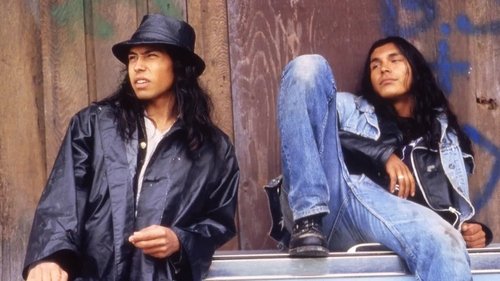
Explores the sensitive, and tense, relationship between life on an First Nations reservation and life in the outside world. When Native Canadian Silas Crow is forced to write a personal essay in order to get a much-desired job, he tells the story of the rape and murder of an Indian girl by a drunken thug. When the killer received a lenient two-year sentence for manslaughter, the First Nations community felt shock and anger—and tried desperately to deal with the after-effects of this lack of justice.
The story of the Navajo, at work and play, in the Southwestern United States, and in particular, in scenic Monument Valley. The film focuses on a typical Indian family, its daily life, struggles, and folkways, as every aspect of living is governed by Navajo gods and legends.
"Home for the Holidays" is the third stand-alone two hour Christmas special of the "Murdoch Mysteries" that first aired on December 18, 2017 on CBC, followed by a second airing on December 25, 2017 in Canada. Murdoch and Ogden travel to Victoria, B.C. to visit Murdoch’s brother, RCMP officer Jasper Linney. There, they investigate a murder connected to an archaeologist Megan Byrne who has uncovered an ancient Indigenous settlement, leading to a trek through the rugged beauty of British Columbia and encounters with the Songhees and Haida nations. Meanwhile, the Brackenreids are offered a surefire investment opportunity that may not be all it seems. At the Station House, Crabtree and Higgins prepare for a ski-chalet holiday in Vermont with their girlfriends Nina and Ruth, but learn it may be more dangerous than expected.
Gil Cardinal searches for his natural family and an understanding of the circumstances that led to his becoming a foster child. An important figure in the history of Canadian Indigenous filmmaking, Gil Cardinal was born to a Métis mother but raised by a non-Indigenous foster family, and with this auto-biographical documentary he charts his efforts to find his biological mother and to understand why he was removed from her. Considered a milestone in documentary cinema, it addressed the country’s internal colonialism in a profoundly personal manner, winning a Special Jury Prize at Banff and multiple international awards.

The territory of Akwesasne straddles the Canada-U.S. border. When Canadian authorities prohibited the duty-free cross-border passage of personal purchases - a right established by the Jay Treaty of 1794 - Kanien'kéhaka protesters blocked the international bridge between Ontario and New York State.
CREE CODE TALKER reveals the role of Canadian Cree code talker Charles 'Checker' Tomkins during the Second World War. Digging deep into the US archives it depicts the true story of Charles' involvement with the US Air Force and the development of the code talkers communication system, which was used to transmit crucial military communications, using the Cree language as a vital secret weapon in combat.
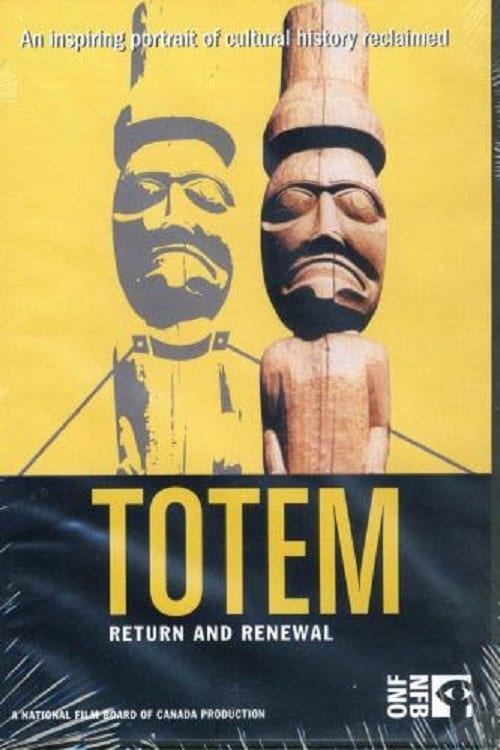
In this follow-up to his 2003 film, Totem: the Return of the G'psgolox Pole, filmmaker Gil Cardinal documents the events of the final journey of the G'psgolox Pole as it returns home to Kitamaat and the Haisla people, from where it went missing in 1929.
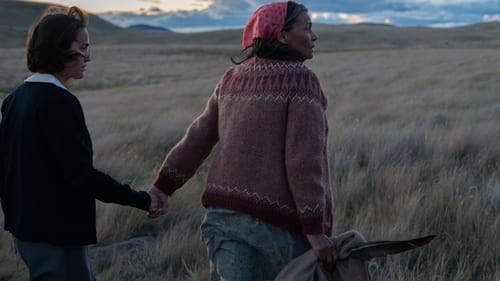
Cree matriarch Aline Spears survives a childhood in Canada’s residential school system to continue her family’s generational fight in the face of systemic starvation, racism, and sexual abuse. She uses her uncanny ability to understand and translate codes into working for a special division of the Canadian Air Force as a Cree code talker in World War II. The story unfolds over 100 years with a cumulative force that propels us into the future.
Filmed on location in Saskatchewan from the Qu'Appelle Valley to Hudson Bay, the documentary traces the filmmaker's quest for her Native foremothers in spite of the reluctance to speak about Native roots on the part of her relatives. The film articulates Métis women's experience with racism in both current and historical context, and examines the forces that pushed them into the shadows.
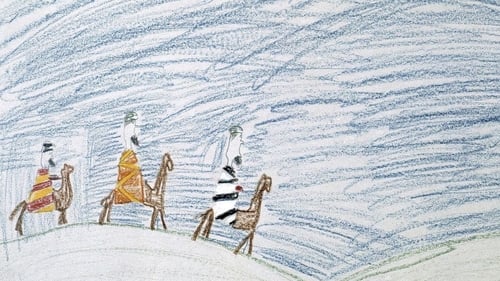
A study of life at Christmastime in Moose Factory, an old settlement mainly composed of Cree families on the shore of James Bay, composed entirely of children's crayon drawings and narrated by children.
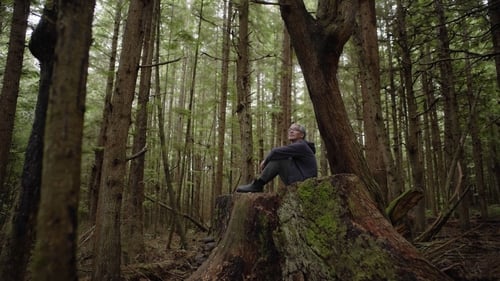
Red Fever is a witty and entertaining feature documentary about the profound -- yet hidden -- Indigenous influence on Western culture and identity. The film follows Cree co-director Neil Diamond as he asks, “Why do they love us so much?!” and sets out on a journey to find out why the world is so fascinated with the stereotypical imagery of Native people that is all over pop culture. Why have Indigenous cultures been revered, romanticized, and appropriated for so long, and to this day? Red Fever uncovers the surprising truths behind the imagery -- so buried in history that even most Native people don't know about them.
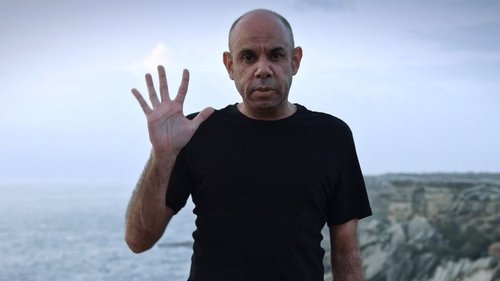
A new songline for 21st century Australia - a fresh look at the Cook legend from a First Nations' perspective - the songline tells of connection to country, resistance and survival and features the cheeky, acerbic and heartfelt showman - Steven Oliver and a host of outstanding, political Indigenous singer/songwriters.

On Canada's Pacific coast this film finds a young Haida artist, Robert Davidson, shaping miniature totems from argillite, a jet-like stone. The film follows the artist to the island where he finds the stone, and then shows how he carves it in the manner of his grandfather, who taught him the craft.
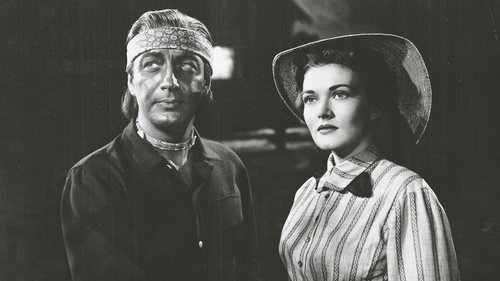
A Native American Civil War hero returns home to fight for his people.
Set against the unforgettable beauty of Haida Gwaii (formerly known as the Queen Charlotte Islands), Memories of Earth takes viewers on a journey guided by traces of the past. The film records the meeting of two artistic worlds: that of the Haida, an indigenous people whose cultural life and mythology bespeak their belief in a tangible link between the real and the imaginary, and that of Frédéric Back, a master of animated film and committed humanist, whose works is an appeal to respect all things created. Through the magic of animation, the documentary casts fresh light on the legends and spirituality of the Haida.
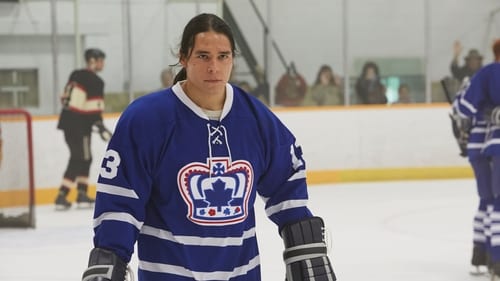
Follows the life of Native Canadian Saul Indian Horse as he survives residential school and life amongst the racism of the 1970s. A talented hockey player, Saul must find his own path as he battles stereotypes and alcoholism.
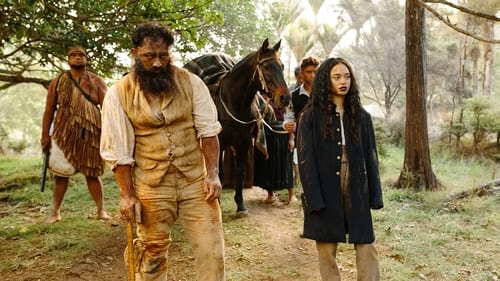
In a sweeping tale that spans 1000 years and multiple generations – from the distant past to the 19th century, the present day and a strange, dystopian future – this landmark collection traces the collective histories of Indigenous peoples across Australia, New Zealand and the South Pacific. Diverse in perspective, content and form, traversing the terrain of grief, love and dispossession, they each bear witness to these cultures’ ongoing struggles against patriarchy, colonialism and racism.
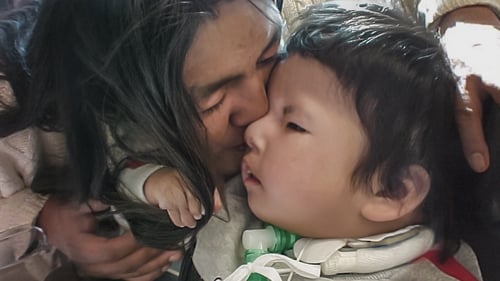
The story of a young boy forced to spend all five years of his short life in hospital while the federal and provincial governments argued over which was responsible for his care, as well as the long struggle of Indigenous activists to force the Canadian government to enforce “Jordan’s Principle” — the promise that no First Nations children would experience inequitable access to government-funded services again.