
Action
Adventure
Animation
Comedy
Crime
Documentary
Drama
Family
Fantasy
History
Horror
Music
Mystery
Romance
Science Fiction
Thriller
War
Western
Found 28 movies, 4 TV shows, and 0 people
Can't find what you're looking for?

The Falklands War - A Military History. It is over twenty years since Argentine forces invaded the Falkland Islands. Within three days, a British task force had been mobilised and was on its way to the South Atlantic on a mission to restore the islands to British control. Soon, harrowing images that demonstrated the terrible realities of war were being beamed back to the United Kingdom. This twentieth anniversary commemorative programme is a powerful record of a war that cost more than a thousand lives. It features remarkable archive footage of the fight for the Falkland Islands, atmospheric battle reconstructions and 3D animated graphics that provide a unique perspective on famous battles such as Goose Green, Tumbledown Mountain and Wireless Ridge. ‘The Falklands War’ also features the memories and recollections of British and Argentine servicemen who went to war in the South Atlantic more than twenty years ago.

Ben Fogle uncovers one of the untold stories of the Falklands War - a battle fought by 30.000 British Marines against an Argentine invading force ten times that number.
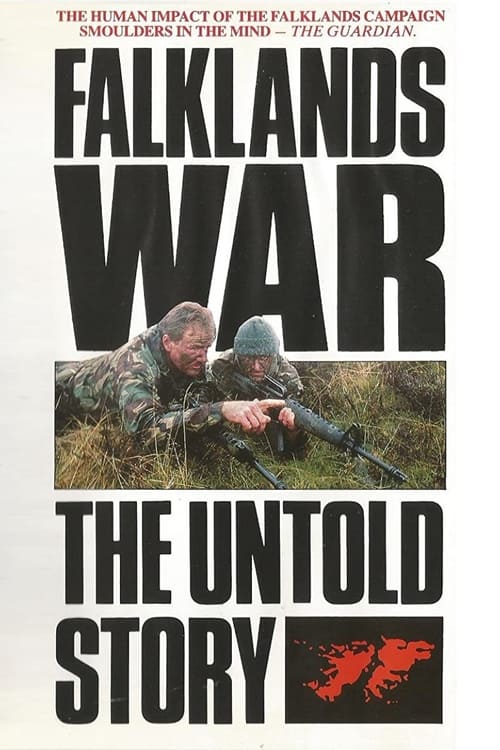
Five years after the war in the Falklands between Britain and Argentina, many facts were still wrapped in red tape. Many of the key figures had remained silent. No-one had been to Argentina to tell the other side of the story. For the majority of the British people, the war was another glorious chapter in their history. With flags waving and bands playing, British troops had sailed away to repel the invaders. Patriotic emotions were stirred as they returned victorious. Government MPs tried to get the film banned, but Yorkshire TV's telephones were jammed with messages of support from wives and mothers of those who died in the conflict. Called 'the documentary to end all documentaries about the Falklands War' in the British press, it was also described as 'more poem than polemic - a hymn against war'.
A look at the conflict of 1982 through the eyes of the islanders.
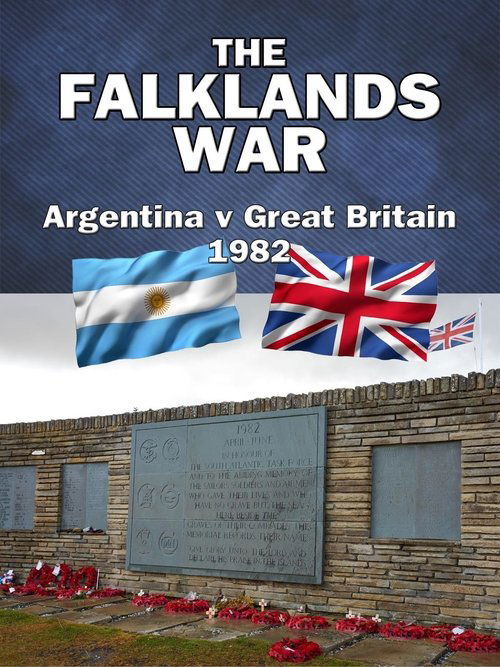
The Battle between the UK and Argentina over claims to the Falkland Islands systematically merged weapons technology of air, sea, and ground. A UK invasion yielded a bombardment of speed, weaponry and destruction.

In a 2022 BBC Mundo documentary, Daniel Pardo explores the legacy of the 1982 Falklands/Malvinas war from the perspective of the losing side, Argentina, 40 years later. He highlights the enduring, often painful, memory of the conflict, the political, and social consequences for Argentina, and the continued, albeit modified, claim over the island
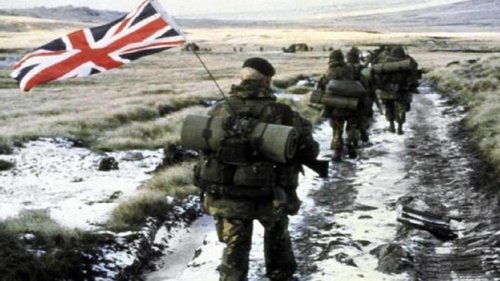
On the 40th anniversary of the conflict, senior commanders and ground troops reveal how a series of mistakes nearly cost Britain its hard-won victory over Argentina in the South Atlantic.
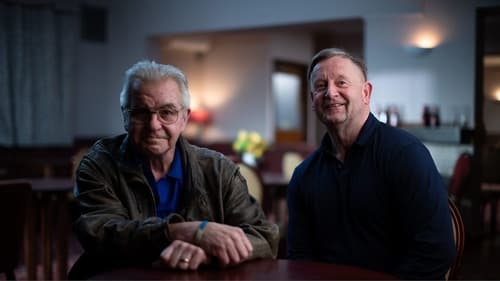
A story told by ten men who fought together in the Falklands War, with unflinching honesty, discussion of life-changing moments of combat and how they have come to terms with them since.

No description available for this movie.
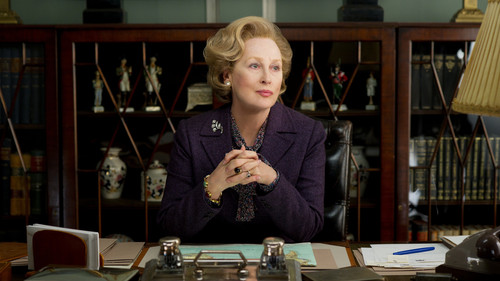
A look at the life of Margaret Thatcher, the former Prime Minister of the United Kingdom, with a focus on the price she paid for power.
A powerful Argentine political film stands on the figure of an outsider intellectual, Sebreli, but manages to transcend it, he becomes a touchstone to go through Argentina and its dilemmas, through this country that is proud of almost everything it should be ashamed of. From national icons like Gardel, Evita, Che, and Maradona the film dialogs with recent Argentine history and it does so with extraordinary energy, supported by a rarely seen use of all kinds of archive material in an almost Dionysian state of sampleadelia. The film arrives to a surprising reflection on nationalism, demagogic governments and delusions of unanimity; problems that are common to emerging societies that cannot find their ways to a freer and more egalitarian society.
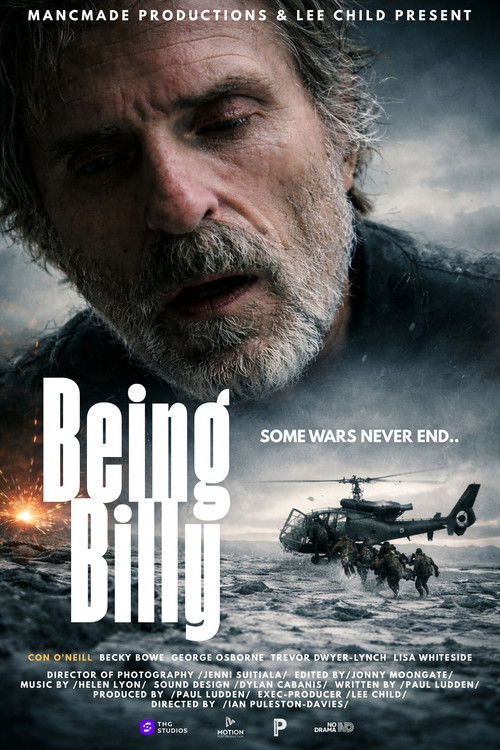
William (Billy) Livesey is a Falklands Veteran with dementia, living in a care home. A brief connection with new carer Lisa stirs memories in Billy, taking him back to the closing stages of the Falklands War in 1982 and a life changing incident that took place for him, his close friend (and fellow Para) Stu and Argentinian soldier Pablo. Memories from the past help guide Billy through the fog of dementia and re-connect him to the present. Some Wars Never End....
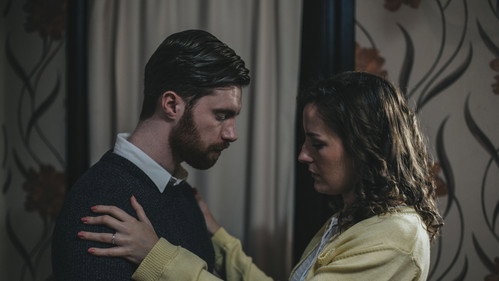
A British Falklands Conflict veteran struggles to reintegrate into civilian life as a “welcome home” party exposes the hidden costs of war, forcing him and his wife to confront the trauma that continues to remain
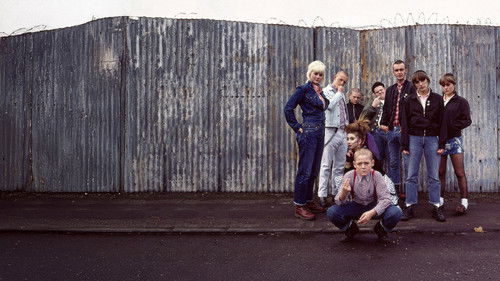
A story about a troubled boy growing up in England, set in 1983. He comes across a few skinheads on his way home from school, after a fight. They become his new best friends, even like family. Based on experiences of director Shane Meadows.
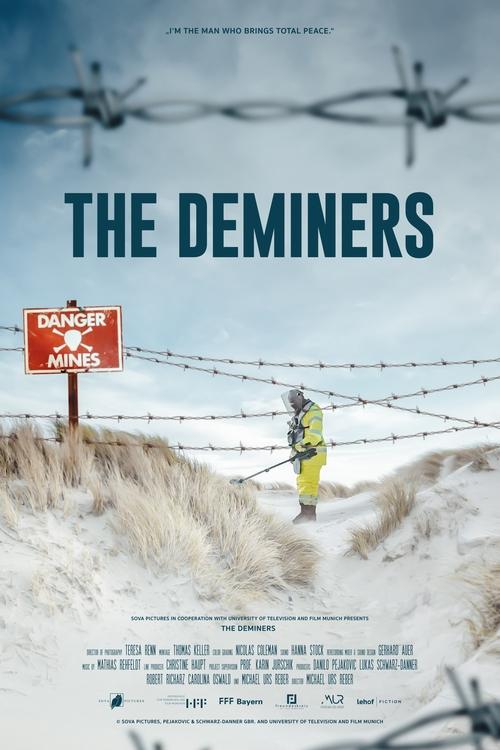
Zimbabwean landmine clearers Shame and Cosimas, as well as medic Previous have been traveling to the other side of the world for years to clear mines in the British Falkland Islands. In the subpolar cold, between sand dunes and penguins, they defuse and blow up the legacies of a forgotten war.
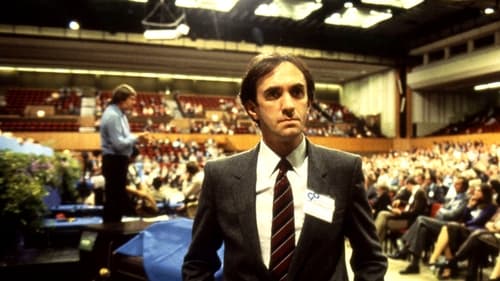
As the UK begins its military engagement in the Falklands, a BBC news journalist attempts to climb up from his working-class roots, at any cost, lying to those around him to get what he wants, only to discover that he is the recipient of a deception far more clever than his own.

The Falklands/Malvinas War has proved a powerful motif in contemporary Argentine film-making and Ramiro Longo's new documentary offers a unique take on the conflict and its pervasive legacy. While Argentina suffered 649 casualties during the War, subsequently over 350 ex-servicemen have committed suicide while attempting to come to terms with civilian life in the aftermath of the 1982 defeat. Longo's film is structured around an extended interview with War veteran Sergio Delgado who provides a moving testimony on the conflict and the ways in which it has subsequently haunted his life and aspirations. As much an insider's view of the conflict as a tale of the legacy of trauma, Not Really Ours offers a reflection on memory, fear and the shaping of a nation's psyche. Longo's deft editing juxtaposes telling footage alongside Delgado's story. The result is both a moving tapestry of war and its scars and a telling reflection on the ways in which official history is constructed.
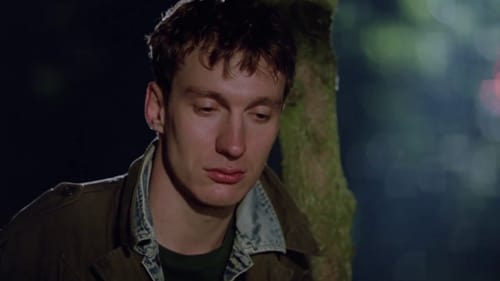
A Falklands War soldier missing, believed dead, turns up claiming amnesia.
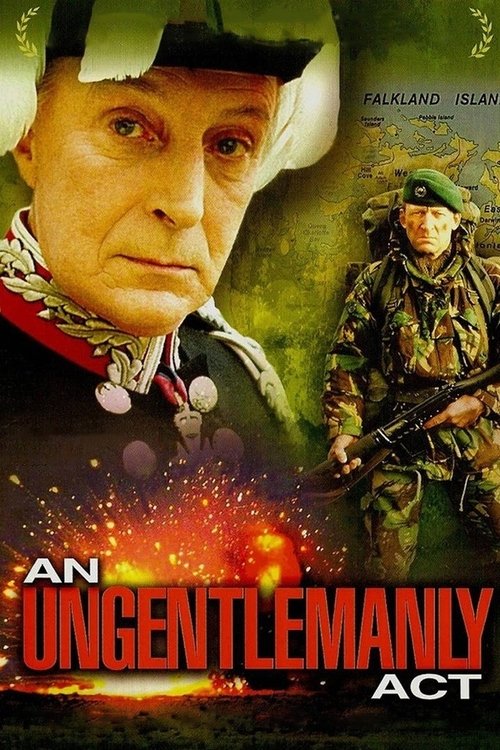
Based on actual accounts, this film portrays the days and hours before and during the invasion of the Falkland Islands by Argentina, which eventually lead to the Falklands War. As the Argentine forces land on the main island and make their way towards Government House, the handful of British defenders batten down the hatches and prepare to defend Governor Rex Hunt, his family, and their fellow islanders from the invaders.
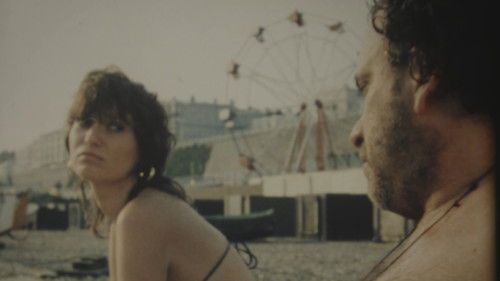
The time is the summer of 1982, and the Falklands war is at hand when the young "Argie" follows a British woman home and is stopped from raping her only because she starts to speak to him in Spanish, soon they enter into an ambivalent relationship, undecided as to whether they love or hate each other, or both. They end up on the streets when she is evicted and life becomes even less stable.
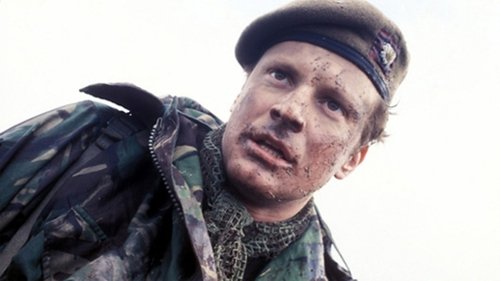
The film centers on the experiences of Robert Lawrence MC, an officer of the Scots Guards during the Falklands War of 1982. While fighting at the Battle of Mount Tumbledown, Lawrence is shot in the head by an Argentine sniper and left paralyzed on his left side. He then must learn to adjust to his new disability.
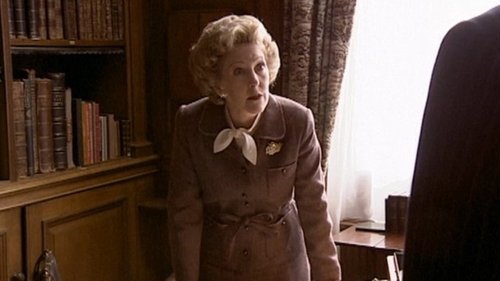
The Falklands Play is a dramatic account of the political events leading up to, and including, the 1982 Falklands War. The play was written by Ian Curteis, an experienced writer who had started his television career in drama, but had increasingly come to specialise in dramatic reconstructions of history. It was originally commissioned by the BBC in 1983, for production and broadcast in 1986, but was subsequently shelved by Controller of BBC One Michael Grade due to its alleged pro-Margaret Thatcher stance and jingoistic tone. This prompted a press furore over media bias and censorship.The play was not staged until 2002, when it was broadcast in separate adaptations on BBC Television and Radio.
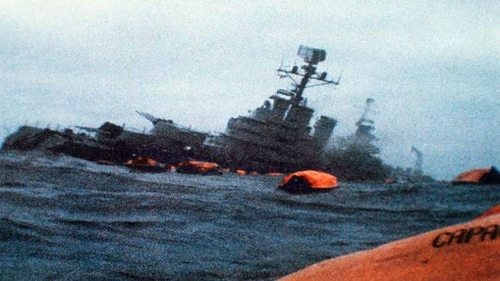
A detailed account of each of the details of the Malvinas War based on interviews, dramatic scenes, maps and other elements of historical roots without ignoring the historical antecedents from the 18th century that ended in this confrontation.
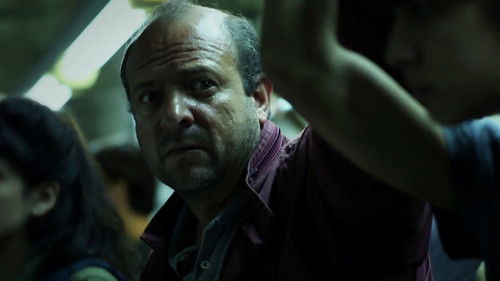
A former soldier reunites with his comrades, who are unaware that they are dead.

The drama tells the story of an Argentine elementary-school teacher sent by the government to a rural hamlet located in the northwestern province of Jujuy. It shows how he touches the lives of the villagers, especially the young and impressionable boy Verónico, whose mother died and father left to seek work when he was an infant. The film is based on a non-fiction book written by Fortunato Ramos, a rural teacher in northwest Argentina, that discusses his teaching experiences.
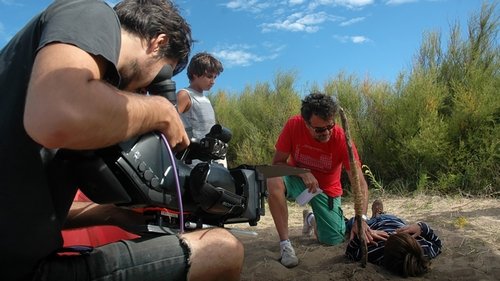
Alex and Dani, two Kelper children living in Stanley, Falkland Islands, skip school to play in the fields, as they usually do every day. One afternoon, when they discover a black, viscous liquid they believe to be oil, their historical differences come to light.
Ángela Ferrer lost her grandson during the Falklands War. A year has passed since the end of the war, and Ángela has not resigned herself to accepting her grandson's death, much less to not being able to visit his grave and pay him the tribute she considers more than deserved. Today, Ángela searches the cemetery for an abandoned grave that could serve as a space to visit her grandson. Finally, she decides on one that shows signs of neglect. She refurbishes it and leaves behind a small painting she made, in which we see a sailboat sailing across the sea. These visits take place weekly, while Ángela continues her daily routine, until one day they are suddenly interrupted.
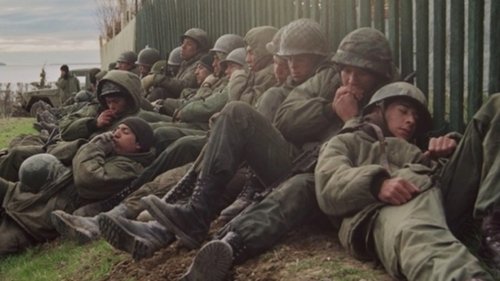
A war veteran, haunted by the horrors of war and the experiences he shared with fellow soldiers drafted to the battlefront as an 18-year-old conscript, is forced to confront the memories of his past after a former comrade attempts suicide. 20 years after the war, he finally attempts to reconnect with his past to begin to heal his old wounds.