
Action
Adventure
Animation
Comedy
Crime
Documentary
Drama
Family
Fantasy
History
Horror
Music
Mystery
Romance
Science Fiction
Thriller
War
Western
Found 37 movies, 8 TV shows, and 0 people
Can't find what you're looking for?
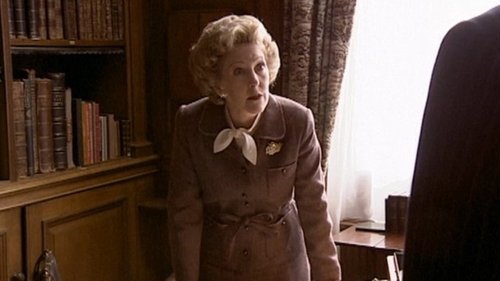
The Falklands Play is a dramatic account of the political events leading up to, and including, the 1982 Falklands War. The play was written by Ian Curteis, an experienced writer who had started his television career in drama, but had increasingly come to specialise in dramatic reconstructions of history. It was originally commissioned by the BBC in 1983, for production and broadcast in 1986, but was subsequently shelved by Controller of BBC One Michael Grade due to its alleged pro-Margaret Thatcher stance and jingoistic tone. This prompted a press furore over media bias and censorship.The play was not staged until 2002, when it was broadcast in separate adaptations on BBC Television and Radio.
Is there nothing new under the sun? 1770. The South Atlantic. A fleet sets sail from Buenos Aires to expel the British forces and reconquer the Falkland Islands. A major international crisis explodes. What follows may sound strangely familiar, but is firmly based on the historical record and the actual speeches and writings of the time.
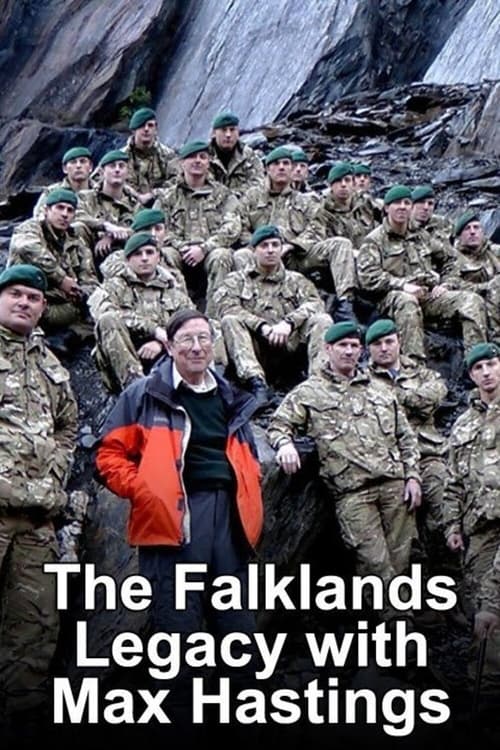
Thirty years after the Falkland's War, journalist and military historian Max Hastings explores the conflict's impact and its legacy. Hastings, who sailed with the Task Force in 1982 and reported on the Falklands campaign first-hand, looks at how victory in the South Atlantic revived the reputation of our armed forces and renewed Britain's sense of pride and its image abroad after years of decline as an imperial and military power. Hastings examines how the Falklands provided a model of a swift and successful war that was matched by other conflicts Britain fought at the end of the 20th-century. In contrast, the long campaigns in Iraq and Afghanistan have left the British public sceptical about sending our armed forces in large numbers to war again. The Falklands could well be the last popular war Britain fights, and certainly the country's last imperial hurrah.

The Falklands War - A Military History. It is over twenty years since Argentine forces invaded the Falkland Islands. Within three days, a British task force had been mobilised and was on its way to the South Atlantic on a mission to restore the islands to British control. Soon, harrowing images that demonstrated the terrible realities of war were being beamed back to the United Kingdom. This twentieth anniversary commemorative programme is a powerful record of a war that cost more than a thousand lives. It features remarkable archive footage of the fight for the Falkland Islands, atmospheric battle reconstructions and 3D animated graphics that provide a unique perspective on famous battles such as Goose Green, Tumbledown Mountain and Wireless Ridge. ‘The Falklands War’ also features the memories and recollections of British and Argentine servicemen who went to war in the South Atlantic more than twenty years ago.
To mark 30 years since the Falklands War, this documentary follows three men back to the islands. For veteran Simon Weston, the journey is an opportunity to experience some of the stunning wildlife on Sea Lion Island.
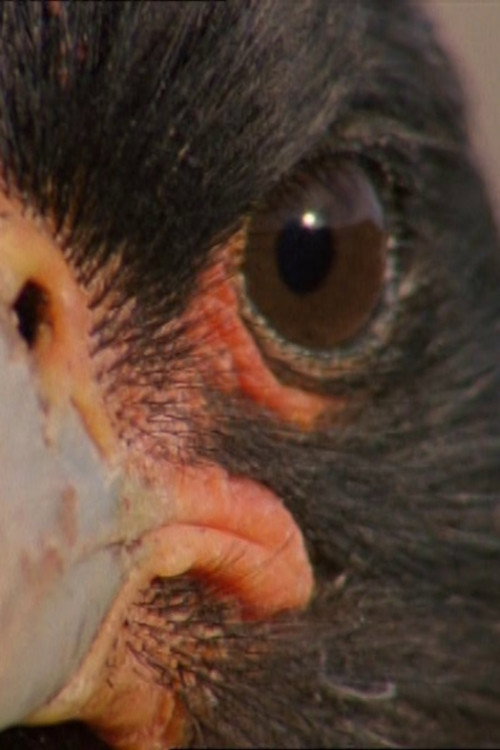
Marooned on a stormy island in the South Atlantic, film-makers Jane Watson and Mark Smith are confronted by the bullies of the bird world. Running amok like a delinquent gang of velociraptors straight out of a Spielberg movie, these birds of prey are caracaras - rare, mischievous and dangerous.

On Saturday 3 April 1982, the House of Commons held its first Saturday sitting since the Second World War. It was to discuss the invasion of the Falkland Islands by Argentina the day before. At the emergency debate the government unveiled its plan for a task force to retake the islands and return them to British sovereignty. Leading for the government was Prime Minister Margaret Thatcher and leading for the opposition was Michael Foot. On its 30th anniversary, BBC Parliament replays the debate in full.
A year after the conflict, this documentary details the personal experience of some of the men and women involved.
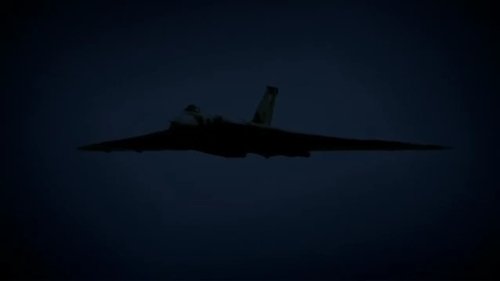
Documentary film about the then longest range bombing mission in history, which changed the outcome of the Falklands War.
A journalist who travels to the Falkland Islands to investigate the mysterious disappearance of a soldier in 1980 uncovers a history of historical child abuse on the island, within a secretive and uncooperative community.

Ben Fogle uncovers one of the untold stories of the Falklands War - a battle fought by 30.000 British Marines against an Argentine invading force ten times that number.
Five years after the war in the Falklands between Britain and Argentina, many facts were still wrapped in red tape. Many of the key figures had remained silent. No-one had been to Argentina to tell the other side of the story. For the majority of the British people, the war was another glorious chapter in their history. With flags waving and bands playing, British troops had sailed away to repel the invaders. Patriotic emotions were stirred as they returned victorious. Government MPs tried to get the film banned, but Yorkshire TV's telephones were jammed with messages of support from wives and mothers of those who died in the conflict. Called 'the documentary to end all documentaries about the Falklands War' in the British press, it was also described as 'more poem than polemic - a hymn against war'.
A look at the conflict of 1982 through the eyes of the islanders.
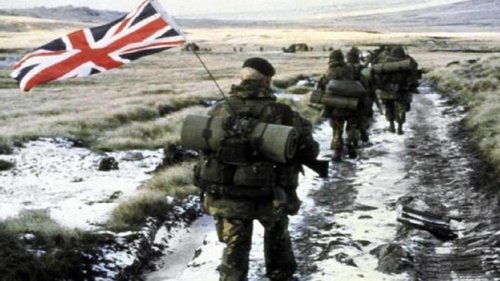
On the 40th anniversary of the conflict, senior commanders and ground troops reveal how a series of mistakes nearly cost Britain its hard-won victory over Argentina in the South Atlantic.
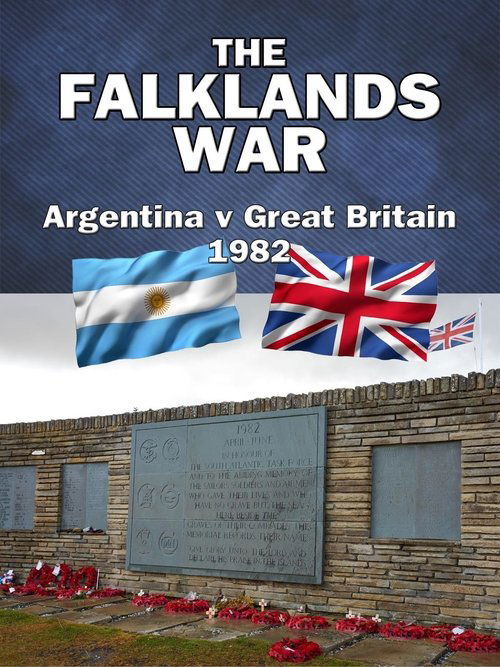
The Battle between the UK and Argentina over claims to the Falkland Islands systematically merged weapons technology of air, sea, and ground. A UK invasion yielded a bombardment of speed, weaponry and destruction.

In a 2022 BBC Mundo documentary, Daniel Pardo explores the legacy of the 1982 Falklands/Malvinas war from the perspective of the losing side, Argentina, 40 years later. He highlights the enduring, often painful, memory of the conflict, the political, and social consequences for Argentina, and the continued, albeit modified, claim over the island
In March 1982, two wildlife photographers became stranded on South Georgia Island in the southern Atlantic Ocean during the Falklands War between the United Kingdom and Argentina.
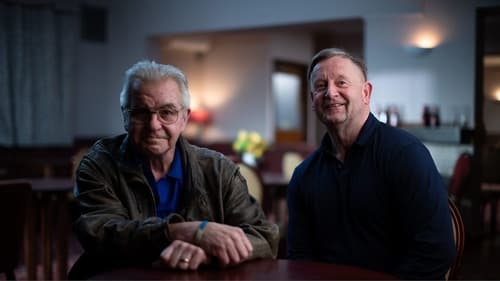
A story told by ten men who fought together in the Falklands War, with unflinching honesty, discussion of life-changing moments of combat and how they have come to terms with them since.
A unique film that follows Jim Davidson, one of this country s foremost entertainers, to a dot in the South Atlantic which, two and a half years prior, was the scene of conflict. MISSION: To transport Jim Davidson, 5 musicians, 4 dancers, singers, film crew and 5 tons of equipment 8,000 miles to the Falklands. THURSDAY 20th SEPTEMBER: Ascension Island - a volcanic rock 5 miles by 9 miles (small), accommodation - a portacabin (very small) with 24 bunks (cramped) and us (battery hens). SATURDAY 22nd SEPTEMBER: Port Stanley - another portacabin. The concert is held in a Coastal (floating barracks). Our little concert party is tremendous... WEDNESSDAY 26th SEPTEMBER: Chopper to Byron Heights; the pilot nearly couldn't find the top in all the mist... FRIDAY 28th SEPTEMBER: The inevitable helicopter to Goose Green, the most emotive concert we do. Jim's energy after so many long concerts is almost bionic... SATURDAY 29th SEPTEMBER: Back to Stanley - and home.

No description available for this movie.
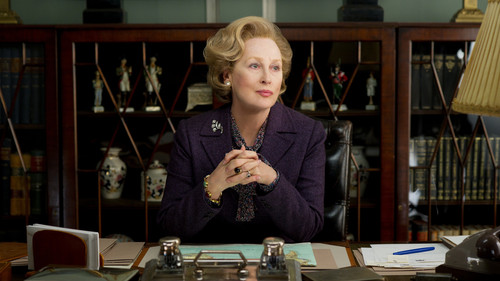
A look at the life of Margaret Thatcher, the former Prime Minister of the United Kingdom, with a focus on the price she paid for power.
A powerful Argentine political film stands on the figure of an outsider intellectual, Sebreli, but manages to transcend it, he becomes a touchstone to go through Argentina and its dilemmas, through this country that is proud of almost everything it should be ashamed of. From national icons like Gardel, Evita, Che, and Maradona the film dialogs with recent Argentine history and it does so with extraordinary energy, supported by a rarely seen use of all kinds of archive material in an almost Dionysian state of sampleadelia. The film arrives to a surprising reflection on nationalism, demagogic governments and delusions of unanimity; problems that are common to emerging societies that cannot find their ways to a freer and more egalitarian society.
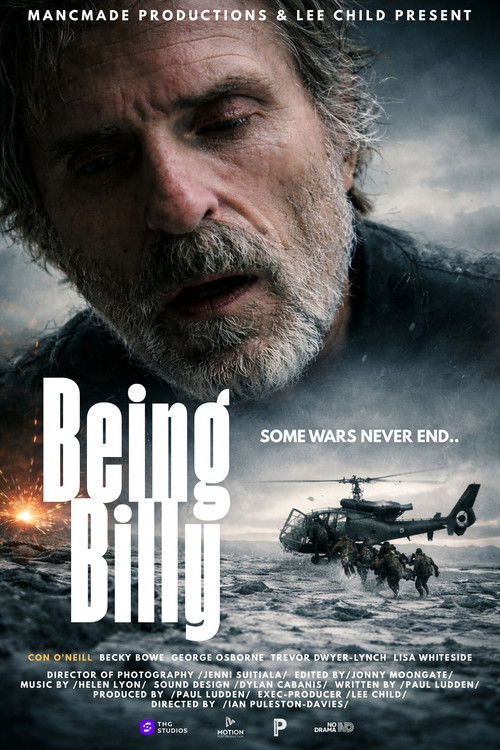
William (Billy) Livesey is a Falklands Veteran with dementia, living in a care home. A brief connection with new carer Lisa stirs memories in Billy, taking him back to the closing stages of the Falklands War in 1982 and a life changing incident that took place for him, his close friend (and fellow Para) Stu and Argentinian soldier Pablo. Memories from the past help guide Billy through the fog of dementia and re-connect him to the present. Some Wars Never End....
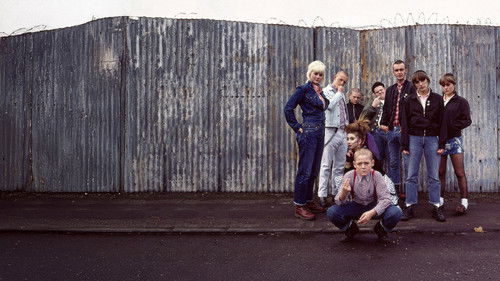
A story about a troubled boy growing up in England, set in 1983. He comes across a few skinheads on his way home from school, after a fight. They become his new best friends, even like family. Based on experiences of director Shane Meadows.
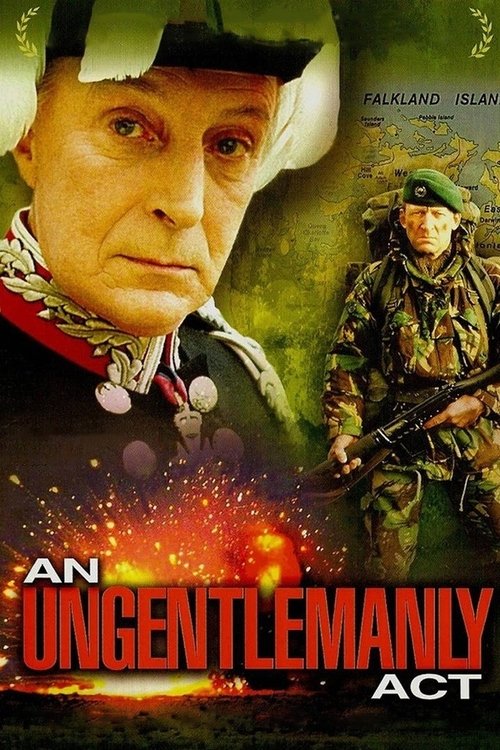
Based on actual accounts, this film portrays the days and hours before and during the invasion of the Falkland Islands by Argentina, which eventually lead to the Falklands War. As the Argentine forces land on the main island and make their way towards Government House, the handful of British defenders batten down the hatches and prepare to defend Governor Rex Hunt, his family, and their fellow islanders from the invaders.
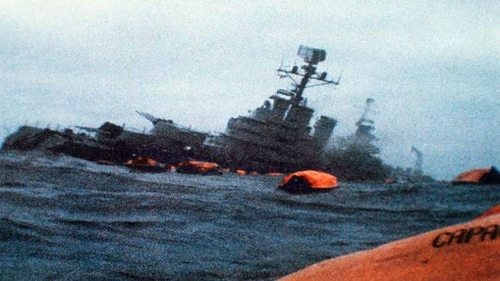
A detailed account of each of the details of the Malvinas War based on interviews, dramatic scenes, maps and other elements of historical roots without ignoring the historical antecedents from the 18th century that ended in this confrontation.
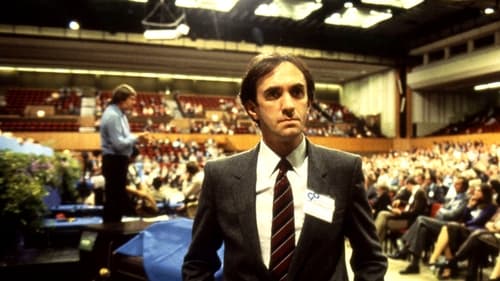
As the UK begins its military engagement in the Falklands, a BBC news journalist attempts to climb up from his working-class roots, at any cost, lying to those around him to get what he wants, only to discover that he is the recipient of a deception far more clever than his own.
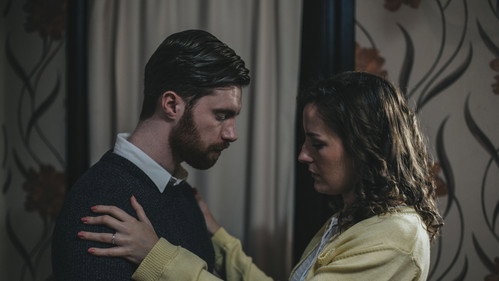
A British Falklands Conflict veteran struggles to reintegrate into civilian life as a “welcome home” party exposes the hidden costs of war, forcing him and his wife to confront the trauma that continues to remain

The drama tells the story of an Argentine elementary-school teacher sent by the government to a rural hamlet located in the northwestern province of Jujuy. It shows how he touches the lives of the villagers, especially the young and impressionable boy Verónico, whose mother died and father left to seek work when he was an infant. The film is based on a non-fiction book written by Fortunato Ramos, a rural teacher in northwest Argentina, that discusses his teaching experiences.
A former soldier reunites with his comrades, who are unaware that they are dead.

The Falklands/Malvinas War has proved a powerful motif in contemporary Argentine film-making and Ramiro Longo's new documentary offers a unique take on the conflict and its pervasive legacy. While Argentina suffered 649 casualties during the War, subsequently over 350 ex-servicemen have committed suicide while attempting to come to terms with civilian life in the aftermath of the 1982 defeat. Longo's film is structured around an extended interview with War veteran Sergio Delgado who provides a moving testimony on the conflict and the ways in which it has subsequently haunted his life and aspirations. As much an insider's view of the conflict as a tale of the legacy of trauma, Not Really Ours offers a reflection on memory, fear and the shaping of a nation's psyche. Longo's deft editing juxtaposes telling footage alongside Delgado's story. The result is both a moving tapestry of war and its scars and a telling reflection on the ways in which official history is constructed.
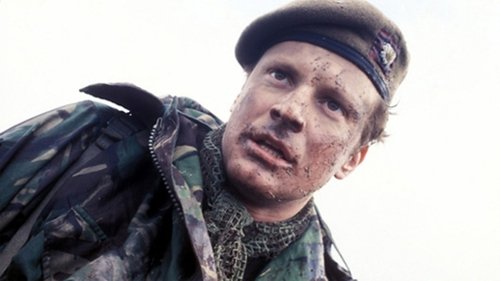
The film centers on the experiences of Robert Lawrence MC, an officer of the Scots Guards during the Falklands War of 1982. While fighting at the Battle of Mount Tumbledown, Lawrence is shot in the head by an Argentine sniper and left paralyzed on his left side. He then must learn to adjust to his new disability.
A Falklands War soldier missing, believed dead, turns up claiming amnesia.
Zimbabwean landmine clearers Shame and Cosimas, as well as medic Previous have been traveling to the other side of the world for years to clear mines in the British Falkland Islands. In the subpolar cold, between sand dunes and penguins, they defuse and blow up the legacies of a forgotten war.
The Falklands War began on April 2, 1982, with the Argentine landing on the islands ordered by Leopoldo Fortunato Galtieri, and culminated with the cessation of hostilities between Argentina and the United Kingdom of Great Britain on June 14, 1982. Through dynamic editing and the use of archival materials, the documentary considers the war as part of our recent past, but also opens up multiple questions and reflections on contemporary society and the future projection of what such a conflict generates for us Argentines.
The Battle of the Falklands, between a Royal Navy task force and five German cruisers, was one of the most dramatic and bloodiest sea conflicts of World War I. When the smoke cleared, four of the German ships had sunk, including the flagship and pride of the German fleet, the SMS Scharnhorst. For decades, none of the downed vessels were ever found. Now, more than 100 years later, maritime archaeologist Mensun Bound and his team are searching for the ships and the secrets they hold. It's a race against time and the raging South Atlantic Ocean.
Andreas Kieling, a famous German documentary film maker, explores the coldest places in the world. He observes various animals in Patagonia, the Falkland Islands, Cape Horn, South Georgia and Antarctica.