
Action
Adventure
Animation
Comedy
Crime
Documentary
Drama
Family
Fantasy
History
Horror
Music
Mystery
Romance
Science Fiction
Thriller
War
Western
Found 37 movies, 11 TV shows, and 0 people
Can't find what you're looking for?

"The film offers a poignant glimpse into the life of Vitalii Velychurov, a key worker in the main bread factory of Mykolaiv, once a frontline city. Russian troops destroyed Mykolaiv's major infrastructure and most of the city's residents have left – including Vitalii's wife and children – but the factory has delivered bread to the besieged population every day since the full scale invasion broke out. Lost in memories of the past and an uncertain future, Vitalii finds solace in the continued rhythm of the factory."
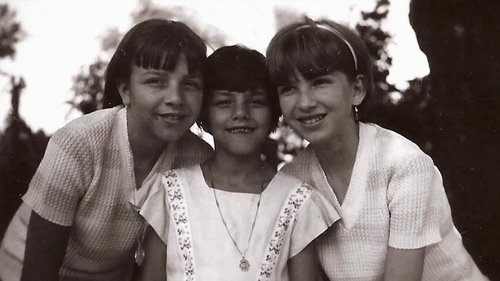
Anezia dos Santos talks about her childhood in Votorantim Factory's Workers' Village.
An atmospheric portrait of four women who leave the factory where they work to go to the beach.
115 years later, a(nother) remake of the Lumiere Brothers pseudo-actuality film La Sortie des usines Lumière. This time around our factory is a job site, a construction site peopled by thousands of Southeast Asian laborers, a neo-Fordist architectural production site that manufactures skyscrapers like so many cars.
Workers are subjected to a very restrictive discipline of everyday behavior that transforms their individuality into a passive condition where labor power is the fundamental purpose of human existence. The body is used for production of goods in exchange of low-wages. Shoes are one of the main export goods made in Portugal. The footwear industry is mainly concentrated in small towns in the north such as Felgueiras, Santa Maria da Feira, Oliveira de Azeméis and São João da Madeira. With technological advances it quickly shifted from its artisanal mode of production and progressed into a sophisticated industrialized system. Through processes of globalization and automation, the value and importance of manual labor and assembly-line work declines.
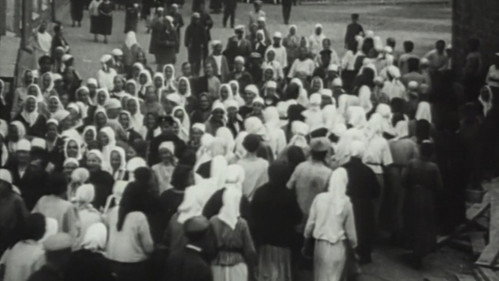
Using one of the Lumière Brothers' first films of workers leaving the Factory as his starting point, Farocki provides an insight to changes in industrial production, workers' strikes and motion pictures-- via images of workers leaving factories throughout the years.

In Croatia in 2005, a machine tools factory was occupied by its workers. Since then, they have operated collectively, becoming the only successful example of a worker occupation in post-socialist Europe. Today, as they seek a new model of collective ownership, the microcosmic world of the factory clashes with the forces of the globalized market economy, having an increasingly brutal impact on wages and the organization of the factory, causing rising disaffection among the workers. Filmmaker Srđan Kovačević returns regularly over a five year period to make a film that charts the evolution of this communal enterprise. Factory to the Workers tells the inside story of the workers who challenged the dominant economic narrative with their actions. After a decade, the same question remains: can a factory in the hands of workers survive at the periphery of capitalism, or do we need a bigger dream?
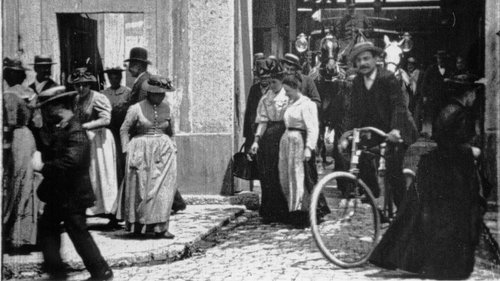
Working men and women leave through the main gate of the Lumière factory in Lyon, France. Filmed on 22 March 1895, it is often referred to as the first real motion picture ever made, although Louis Le Prince's 1888 Roundhay Garden Scene pre-dated it by seven years. Three separate versions of this film exist, which differ from one another in numerous ways. The first version features a carriage drawn by one horse, while in the second version the carriage is drawn by two horses, and there is no carriage at all in the third version. The clothing style is also different between the three versions, demonstrating the different seasons in which each was filmed. This film was made in the 35 mm format with an aspect ratio of 1.33:1, and at a speed of 16 frames per second. At that rate, the 17 meters of film length provided a duration of 46 seconds, holding a total of 800 frames.
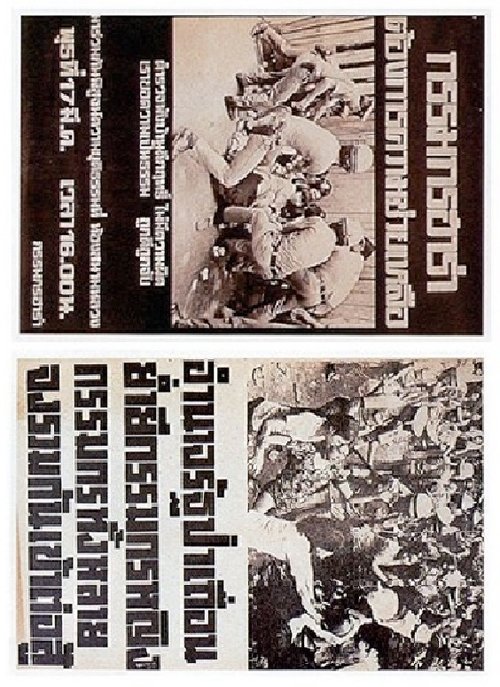
Documentary about the harassment of striking garment factory workers in the city of Nakon Pathom, Thailand.

Cruise ships are spaces of floating utopias, whose central purpose is to build a sense of timelessness and of being carefree. At the same time, from their creation to their destruction, they are vessels of invisible market and labor.
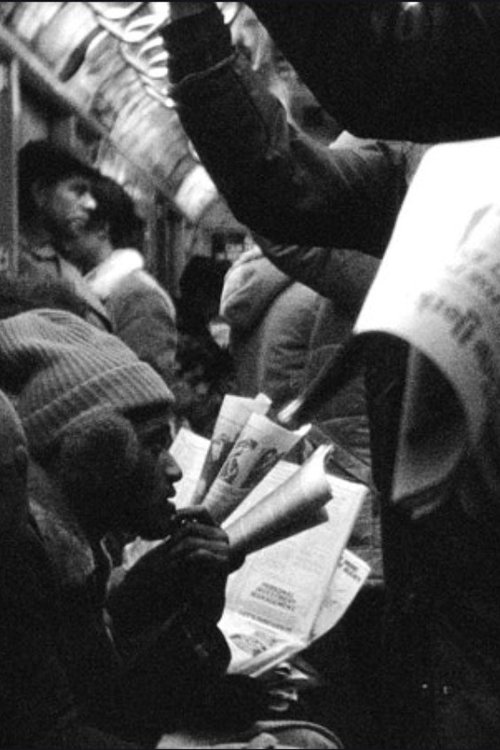
16mm film (black and white, silent)
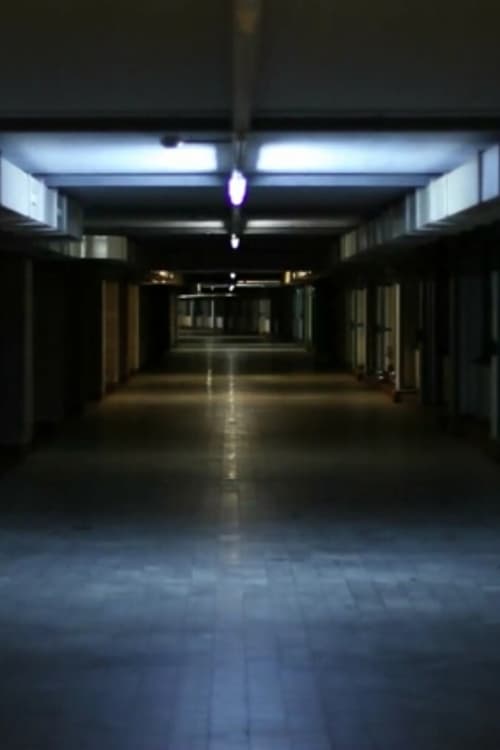
Katharina Gruzei combines a sociopolitical issue and a precise formal concept, which is rare in experimental film. Inspired by the Lumière brothers’ first film, La sortie de l’usine Lumière à Lyon, which shows a large number of workers leaving their factory’s gate, Gruzei begins in the interior, in a passageway (made to seem incredibly long by the editing) that emerges from the darkness. Solely portions of the corridor — a production line at the closed Austria Tabak factory — flash into view in the buzzing neon light. The impressive sound and choreography of light were taken from an installation by the artist in the empty spaces.
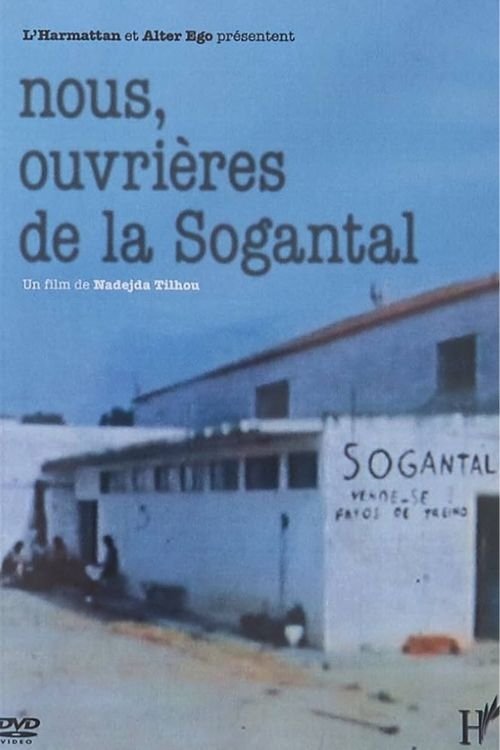
Documenting the workers' occupation of the Sogantal factory during Portugal's revolutionary period.
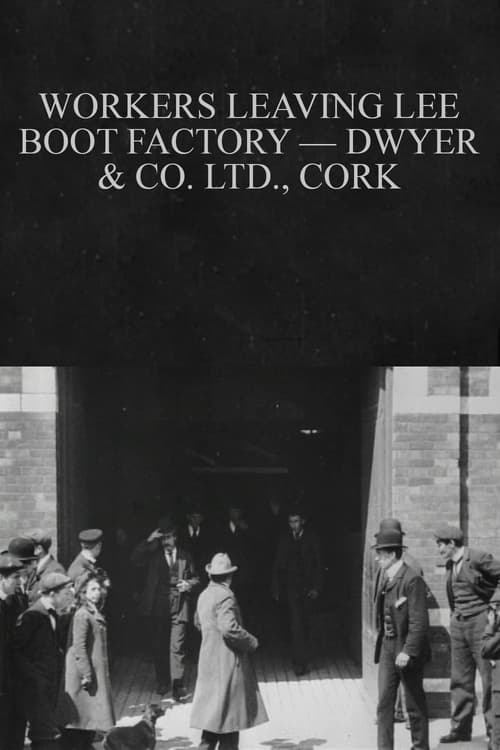
Mitchell and Kenyon's 'factory gate' films are numerous, but this single shot of jovial workers in Great George's Street (now Washington Street) is the only Irish example to survive. Despite successive Acts of Parliament limiting child labour, there are still many young workers here. Under the 'half-time system', they would have split their time equally between school and work.
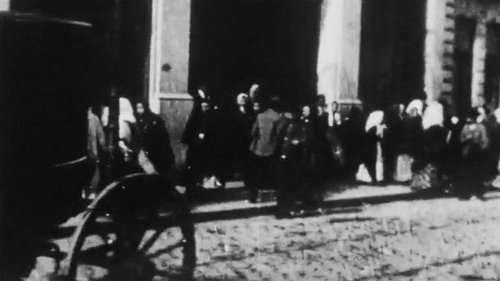
A large number of workers, mostly young women, leave by the front door of their work place at lunch time. The building has an impressive colonnaded facade, and is located at 181, Santa Catarine St., Porto - one of the city's main streets. A passengers' horse cart crosses from right to left of the screen, and a few seconds after an ox cart carrying merchandise crosses in the opposite direction. All the while, workers keep leaving the factory, giving a sense of a large work force.

In 1992, more than 130 female workers in Jialong Garment Factory lost their jobs. That year, in order to transfer capital to Indonesia, the factory announced the closure of the factory at the same time as the union was established. The boss, Zhu Yinglong, a professor at Taiwan University, refused to pay severance payment in accordance with the standards of the Labor Law Law. The employees had nowhere to ask for help and decided to take to the streets to seek justice.
Silent film.

A young boy wins a tour through the most magnificent chocolate factory in the world, led by the world's most unusual candy maker.

Barry B. Benson, a recent college graduate who wants more out of his life than making honey, decides to sue the human race after learning about the exploitation of bees at the hands of mankind. What will happen next?

When eccentric candy man Willy Wonka promises a lifetime supply of sweets and a tour of his chocolate factory to five lucky kids, penniless Charlie Bucket seeks the golden ticket that will make him a winner.

Iris is a shy and dowdy young woman stuck in a dead-end job at a match factory, who dreams of finding love at the local dancehall. Finding herself pregnant after a one-night stand and abandoned by the father, Iris finally decides the time has come to get even and she begins to plot her revenge.
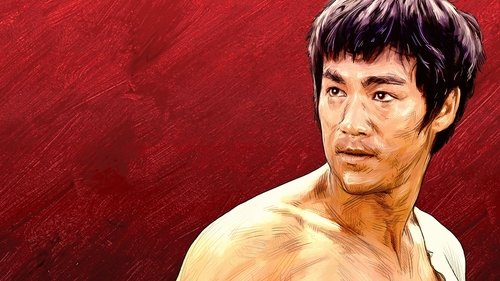
Cheng is a young Chinese mainlander who moves in with his expatriate cousins to work at an ice factory in Thailand. He does this with a family promise never to get involved in any fights. However, when members of his family begin disappearing after meeting the management of the factory, the resulting mystery and pressures force him to break that vow and take on the villainy of the Big Boss.
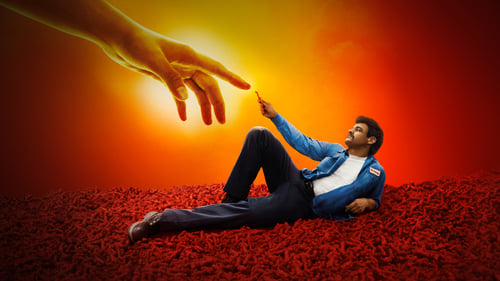
The inspiring true story of Richard Montañez, the Frito Lay janitor who channeled his Mexican American heritage and upbringing to turn the iconic Flamin' Hot Cheetos into a snack that disrupted the food industry and became a global pop culture phenomenon.
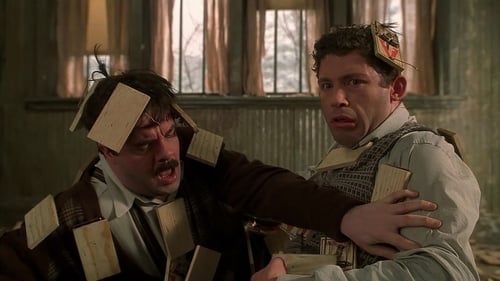
Down-on-their luck brothers, Lars and Ernie Smuntz, aren't happy with the crumbling old mansion they inherit... until they discover the estate is worth millions. Before they can cash in, they have to rid the house of its single, stubborn occupant—a tiny and tenacious mouse.
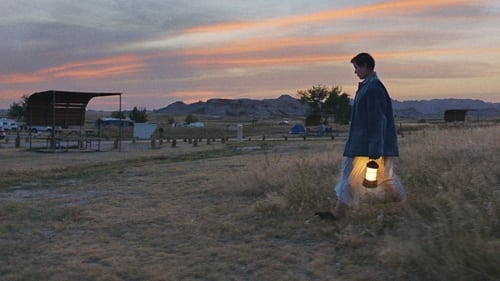
A woman in her sixties embarks on a journey through the western United States after losing everything in the Great Recession, living as a van-dwelling modern-day nomad.

Selma, a Czech immigrant on the verge of blindness, struggles to make ends meet for herself and her son, who has inherited the same genetic disorder and will suffer the same fate without an expensive operation. When life gets too difficult, Selma learns to cope through her love of musicals, dreaming up little numbers to the rhythmic beats of her surroundings.
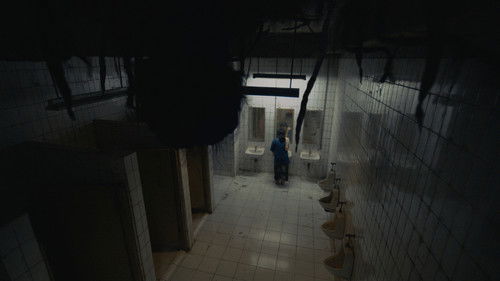
Two sisters deal with the sudden death of their mother at a wig factory. One believes it was suicide while the other is certain it was a result of possession and takes a job at the factory to uncover the truth. Meanwhile, their brother - born with an eerie gift to regenerate his own body - catches the attention of a ghostly figure roaming the factory, searching for a vessel to inhabit.
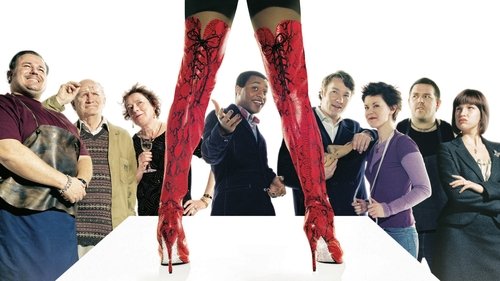
Charles Price may have grown up with his father in the family shoe business in Northampton, central England, but he never thought that he would take his father's place. Charles has a chance encounter with the flamboyant drag queen cabaret singer Lola and everything changes.
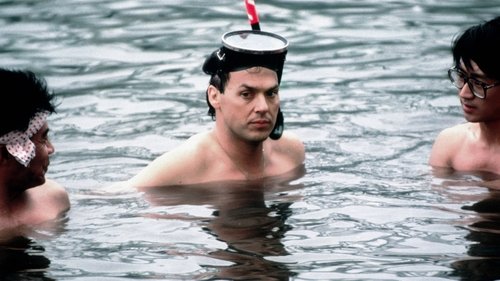
When a western Pennsylvania auto plant is acquired by a Japanese company, brokering auto worker Hunt Stevenson faces the tricky challenge of mediating the assimilation of two clashing corporate cultures. At one end is the Japanese plant manager and the sycophant who is angling for his position. At the other, a number of disgruntled long-time union members struggle with the new exigencies of Japanese quality control.
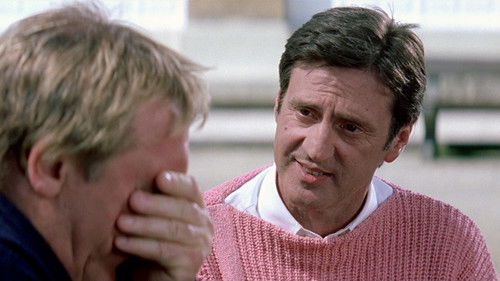
A man spreads the rumor of his fake homosexuality with the aid of his neighbor, to prevent his imminent firing at his work.
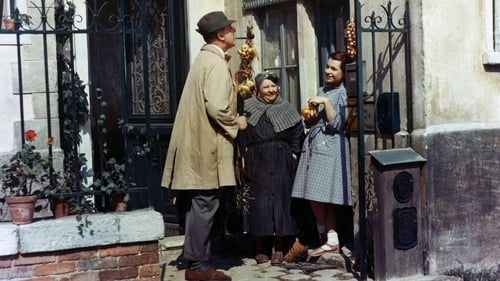
Genial, bumbling Monsieur Hulot loves his top-floor apartment in a grimy corner of the city, and cannot fathom why his sister's family has moved to the suburbs. Their house is an ultra-modern nightmare, which Hulot only visits for the sake of stealing away his rambunctious young nephew. Hulot's sister, however, wants to win him over to her new way of life, and conspires to set him up with a wife and job.

Marion is a factory worker who hopes to trade the assembly line for a beautiful penthouse apartment. Mark Whitney, a wealthy and influential lawyer, can make her dreams come true, but, there is only one problem; he will give her everything except a marriage proposal. Will this affair ever lead to marriage?
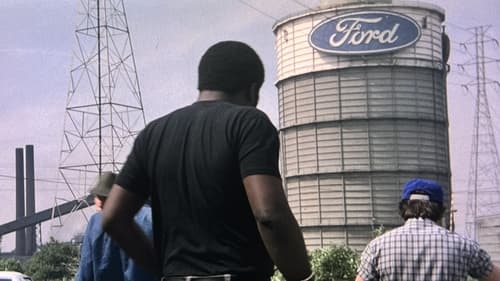
Fed up with mistreatment at the hands of both management and union brass, and coupled with financial hardships on each man's end, three auto assembly line workers hatch a plan to rob a safe at union headquarters.
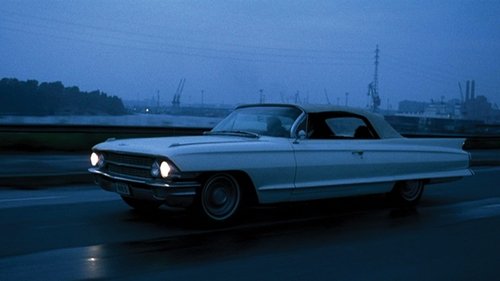
A Finnish man goes to the city to find a job after the mine where he worked is closed and his father commits suicide.
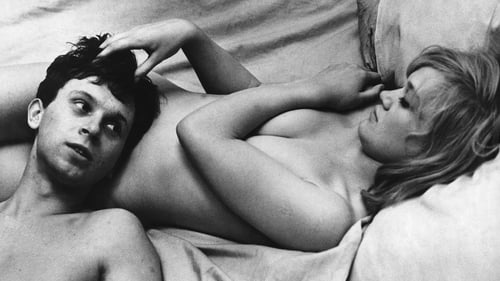
Andula, an innocent Czech girl from a factory town, is desperately in search of love. She believes she's found it when she beds Milda, a charming young musician visiting from Prague. Milda, however, is only looking for a casual encounter, and leaves town assuming he'll never see Andula again. But when Andula doesn't hear from him, she packs up and heads to Prague, to the surprise of Milda and his parents.

An enterprising youngster in a slum wants his people to lead a life of dignity, but has to take on an ambitious capitalist, who only wants to dominate his field.
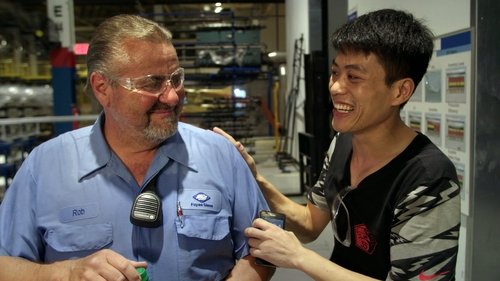
In post-industrial Ohio, a Chinese billionaire opens a new factory in the husk of an abandoned General Motors plant, hiring two thousand blue-collar Americans. Early days of hope and optimism give way to setbacks as high-tech China clashes with working-class America.