
Action
Adventure
Animation
Comedy
Crime
Documentary
Drama
Family
Fantasy
History
Horror
Music
Mystery
Romance
Science Fiction
Thriller
War
Western
Found 40 movies, 1 TV show, and 0 people
Can't find what you're looking for?
An experimental drama with the motif of "experimental film". What does it mean to be reproduced on film? Under the theme of fundamental questions, it will express the relationship between men and women with a mysterious visual beauty. The story gradually increases in illusion, and the audience is brought into the world of the hero's heart.
Documentary short, directed and edited by Arthur Lipsett in 1963 for the National Film Board of Canada

Experimental film from the first semester of the Cinema course at Faculdade IESB, the purpose of the short film is to cause feelings of melancholy in the audience, with scenes and soundtracks that express a feeling to those who watch it.

an aggressive thunderstom reeks havoc outside

William K.L. Dickson plays the violin while two men dance. This is the oldest surviving sound film where sound is recorded on the phonograph.
A strange walk through a living room.

On a day in the field, a young woman questions her relationship when she catches a man taking photos of her.
Culled from 3 decades of experimental film and video footage, specially enhanced with visual effects, this DVD is all you need to create a psychedelic light show experience! Combine with your own music and play on your TV or use a video projector for maximum effect. Contains 10 distinct sections with uniquely trippy visuals to create the right mood for your party, musical performance, or just chillin' out!
No description available for this movie.
A focus group are shown 'Experimental Film No. 1' and don't understand it, meanwhile The Director attempts to reflect on his work and previous relationship.
A short biopic about the early years of The Brothers Chaps.
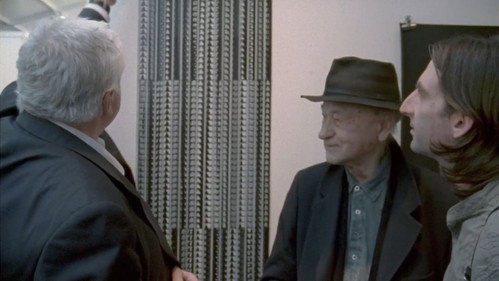
Experimental filmmaker Pip Chodorov traces the course of experimental film in America, taking the very personal point of view of someone who grew up as part of the experimental film community.
A group of dissenting people plays cards
A selection of seven films from a contemporary cinema, removed from Bollywood, that testifies to the richness of creativity in India. Oscillating between documentary, video art, experimental film, and animation, this compilation explores the means with which the texture of memory is incorporated within post-colonial Indian society's individual journeys as well as the national psyche; within private circles as well as public spaces. It allows for contrasting points of view regarding the country's situation and its unanswered question: when the past has yet to catch up with the present, is it a threat or an alternative to the present?
Innovative and influential musician Tom Verlaine, joined by celebrated producer and guitarist Jimmy Rip, reawaken the spirit of the avant grade film as they perform a series of newly composed musical scores. The ground breaking works of Man Ray, Watson & Weber, Fernand Leger and Hans Richter take on new life wrapped in scores that are by turns playful, haunting, serene and intense. Verlaine was the guiding force behind the band Television, which ushered in a new era of independent pop music in the 1970s. After releasing a series of award winning solo albums, Verlaine was hailed by The New York Times in 1996 as, "a visionary artist with his creativity and energy undimmed." As composer, producer, singer and sideman, Rip has collaborated with such music legends as Jerry Lee Lewis, Mick Jagger and Deborah Harry. He has recorded with Verlaine since 1981.

Commencing in 1920 with Charles Sheeler and Paul Strand's creative collaboration on Manhatta, successive generations of experimental filmmakers and artists have worked in collaboration or alone to create a cinema capable of expressing dynamic unspoken concepts in totally abstract visual terms. Flicker Alley and the Blackhawk Films® Collection in cooperation with Filmmakers Showcase are proud to present this premiere collection of 37 films created by some of the most acclaimed names of American Avant-garde experimental filmmaking.
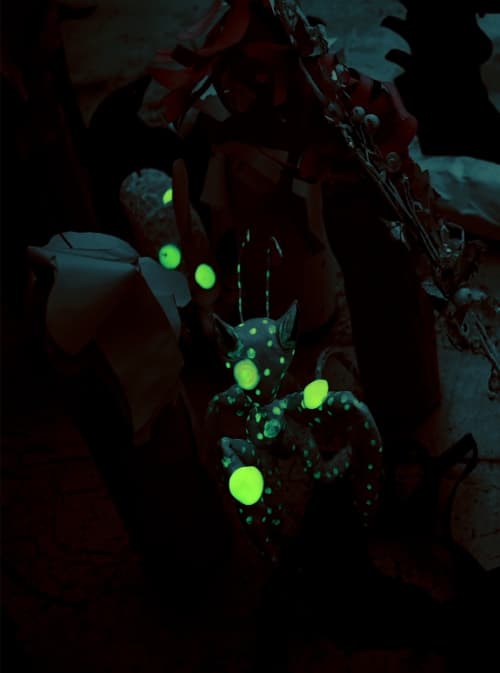
Eric Leiser is an award-winning artist, filmmaker, animator, puppeteer, writer and holographer working in New York and born in California. This program is available on kinoscope.org
Film by the painter Carlos Calvet.
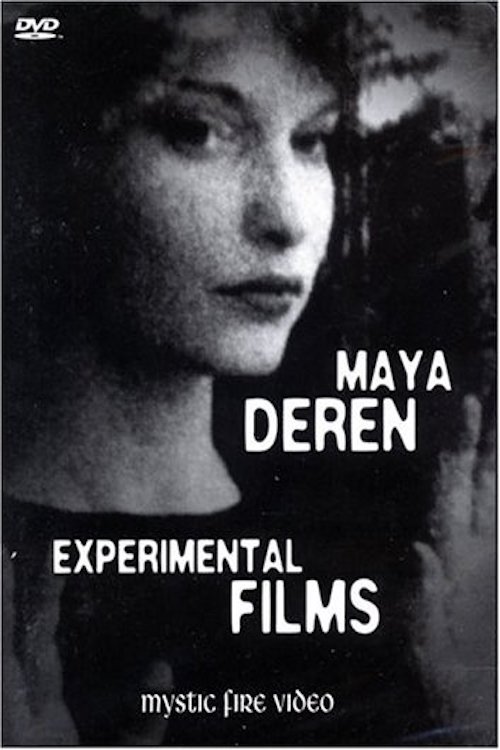
The collected shorts of Maya Deren the "Mother of the trance film" who worked completely outside the commercial film industry and made her own inner experience the center of her films.The collected shorts of Maya Deren the "Mother of the trance film" who worked completely outside the commercial film industry and made her own inner experience the center of her films.
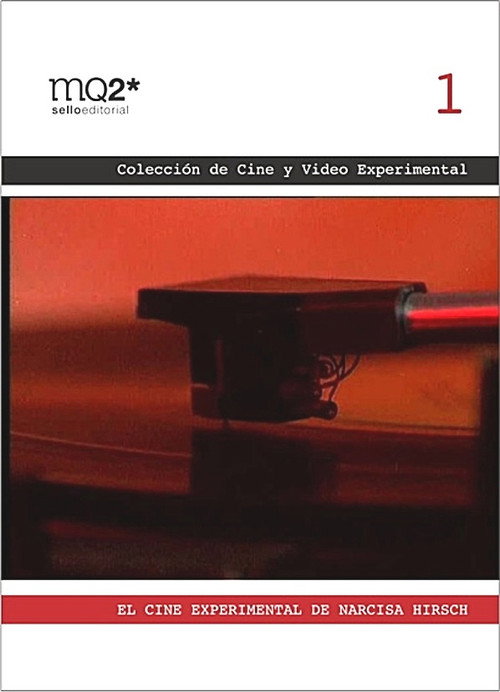
Narcisa Hirsch (Berlin, 1928), a pioneer of experimental cinema in Argentina, produced continuously in various media since the 60s. In the beginning, as a painter and illustrator, her works were exhibited at the Gallery Lirolay, which, like the Instituto Di Tella, was the most important art gallery in Buenos Aires in the 60s. She conducted performances and happenings, and was part of the group of filmmakers formed by Marie Louise Alemann, Claudio Caldini, Horacio Vallereggio, Juan Villola and Juan José Mugni, exhibiting their films outside the circuit of theaters and institutions, with the exception of the Goethe Institute, an organization that during the last military dictatorship in Argentina accompanied this movement and gave a formal context to it.
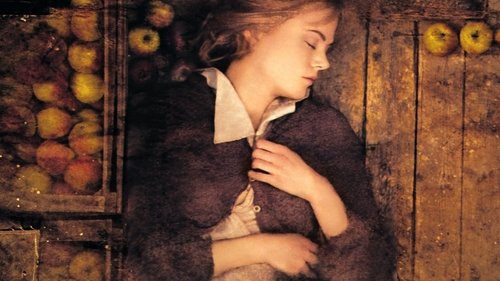
A woman on the run from the mob is reluctantly accepted in a small Colorado community in exchange for labor, but when a search visits the town, she learns that their support has a price.
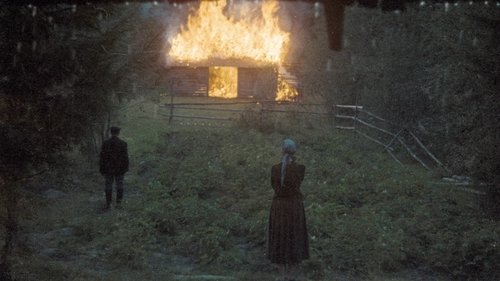
A dying man in his forties recalls his childhood, his mother, the war and personal moments that tell of and juxtapose pivotal moments in Soviet history with daily life.
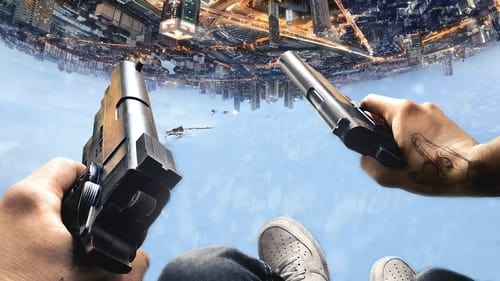
Henry, a newly resurrected cyborg who must save his wife/creator from the clutches of a psychotic tyrant with telekinetic powers, AKAN, and his army of mercenaries. Fighting alongside Henry is Jimmy, who is Henry's only hope to make it through the day. Hardcore Henry takes place over the course of one day, in Moscow, Russia.
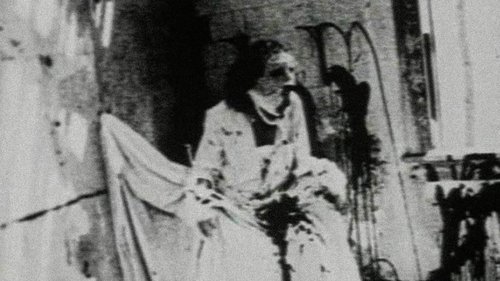
Begotten is the creation myth brought to life, the story of no less than the violent death of God and the (re)birth of nature on a barren earth.
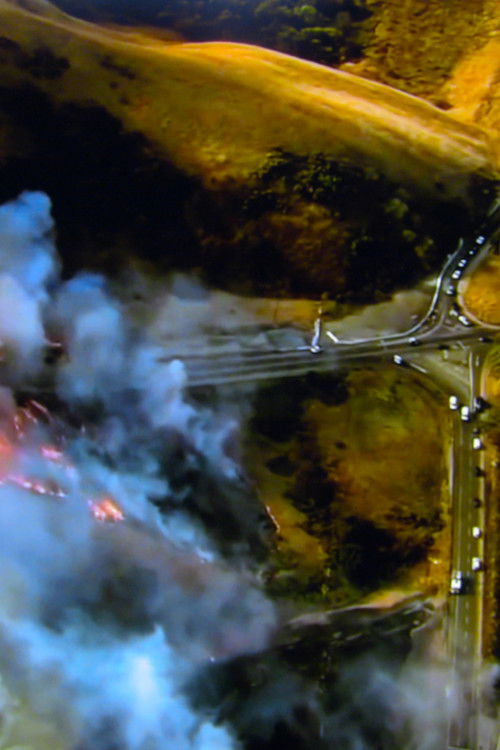
Surveillance helicopters and the police chase astral travellers. Astral Pegasus is part of the anthology ‘I Went to a Party Alone’ in which YouTube vlogs of random daily life are recast as scenes imbued with mythic allusions. When the hard cuts and juxtapositions reveal a landscape of oppressive social control, the vloggers’ mundane normal soon gives way to the surreal. Surveillance helicopters chase astral travellers; child hunters look through scope-cam rifles to aim for the heart; 'unboxing' and 'apartment tour' vlogs conjure containment and borders; a 'drive with me' transforms into sousveillance. Seemingly innocuous recordings about shopping, driving or dating are fraught with foreboding as the vloggers who yearn for freedom, love and self-expression find themselves unable to escape society’s haunting bondage.
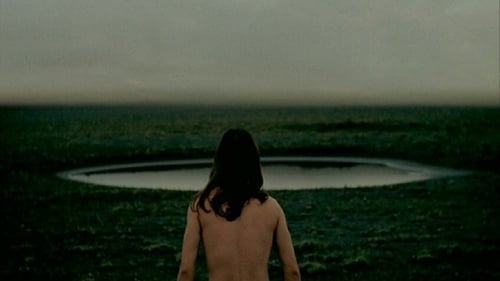
An anthology film consisting of four segments based on literary works by Edogawa Ranpo.
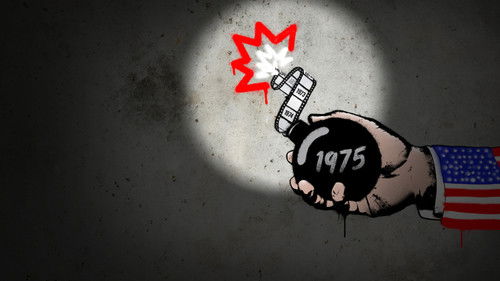
In 1975, as America faced social and political upheaval, filmmakers turned chaos into art.
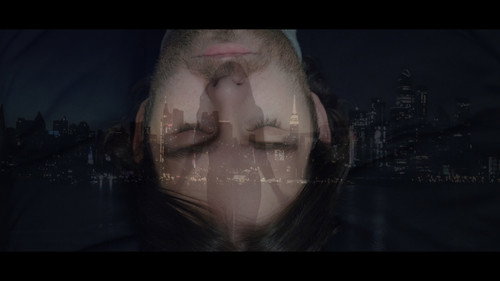
A freelance photographer in New York City, suddenly finds himself under a bleak confinement of his own mind while the entire city falls under a physical lockdown. Isolated he roams the deserted streets in the night his mind becomes increasingly restless. Over time, his past and present photography oscillate between fantasy and reality, surrendering him into the asylum of his own mind.
Empty box-like apartments and shipping containers evoke the border crossing vampire who travels in a coffin. Unboxing Nosferatu is part of the anthology ‘I Went to a Party Alone’ in which YouTube vlogs of random daily life are recast as scenes imbued with mythic allusions. When the hard cuts and juxtapositions reveal a landscape of oppressive social control, the vloggers’ mundane normal soon gives way to the surreal. Surveillance helicopters chase astral travellers; child hunters look through scope-cam rifles to aim for the heart; 'unboxing' and 'apartment tour' vlogs conjure containment and borders; a 'drive with me' transforms into sousveillance. Seemingly innocuous recordings about shopping, driving or dating are fraught with foreboding as the vloggers who yearn for freedom, love and self-expression find themselves unable to escape society’s haunting bondage.
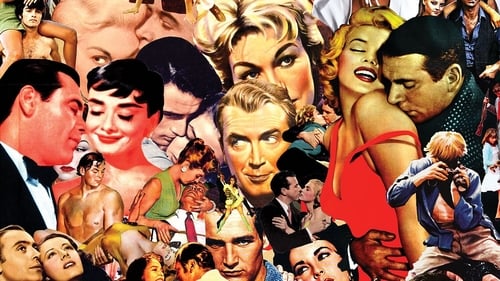
A film where anything can happen - the hero and the heroine changes their faces, age, look, names, and so on. The only same thing: The love between man and woman... in an archetypical love story cut from 500 classics from all around the world.

A painter and model journey through time and space in a 1989 Mercedes Benz 300E. Attempting to paint the perfect portrait, their relationship and reality is stretched to the limit.
On the verge of losing her sense of self, a young woman trapped in an abusive relationship must summon the strength to break free, symbolized by the shattering of a neglected fishbowl, or risk being consumed by her captivity.

In the deep of autumn, a woman faces fragments of memory and unease, unsure if she's mourning the past or herself.

A man named Shiki has been sent to a company in Matsuyama. Since Shiki was famous as a baseball club member at a previous company, there is a story about baseball clubs in the company. Ken, who was a player in high school, participated without being reluctant, supported by his lover Michiko.
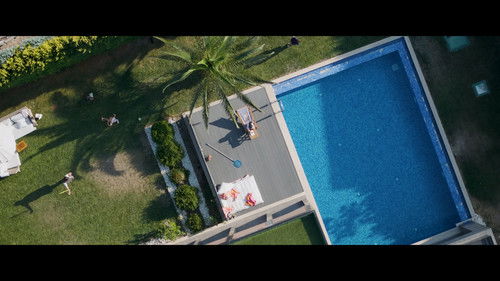
The innocent lines of a young girl’s diary recount the visit of her father’s colleagues, the games played in the garden, and the weight of the summer heat through her naïve perspective. Yet, when a “snowflake” falls onto her notebook, it slowly begins to reveal traces of another, unseen reality. What starts with childhood innocence and joy gradually touches upon a far heavier truth of our time.

In an evicted apartment, a ghost-like presence remembers its luminous past and its progression towards its current state of decay. It yearns to be what it once was.
A roll and a half made to delight in color and the presence of friends. Steps toward learning to read in the dark.
London, today. A refugee washes up naked in a suitcase on the bank of the Thames. The enigmatic, sexually fluid stranger introduces himself to a bourgeois, upper-class family, who invite him to stay on as an employee. The Visitor soon seduces each member in a series of explicit sexual encounters. He will turn their world upside down as they can redefine themselves in new, radical ways.

Unsatisfied photographer captures the photo of an eccentric homeless man. But, what seemed to be the answer to her lack of inspiration carries a much greater emotional responsibility.
A Romany woman travels from Praha to her home in Transylvania