
Action
Adventure
Animation
Comedy
Crime
Documentary
Drama
Family
Fantasy
History
Horror
Music
Mystery
Romance
Science Fiction
Thriller
War
Western
Found 44 movies, 4 TV shows, and 2 people
Can't find what you're looking for?
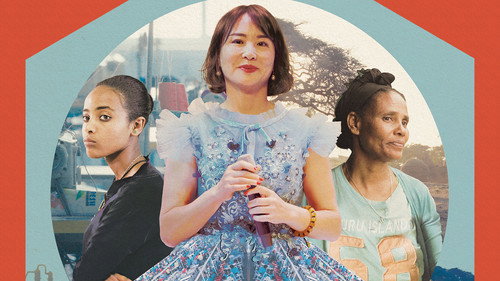
When a massive Chinese factory complex attempts a high-stakes expansion in rural Ethiopia, three women in search of prosperity have their faith in industrialization tested to the limit. Filmed over four years with singular access, Made in Ethiopia lifts the curtain on China’s historic but misunderstood impact on Africa, and explores contemporary Ethiopia at a moment of profound crisis. The film was awarded the Jury Special Mention at Tribeca Festival.

A brief visit to the unique wildlife and peoples of Ethiopia. Expect the unexpected.
Mexican feature film

The filmmaker envisions what life would have been like if her parents never left their country of origin. The haunting imagery and disjointed narration (in Amharic, left un-translated) create a portrait of the place her mother and father called home.

Set during the time of the Red Terror war in 1970's in Ethiopia, the country's political tyranny has created huge population of refugees searching for an escape. Yene Fikir, Ethiopia, meaning 'My Love, Ethiopia', follows the turbulent and mystical journey of a young girl searching for freedom after being separated from her family. As she embarks on a painful migration through the scorching desert, magical guardian angels are sent to aid her by a mysterious and ancient Goddess in the skies, holding the secret to heal her homeland. With the presence of her angels, and the power of her magical krar, she discovers hidden powers within herself she was unaware of before.

The history of art in Ethiopia. The film emphasizes the styles, materials, etc. ofpaintings on walls and roofs of ancient churche
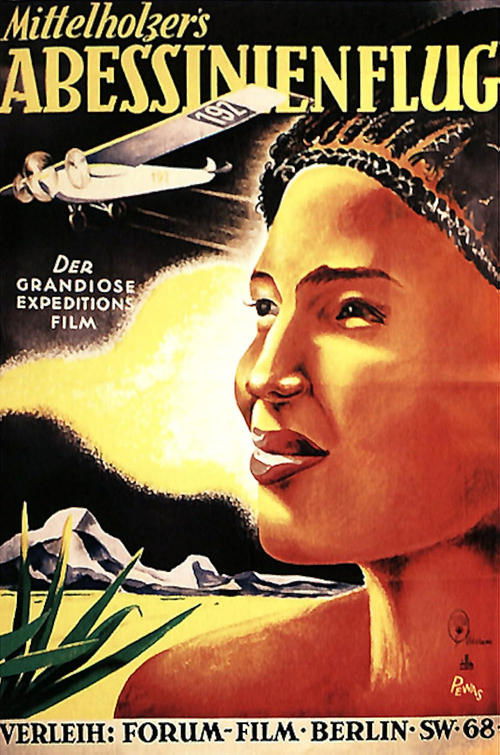
A travelogue of Ethiopia by plane, automobile and mule, showing the lives, customs, and habits of the people, and the conditions of the country.

First aired on TV on the BBC Two on 29 September 1989, this second episode of the documentary series "Under African Skies", a grand project aimed at presenting the rich diversity of contemporary African music of those days and known for its unforgettable memento "A celebration of the new sounds of a continent. " traverses the nostalgic roots and the euphoric contours of Ethiopian music of the '80s.

Joe Bini and Maya Daisy Hawke, both veteran editors, invite you into their home as they confront their own relationship catharsis. What ensues is a live cinematic dialogue that uses personal videos, photographs, and repurposed films they have edited in the past with directors like Werner Herzog and Lynne Ramsay. The performance takes its title from the eponymous residential area of Los Angeles where the couple used to live—imbuing it with a mythical feeling, like Twin Peaks and Mulholland Drive. We follow the open-ended editing process as it happens. Conflicting perspectives normally patched over in the editing room are revealed to us. In contrast to a film, which at a certain point is deemed finished and gets “locked,” this story keeps on developing. Like life itself, the edit remains endlessly open to change.
The film recounts the life of children living on the street in Gondar, Ethiopia, by witnessing the interaction between two children and the filmmaker. The entire film was shot in the room of Ethiopia Hotel. This limited space allows the film to focus on their communication and captures some of the ideas that enable the children to endure and survive on the street. Indeed, this film is more a sensitive testimony than a scientific documentary. This hybrid approach aims to explore new trends in visual anthropology, including the issue of dealing with intimacy and subjectivity.

A documentary by Atteyat Al Abnoudi.
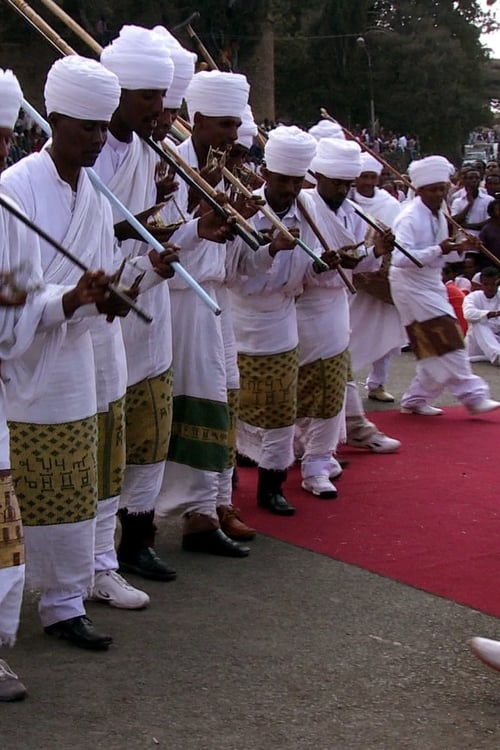
The meeting of Getnet, an Ethiopian Jew and Salomon, an orthodox Christian, takes us into the heart of Ethiopia’s history and religious traditions. They travel 900 kilometres, showing us their universe. They finally arrive into the whirlwind of the Ethiopian Epiphany, the most spectacular event in the Horn of Africa.
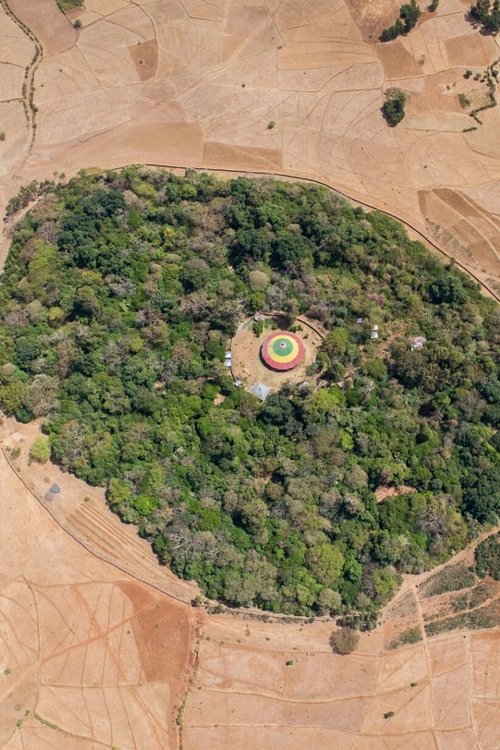
In Ethiopia, church forests are withstanding environmental destruction — but just barely.
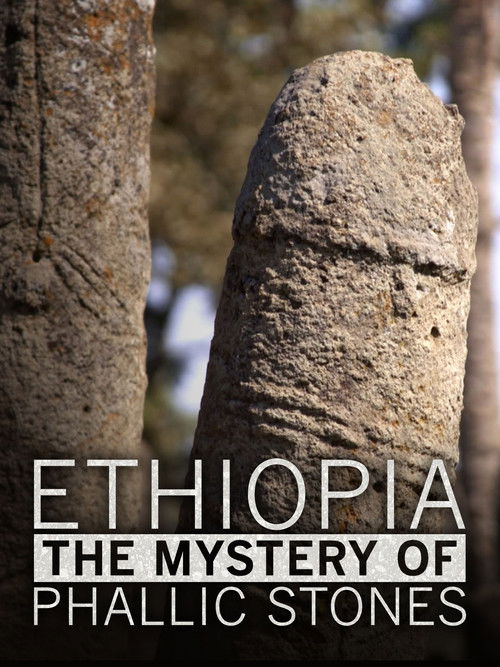
Explores a massive, newly discovered megalithic site in Southern Ethiopia. Featuring thousands of phallic-shaped monoliths up to 20 feet tall, the site in the Gedeo zone is ten times larger than Stonehenge and dates from the 1st century A.D. to the 13th century.
This is the second part of a four parts series of documentaries on Ethiopia made by the German television journalist Klaus Stephan in the mid 60ies.
The story of the phenomenal transformation of a nation told through the experience of one man, Aba Hawi. He leads his village in a struggle against drought, famine and conflict to secure their future.
A documentary by Jean-Louis Saporito on the early history of Christianity in Ethiopia, and the monks who are still practicing.
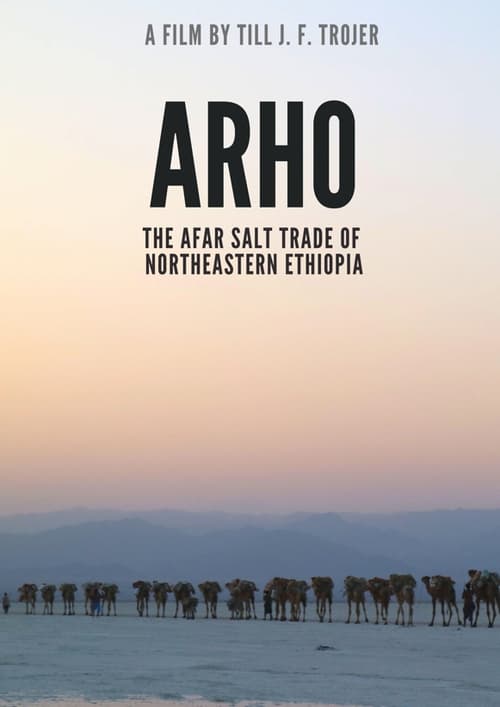
The documentary follows the journey of a camel caravan to the salt plains of the Afar Depression. Traditionally the caravans moved from Afar Depression to other parts of Ethiopia and to the Red Sea coastal regions of modern-day Eritrea and Djibouti. For centuries the control, trade and distribution of salt was of primary importance in the articulation of economic, social, and political life of the nomadic communities living along the caravan trails. Since 2010, trucks have slowly replaced the camel caravans. This has led to a steady decline in the trade. The film, relying on strong visual imagery and traditional Afar music, selected by the participant of this project, documents how the decline of this trade affects the daily life of the communities in Berahle district of North-eastern Ethiopia.
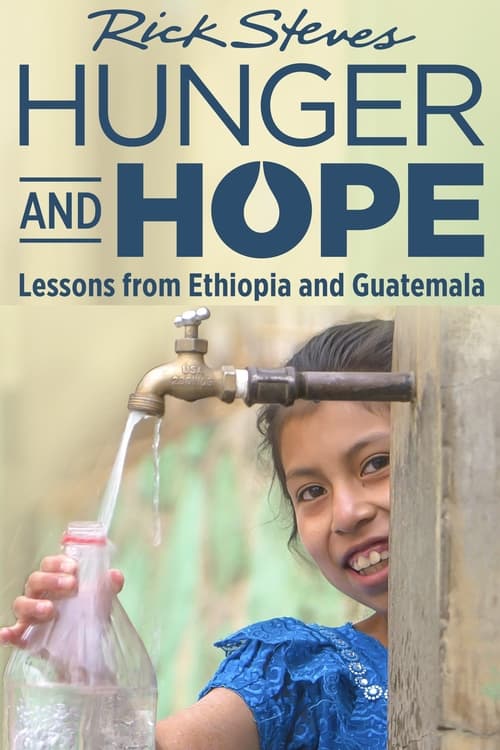
In this hour-long special, Rick Steves ventures beyond Europe. Traveling through Ethiopia and Guatemala, he learns from locals and experts about key aspects of extreme poverty and how to beat it.

A documentary film on an extraordinary artist called Asnaketch Worku who is as much a cultural icon to Ethiopians as Billie Holiday is to Americans and Edith Piaf to the French. Asnaketch lived her life on the edge of her artistry, over the edge of her passions. She brought high standards to theater and excitement to music in conservative Ethiopia in the 1950's-60's. Her gift and transparent nature made her infectious to audiences not only in Ethiopia but also around the world.
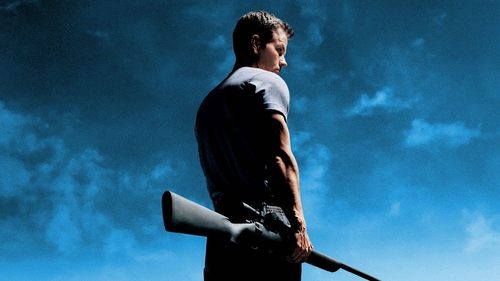
A top Marine sniper, Bob Lee Swagger, leaves the military after a mission goes horribly awry and disappears, living in seclusion. He is coaxed back into service after a high-profile government official convinces him to help thwart a plot to kill the President of the United States. Ultimately double-crossed and framed for the attempt, Swagger becomes the target of a nationwide manhunt. He goes on the run to track the real killer and find out who exactly set him up, and why, eventually seeking revenge against some of the most powerful and corrupt leaders in the free world.

A charismatic New York City jeweler always on the lookout for the next big score makes a series of high-stakes bets that could lead to the windfall of a lifetime. Howard must perform a precarious high-wire act, balancing business, family, and encroaching adversaries on all sides in his relentless pursuit of the ultimate win.

Sarah Jordan, an American living in London in 1984, is married to the son of a wealthy British industrialist. She encounters Nick Callahan, a renegade doctor, whose impassioned plea for help to support his relief efforts in war-torn Africa moves her deeply. As a result, Sarah embarks upon a journey of discovery that leads to danger, heartbreak and romance in the far corners of the world.
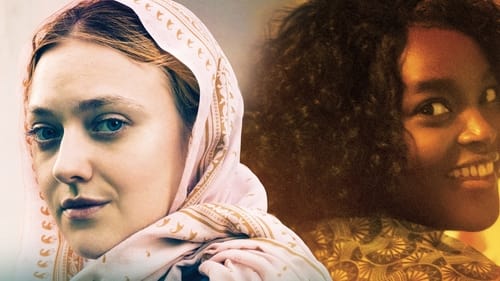
Orphaned in Africa as a child, Lilly escapes to England as a refugee, fleeing civil war in Ethiopia. Lost in this cold new world, Lilly embraces the immigrant community in London, attempting to reunite people with their scattered families. But as her friend Amina discovers, Lilly's mission isn't purely selfless: a passionate lost love affair is revealed.
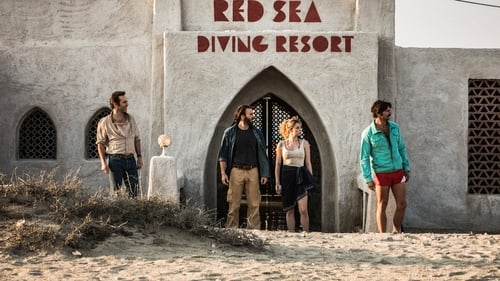
Sudan, East Africa, 1980. A team of Israeli Mossad agents plans to rescue and transfer thousands of Ethiopian Jews to Israel. To do so, and to avoid raising suspicions from the inquisitive and ruthless authorities, they establish as a cover a fake diving resort by the Red Sea.

Detective John Shaft travels incognito to Ethiopia, then France, to bust a human trafficking ring.
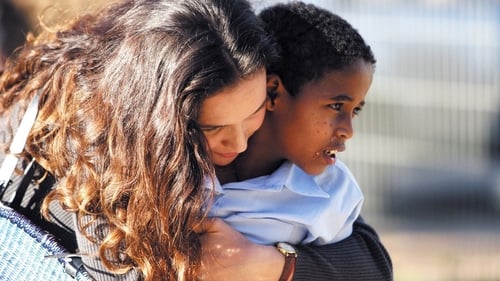
In 1980, the black Falashas in Ethiopia are recognised as genuine Jews and are secretly carried to Israel. The day before the transport the son of a Jewish mother dies. In his place and with his name (Schlomo) she takes a Christian 9-year-old boy.
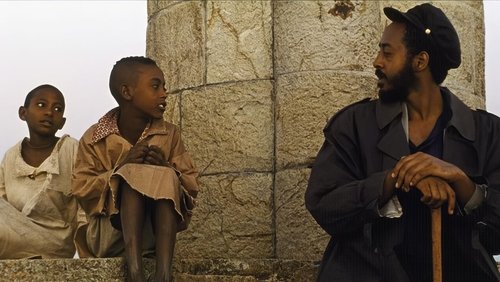
The Ethiopian intellectual Anberber returns to his native country during the repressive totalitarian regime of Haile Mariam Mengistu and the recognition of his own displacement and powerlessness at the dissolution of his people's humanity and social values. After several years spent studying medicine in Germany, he finds the country of his youth replaced by turmoil. His dream of using his craft to improve the health of Ethiopians is squashed by a military junta that uses scientists for its own political ends. Seeking the comfort of his countryside home, Anberber finds no refuge from violence. The solace that the memories of his youth provide is quickly replaced by the competing forces of military and rebelling factions. Anberber needs to decide whether he wants to bear the strain or piece together a life from the fragments that lie around him.

During World War II, a plane full of RAF fighter crashes in the Ethiopian desert and they are met upon by an enemy Italian patrol that allows them to go free. But, when the Brits are given orders to attack the Italians, lots of problems ensue.
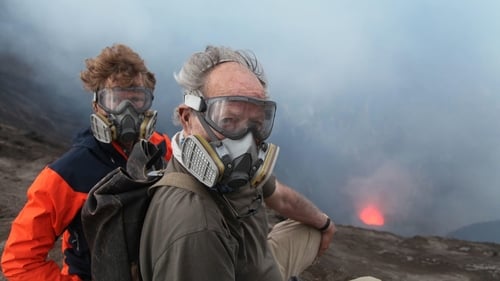
With stunning views of eruptions and lava flows, Werner Herzog captures the raw power of volcanoes and their ties to indigenous spiritual practices.
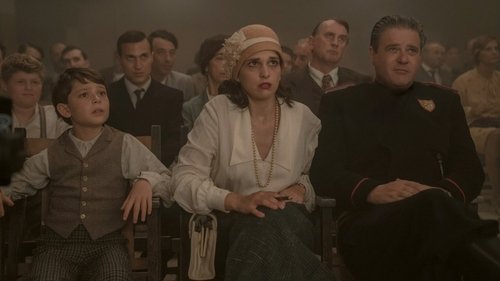
1936, in the aftermath of the Ethiopian occupation by Fascist Italy, under the incredulous gaze of the inhabitants of the small town in the Italian province Abraham Imirrù, an ethiopian prince and guerrila fighter is being held prisoner in the local Podesta garden's aviary. But for little Emilio, local recently force enlisted and reality-dissociated Balilla, he is Sandokan, the literal Salgari's character ...and he will be his hero.
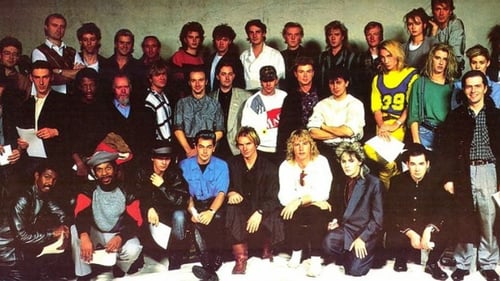
A 30-minute video featuring documentary footage shot at the November 1984 recording session of Band Aid's 'Do They Know It's Christmas?'. It includes interviews with the charity supergroup's recording artists and musicians, as well as the completed promotional video.
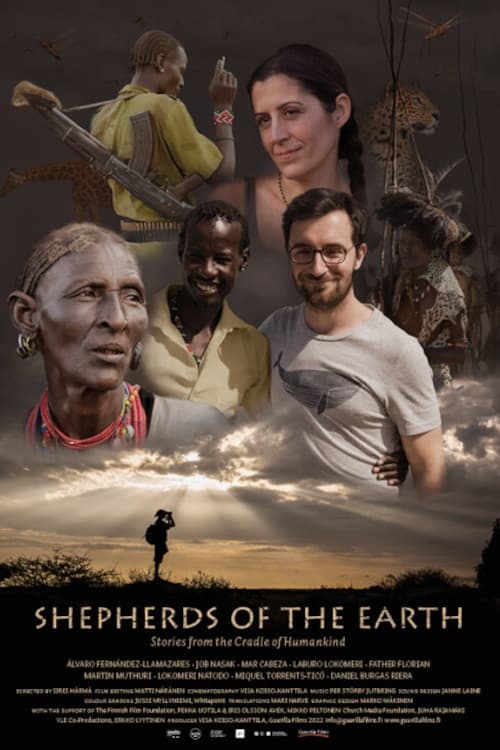
The region of Lake Turkana, located in Kenya and Ethiopia, is considered to be “the Cradle of Humankind”. Among other finds, primate fossils from millions of years ago have been discovered in the region. But what about the region’s modern inhabitants and their relationship to their environment? Iiris Härmä, whose previous work includes the award-winning Leaving Africa, had the chance of joining Helsinki University’s researchers, Álvaro Fernández-Llamazares and Mar Cabeza, on their pre-pandemic trip to study the Daasanach people’s relationship to their environment through traditional animal tales. The researchers hope that storytelling would help to bridge the gap between people’s everyday lives and conservation efforts.
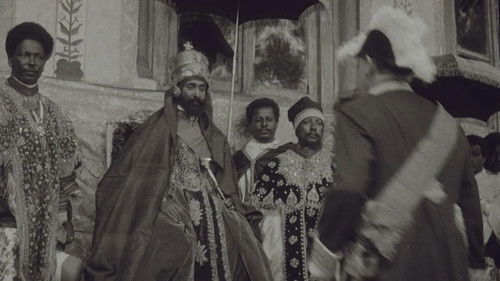
By means of a chronological arrangement of historical video material from the Istituto Luce archives, it tells the story of Fascist Italy's ambitions in Africa and the role they played in shaping fascist ideology and the stance of the fascist regime in the Western world at the height of the age of colonialism and aggressive European expansionism.
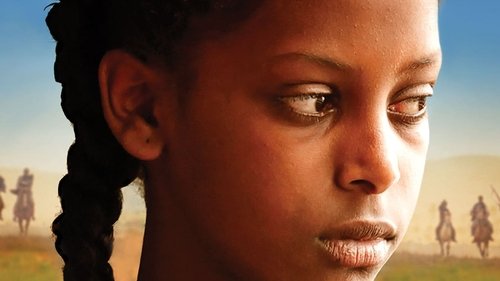
Three hours outside of Addis Ababa, a bright 14-year-old girl is on her way home from school when men on horses swoop in and kidnap her. The brave Hirut grabs a rifle and tries to escape, but ends up shooting her would-be husband. In her village the practice of abduction into marriage is common and one of Ethiopia’s oldest traditions. Meaza Ashenafi, an empowered and tenacious young lawyer, arrives from the city to represent Hirut and argue that she acted in self defense. Meaza boldly embarks on a collision course between enforcing civil authority and abiding by customary law, risking the ongoing work of her women’s legal aid practice to save Hirut’s life.

"After a freak accident leaves him deaf, a young man enters therapy, only to discover that losing his hearing has granted him a deeper understanding of his fractured family and inner turmoil. ግብረ ጉንዳን/Gbre gundan is a psychological drama that blurs the line between perception and reality, questioning whether true healing comes from what we hear or what we choose to ignore."
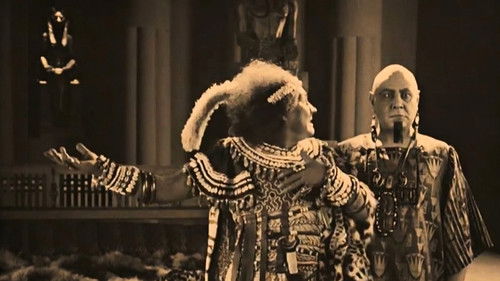
The Ethiopian King offers his daughter to a powerful Pharaoh to secure peace between the two countries.
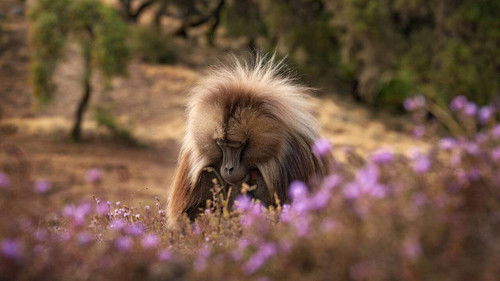
In Africa's Simien Mountains, Braveheart is the undisputed king of his gelada family. For four years, he has fought off predators, kept the peace, and in return, has had his pick of potential mates. But now, his reign is under siege by a pack of marauding males, led by Braveheart's younger brother, Tiko, who has a score to settle. Witness this royal battle up close as we enter the most complex social structure of any animal except humans, one where women rule the roost and have final say on who sits on the throne and for how long.
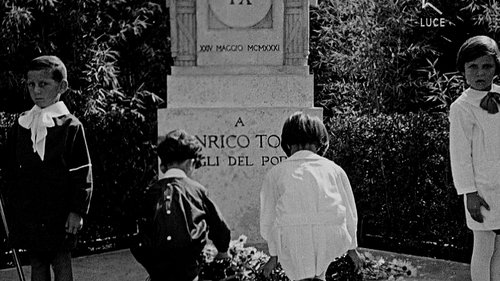
The armies of Fascist Italy conquered Addis Ababa, capital of Abyssinia, in May 1936, thus culminating the African colonial adventure of the ruthless dictator Benito Mussolini, by then lord of Libya, Eritrea and Somalia; a bloody and tragic story told through the naive drawings of Pietro Dall'Igna, an Italian schoolboy born in 1925.
Running Movie is a documentary film that focuses on Israeli long-distance runner Ayele Seteng (a.k.a. Haile Satayin), the oldest marathon runner to compete in the 2008 Summer Olympics in Beijing, and his efforts to participate in the 2012 Summer Olympics in London. Satayin has been a long-distance runner since he was a young boy in Ethiopia, but he only became a marathon runner after immigrating to Israel in the early 1990s. Now, at the age of 55, he keeps on running. We follow him as he practices in Ethiopia, far from his wife and eight children, and witness his moments of victory and defeat, as he competes in marathons around the world—from Berlin, Germany, to Tiberias, Israel.
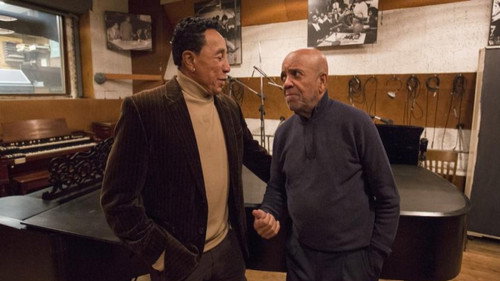
The remarkable story of the legendary Motown Records is told through exclusive interviews with the label’s visionary founder, Berry Gordy, and many of its superstar artists and creative figures, as well as rare performances and behind-the-scenes footage unearthed from Motown’s vaults and Gordy’s personal archives.
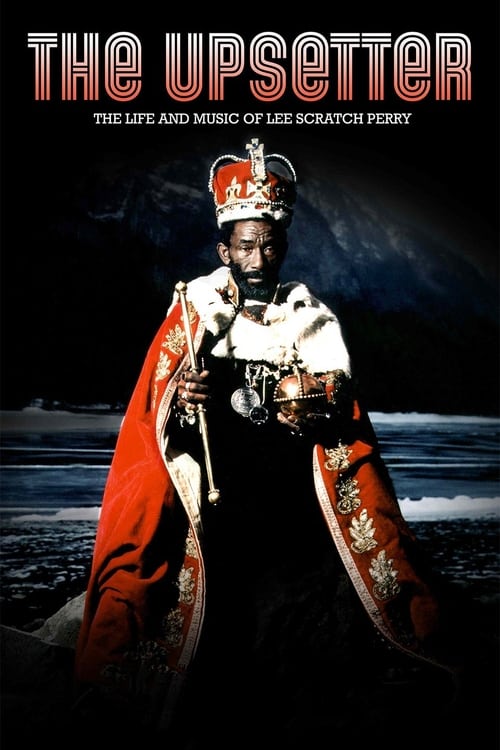
The Upsetter tells the fascinating story of Lee Scratch Perry a visionary musician and artist from poor rural Jamaica who journeyed to the big city of Kingston in the late 1950’s with dreams of making it in the burgeoning record industry. He burst upon the scene with a brand new sound, inventing a genre of music that would come to be called Reggae, discovering a young Bob Marley and gaining international recognition as a record producer and solo artist. Soon he was being called upon by artists as diverse as The Clash and Paul McCartney to provide his unique sound.

In 1933, Merian C. Cooper and Ernest B. Schoedsack, two audacious and visionary directors, dared to create a motion picture that eclipsed everything seen until then: when King Kong was released, it was celebrated as an artistic and technical revolution and became the first myth created by the young cinematic art.
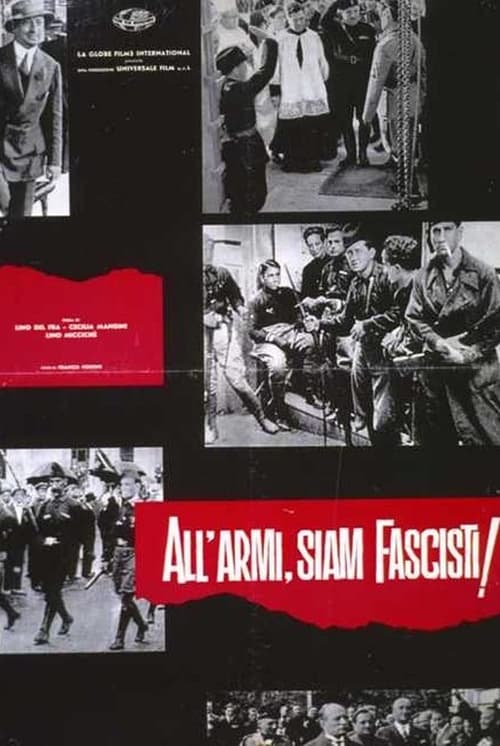
Documentary compiled from archives and accompanied by a poet's commentary, shows the sweep of modern Italian history from 1911 to 1961, centering on the conditions leading to Fascism and the post-WWII reaction to the Fascist experience.