
Action
Adventure
Animation
Comedy
Crime
Documentary
Drama
Family
Fantasy
History
Horror
Music
Mystery
Romance
Science Fiction
Thriller
War
Western
Found 32 movies, 11 TV shows, and 0 people
Can't find what you're looking for?

The film observes two Italians, the director's parents. The main theme is a balance of over twenty years of life abroad: what were the reasons, goals, desires, etc. of emigration, and which ones have come about? Emigration is a chronicle of two days of their (our) life, with work, leisure time, thoughts.
This is an animated documentary about my emigration from Russia after the outbreak of the war.
Directed by Ibrahim Imara.
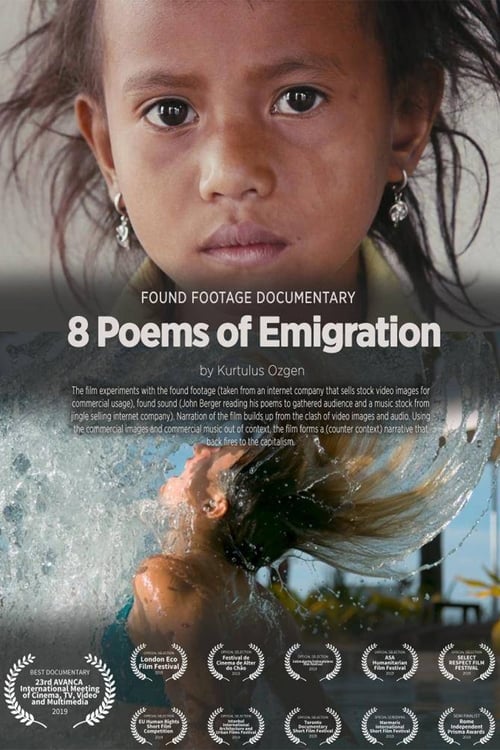
"8 Poems of Emigration" is a found footage film that focuses on the migration crisis. The film, while focusing on the immigration and immigration issue caused by the wild global capitalism, consists of the images and the found footage from the recording of the work named "8 Poetry of Immigration" that John Berger read to the audience in 2007 at the Fine Arts Center in Madrid. The narrative of the movie is revealed by the conflict between image and sound order. With the out-of-context (misuse) use of commercial images and music, the film creates a critical structure that opposes capitalism.
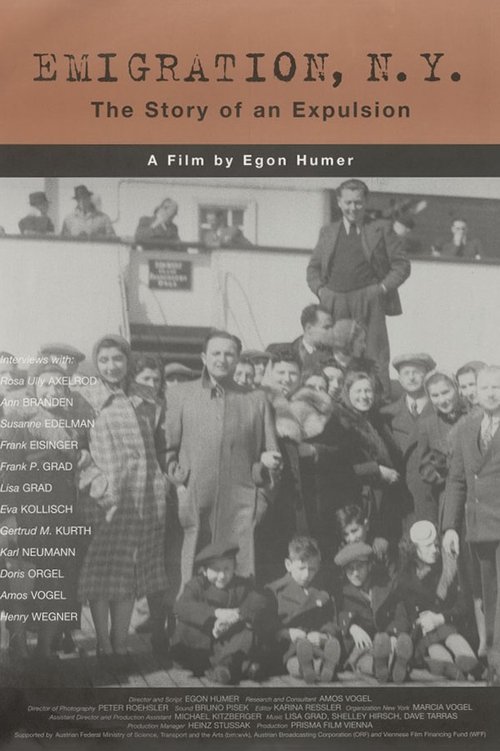
When Hitler's infamous "Anschluss" annexed Austria to Germany in 1938, the lives of 130,000 Jewish Austrians were placed at risk. Over the next three years, some 30,000 managed to emigrate to the United States, settling mainly in New York City. In Austrian filmmaker Egon Humer's brilliant and moving documentary EMIGRATION N.Y., twelve Viennese Jews -- seven women, five men -- recount their lives as children in Austria, as emigrants, as New Yorkers. Deceptively simple in style, the film gathers striking emotional power as its subjects (who include Amos Vogel, co-founder of the New York Film Festival) offer fresh and often surprising views on their experience of exile and assimilation.
Documentary film by Remo Legnazzi on the subject of emigration using the example of a Sicilian village

At the beginning of the 60's, thousands of Portuguese turned up in France through the underground. They were fleeing misery, war and repression. Left to unscrupulous smugglers, they had to cross the Iberian Peninsula tracked by the Portuguese and Spanish police. For many, the voyage towards France turned into a disaster. As a child in a shantytown, the author remembers having heard about these terrible odysseys. Thirty years later, he goes in search of the stories of his childhood and seeks to understand what sparked this unprecedented emigration known as the "plebiscite by foot" against Salazar. Between childhood memories and historical investigation, he looks for the images of this exodus, the largest in post-war Europe.
After two years absence, Alassane Diago comes back to his village in Senegal’s Futat region to try and understand how and why his mother has spent so many years waiting for the return of her husband, who went away to work elsewhere.
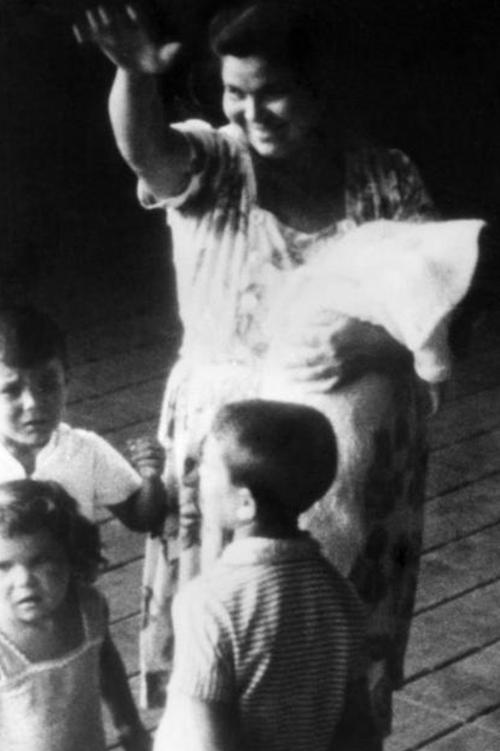
An investigation into the motives of Spanish workers who migrated to Switzerland in the late 50s, early 60s turns into a sometimes caustic, sometimes melancholic rumination on the land they left behind. A work in between cultures and cinematic modes, a starting point, an opening statement - a clarion call.
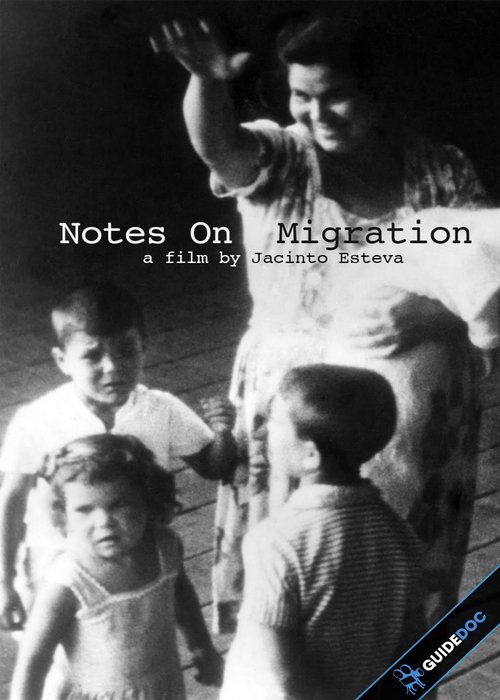
After being disappeared by a fascist group in 1960, this film by the Master Jacinto Esteva about the emigration of Spanish workers in 1960 was recently found to the delight of documentary lovers.
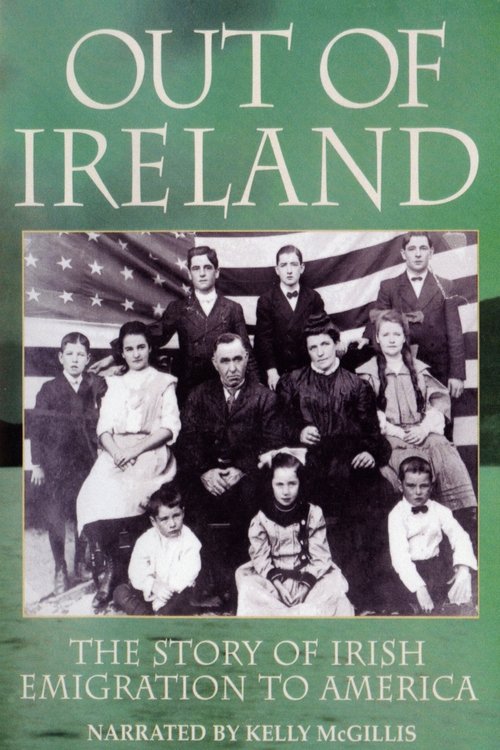
Over the course of two centuries, seven million men, women and children abandoned their homeland for America's shores. In just one horrifying decade, two million left to escape a famine that left another million dead. This is the moving chronicle of the Irish immigrant experience.

No description available for this movie.

A Foreign Service Officer in London tries to prevent a terrorist attack set to hit New York, but is forced to go on the run when she is framed for crimes she did not commit.
A married couple are faced with a difficult decision – to improve the life of their child by moving to another country or to stay in Iran and look after a deteriorating parent who has Alzheimer's disease.
An Irish Catholic family returns to 1930s Limerick after a child's death in America. The unemployed I.R.A. veteran father struggles with poverty, prejudice, and alcoholism as the family endures harsh slum conditions.
Aisha, a Senegalese immigrant who takes a job as a nanny for a wealthy white family in New York City, finds herself consumed by unsettling visions and a growing rage.
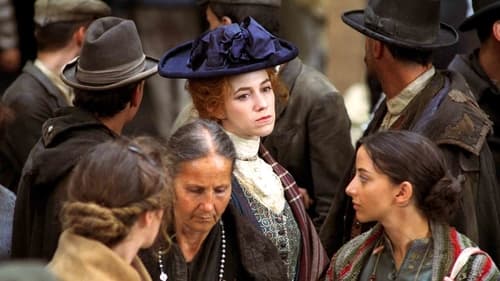
The story is set at the beginning of the 20th century in Sicily. Salvatore, a very poor farmer, and a widower, decides to emigrate to the US with all his family, including his old mother. Before they embark, they meet Lucy. She is supposed to be a British lady and wants to come back to the States. Lucy, or Luce as Salvatore calls her, for unknown reasons wants to marry someone before to arrive to Ellis Island in New York. Salvatore accepts the proposal. Once they arrive in Ellis Island they spend the quarantine period trying to pass the examinations to be admitted to the States. Tests are not so simple for poor farmers coming from Sicily. Their destiny is in the hands of the custom officers.

"The film is a travelogue of sorts. In 1960 my family lived in Brazil when my father discovered his sister and brother in Moscow, who he hadn't seen for 40 years, were still alive. Since they couldn't leave the USSR we went to visit them regularly for about 15 years. At the time I had my 8mm then a super 8 camera with which I filmed the family, our outings, picnics, markets and their homes… I decided to use this material, which was not very interesting per se, by mixing it with Soviet found-footage of the same period (1960's, 1970's, 1980's). I used feature films, propaganda footage, newsreels, etc. The result is a kind of Khruschev-era mix with a collage of Soviet music and a voice-over of my memories of the Cold War period."

Ilyas and Brahim work at a television repair shop. When the end of the day arrives, his boss sends them to bring a television to a costumer on the other side of Barcelona, hours before the much-anticipated FC Barcelona's UEFA Champions League final, endangering their friendship and their job in order to get to see the game.

With only his wife by his side, a promising young boxer flees communist Poland to chase his dream of becoming the greatest fighter in history.
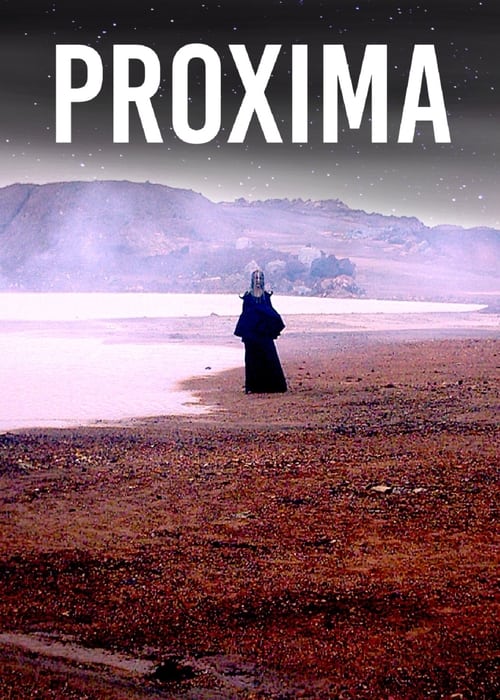
Tony, the owner of a small fantastic film video shop, has found out that at times reality can defy science-fiction. The time has come to embark on a trip to a place nobody has ever been to before.
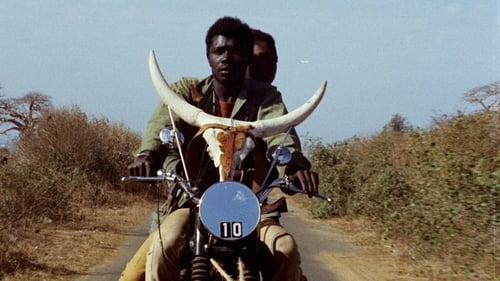
Mory, a cowherd, and Anta, a university student, try to make money in order to go to Paris and leave their boring past behind.
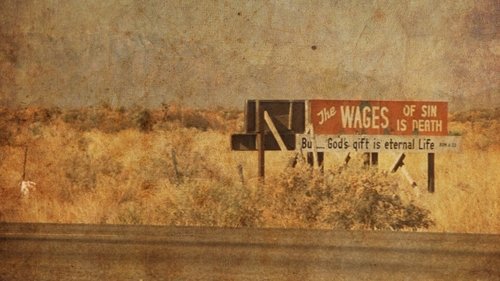
A corrupted border agent decides to clean up his act when an impoverished woman's baby is put up for sale on the black market.

A film about a generation of four friends who grew up together in Sarajevo. They are the friends of filmmaker Lidija Zelovic-Goekjian, now living scattered across the world. What has happened to them over the past 13 years: how did they survive the war, how do they live now, how do they look back on their former lives, on Sarajevo, and on their old friends?

A documentary about Elzbieta Czyzewska, one of Poland's greatest actresses, a beauty icon of the 1960s, who died in 2010. She had a great career in Poland, but the filmmakers focus more on her attempts to make a name for herself as an actress in America, after her sudden emigration to the United States with her husband, American journalist David Halberstam. Friends and acquaintances of Elzbieta Czyzewska speak without embellishment about her failed marriage, her battle with alcoholism won after years, and her attempts to return to Poland. This is a story about the fate of the actress at different stages of her career: at the top, at the bottom and in between.

LEI and WONG clandestinely arrive to Ecuador, on their way to the port city of Guayaquil. From here LEI plans to continue her journey to New York, but CHANG, a bipolar mobster will decide her fate. WONG unwillingly gets entangled in the web of corruption that operates the encroachment of Chinese immigrants. His only objective is to bring his twelve-year-old son from China.
One night, the phone rings in a traditional Portuguese snack bar from the country side. The Spanish Civil Guard is looking for Kunta. He isn't there and till he arrives people speculate about those phone calls and about who is that man. His he a thief? A terrorist?
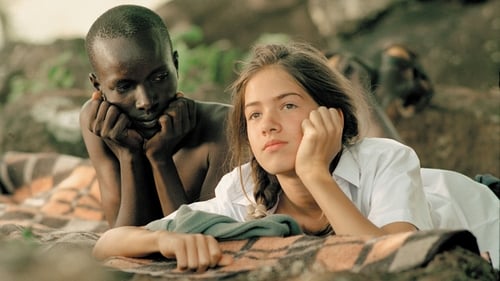
A Jewish woman named Jettel Redlich flees Nazi Germany with her daughter Regina, to join her husband, Walter, on a farm in Kenya. At first, Jettel refuses to adjust to her new circumstances, bringing with her a set of china dishes and an evening gown. While Regina adapts readily to this new world, forming a strong bond with her father's cook, an African named Owuor.

Sweden, 1849. A poverty-stricken family decides to move to America in the hope of finding a better and more prosperous life. Although they know the journey will be dangerous and the pressure of facing a new life in a strange and wild land is great, they are determined to succeed.
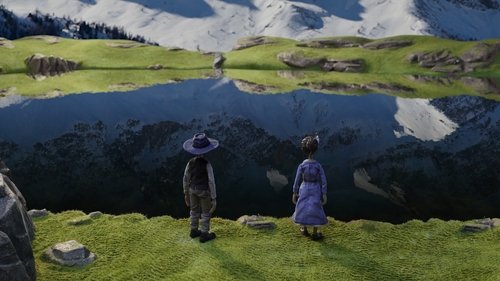
Early 20th century, in the Ughetto family's home village, Ughettera, Northern Italy. Life in the region had become very difficult and the Ughettos dreamed of a better life abroad. Legend has it that Luigi Ughetto crossed the Alps and started a new life in France, thus changing his beloved family's destiny forever. His grandson retraces their story.

Arranged to marry a rich man, young Ada is crushed when her true love goes missing at sea during a migration attempt — until a miracle reunites them.
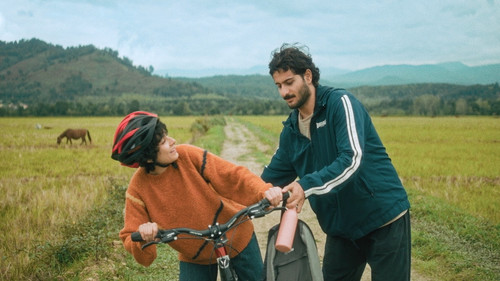
In her final days before leaving the country, a young girl spends time with her brother learning how to ride a bike.