
Action
Adventure
Animation
Comedy
Crime
Documentary
Drama
Family
Fantasy
History
Horror
Music
Mystery
Romance
Science Fiction
Thriller
War
Western
Found 20 movies, 7 TV shows, and 0 people
Can't find what you're looking for?

The Separate Customs Territory of Taiwan, Penghu, Kinmen, and Matsu as an economic entity is one of Taiwan’s internationally recognized identities nowadays. Revolving around the economic miracle, Battle City 2 – Economic Miracle depicts Taiwan as a mandate whose reconstruction has been entrusted to the JJ Corporation by the United Nations in the form of BOT (build-operate-transfer) after the nuclear disaster known as The Glory of Taiwan, and the JJ Corporation plans to transform Taiwan into “New Formosa,” a special economic zone for foreign exchange earnings. In this story, the investors also call the “New Formosa” an “economic farm” in the sense of a farming concentration camp, where Formosans are kept as economic animals intend- ed to offer services of all stripes for the investors.

West Germany underwent a period of rapid and extraordinary growth after the Second World War with rising wages and living standards. This economic miracle is often credited to Economics Minister Ludwig Erhard and the hard work of ordinary Germans. But on closer inspection, some hard truths and injustices from the Nazi era casts a shadow on this postwar rosy picture.
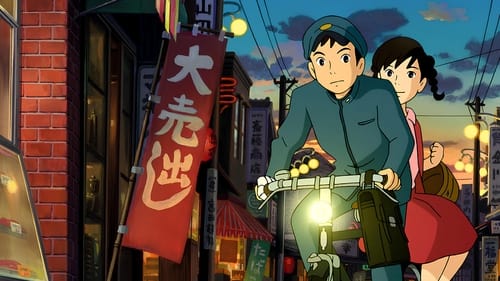
Yokohama, 1963. Japan is picking itself up from the devastation of World War II and preparing to host the 1964 Olympics—and the mood is one of both optimism and conflict as the young generation struggles to throw off the shackles of a troubled past. Against this backdrop of hope and change, a friendship begins to blossom between high school students Umi and Shun—but a buried secret from their past emerges to cast a shadow on the future and pull them apart.

Maria marries a young soldier in the last days of World War II, only for him to go missing in the war. She must rely on her beauty and ambition to navigate the difficult post-war years alone.
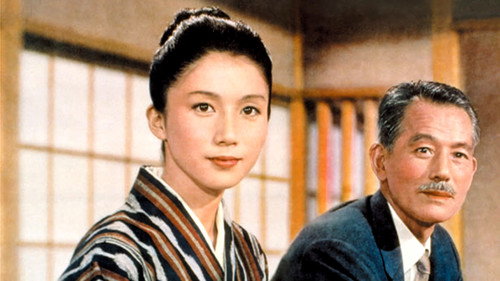
Widower Shuhei Hirayama's caretaker is his 24-year-old daughter, Michiko. Gradually, he comes to realize that Michiko should not be obliged to look after him for the rest of his life, so he arranges a marriage for her.
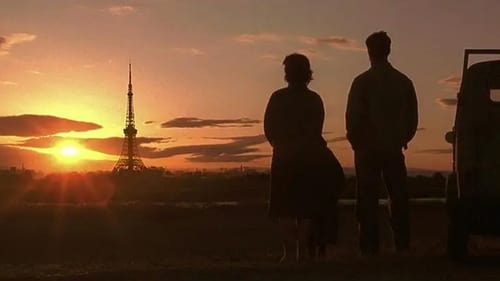
In 1958 postwar Tokyo, the residents of a humble Third Street neighbourhood struggle, dream, and grow together as rapid modernisation transforms their lives beneath the shadow of the newly rising Tokyo Tower.
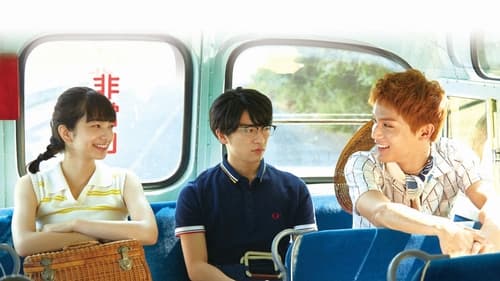
Two different students—a successful but aloof academic and a rebellious but kindhearted delinquent—form a friendship through their love of jazz music.
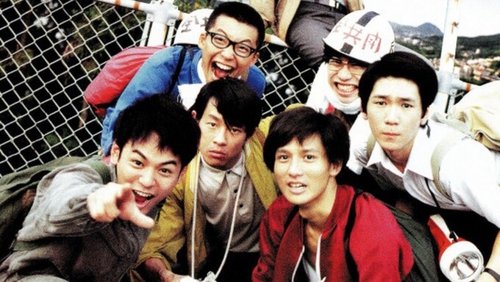
Hoping to catch a girl's attention, high school students Ken and Adama cook up an ambitious plan. They plan a festival that combines film, theater, and rock music, and develop their project into a school road block. This plan however catches the attention of television stations and newspapers, and soon even the cops became involved in this teenage adventure.
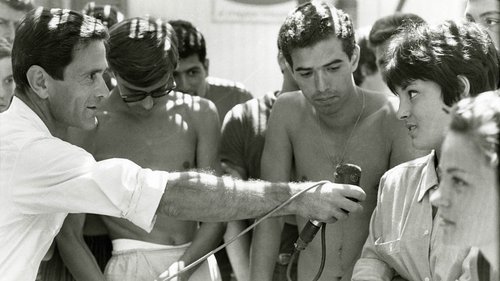
Pier Paolo Pasolini sets out to interview Italians about sex, apparently their least favorite thing to talk about in public: he asks children if they know where babies come from; asks old and young women if they support gender equality; asks both sexes if a woman's virginity still matters, what do they think of homosexuality, if divorce should be legal, or if they support the recent abolition of brothels. He interviews blue-collar workers, intellectuals, college students, rural farmers, the bourgeoisie, and every other kind of people, painting a vivid portrait of a rapidly-industrializing Italy, hanging between modernity and tradition — toward both of which Pasolini shows equal distrust.
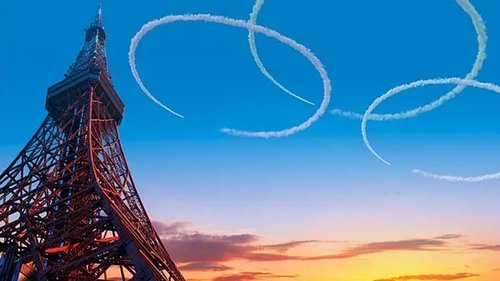
As the Tokyo Olympics usher in a wave of rapid modernisation, the residents of Third Street face new beginnings as Mutsuko becomes involved with a seemingly perfect young doctor who may not be all he appears, while Chagawa struggles with his stalled writing career and what it truly means to be a father to the boy he has raised as his own.
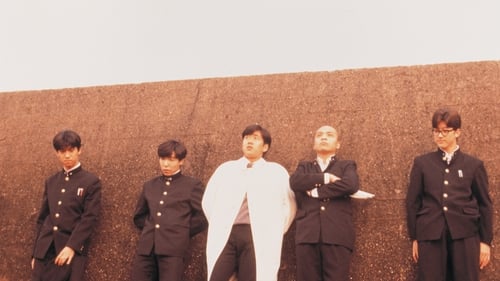
It is 1965. High-school student Takeyoshi Fujiwara hears "Pipeline" by the Ventures, and is mesmerized by their unique sound. With three friends, he forms a band called "The Rocking Horsemen." A warm and comic glimpse into high-school and small-town life in Japan in the 60's.
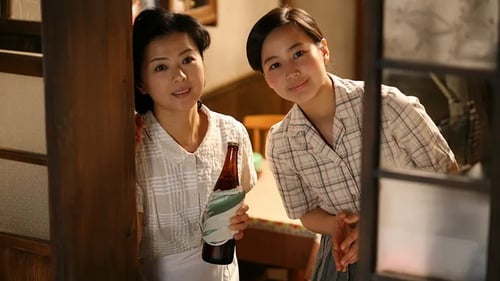
A year has passed in postwar Tokyo, and struggling writer Chagawa enters the Akutagawa Prize competition in hopes of securing a better future for the boy in his care, while the Suzuki family unexpectedly take in a new relative who looks down on their humble way of life.
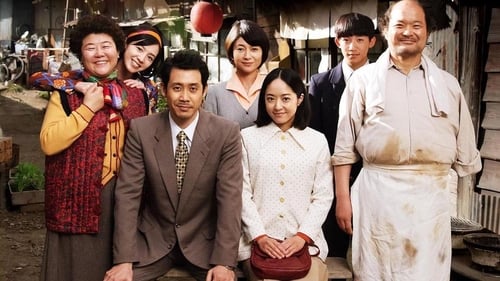
Set in the 1970's in the Kansai region of Japan.. Yong-Gil is Korean, but he moved to Japan and settled down. He runs a small restaurant named Yakiniku Dragon. He is married and has three daughters: oldest daughter Jung-Hwa, middle daughter Yi-Hwa and youngest daughter Mi-Hwa. Oldest daughter Jung-Hwa is dating Tetsuo, but they break up. Middle daughter Yi-Hwa loves Tetsuo and marries him, but Tetsuo still loves her older sister and they divorce. Youngest daughter Mi-Hwa wants to become a singer, but she is in love with a married man.

Kurt Hoffmann′s satire concerning Germany′s development during the first half of the 20th century tells the story of two schoolmates - Hans and Bruno. They could not be more different. While Hans is ambitious and must always work hard for his career, it seems that the happy go lucky Bruno is carefree.
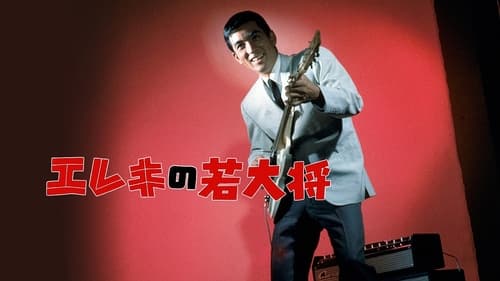
Young Guy (Kayama) competes in an electric guitar competition and plays American-style football.
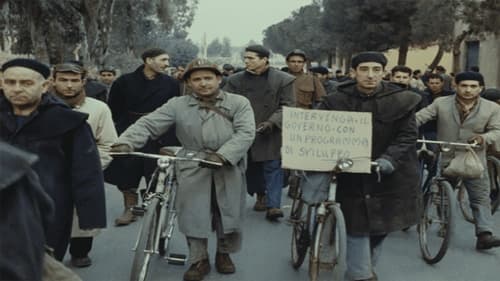
'L'ultimo pugno di terra' (The Last Fistful of Land) is a 1966 documentary film directed by Fiorenzo Serra about the anguish and instability of the lower classes in a destitute Sardinia. Originally commissioned by the Sardinian regional government as a celebratory piece on the 'miraculous' effects of the 'Piano di Rinascita della Sardegna' (Sardinia's Rebirth Plan), the film instead shows an island still 'standing still in time', barely affected by the painful oxymoron of the inevitable changes taking place.
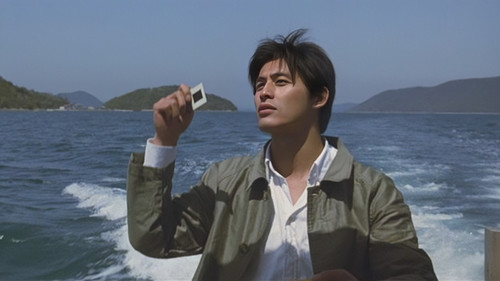
Seigo Yoshioka (Kenji Sakaguchi) is a teacher that became mute after a kendo accident. He feels lost after the accident and eventually decides to teach again on a small island where his mother was born. The children there on the island quickly name him "Kikansha Sensei" (Teacher Locomotive) after learning he is mute. The parents on the island are mostly hostile to Seigo Yoshioka, believing he is incapable of teaching their children. But with Seigo Yoshioka's determination and kindness, a strong bond develops between the students and the mute teacher, which then changes the parents' opinions of Seigo Yoshioka. Suddenly, tragedy then strikes ...
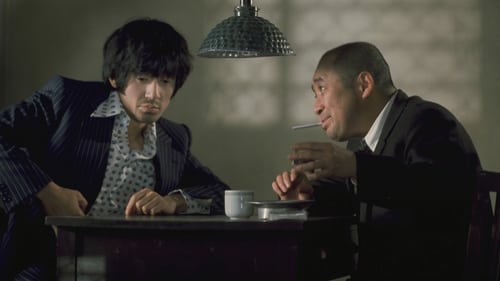
In this retelling of an infamous unsolved heist, a couple tries to outlast the statute of limitations after successfully stealing 300 million yen.
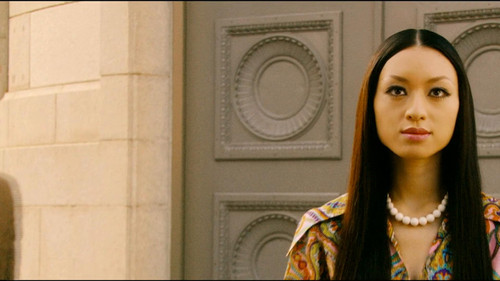
"GS Wonderland" is about the 1960's Group Sounds bands - A Japanese pop movement inspired by the Beatles and other mid-1960's Brit Pop. Three young men set out to start their own band "The Diamonds" when they are signed to a recording contract during their very first rehearsal. Things turn for the unexpected when their agent brings Mick (Chiaki Kuriyama) into the group as their keyboardist.

The story depicts the interaction of the children of the island and their teacher, Yoshioka Makotoware, who is unable to speak because of a childhood accident. Based on the best-selling novel by Shizuka Ijuin.