
Action
Adventure
Animation
Comedy
Crime
Documentary
Drama
Family
Fantasy
History
Horror
Music
Mystery
Romance
Science Fiction
Thriller
War
Western
Found 23 movies, 9 TV shows, and 0 people
Can't find what you're looking for?
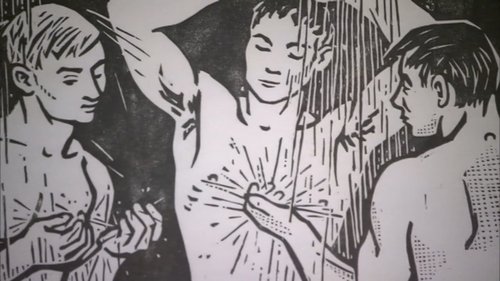
More than two decades ago, a country in Europe existed that marked the border to a different political and economic system, yet was the very heart of the continent. This country called the German Democratic Republic, made Socialism a reality and was home to 17 million people. Born in the deep eastern provinces, Ringo Rösener witnessed East Germany's collapse as a nation. Ringing in the new millennium, he leaves his hometown of Anklam to live out his homosexuality – something he had never dared to do. Would an openly gay life even have been possible in the real Socialist system? Ringo Rösener meets six gay men who lived in the GDR. Some of them speak openly about their sexuality for the first time in their lives. Little by little, they open up, share their stories, and talk about their lives in the supposedly uniform state.

This DVD on the net called Rare Videos - Live at Granada Studios 1972/Live At East Germany Television 1977. As the Live At Granada Studios 1972 is exactly the same as the Slade Alive The DVD contains 16 tracks taped in the the East German town of Erfurt as well as some short clips of the boys goofing around in town and separate interviews with them. Most of the songs are hits like "Cum On Feel The Noize", "'Coz I Luv You" and "Far Far Away", but also songs like "Gypsy Roadhog", "When The Lights Are Out" and "My Baby Left Me"

Under the control of the Stasi East Germany was the most repressive police state in the history of the world. Yet it managed to convince the West that it was being progressive. Here is the story of how the Stasi gained control over the lives of the East German people and the methods it used.
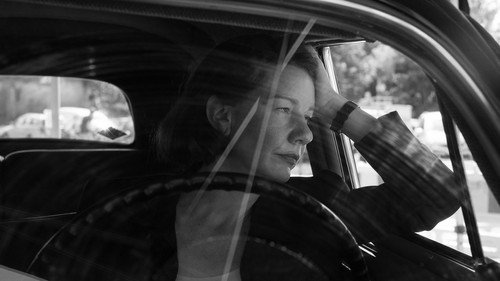
In 1949, German writer Thomas Mann and his daughter Erika embark on a road trip across a Germany in ruins, from US-dominated Frankfurt to Soviet-controlled Weimar.
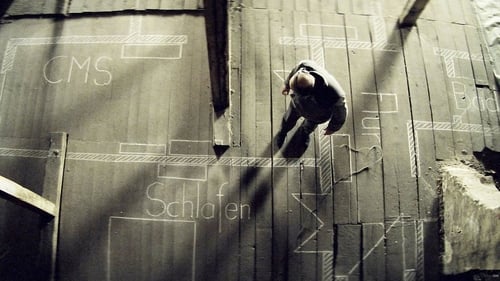
In 1984 East Berlin, dedicated Stasi officer Gerd Wiesler begins spying on a famous playwright and his actress-lover Christa-Maria. Wiesler becomes unexpectedly sympathetic to the couple, and faces conflicting loyalties when his superior takes a liking to Christa-Maria.
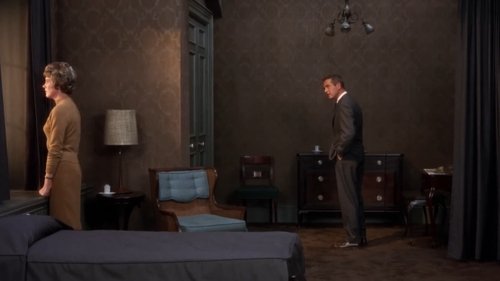
During the Cold War, an American scientist appears to defect to East Germany as part of a cloak and dagger mission to find the formula for a resin solution—but the plan goes awry when his fiancee, unaware of his motivation, follows him across the border.

To experience snow and learn German, the young Vietnamese woman Trúc Lâm moves to a little town in the Erz Mountains. During a guided tour of a mine, she leaves her group and reaches the other side of the mountain through a secondary shaft. The world there is similar to the one she left – only all the people are different. She meets Duc, who is also from Vietnam and whose parents have an Asian snack bar. And she meets a mysterious spirit who offers to make a deal with her to enable her return to her old world.

Two families attempt a daredevil plan to escape the GDR with a homemade hot air balloon, but it crashes just before the border. The Stasi finds traces of this attempt to escape and immediately starts investigations, while the two families are forced to build a new escape balloon. With each passing day the Stasi is closer on their heels – a nerve-wracking race against time begins.

In 1956 Stalinstadt, East Germany, during the Hungarian uprising against Soviets is taking place, local teenagers perform a seemingly harmless act that causes unexpected consequences.
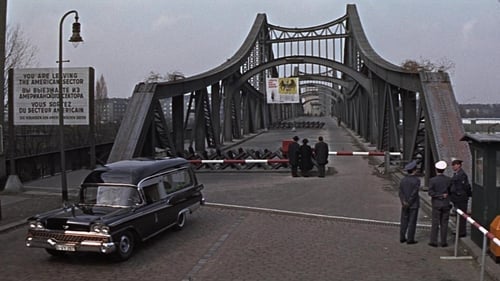
Colonel Stok, a Soviet intelligence officer responsible for security at the Berlin Wall, appears to want to defect but the evidence is contradictory. Stok wants the British to handle his defection and asks for one of their agents, Harry Palmer, to smuggle him out of East Germany.

Two men want to escape from East Germany (under Communist rule) but they will only go if they can take their families with them. Based on a true story.
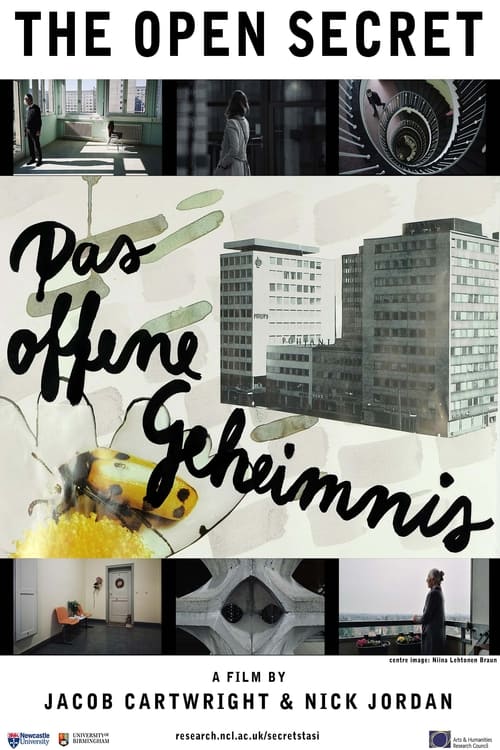
A documentary that explores questions of secrecy and power in relation to the East German Secret Police (the 'Stasi') within East German society. The film is based upon key findings from an extensive research project, 'Knowing the Secret Police', and reflects upon how different kinds of knowledge were circulated through social, religious, political and literary networks within the former GDR. The filmmakers present this research with footage filmed at key locations throughout East Berlin and the wider surrounding landscape, including the Stasi archives and former HQ, Karl-Marx-Allee, Volkspark Friedrichshain, rural 'dacha' cabins, the urban neighbourhood of Prenzlauerberg and the social housing estates of Marzahn.
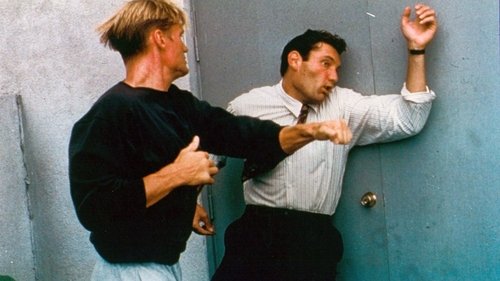
When East German Eric Brogar wins a gold medal in the pentathlon, he escapes to freedom in the west with the help of a beautiful American athlete. But his demanding coach, Heinrich Mueller vows revenge and Eric's best friend and his father pay the ultimate price for his freedom when they are killed by the Secret Police. In Los Angeles, Eric starts to train for the gold again. But when Mueller comes to America, Eric must win the most deadly game of all… the fight for his life.

After the fall of the Berlin Wall, a communist family discovers a bunker full of money soon to be worthless. With the help of their neighbors, they embark on a race against time to enter the capitalist world in style.

In 1980s East Germany, Berlin doctor Barbara is banished to a country medical clinic for applying for an exit visa. Deeply unhappy with her reassignment and fearful of her co-workers as possible Stasi informants, Barbara stays aloof, especially from the good-natured clinic head, Andre.
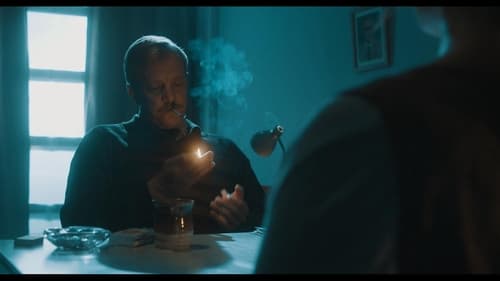
East Germany, 1986. When her sister flees to West Berlin, the life of a young East German woman is turned upside down as she must justify her involvement in the escape to the authorities and decide between her family and her own safety.

Marcel Ophüls interviews various important Eastern European figures for their thoughts on the reunification of Germany and the fall of Communism.
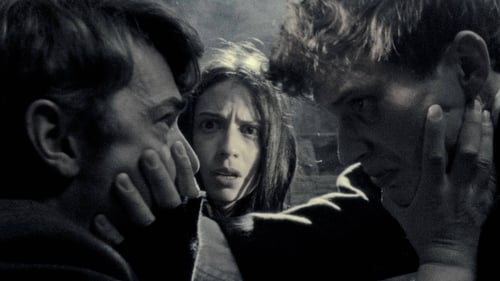
45,000 sections of reinforced concrete - three tons each. Nearly 300 watchtowers., over 250 dog runs, twenty bunkers. Sixty-five miles of anti-vehicle trenches—signal wire, barbed wire, beds of nails. Over 11,000 armed guards. A death strip of sand, well-raked to reveal footprints. 200 ordinary people shot dead following attempts to escape the communist regime. 96 miles of concrete wall. Families divided, loved ones lost…
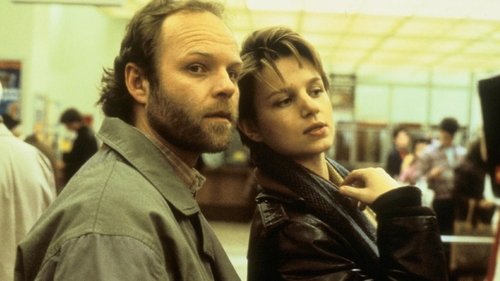
Persona Non Grata in his homeland, protest singer Klaus Drittemann must leave East Berlin, his wife and child and emigrate to the West, where representatives of an American record company are eagerly awaiting him. They plan to exploit his defection from communism both ideologically and financially. But Klaus, as ill-at-ease in the West as in the East, is reluctant to be an expendable commodity. Leaving his contract unsigned (or signed in his manner), he departs for Cambridge to meet his father, a concert player, who left East Berlin when Klaus was young. He is accompanied by a young French journalist, Emma, who claims to have knowledge of where his father has been living since he disappeared for more than a decade.
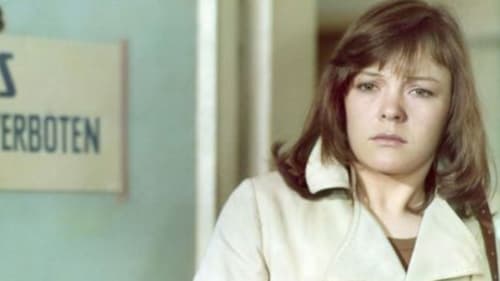
Scenes from an East German marriage. A young couple, Sonya and Jens, are very much in love; they get married and have a child. When Sonya wants to go back to work after her maternity leave, they clash for the first time; Jens insists that she remain a full-time wife and mother. Until Death Do Us Part turns an actual police report into a gripping drama, as the director explores the depths of his characters' emotions, driving the conflict to a catastrophic climax.
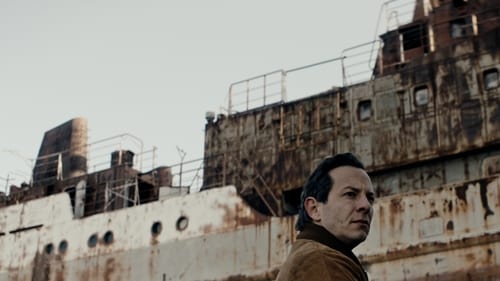
Former East Germany, 1992. Patrick Stein and Markus Bach, two very different police officers, are commissioned to investigate the disappearance of two female teenagers in a remote area of the country. Did they run away from home or did something more terrible happen to them?

Felix from West-Berlin falls in love with Thomas in East-Berlin. At first they keep their relationship going by regular visits from Felix, but the curfew forces him to return every evening. When the East-German authorities become suspicious, Thomas decides to try and flee to the West.
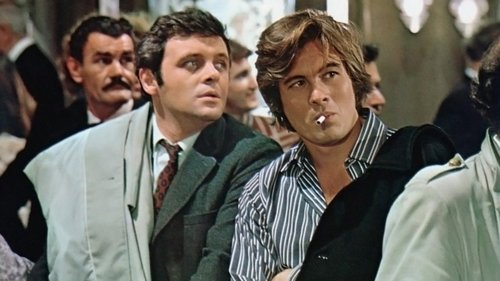
When a Polish sailor jumps ship in Britain, a couple of local intelligence operatives keep him under surveillance. Soon, he’s recruited to infiltrate a missile installation outside of East Berlin and bring back photos of the new rockets.