
Action
Adventure
Animation
Comedy
Crime
Documentary
Drama
Family
Fantasy
History
Horror
Music
Mystery
Romance
Science Fiction
Thriller
War
Western
Found 38 movies, 5 TV shows, and 0 people
Can't find what you're looking for?

A short experimental documentary
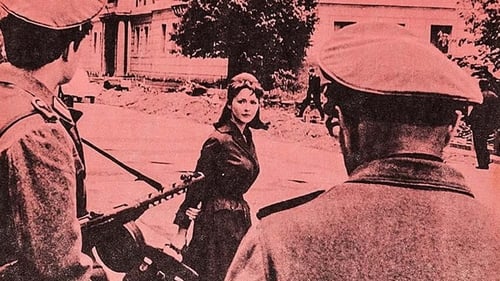
East Berlin, shortly after the construction of the Berlin Wall. Kurt Schröder and his family dig a tunnel to escape to West Berlin as they struggle to overcome the obstacles blocking their underground path to freedom.
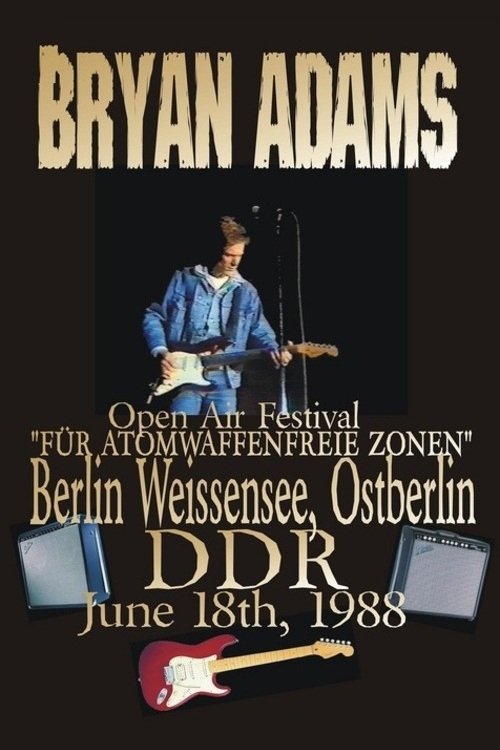
Peace Concert Live In East Berlin 1988.
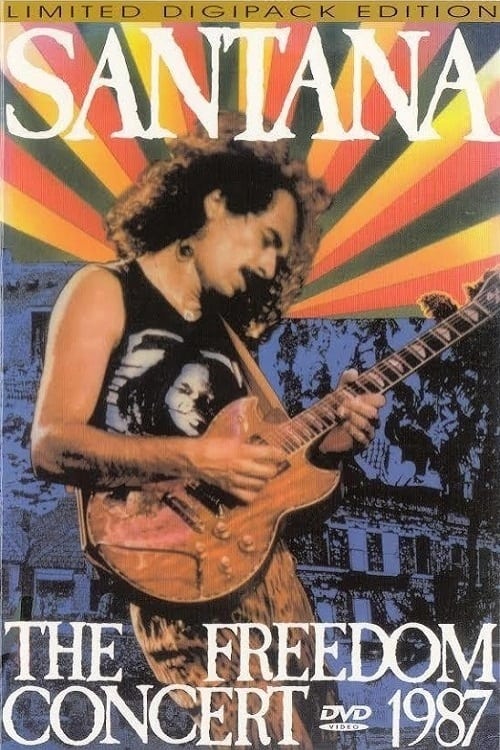
On April 6th, 1987 Santana & band gave a striking concert in the Palast Der Republik, East Berlin, East Germany. The concert was re-broadcasted on thursday March 31, 2011 on the Erlebnis Musik program, MDR Fernsehen, Germany.

Vividly reflects the attitudes and everyday life of the 1.2 million people who lived in East Berlin: Idealists, Social Climbers and Non-Conformists.
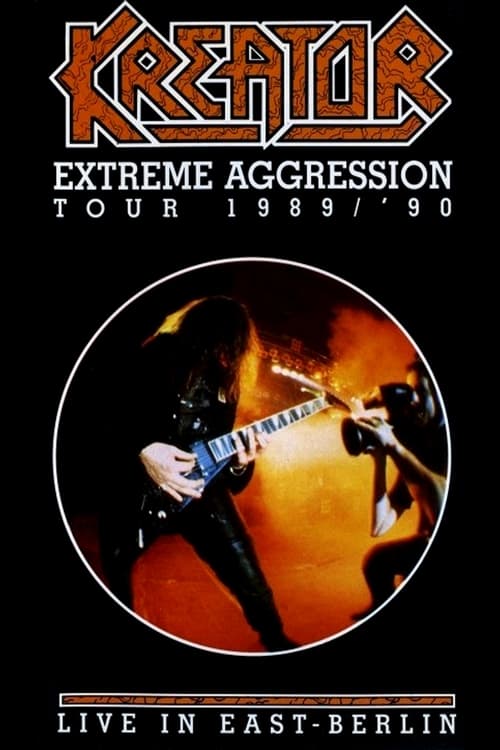
Live concert filmed on March 4, 1990 at Werner Seelenbinder-Halle in Berlin.

In front of audience estimated to be 500,000, The Boss performs a historic show
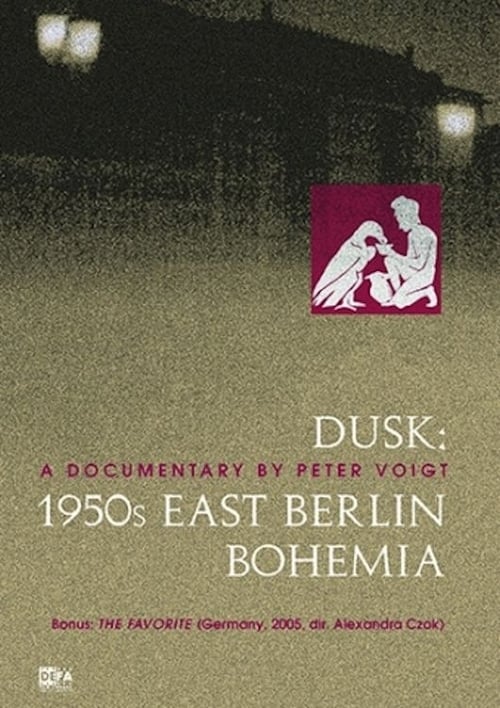
A documentary and film essay about the artist scene in East Berlin during the 1950s.

Blues musician Luther Allison plays East Berlin in 1987.
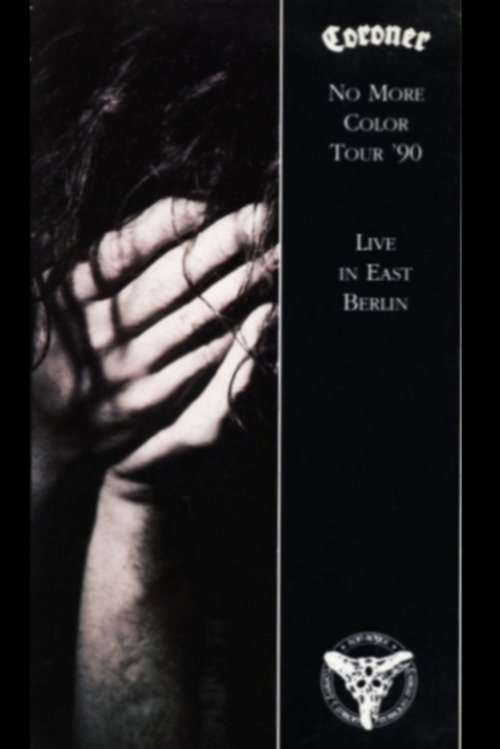
1. Intro/Shadow Of A Lost Dream 2. Die By My Hand 3. No Need To Be Human 4. Read My Scars 5. Voyage To Eternity 6. Absorbed 7. Masked Jackal 8. D.O.A. 9. Sudden Fall 10. Reborn Through Hate 11. Last Entertainment (Taped)
What begins as a short journalistic interview turns into a life-changing connection when two writers of different generations engage in a philosophical exchange about ambition, life experiences and the nature of success as they walk through the pastoral landscape of Western Massachusetts.
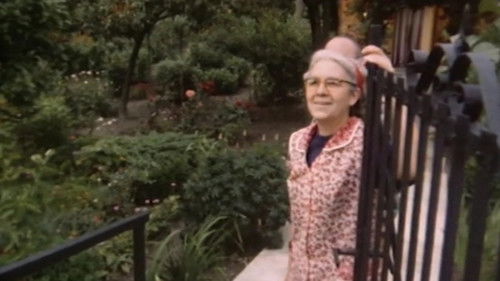
The GDR government made the eastern part of Berlin the capital of the other German state, building a new city center and new landmarks. ZDF correspondent Dirk Sager sets out to capture the lifestyle and attitude of the people living in East Berlin. The film shows what has been newly created, but also what has remained.
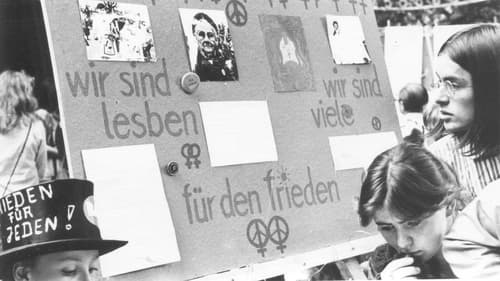
Paragraph 175, which made homosexual behavior punishable by law, was abolished in the German Democratic Republic (GDR) in 1968. At that time, heterosexual nuclear families constituted the center of socialist society, and homosexuality was considered a peripheral issue in the GDR. Out in East Berlin —Lesbians & Gays in the GDR tells the impressive-to-absurd personal histories of gay men and lesbians in the GDR, from the post WWII years until the fall of the Berlin Wall.
No description available for this movie.
A documentary reflecting on what author H.-J. Börner called "socialist architecture" - the monotonous, cookie-cutter prefabricated buildings that defined East Berlins landscape.
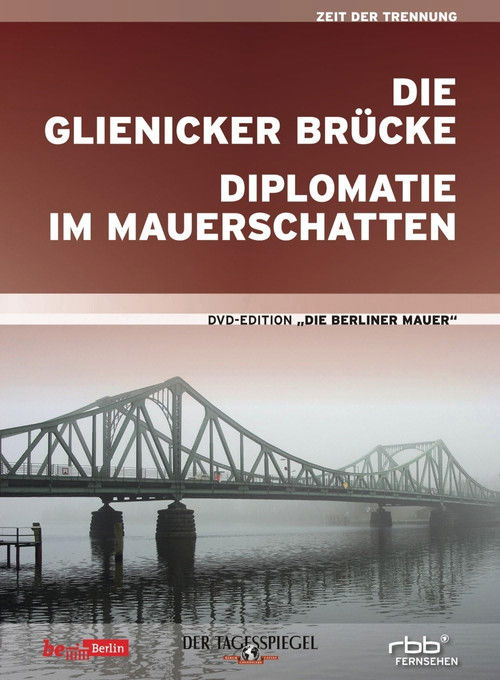
A documentary recounting the day-to-day workings during the signing of The Basic Treaty in 1973, which established relations between the two German states.
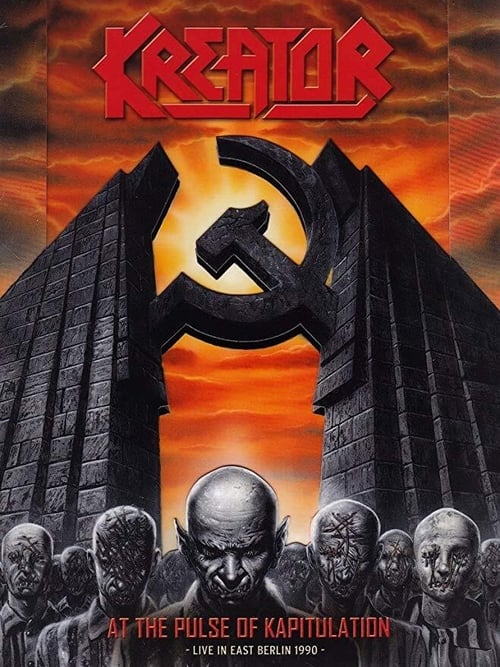
A classic blast from the glorious past! German thrash metal legends Kreator offer up the rare 'At The Pulse Of Kapitulation - Live in East Berlin 1990' for the very first time on DVD. Upgraded to a 5.1 mix via producer Andy Sneap and loaded with bonus footage, this is truly a dream come true for Kreator fans. In the words of band leader Mille Petrozza: "Words don t do justice to the energy that was in the air that day in East Berlin, and the whole event can only be described as utterly unique and historic." 1. Some Pain Will Last 2. Extreme Aggression 3. Under the Guillotine 4. Toxic Trace 5. Bringer of Torture 6. Pleasure to Kill 7. Flag of Hate 8. Drum Solo 9. Terrible Certainty 10. Riot of Violence 11. Love Us or Hate Us 12. Behind the Mirror 13. Betrayer 14. Awakening of the Gods 15. Tormentor
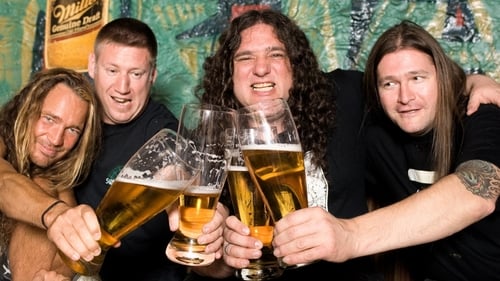
I. Open All Night, Live in East-Berlin (Germany) 1990 II. Live in Gelsenkirchen (Germany), Rock-Hard-Festival 2007 III. Videoclips IV. Outtakes
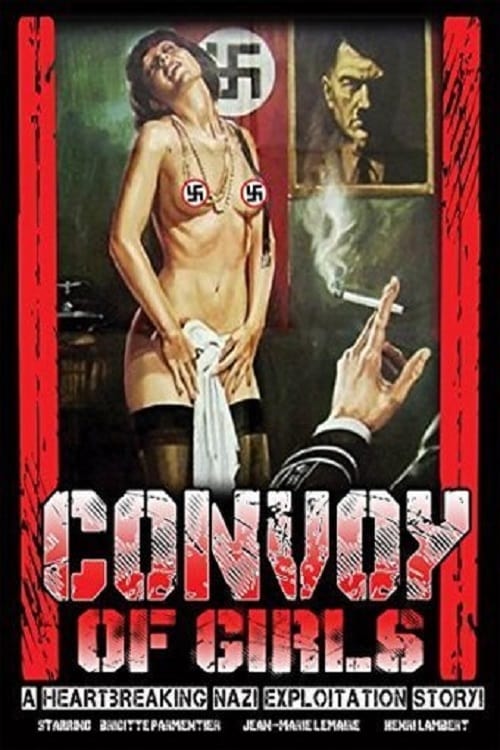
Eric, a brilliant young German officer, is transfered back to Berlin.His superior officer tells him about his new assignment on the Russian front and then invites him to a luxurious villa. Gathered in the mansion are the most beautiful women: the army's special services could enroll for the pleasure of its returning heroes.Eric is stupefied to recognize Renata among the women, who are all ready and willing to make love with any officer present. Not many years ago, while still students, Renata and Eric had been very much in love. After making love in a room put at their disposal, Renata tells him that she had no choice but to accept joining the army as an official camp follower: her father's survival depended on it. The following morning, Renata leaves in a special women's convoy for Eastern frontwhere they are scheduled to entertain hard-pressed officers and men. Will Eric and Renata's love survive those adventures?
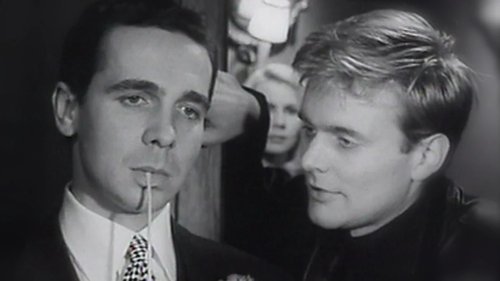
Defeated Germany has just been divided into two zones ( Soviet and Allied ) when Hans, a young inhabitant of Berlin, decides to cross the demarcation line to join his family.
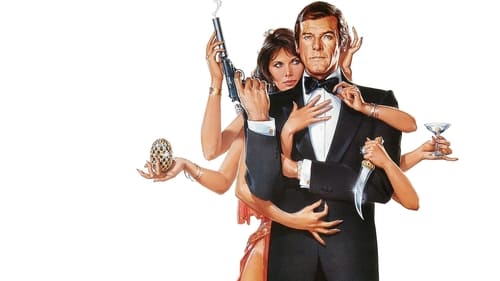
James Bond is sent to investigate after a fellow “00” agent is found dead with a priceless Fabergé egg. Bond follows the mystery and uncovers a smuggling scandal and a Russian General who wants to provoke a new World War.

In Cold War-era West Berlin, American Coca-Cola executive C.R. 'Mac' MacNamara is tasked with playing babysitter to his boss' spoiled 17-year-old daughter Scarlett, who proves more difficult than anticipated when she reveals that she is pregnant by a Communist.
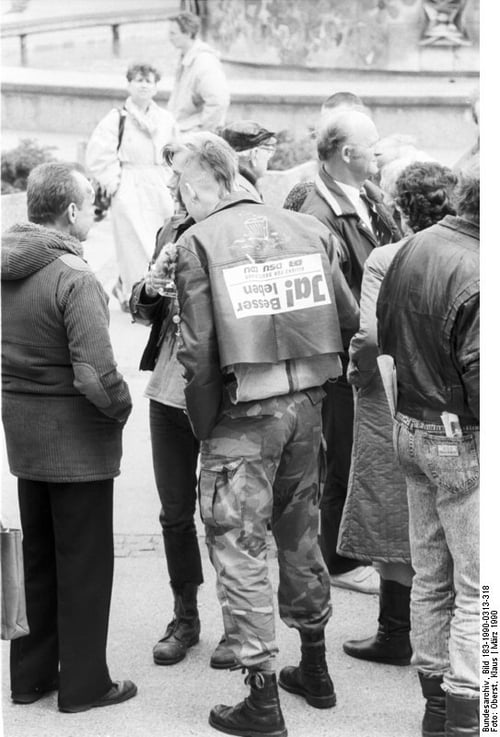
In the early 80's die sozialistische kleiderordnung ( The Socialist Dress Code) in East Berlin is attacked. By black and colourful punks. Youth clubs, restaurants and cafes are closed for the punks. Where to go? Their homes are raided by the police.
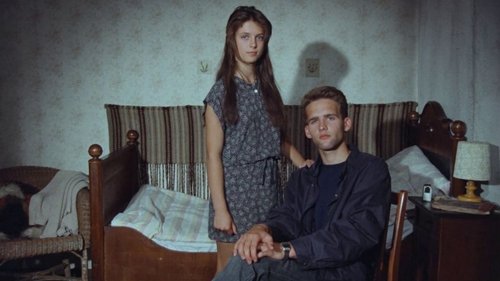
18-year old Georg and 13-year old Barbara have been playing together as children. Play becomes love later, which leads to a catastrophe , as their parents are hostile leading to file a report to the court, as Barbara is still under age.
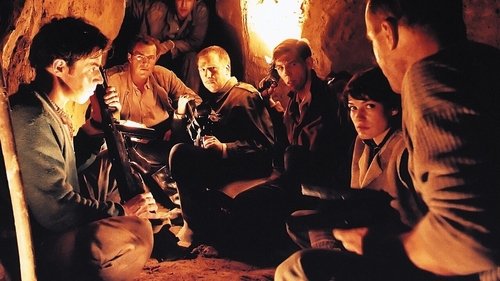
Inspired by true events, Olympic swimmer Harry Melchior defects from East Germany in the 1960s and hatches a daring plot to help his sister and others flee East Berlin through a 145-yard underground tunnel.
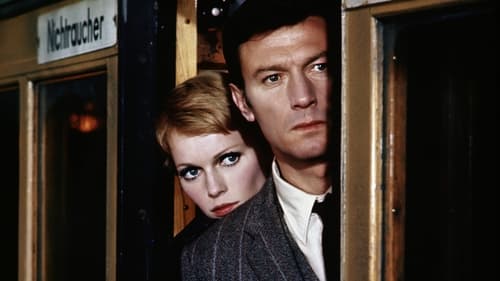
Double-agent Alexander Eberlin is assigned by the British to hunt out a Russian spy, known to them as Krasnevin. Only Eberlin knows that Krasnevin is none other than himself! Accompanying him on his mission is a ruthless partner, who gradually discovers his secret as Eberlin tries to maneuver himself out of a desperate situation.
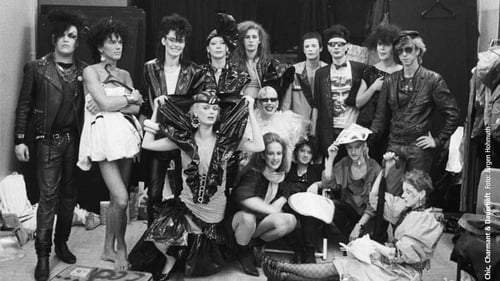
This film undertakes a journey into the amazing parallel universe of East Berlin’s fashion designers and experts in the art of survival. For, in the midst of the constraints of life in the GDR, there existed a fantasy world where it was possible to dance to another tune, be individual and even provocative. The most important characteristic of this bohemian scene was one’s per- sonal style. But this certainly wasn’t something that could be bought off the peg in the GDR. In this parallel universe it was up to you to create your own individual image – with your own hands. This film tells the story of the desires, the passion and the dreams that were tried and tested, lived and performed in the shadow of the Berlin Wall.
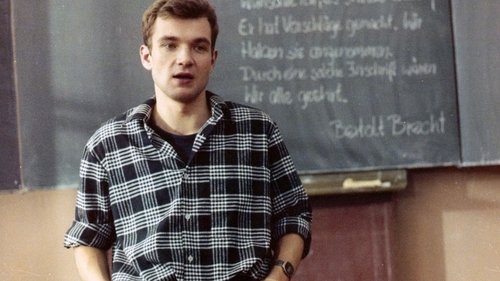
Philipp, a closeted teacher, is dating a female colleague to keep up appearances. One night he stumbles into a gay bar and falls for a man. Transformed by this love, he is no longer afraid to face up to who he is.
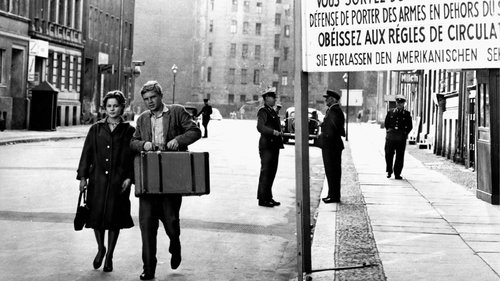
Just before the Berlin Wall is built, a young East German worker tries his personal and professional luck as a barkeep in West Berlin. A realistic love story set during Germany’s post-war economic miracle, which here does not fulfil its bright promises.

13 August 1961: the GDR closes the sector borders in Berlin. The city is divided overnight. Escape to the West becomes more dangerous every day. But on September 14, 1962, exactly one year, one month and one day after the Wall was built, a group of 29 people from the GDR managed to escape spectacularly through a 135-meter tunnel to the West. For more than 4 months, students from West Berlin, including 2 Italians, dug this tunnel. When the tunnel builders ran out of money after only a few meters of digging, they came up with the idea of marketing the escape tunnel. They sell the film rights to the story exclusively to NBC, an American television station.

Sunny is the singer of a band trying to establish itself in the East Berlin music scene. They play regular gigs in small towns, but Sunny feels out of touch with the audience and with her life as a whole. She begins a relationship with Ralph, an amateur saxophonist and philosophy student, who writes her a very personal song—but his obsession with death and unfaithful lifestyle are not for her. After getting into a quarrel with a band member who harasses her and telling off a show host, she is thrown out of the band. Abandoned, she struggles to regain control over her life.
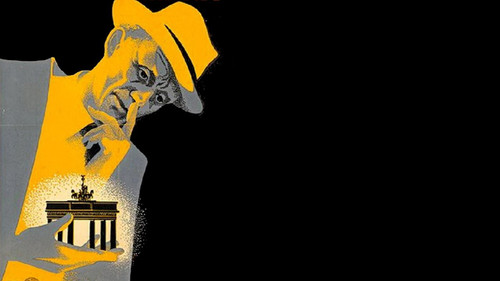
Otto, a feckless Everyman, tries to adjust to the postwar travails of his defeated nation. Stymied by black-market profiteers and government bureaucrats, Otto begins fantasizing about a happier life at the end of that ever-elusive rainbow.
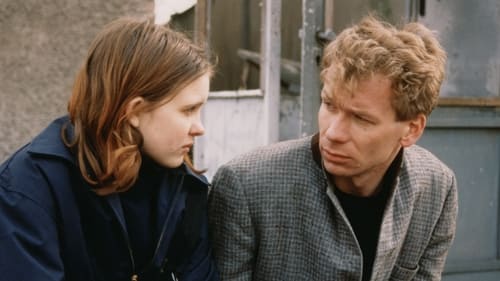
15-year-old Elfie literally and metaphorically inhabits a no-man’s-land between the two Germanies shortly after the fall of the Berlin Wall. The film deploys a neorealist aesthetic to reinforce the difficulties confronting the girl, and by inference, Germany.
Documentary about a youth work brigade working on the construction of a tower block in Berlin-Marzahn

A girl visiting modern day East Germany with her estranged father begins reliving the horrifying events that happened to a young girl living there during World War II.
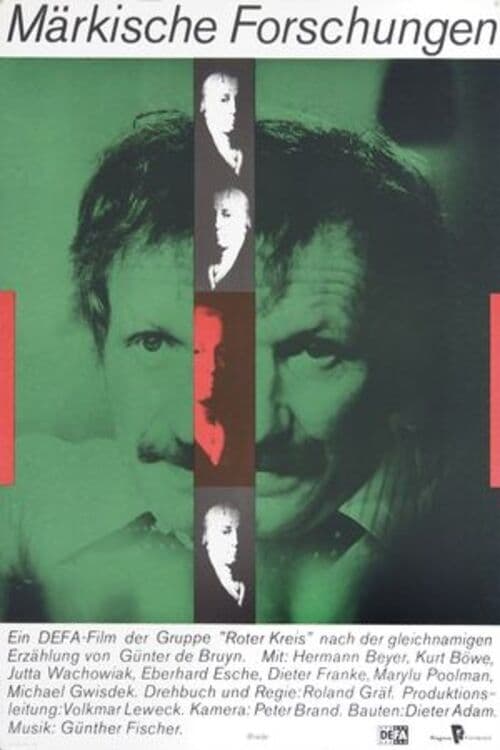
On a forest road in the Brandenburg March, village teacher Potsch accidentally encounters the distinguished Professor Menzel, who got stuck there in his car. In the conversation that ensues, Menzel and Pötsch quickly discover that they both are great admirers of the early 19th-century writer Max von Schwedenow who was born in the area.
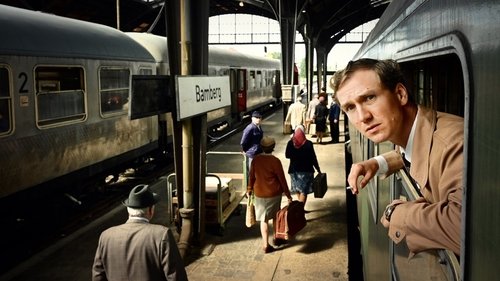
August 13, 1961: The passengers on the interzonal train from Munich to East Berlin learn 3½ hours before crossing the border that the Wall is being built in Berlin. They have 3½ hours to make a life-changing decision: to get off the train or keep going.
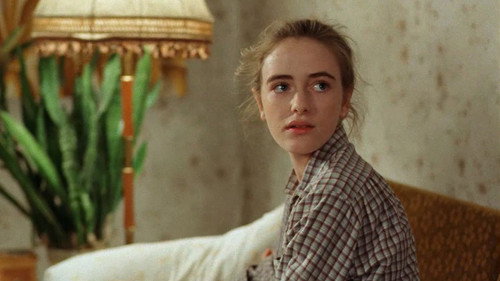
Frank, a tenth grade student, falls in love with his classmate Regine. His father is a well-connected plant manager in the GDR; Regine's mother is a single parent with four children. Regine wants to become a kindergarten teacher, but her grades are poor and she is not allowed to apply for technical college. Frank champions her and seeks an open discussion about these rigid regulations. But his criticism is nipped in the bud.