
Action
Adventure
Animation
Comedy
Crime
Documentary
Drama
Family
Fantasy
History
Horror
Music
Mystery
Romance
Science Fiction
Thriller
War
Western
Found 31 movies, 0 TV shows, and 0 people
Can't find what you're looking for?
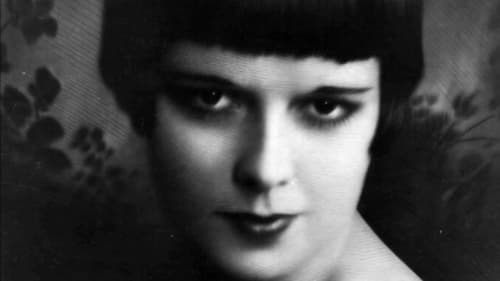
Before the G, PG and R ratings system there was the Production Code, and before that there was, well, nothing. This eye-opening documentary examines the rampant sexuality of early Hollywood through movie clips and reminiscences by stars of the era. Gloria Swanson, Mary Pickford, Marlene Dietrich and others relate tales of the artistic freedom that led to the draconian Production Code, which governed content from 1934 to 1968. Diane Lane narrates.
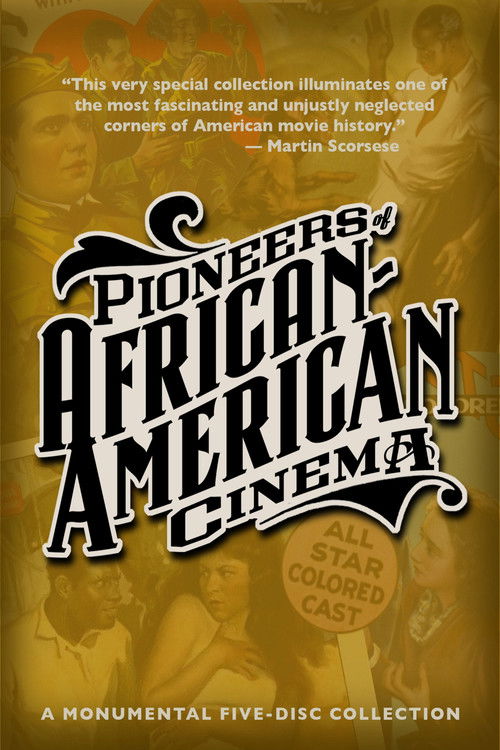
"Religion in Early African-America Cinema" returns to Charles Musser & Jacqueline Najuma Stewart, who offers historical perspective on depictions and criticism of faith in the collected films.

The BFI's fascinating collection of 60 short films all made before 1911 aims to give wider access to some of the extraordinary film material held in the BFI National Archive, much of which has been restored. Although most films made at this time were actualities and newsreels, this collection contains mostly fiction films, ranging from the dramatic to the comic and the fantastical.

This six-minute short from director Daniel Bird takes a look at the silent cinema pioneers that influenced the work of Walterian Borowczyk. We take a look at various aspects to THE STRANGE CASE OF DR. JEKYLL AND MISS OSBOURNE and then see the influence that some early silent filmmakers had on it. This includes the work of Georges Melies as well as others.
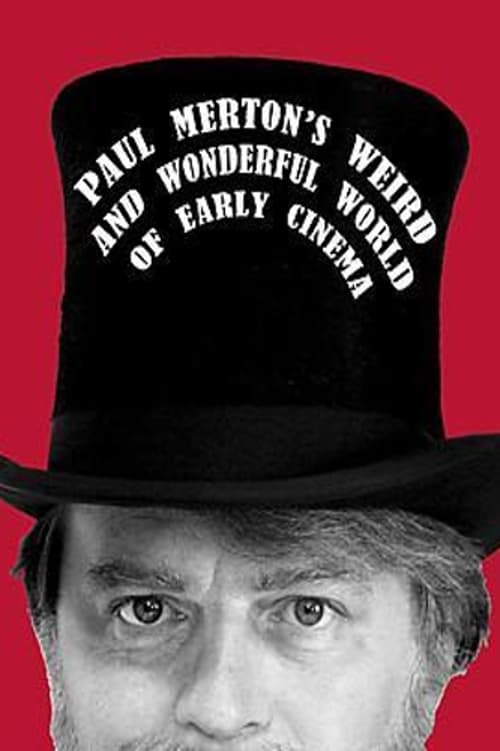
Paul Merton goes in search of the origins of screen comedy in the forgotten world of silent cinema - not in Hollywood, but closer to home in pre-1914 Britain and France. Revealing the unknown stars and lost masterpieces, he brings to life the pioneering techniques and optical inventiveness of the virtuosos who mastered a new art form. With a playful eye and comic sense of timing, Merton combines the role of presenter and director to recreate the weird and wonderful world that is early European cinema in a series of cinematic experiments of his own.
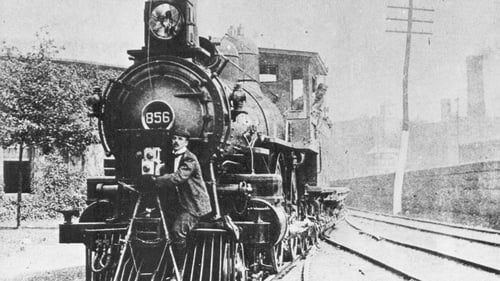
Unseen Cinema reveals hitherto unknown accomplishments of American filmmakers working in the United States and abroad from the invention of cinema until World War II, and offers an innovative and often controversial view of experimental film as a product of avant-garde artists, of professional directors, and of amateur movie-makers working collectively and as individuals at all levels of film production. Many of the films have not been available since their creation, some have never been screened in public, and almost all have been unavailable in copies as good as these until now. Sixty of the world's leading film archive collections cooperated with Anthology Film Archives to bring this long-neglected period of film history back to life for modern audiences.
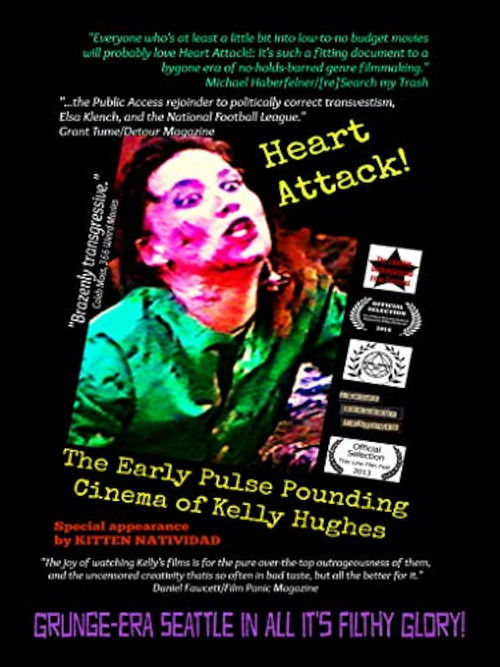
Pre-YouTube shot-on-video VHS analog chaos! In 1991, while Grunge Rock & Twin Peaks made the Pacific NW hip, Kelly Hughes did his best to make it trashy. Artistically ruined by an early exposure to the films of John Waters, Hughes churned out a sleazy body of work on his weekly suspense anthology Heart Attack Theatre on Seattle's public access TV. Features clips & actor interviews.

Accounts of early film spectatorship often explain the viewer’s fascination with peripheral details—i.e. the wind in the trees of the Lumieres’ Repas de bebe—as an attraction to the “contingencies” indiscriminately captured by the camera. Rethinking the appeal of rippling waves, rising dust, and fluttering leaves in terms of unplannable movements rather than unplanned events, this video essay examines an unlikely sympathy between early cinema spectatorship and the recent attention to hyperrealistic details in computer-generated animation, such as the dust in Wall-E, the flowing hair in Brave, and the snow in Frozen.

The most that mainstream culture knows of the Talmud is from the finale scene of Schindler's List, when Yitzchok Stern hands Oskar Schinder an engraved gold ring that reads, "Whoever saves one life saves the world entire." But how can Talmudic wisdom be additionally applied to the Holocaust, specifically how the tragedies of the Holocaust are depicted in cinema? Daniel Kremer, a film historian (and one-time observant/Chasidic Jew), takes a deep dive into both Jewish scholarship and what the cinema itself is capable of capturing, for once and for all time.
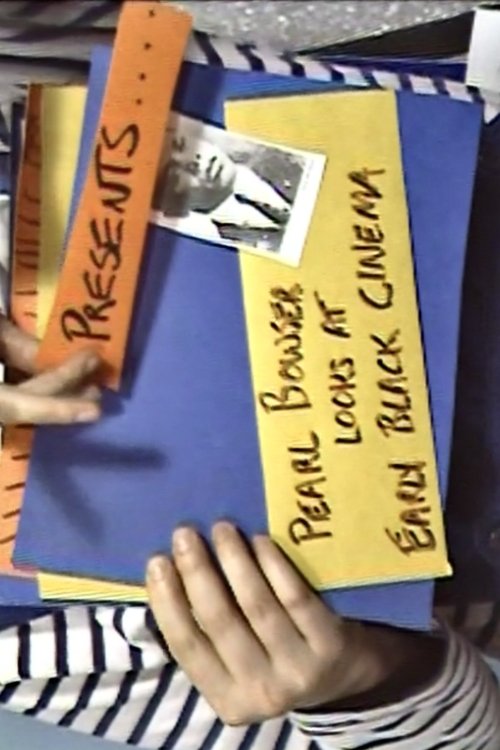
Pearl Bowser (born 1931) is an author, television director, film director, producer, and film archivist. At the time of the program, she was the director of Chamba Educational Film Services. She is the author of a book on the first ten years of the career of Oscar Micheaux and is credited for having helped rediscover some of Oscar Micheaux's rare surviving films. She is the founder of African Diaspora Images, a collection of visual and oral histories that documents the history of African-American filmmaking.
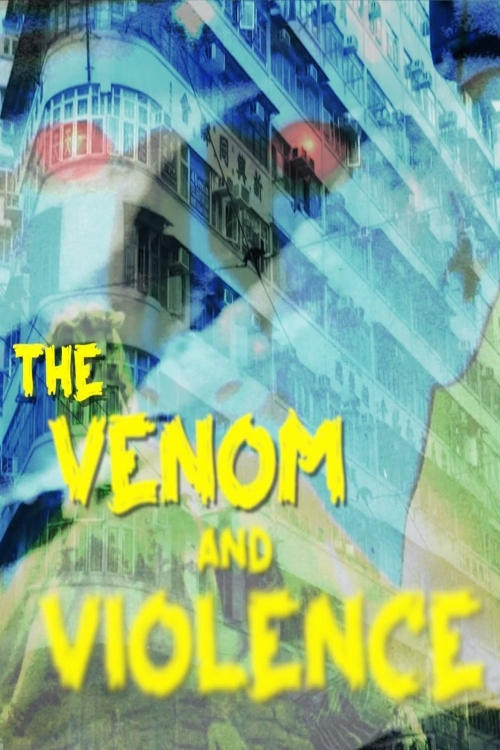
A look back at the largely undocumented period of early Chinese-language horror cinema, beginning in Hong Kong and the Shaw Brothers and graduating to Taiwan and the production of Calamity of Snakes in 1983.
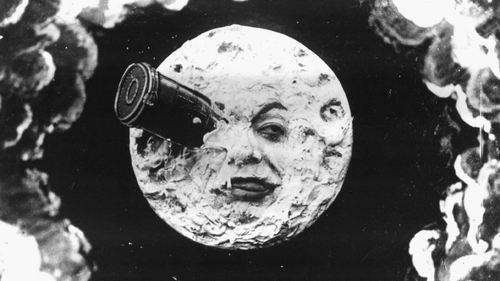
Professor Barbenfouillis and five of his colleagues from the Academy of Astronomy travel to the Moon aboard a rocket propelled by a giant cannon. Once on the lunar surface, the bold explorers face the many perils hidden in the caves of the mysterious planet.
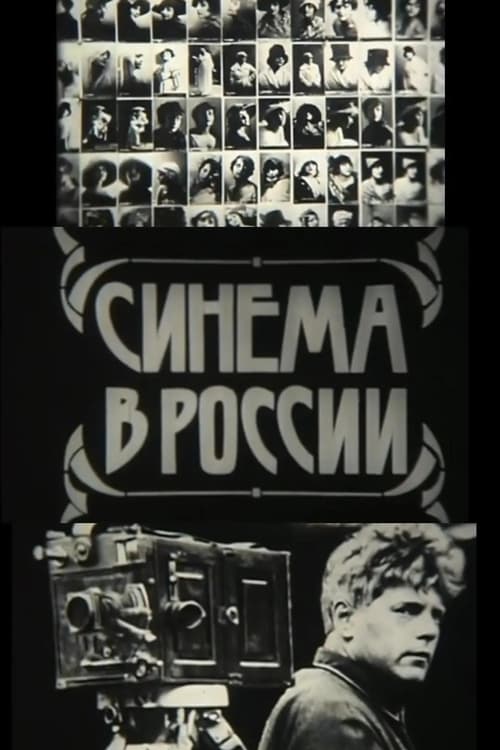
Documentary film about early years of Russian cinema: its first directors, cameramen, producers and actors. Includes rare fragments of pre-revolutionary feature films, newsreels and Starewicz's animation.
Throughout the 19th century, imaginative and visionary artists and inventors brought about the advent of a new look, absolutely modern and truly cinematographic, long before the revolutionary invention of the Lumière brothers and the arrival of December 28, 1895, the historic day on which the first cinema performance took place.
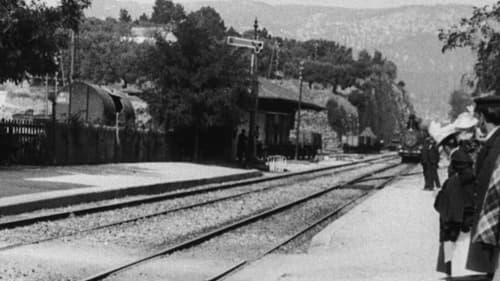
A group of people are standing along the platform of a railway station in La Ciotat, waiting for a train. One is seen coming, at some distance, and eventually stops at the platform. Doors of the railway-cars open and attendants help passengers off and on. Popular legend has it that, when this film was shown, the first-night audience fled the café in terror, fearing being run over by the "approaching" train. This legend has since been identified as promotional embellishment, though there is evidence to suggest that people were astounded at the capabilities of the Lumières' cinématographe.
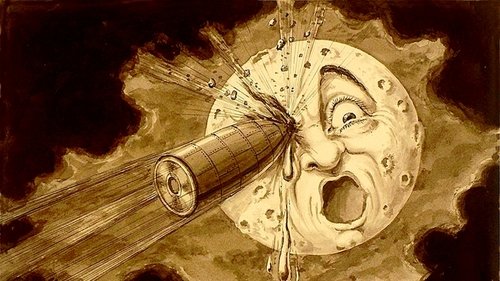
An account of the extraordinary life of film pioneer Georges Méliès (1861-1938) and the amazing story of the copy in color of his masterpiece A Trip to the Moon (1902), unexpectedly found in Spain and restored thanks to the heroic efforts of a group of true cinema lovers.
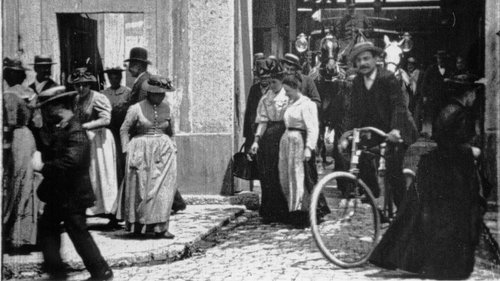
Working men and women leave through the main gate of the Lumière factory in Lyon, France. Filmed on 22 March 1895, it is often referred to as the first real motion picture ever made, although Louis Le Prince's 1888 Roundhay Garden Scene pre-dated it by seven years. Three separate versions of this film exist, which differ from one another in numerous ways. The first version features a carriage drawn by one horse, while in the second version the carriage is drawn by two horses, and there is no carriage at all in the third version. The clothing style is also different between the three versions, demonstrating the different seasons in which each was filmed. This film was made in the 35 mm format with an aspect ratio of 1.33:1, and at a speed of 16 frames per second. At that rate, the 17 meters of film length provided a duration of 46 seconds, holding a total of 800 frames.
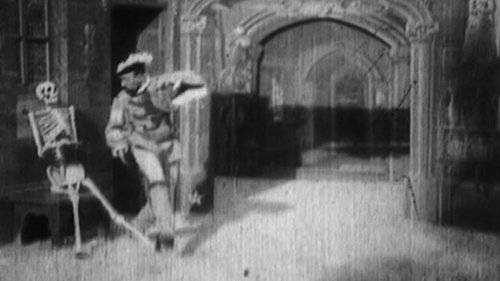
In a medieval castle, a dark magician thought to be Mephistopheles conjures up a series of bizarre creatures and events in order to torment a pair of interloping cavaliers.
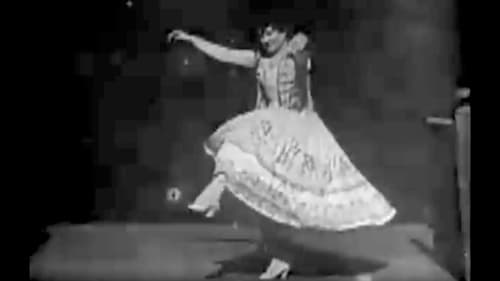
The first woman to appear in front of an Edison motion picture camera and possibly the first woman to appear in a motion picture within the United States. In the film, Carmencita is recorded going through a routine she had been performing at Koster & Bial's in New York since February 1890.

A man (Thomas Edison's assistant) takes a pinch of snuff and sneezes. This is one of the earliest Thomas Edison films and was the second motion picture to be copyrighted in the United States.

A documentary chronicling the pioneering efforts of black filmmaker William D. Foster in the early years of the industry and Oscar Micheaux's controversial impact on the subsequent "race movies".
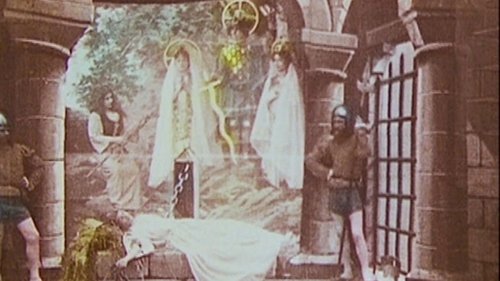
A divinely inspired peasant woman becomes an army captain for France and then is martyred after she is captured.
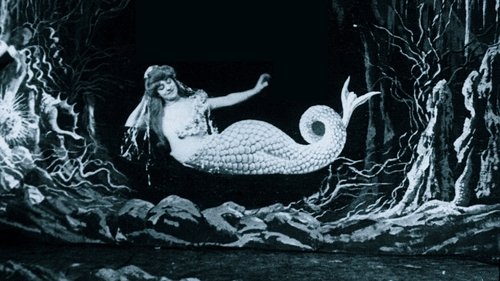
A walk through the life and work of the brilliant French filmmaker Georges Méliès (1861-1938), pioneer of special and visual effects.

No description available for this movie.
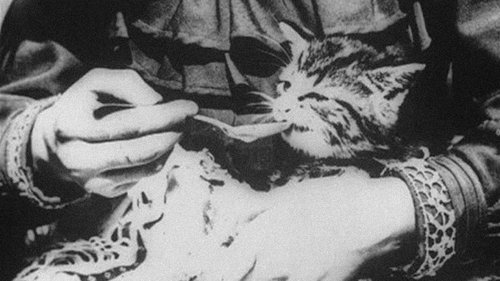
A simple scene of two rather flamboyantly-dressed Edwardian children attempting to feed a spoonful of medicine to a sick kitten. The film is important for being one of the earliest films to cut to a close-up, then back again to the same medium shot as before.
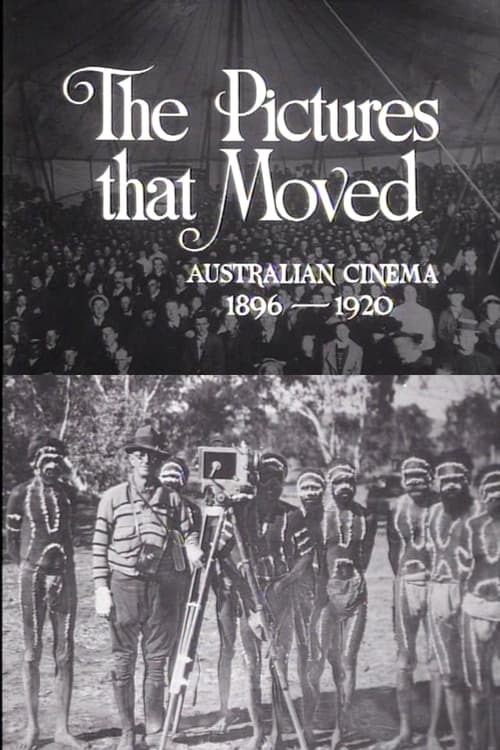
Part 1 of the History of Australian Cinema series. Australian cinema from the very beginning, from the newsreels, ethnographic and actuality films, to the controversy of "The Story of the Kelly Gang" and the success of "The Sentimental Bloke".
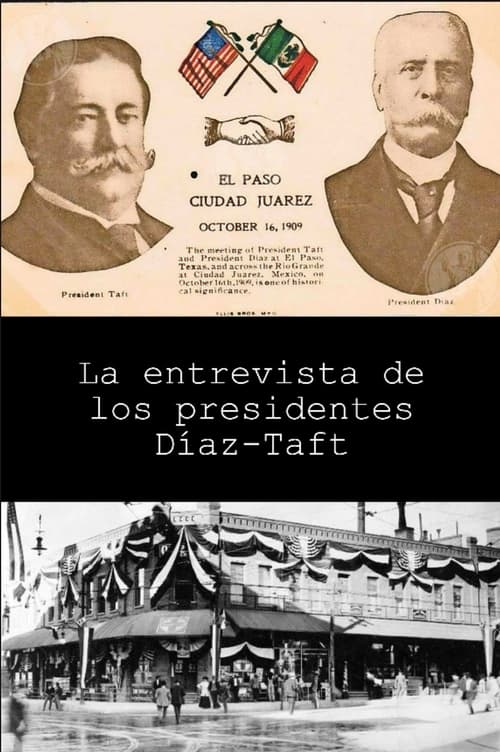
The first meeting of a U.S. president and a Mexican president took place when William Howard Taft met Porfirio Díaz on 16 October 1909, in El Paso. The meeting was celebrated in both El Paso and Juárez with parades, elaborate receptions, lavish gifts and large crowds. Shot by the pioneers of Mexican Cinema the brothers Alva. This is a typical example of newsreel material prior to the Mexican revolution. By hemerographical references we know that this footage was presented to the then president of Mexico General Porfirio Díaz in the Castle of Chapultepec, then residence of the president.
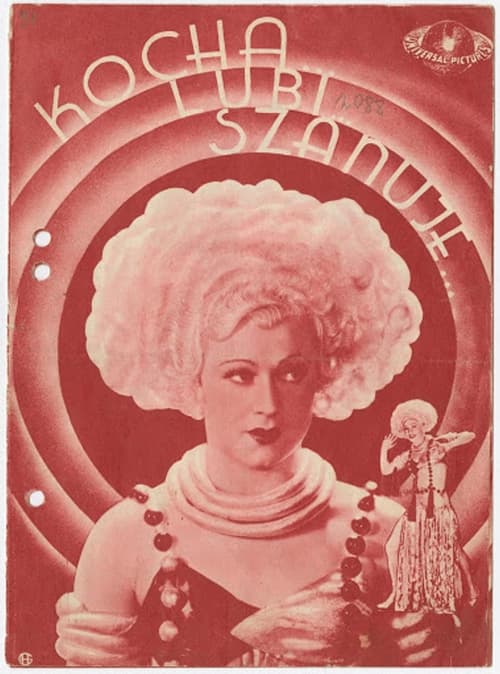
Pharmacy trainee Władzio is a shy young man with a good heart, in love with lovely Loda.
A 19th century wire-walker performs his stage act on a woman's clothesline. An early comedy by pioneer director Robert W. Paul.

About the creative career of People's Artist of the USSR N.K. Cherkasov. The film uses footage from movies of the 1920s and 1930s.
White’s camera offers several 360-degree pans of views of the fairground, then amazes by tilting up and down the Eiffel Tower, and concludes with a stunning tracking shot to the highest point above Paris. Exhibitors freely grouped films into nascent narratives such as those displayed here. - Bruce Posner