
Action
Adventure
Animation
Comedy
Crime
Documentary
Drama
Family
Fantasy
History
Horror
Music
Mystery
Romance
Science Fiction
Thriller
War
Western
Found 20 movies, 3 TV shows, and 0 people
Can't find what you're looking for?

No description available for this movie.
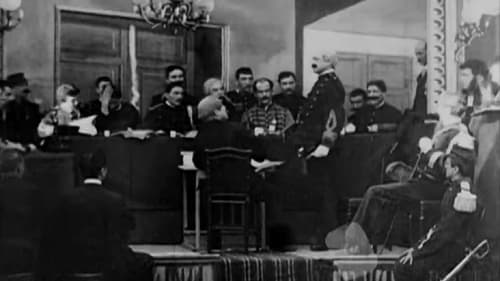
The first movie ever censored for political reasons. The title refers to the then contemporaneous Dreyfus affair in which a Jewish military officer was falsely convicted of treason, and it was alleged that he was framed due to anti-semitism.
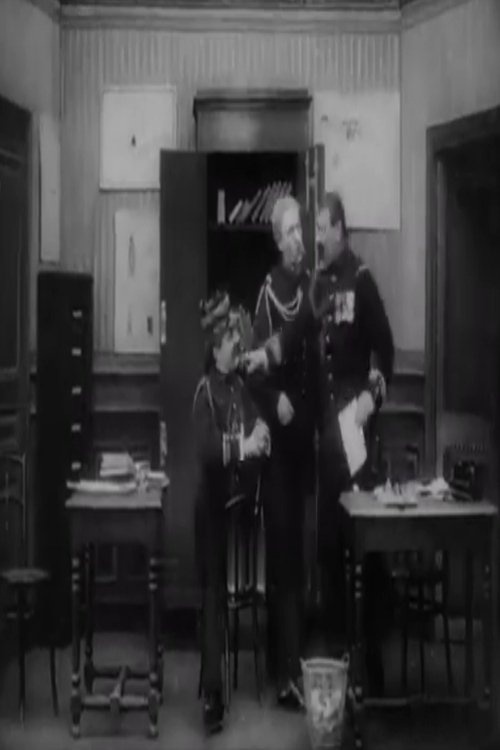
In this interesting picture we are given a vivid idea of the principal incidents connected with the Dreyfus case, which caused such a stir in military circles in the year of 1894. Alfred Dreyfus, an officer on the general staff, was charged with selling secrets to a foreign power. He was tried and judged guilty on flimsy evidence, and sentenced to imprisonment on Devil's Island, where he remained for eight years, until his influential friends, who took up his case in earnest, proved it was a plot formed by other officers, who subsequently confessed to having forged the documents.
Pseudo-documentary compiled by Lumière cameraman Francis Doublier in 1898: a stitched reel of unrelated actuality clips narrated as scenes from the Dreyfus case (trial, imprisonment, transport). Shown in Russia under producer Ivan Grunwald, it predated Méliès’s 1899 dramatic series and is cited as an early example of “reconstructed” or deceptive news film.
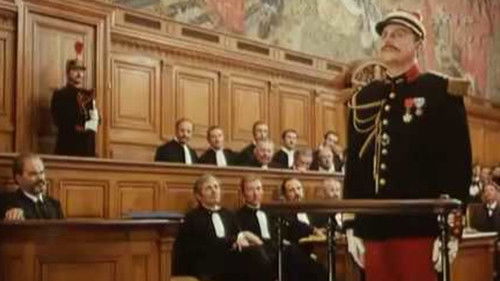
In 1894, the French Army discovered the existence of a traitor Alsatian and Jewish, the French officer Alfred Dreyfus makes an ideal culprit. For lack of evidence, the War Ministry creates a damning document Dreyfus overwhelming. Judged and sentenced, Dreyfus is deported to Devil's Island. In 1896, the Army flushed out the real culprit. The truth broke out in 1898 thanks to the mobilization of intellectuals shaken by Zola's "J'accuse!"
No description available for this movie.
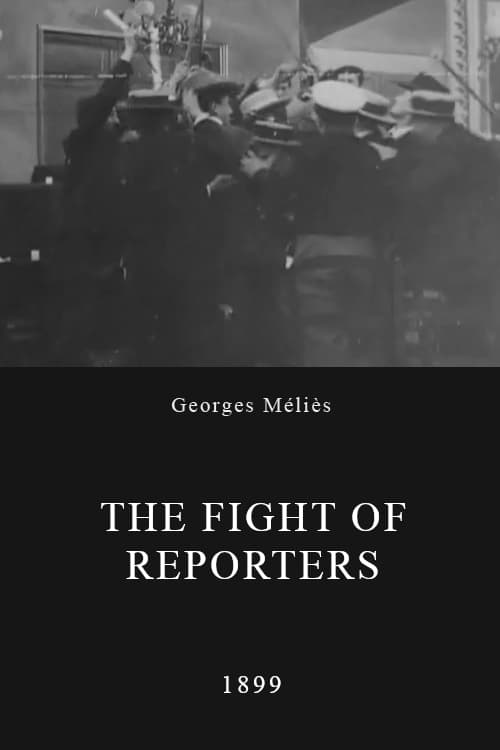
During an interval in the proceedings of the court martial, the journalists enter into an animated discussion, resulting in a dispute between Arthur Meyer of the 'Gaulois', and Mme. Severine of the 'Fronde', resulting in a fight between Dreyfusards and Anti-Dreyfusards, in which canes and chairs are brought down upon the heads of many. The room is finally cleared by the gendarmes.
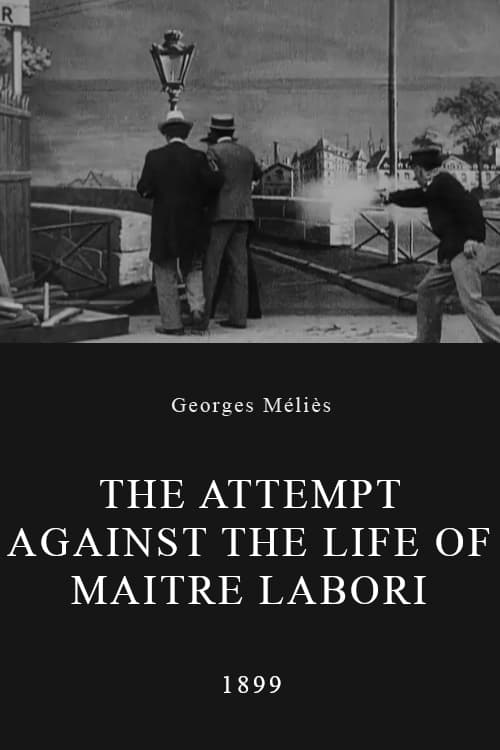
Maître Labori is seen approaching the bridge of Rennes in company with Colonel Picquart and M. Gast, Mayor of Rennes. They notice that they are followed by another man to whom Colonel Picquart calls Labori's attention. They, however, consider his proximity of no importance, and continue to speak together. As soon as their backs are turned, the man draws a revolver and fires twice at Maître Labori, who is seen to fall to the ground. The culprit makes his escape, pursued by Colonel Picquart and M. Gast.
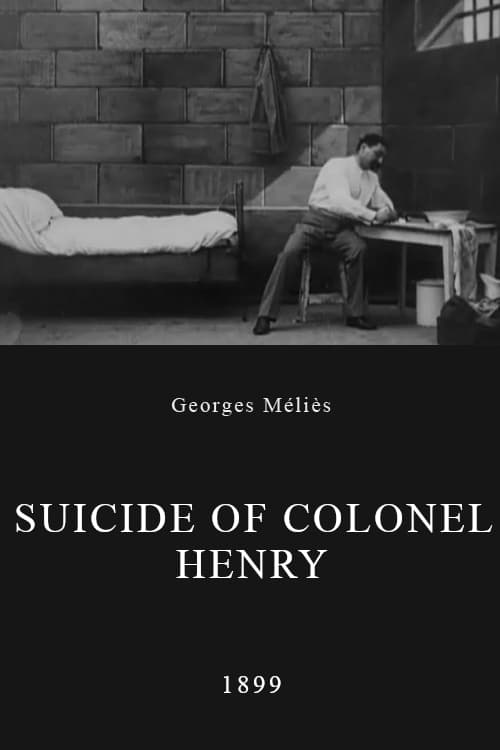
Shows the interior of the cell of the Prison Militaire du Cherche-Midi, Paris, where Colonel Henry is confined. He is seated at a table writing a letter, on completion of which he rises and takes a razor out he had concealed in his porte-manteau, with which he cuts his throat. The suicide is discovered by the sergeant of the guard and officers.
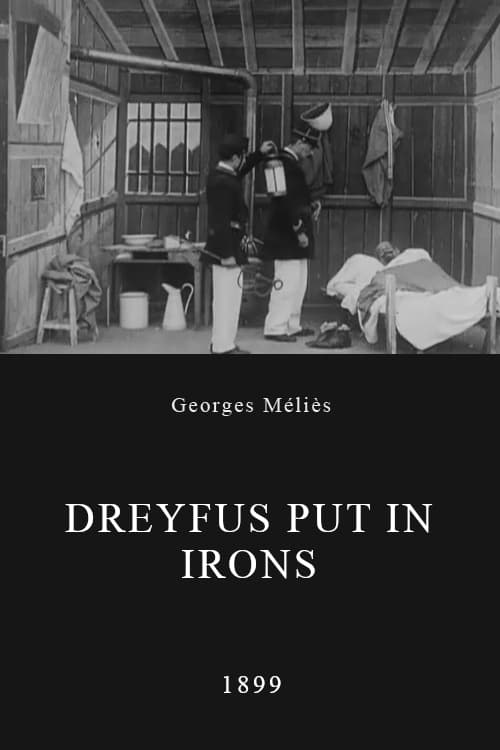
Showing the interior view of the hut in which Dreyfus is confined. The scene takes place at night, showing the moon through the window of the cell. Two guards stealthily approach the cot upon which Dreyfus is sleeping. They awake him and read to him the order from the French minister–M. Lebon–to put him into irons, which they proceed at once to accomplish. Dreyfus vigorously protests against this treatment, which protests, however, fall on deaf ears. The chief sergeant and guards before leaving the hut, inspect the four corners of same by means of a lantern.
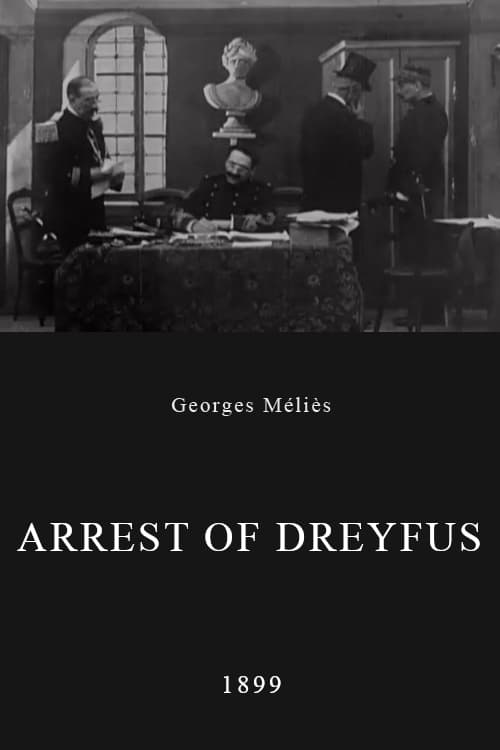
Du Paty de Clam requests Captain Dreyfus to write as he dictates for the purpose of ascertaining whether his handwriting conforms to that of the Bordereau. He notices the nervousness of Dreyfus, and accuses him of being the author of the Bordereau. Paty de Clam offers Dreyfus a revolver, with advice to commit suicide. The revolver is scornfully rejected, Dreyfus stating that he had no need for such cowardly methods, proclaiming his innocence. His arrest is immediately ordered by M. Cochefort.
No description available for this movie.
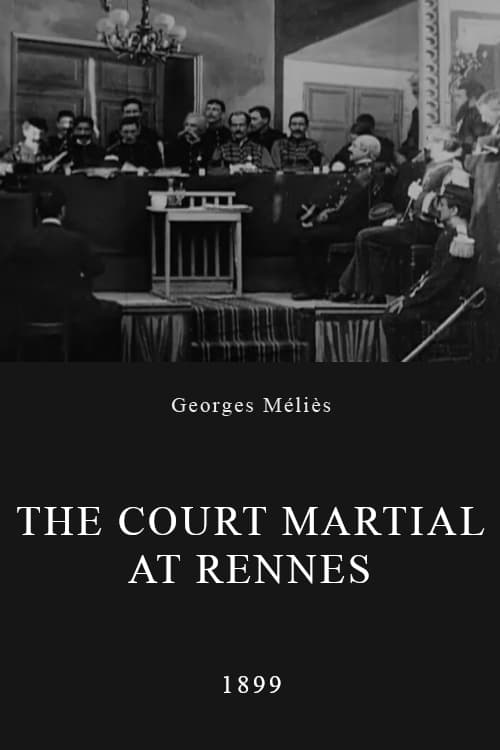
The infamous Dreyfus is finally brought before a court martial.
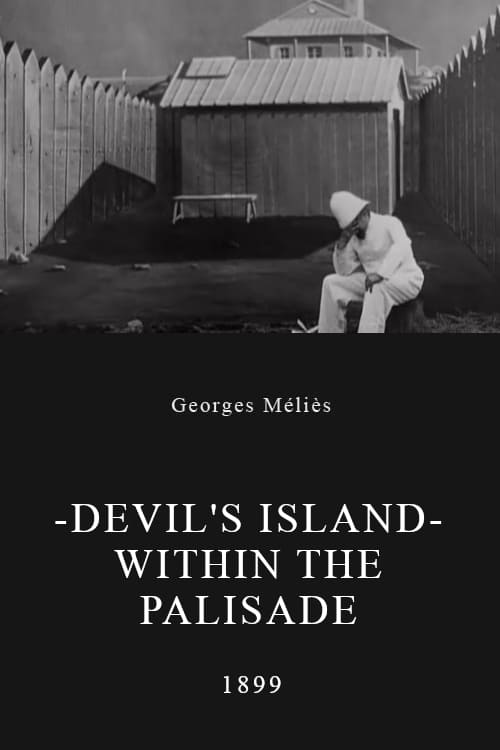
A reenactment of a scene inside Devil's Island prison.
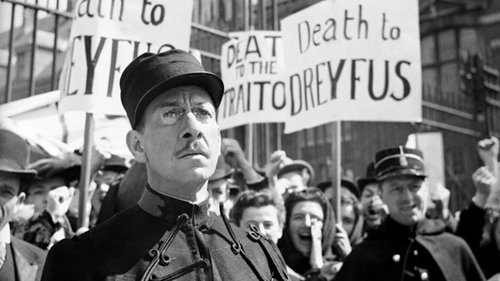
Alfred Dreyfus, a German-Jewish captain serving in the French Army, is falsely accused of treason and made a scapegoat for military espionage in an act of institutional anti-Semitism. Sent to prison, he becomes a cause célèbre for the novelist Émile Zola, who dubs it the "Dreyfus Affair." Eventually, Dreyfus is pardoned when the military cover-up is made public, and he returns to France. But his name is forever tarnished by the accusations of treason.
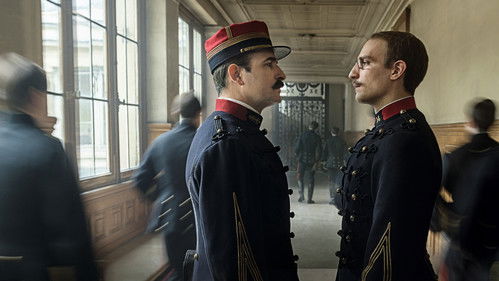
In 1894, French Captain Alfred Dreyfus is wrongfully convicted of treason and sentenced to life imprisonment at the Devil’s Island penal colony.
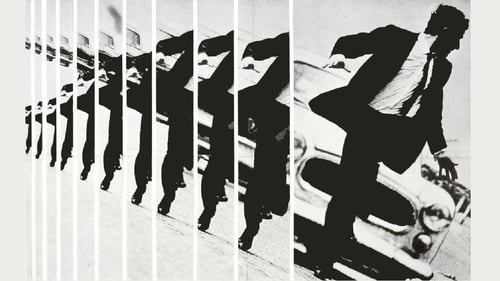
A prominent politician is murdered during a demonstration. The government and army are trying to suppress the truth, but a tenacious magistrate is determined not to let them get away with it.
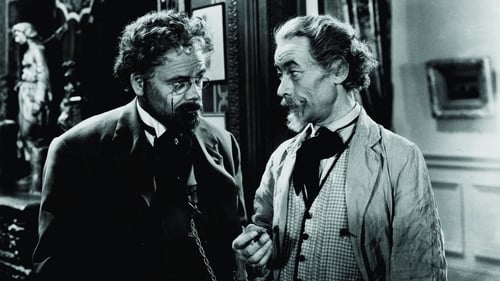
A fictionalized account of famous French writer Emile Zola and his involvement in the Dreyfus Affair. After struggling to establish himself, Zola wins success writing about the unsavory side of Paris and settles into a comfortable upper-class life. However, Zola's complacency is shaken when Jewish officer Alfred Dreyfus is imprisoned for being a spy. Realizing that Dreyfus is an innocent victim of anti-Semitism, Zola boldly pens a newspaper article exposing the truth, is charged with libel and must defend himself in a dramatic courtroom testimony.

Victim of a terrible plot, Captain Dreyfus was sentenced in December 1894 to deportation for high treason. His wife Lucie made a pact with him: to live, whatever the cost, while awaiting rehabilitation. During five years, the Dreyfus spouses exchanged hundreds of letters. They became a weapon of survival for Alfred. This film is the story of the correspondence of a man and a woman who unwittingly became the unsung heroes of the case that bears their name.
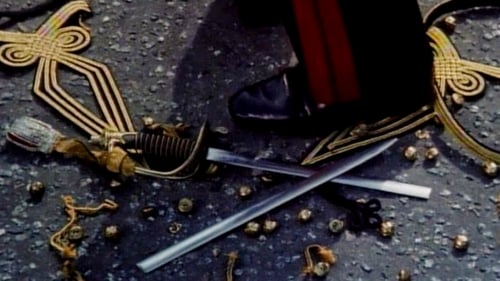
France, 1897: Colonel Georges Picquart challenges the government when he discovers the obscure political maneuvers that leads to the imprisonment of the Jewish Captain Alfred Dreyfus after being convicted of espionage three years earlier.