
Action
Adventure
Animation
Comedy
Crime
Documentary
Drama
Family
Fantasy
History
Horror
Music
Mystery
Romance
Science Fiction
Thriller
War
Western
Found 44 movies, 4 TV shows, and 2 people
Can't find what you're looking for?
In a black suburb, a couple begins to notice that their neighbours are disappearing and white people are moving in. They soon discover something much more unpalatable.
On the eve of leaving Puerto Rico, two childhood friends spend one last night together inside a cramped living room, circling around their unspoken fears and desires. Through laughter, arguments, and silence, they wrestle with the weight of migration, identity, and the ache of staying behind. Diaspora is a raw, intimate chamber piece about friendship on the verge of loss, and the impossible choice between leaving home or being left by it.

Short film.
Arriving in Winnipeg's North End in search of a better life, young Ukrainian immigrant Eva finds a city filled with rundown, outdated establishments and a disproportional number of other immigrants all too in search for a new life, all desperately holding onto their language and cultural, creating a neighborhood of miscommunication, apathy and growing alienation.

How did migration transform the Caribbean identity through art and culture? This documentary explores the rich heritage behind the Dominican Republic's history and other Caribbean territories and, in doing so, takes us out of the Caribbean and into other latitudes where Caribbeans have taken and installed their traditions.
Diasporadical Trilogìa follows the story of a woman who mysteriously lived on three different continents at the same time. Through a magical realism lens, she shares her memories of growing up as a little girl in Brooklyn, a young lady in Accra and a middle aged woman in Bahia, while struggling with love, immigration and gentrification.
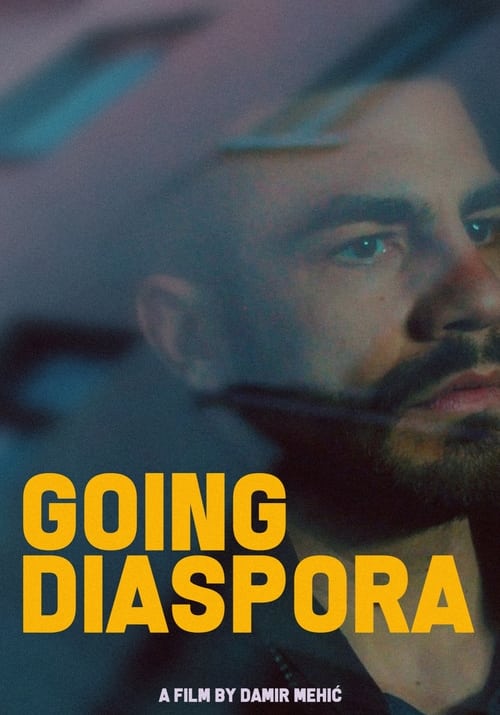
A young man is about to leave Bosnia for Luxembourg in search for a better life there, and says goodbye to the city he grew up in.

The filmmaker envisions what life would have been like if her parents never left their country of origin. The haunting imagery and disjointed narration (in Amharic, left un-translated) create a portrait of the place her mother and father called home.
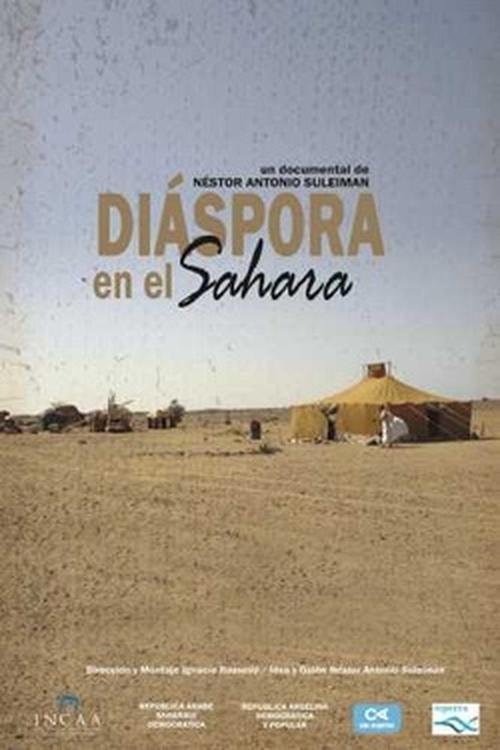
Testimonies of a people enlisted on the path of independence. Records taken at refugee camps in Tindouf (Sahara Desert in southern Algeria) and Bir Lehlu (region liberated by the Polisario Front)
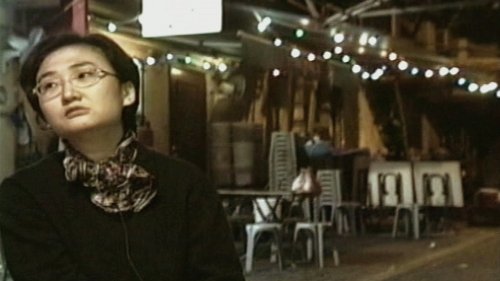
An average of 60,000 people emigrated from Hong Kong each year in early 1990s. An absolutely personal and biased sampling of this diaspora from an insider/outsider perspective just before the 1997 handover. Based on the personal experiences of individuals from Hong Kong in 1990s, Diasporama is an experimental documentary that addresses issues of the diasporic condition. In a series of intimate interviews that explore the relationship of the personal and the political, Yau Ching confronts notions of nationhood, identity, and post-colonialism. Inserting her own face and voice as a form of mediation, the artist herself becomes one of the subjects.

During the Japanese occupation period, Koreans were forced to deport or drafted to work in other countries. Now 150 years passed, it appears around 7million of those people and their families are spread in 170 countries. There, a world-famous Korean-Japanese musician Yang Bang Ean follows the pathways of Korean diasporas as an inspiration, and performs his cross over music concert called ‘ARIRANG ROAD’.
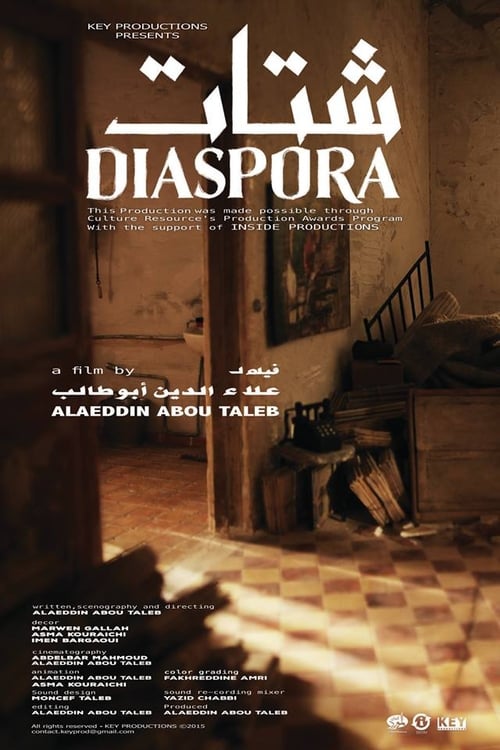
A story of a Head who lives alone in a wheelchair for long years in his apartment in downtown of Tunis. He falls into routine by subsisting on media, until he was surprised by an employment announcement. In the end, he abandons his isolation and leaves his wheelchair.

Tales of the Diaspora is the debut film from xxiivanu productions, and was conceived as a love letter to Pasifika youth around the world, as they navigate the sometimes tumultuous waves of finding and retaining cultural identity whilst growing up away from their homelands.
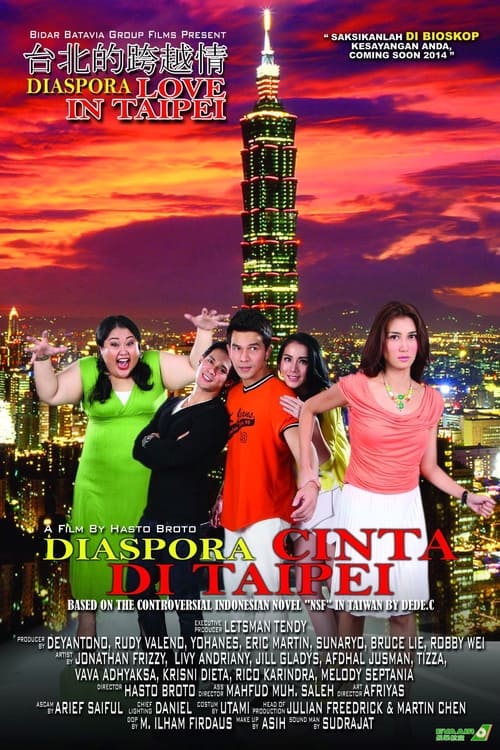
Because his ability as a Chinese translator was not yet qualified, Anton was asked by his superiors to deepen his knowledge in Taiwan. Before leaving, Anton pledged his allegiance to Jelita, his wife.
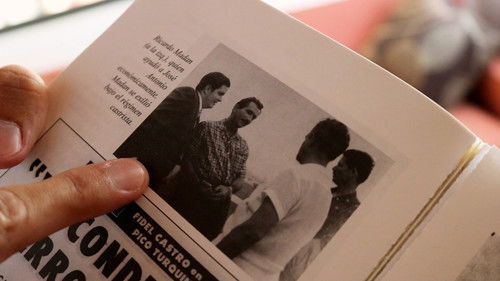
From Scotland to Ecuador, passing through Canada, Spain and Angola, 21 young Cubans who grew up in 9 countries outside the island tell their experiences of adaptation living between two cultures and the survival of the Cuban identity despite their stories of familial rupture and alienation.
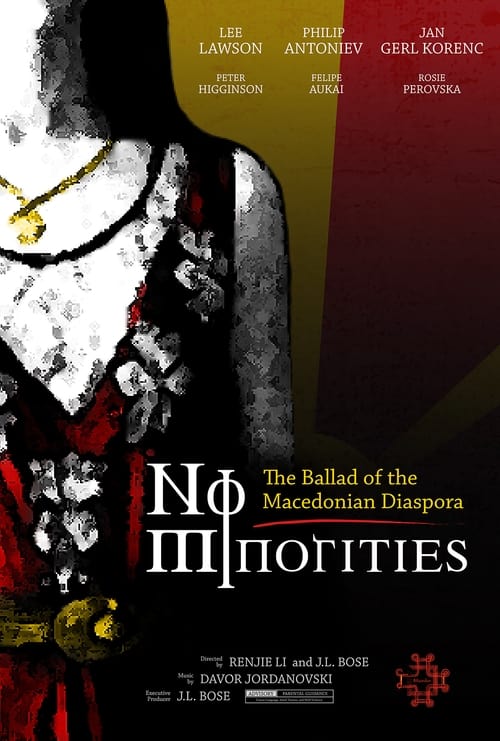
No Minorities is a story about a small, yet passionate and historically significant group of people that MUST be told. The Ballad of the Macedonian Diaspora is a compilation of real word-of-mouth stories of the trials and tribulations told by grandparents, parents, uncles, and aunts weaved into the fictional journey of our principal and secondary protagonists.
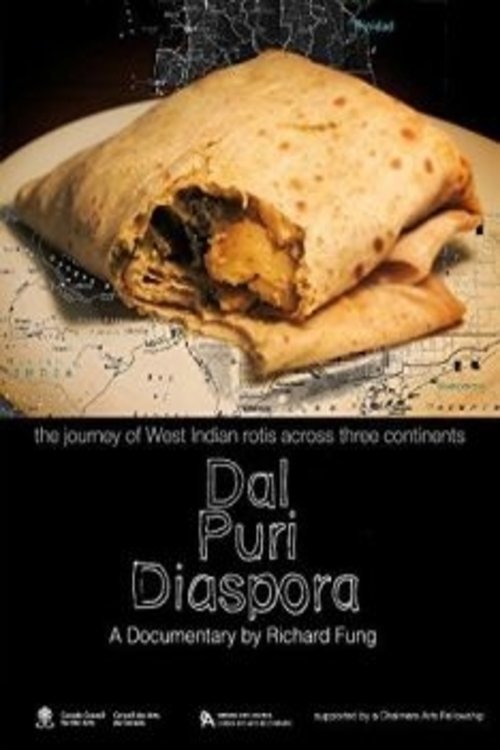
Growing up in Trinidad, Richard Fung loved dal puri roti. In this epic culinary quest he sets out to discover where this spicy flat bread was born. His journey takes him from the central plains of Trinidad to the Bhojpur region of India, and finally to the snowy streets of Toronto, Canada.
No description available for this movie.
No description available for this movie.
Sandra Oh, Sen. Tammy Duckworth, Kumail Nanjiani, Amanda Nguyen, Connie Chung, and beyond: their worlds may be disparate, but they’ve all, in their unique ways, navigated what it means to be Asian in relation to their American identities. While their success has been fraught with racism, they share their stories of losses and wins.
In director Ron Howard’s period epic, a young free-spirited Irish woman from an affluent Protestant family spontaneously befriends a street-smart commoner gypped by her family’s hostile land takeovers before the two escape together to America for a new life during the 19th century Oklahoma land rush.
After making a harrowing escape from war-torn South Sudan, a young refugee couple struggle to adjust to their new life in a small English town that has an unspeakable evil lurking beneath the surface.
A Korean-American man cares for his ailing mother and tries to master her traditional Korean dishes.
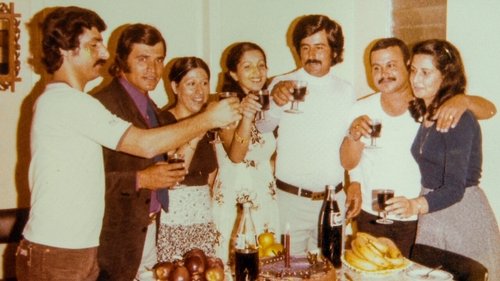
An intimate, and often humorous, portrait of three generations of exile in the refugee camp of Ein el-Helweh, in southern Lebanon. Based on a wealth of personal recordings, family archives, and historical footage, the film is a sensitive, and illuminating study of belonging, friendship, and family in the lives of those for whom dispossession is the norm, and yearning their daily lives.

Two estranged cousins who never knew each other try to make amends for many generations of family dispute.

An aging Hong Kong couple move to Australia with their two youngest sons. They stay with a daughter who has already begun a successful career. Meanwhile their eldest daughter lives in Germany and their eldest son remains in Hong Kong. The film explores the different ways the family members cope with isolation and alienation.
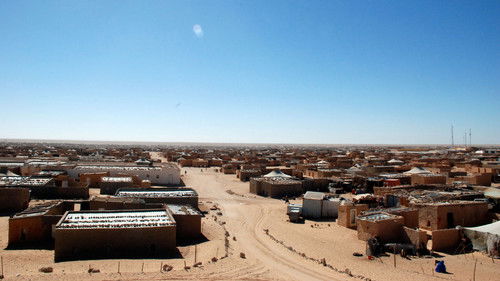
Fatimetu returns to the Wilaya of Smara for the funeral of her mother, after 16 years living in Spain. There she meets her brother Jatri, who is expecting his first child with Aichetu his wife, and her sister Hayat. Jatri tells her that she has inherited the family Khaimah and must care for her sister. Fatimetu reluctantly accepts the last will of her mother, though she is not sure how to take care of her sister as she can barely take care of herself.
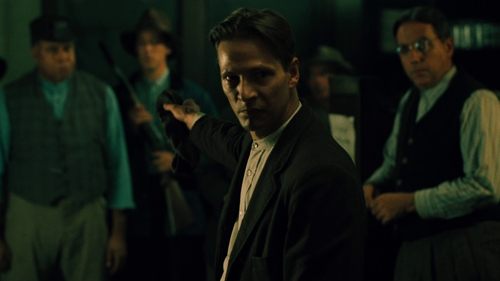
Filmed in the coal country of West Virginia, "Matewan" celebrates labor organizing in the context of a 1920s work stoppage. Union organizer, Joe Kenehan, a scab named "Few Clothes" Johnson and a sympathetic mayor and police chief heroically fight the power represented by a coal company and Matewan's vested interests so that justice and workers' rights need not take a back seat to squalid working conditions, exploitation and the bottom line.
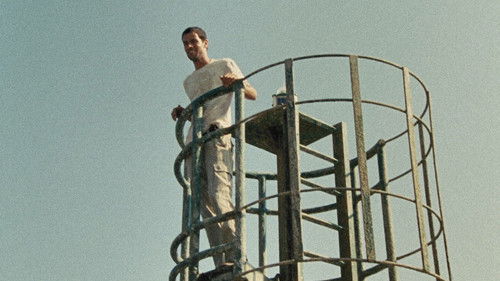
Born in Brooklyn to Palestinian refugee parents, Soraya decides to journey to the country of her ancestry when she discovers that her grandfather's savings have been frozen in a Jaffa bank account since his 1948 exile. However, she soon finds that her simple plan is a complicated undertaking — one that takes her further from her comfort zone than she'd imagined.
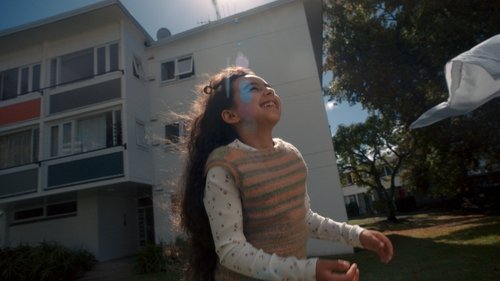
Maysa unfolds over a single afternoon as a young woman and her stoic middle eastern mother navigate the quiet tension of a long-held silence. As memories of migration and girlhood surface in fractured flashbacks, their unspoken history begins to unravel. A tender, restrained portrait of love, resilience, and the things women carry - even when they no longer have to.
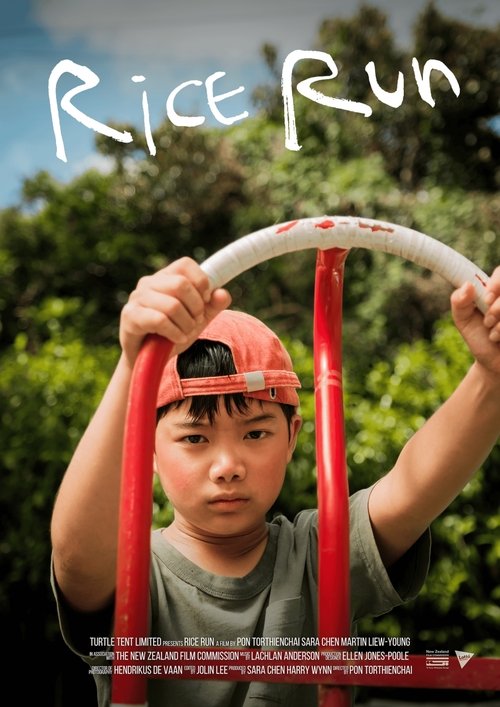
No description available for this movie.

"Djazaïrouna", produced by the cinema service of the Provisional Government of the Algerian Republic (GPRA), is a montage film intended to inform the international community at the UN in 1959 on the objectives pursued by the Algerian resistance during the war of 'Algeria. Independence in Algeria (1954-1962). In 1959, Djamel-Eddine Chanderli and Mohammed Lakdar-Hamina produced Djazaïrouna (Our Algeria) from images taken by René Vautier and Doctor Pierre Chaulet. This film, completed a little later and will result in the film “The Voice of the People”. This documentary on the history of Algeria through a montage of current events, traces the political and military actions of the A.L.N, the demonstrations of December 1960, and the attack on a fortified French base on the border between Algeria and Tunisia.
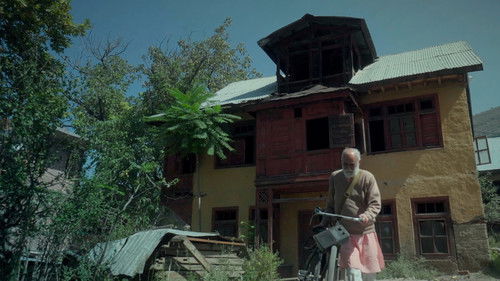
In the heart of a bustling city of Jammu, far from their ancestral homeland, Kashmir, a Kashmiri Pandit family juggles the complexities of modern life while caring for an elderly grandfather who struggles with a memory condition.
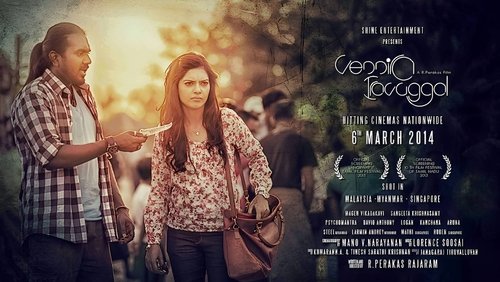
A rich irresponsible boy shows a different feeling towards a fresher at the university. He suddenly vanishes taking money from the girl´s bank. The girl goes in search of the boy to get her money. The film has a turning point which is surprising.
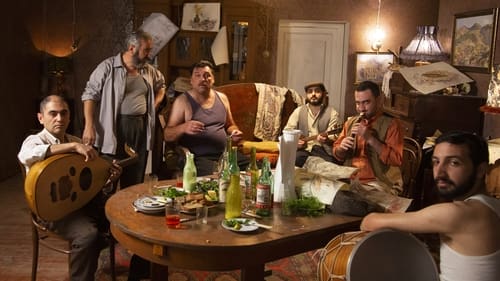
In 1948, decades after fleeing Armenia to the US as a child, Charlie returns in the hopes of finding a connection to his roots, but what he finds instead is a country crushed under Soviet rule. After being unjustly imprisoned, Charlie falls into despair, until he discovers that he can see into a nearby apartment from his cell window - the home of a prison guard.
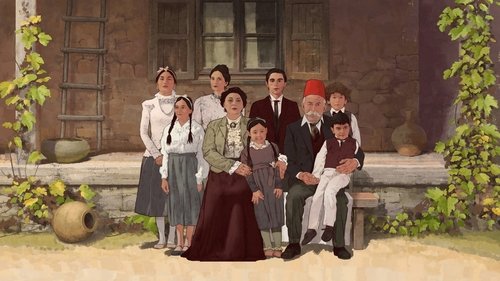
The story of how Aurora Mardiganian (1901-94), a survivor of the Armenian genocide perpetrated by the Ottoman Empire (1915-17), became a Hollywood silent film star.
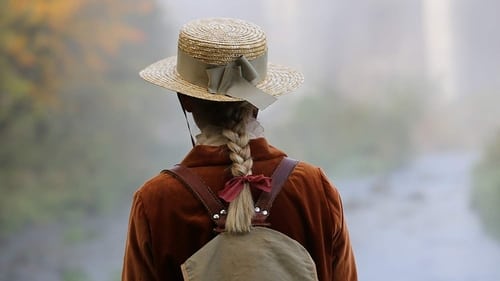
1939. A young Ukrainian-American man Yaro comes to the Carpathian Mountains, because his father left him a fortune under the condition that he would marry a Ukrainian girl. There Yaro meets a Hutsul girl Ksenya and has to rethink his plan.

A feature documentary presented and directed by former Royal Marines Commando Emile Ghessen. The documentary tells the story of the 2020 war between Armenia and Azerbaijan over the disputed region of Nagorno Karabakh. In the fall of 2020, Armenia and Azerbaijan fought a brutal bloody war. Azerbaijan won, decisively. The feature documentary 45 Days: The Fight for a Nation tells the story of this conflict, from the Armenian perspective, focusing on the human cost of war and its impact on the large Armenian diaspora.
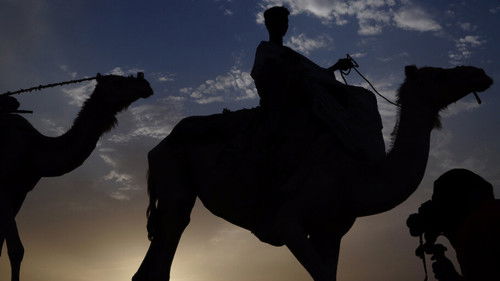
The political upheaval in North Africa is responsibility of the Western powers —especially of the United States and France— due to the exercise of a foreign policy based on practical and economic interests instead of ethical and theoretical principles, essential for their international politic strategies, which have generated a great instability that causes chaos and violence, as occurs in Western Sahara, the last African colony according to the UN, a region on the brink of war.
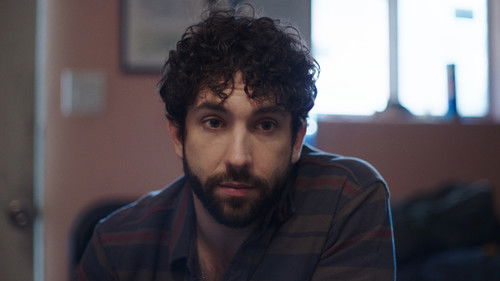
In the aftermath of a breakup, a struggling filmmaker becomes seduced by his therapist while his ex-girlfriend grapples with her identity and where to go next.
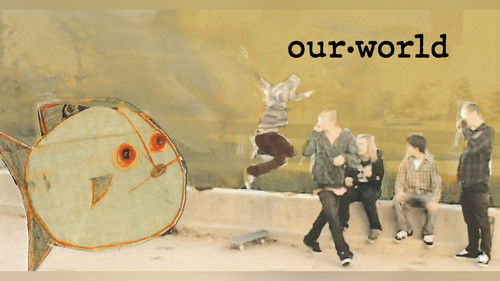
Escapist proudly presents Our World, featuring Sean Malto, Mikey Santillan, Shaun McKay, Joseph Lopez, Josh Crane, Josh White, Bryant Doerfler, Keelin Austin, Scotty Laird, Rod Harper, Ernie Torres, Dillon Aguilar, Garrett Olinger, Mike Webb, Ryan Pearce, Max Chilen and Jesse Doan. Edited by Ryan Lovell. Filmed by Tyler Krupski, Dylan Burke and Ryan Lovell in Kansas City, LA, Japan and Puerto Rico.
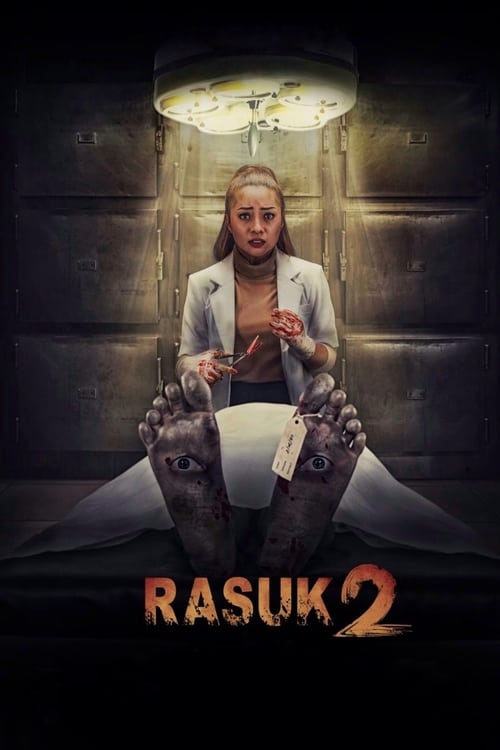
Isabella experienced something in the autopsy room when dissecting a female body that came without identity. It changed all the views of her life.

A writer who believes all relationships have expiration dates finally meets someone who could potentially reverse his negative logic.
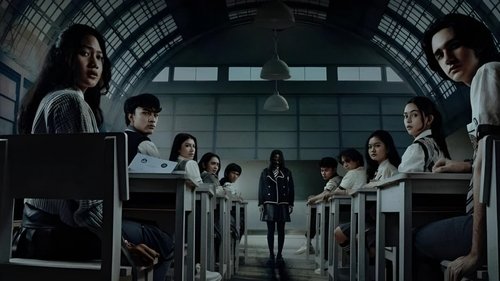
Dozens of students died gruesomely during the last school exams. It started with one of the students being possessed and harming the others. The devil's power threatens their lives.