
Action
Adventure
Animation
Comedy
Crime
Documentary
Drama
Family
Fantasy
History
Horror
Music
Mystery
Romance
Science Fiction
Thriller
War
Western
Found 40 movies, 1 TV show, and 0 people
Can't find what you're looking for?
No description available for this movie.
The film focuses on the experiences of African-American students at Yale in the early 1970s. The influential documentary short follows students Erroll McDonald and Eugene Rivers, and features a conversation with civil rights activist Stokely Carmichael.
A documentary made by Italian television with behind-the-scenes footage of the making of Federico Fellini's AND THE SHIP SAILS ON and extensive interview footage of Fellini.
Diary of a Michigan Migrant Filmmaker takes the viewer deep into the chaotic mind of filmmaker Donald G. Jackson as he explains his ideologies, philosophies, and the filmmaking techniques that he employed while creating thirty feature length films throughout the course of his career.

Accompanying Liselotte Schließer, who worked full time as a technical draughtswoman, in her private and professional daily life. She talks about the passion that became her second mission in life. The only woman in organised amateur filmmaking for many years and now head of the amateur filmmakers’ association of Radebeul, she still misses female directors and camera people.

This work was a frame-by-frame transfer between a film shot between January and May 2012 and a film shot by the artist's grandfather between April and November 1959. The 8mm film was telecinated frame by frame, with even the perforations visible. By switching between the two at high speed, the difference between the two film formats, Regular 8 and Super 8, becomes apparent.

Includes: Stolen Moments (1972), Lone Star (1975), Godzilla – Last of the Creatures (1976) and Rosa Canina (1970s).
The film presents behind-the-scenes footage of the film adaptation of Lavoura Arcaica (2001), which includes the creative process of the director and actors. Raquel Couto was Carvalho’s assistant director in the production.
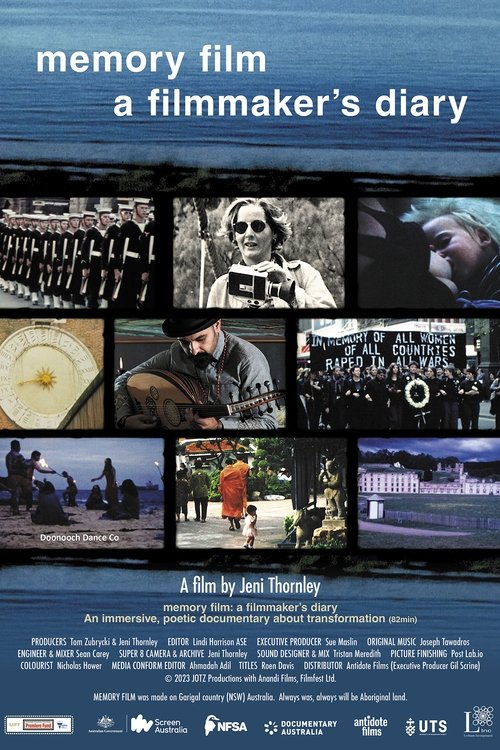
‘memory film: a filmmaker’s diary’ is an immersive poetic documentary based on Jeni Thornley’s Super8 archive (1974-2003) filmed during the decades of her political and personal filmmaking, while producing ‘Maidens’, ‘To the Other Shore’, ‘Island Home Country’ and the collaborative feature ‘For Love or Money’. Documenting the activism of three decades amidst the intense sexual politics of radical feminism and social change, ‘memory film’ tells the inner story of a journey of liberation – gender fluidity, utopian feminism, love and its tribulations, the pleasure and pain of motherhood, violence against women, the desire for a world free of war and colonizing, and ultimately mortality and impermanence.
A travel diary of sorts, shot in super-8 and mainly edited in camera.

'Diary Film' tells the story of a group of 8 people from different backgrounds who, for various different reasons, come together to follow the same dream: music.
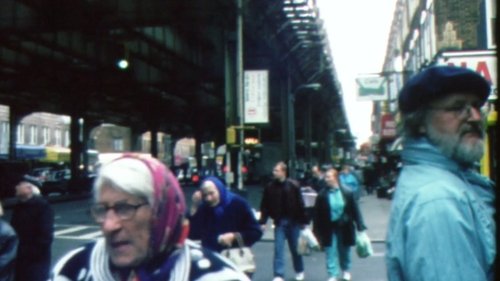
"During the 13 months, I spent in New York, I always had my camera with me. This film concentrates on direct visual impressions of my daily life in New York. It is a sketchbook more than a documentation of my life. New York Film Diary is a very personal, silent inventory of what I saw, of what attracted my attention there." (MG)

Brief, impressionistic portraits of many of Angerame’s friends and acquaintances who live in San Francisco. Set to Toney Merritt’s haunting sound design and superimposed with NASA images and footage of Angerame’s coming down the elevator at the Eiffel Tower, FILM DIARY #10 EYEFULL PORTRAITS is a descent into the depths of the subconsciousness, transforming into a complex, densely layered exploration of friendship, loneliness, city dwelling and the unknown. – Kornelia Boczkowska
Dedicated to my dear friend Suzanne Kelliher. Sound: “Feather” by Kevin Barnard "This is a portrait of a camping trip to the Cottonwood Mountains and Joshua Tree and the Sultan Sea. It was Palm Sunday. When I went to title the film it naturally came out as Psalm Sunday, more appropriate." — DA
These are the waterfalls in Yosemite National Forest. The mesmerizing movement of water. Film ends with two dolphins sun bathing.

A young surfer making a surfing film travels through French Heat, South African Blowout, California Cream and Hawaiian Perfection.

"I traveled to Albany, NY, and called Robert Fulton and stated that I wanted to come and visit him in Newtown, CT. 'You can’t get here from there, look out the window and tell me what the clouds look like,' he said. I described them the best I could and he said, 'Meet me at Butler Aviation at the Albany airport, I will fly there in my plane and pick you up.' This film is a short homage to Bob and his family during the weekend I stayed at the Fulton Estate in Newtown." — DA

"In 1984 the Democrat Party Convention was held in San Francisco. The contenders included Gary Hart and Jesse Jackson against the front runner Walter Mondale. I was able to receive a guest pass as someone who supported Gary Hart. Guests were roped off in an area adjacent to the delegates. Movement was restricted for guests, and I had to capture imagery from my own vantage point." — DA
" (...) documents the beginnings of San Francisco’s radical microcinema (...) a landmark venue for showcasing the work of independent and experimental cinema (...) a group of local 'emergency filmmakers,' including Angerame, the revolutionary spirit and passion of those who organized and came to the shows. Bruce Conner, Toney Merritt, and others. " — Kornelia Boczkowska, author of Lost Highways, Embodied Travels: The Road Movie in American Experimental Film and Video

Dedicated to Stan Brakhage "Before being introduced to 16mm filmmaking I was filming with a cheap Regular 8mm camera my sister had given me. I lived around the corner from Forest Lawn Cemetery on Main Street. This place I would often visit to either drop LSD or just for some serenity." — DA
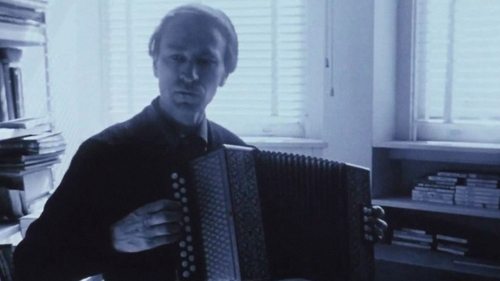
Also known as Walden, Jonas Mekas’s first diary film is a six-reel chronicle of his life in 1960s New York, interweaving moments with family, friends, lovers, and artistic idols. Blending everyday encounters with portraits of the avant-garde art scene, it forms an epic, personal meditation on community, creativity, and the passage of time.
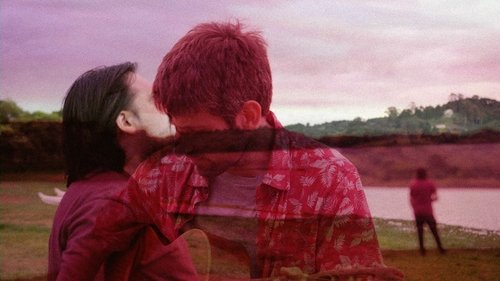
For years, together with his partners from the production company O Quadro, he has been betting on cinema as a tool to explore the typical issues of youth. In this film, Evandro Scorsin turns the cameras on himself as he deals with the dilemmas of the passing of time and the imposition of adulthood. In an exercise in autofiction where cinema and life merge, the film is also a cinematic love letter to the beloved masters (especially Nicholas Ray). Coming and going between two countries and times, it records the vertigo of displacement and the reinventions inherent to an immigrant experience.
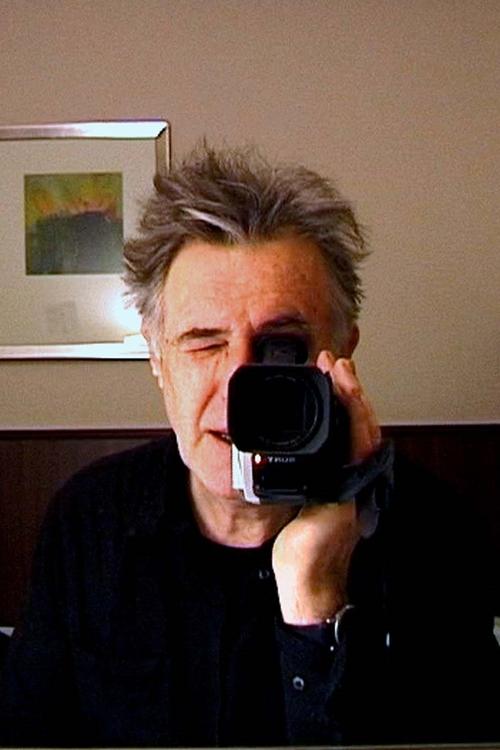
Made over six years in the hotels of six different countries, Hotel Diaries charts the 'War on Terror' era of Bush and Blair through a seven-part series of video recordings that relate personal experiences to the ongoing conflicts in Afghanistan, Iraq and Israel/Palestine. In these works, which play upon chance and coincidence, hotel rooms are employed as 'found' film sets, where architecture, furnishing and decoration become the means by which the filmmaker’s small adventures are linked to major world events.
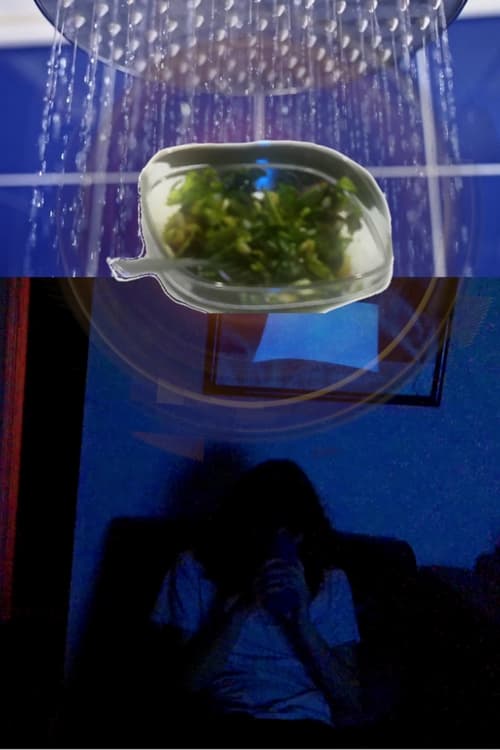
A person narrates themself making a salad
A short documentary by Jim McBride.
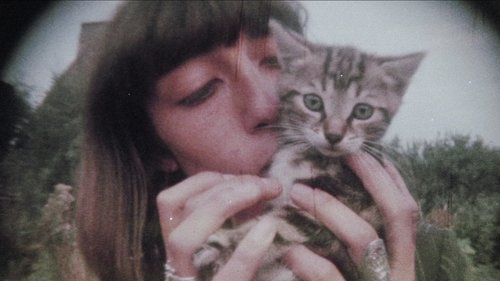
Over the course of more than fifteen years, Clémenti films a series of intimate diaries, starting from daily encounters. In La deuxième femme, we see Bulle Ogier and Viva, Nico and Tina Aumont, Philippe Garrel and Udo Kier, a performance by Béjart, a piece by Marc’O, concerts by Bob Marley and Patti Smith (not always recognisable)... It’s like a maelstrom of psychedelic images that are passed through a particle accelerator.
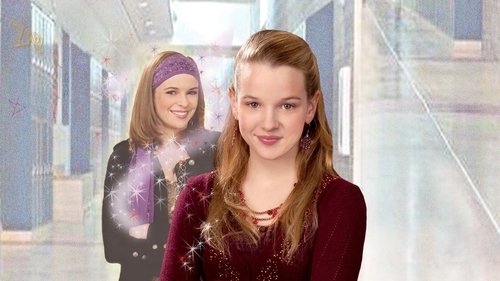
A young girl turns into an A-List celebrity over night when her private journal is accidently published and becomes a best-seller.
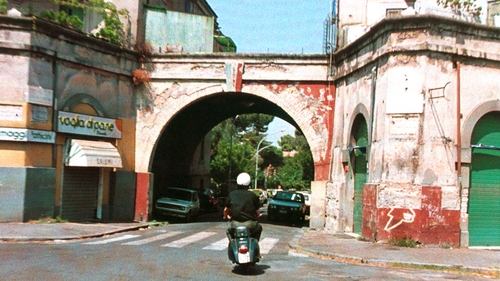
Nanni Moretti recalls in his diary three slice of life stories characterized by a sharply ironic look: in the first one he wanders through a deserted Rome, in the second he visits a reclusive friend on an island, and in the last he has to grapple with an unknown illness.

Farewell letter to an old love.
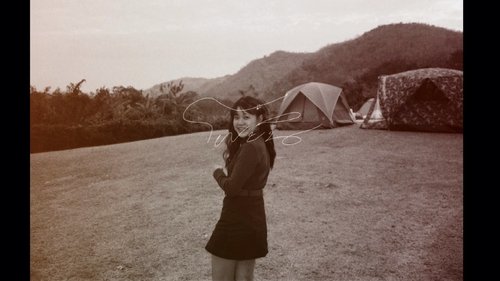
The untold state of mind dealing with an incurable disease. One is wondering if there's still a dream to achieve in life. One is running as if this free spirit of mine has never been taken away.
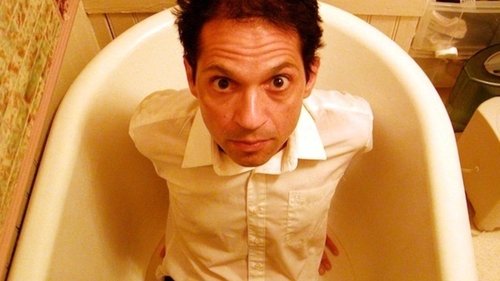
On January 1st, 1999, Caveh Zahedi started a one-year video diary. The idea was to shoot one minute each day. This is the result.
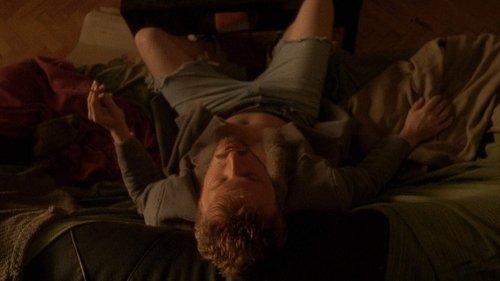
Soare is a musician with too little inspiration and too many neurons baked from smoking weed. One day, he decides that his life has become too chaotic, so he begins writing a guide for surviving the moments when his reality stops making sense. Passing various surreal episodes, Soare hopes to regain his inspiration.
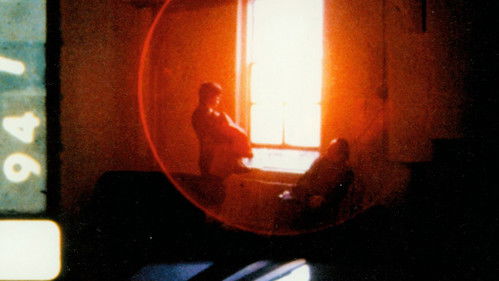
A compilation of over 30 years of private home movie footage shot by Lithuanian-American avant-garde director Jonas Mekas, assembled by Mekas "purely by chance", without concern for chronological order.

A passionate foodie loses his beloved hawker stalls to corporate pressure, he reluctantly turns to processed food he calls 'trash' in a moment of deep sorrow and disappointment as he grieves the loss of his favourite food stalls.
It has been a year since Juliette’s sister has passed and she hasn’t been doing so well since that day, but she must learn how to be kind to herself.
An old man comes across a fascinating archive, then meets a woman who introduces him to the life of a banker, patron and philanthropist. A moving essay that is part documentary, part film diary.
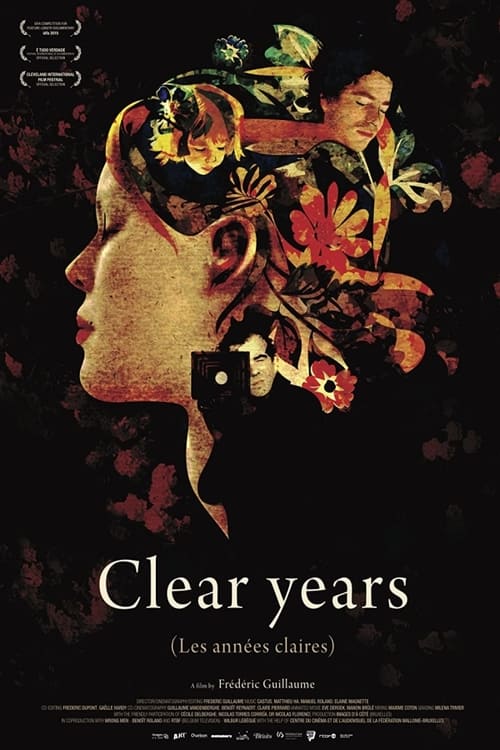
I wasn’t told. I wasn’t told it would be so difficult to live together. To keep a family together. To maintain love and happiness. I wasn’t told, and if someone had told me I wouldn’t have listened. I chose to live with my camera in my hand, filming the trajectory of feelings, from the golden age to the lost paradise, from being born to being reborn.
One of the very few films made by Etienne O'Leary, all of which emerged from the French underground circa 1968 and can be very loosely designated 'diary films.' Like the contemporaneous films by O'Leary's more famous friend Pierre Clementi, they trippily document the drug-drenched hedonism of that era's dandies. O'Leary worked with an intoxicating style that foregrounded rapid and even subliminal cutting, dense layering of superimposed images and a spontaneous notebook type shooting style. Yet even if much of O'Leary's material was initially 'diaristic,' depicting the friends, lovers, and places that he encountered in his private life, the metamorphoses it underwent during editing transformed it into a series of ambiguously fictionalized, sometimes darkly sexual fantasias. - Experimental Film Club
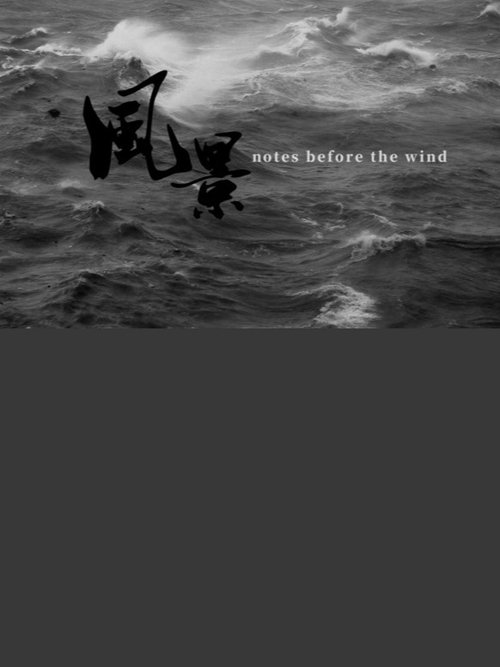
A loose collection of scenes in Hong Kong shot over a five-year period, this film begins with the Umbrella Movement in 2014 and ends right before the summer of 2019, when large-scale social unrest and violent resistance erupted. The everyday scenes capture the ambience and the landscape of change in the city, standing as a quiet prelude to the ensuing conflicts.
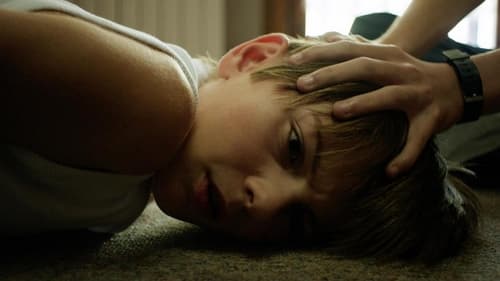
Two teen boys living in an isolated house in the mountains contemplate their existence while maintaining a video diary of their daily lives.