
Action
Adventure
Animation
Comedy
Crime
Documentary
Drama
Family
Fantasy
History
Horror
Music
Mystery
Romance
Science Fiction
Thriller
War
Western
Found 42 movies, 7 TV shows, and 1 person
Can't find what you're looking for?

A Hong Kong martial arts movie redubbed by situationist René Viénet. The narrative focuses on a conflict between proletarians and bureaucrats within state capitalism. The proletarians enlist their grasp of dialectics in the fight against their oppressors, while the bureaucrats defend themselves using a combination of co-optation and violence.

The series follow the story of a high school boy who lives in Tokyo, and his childhood friend, Hakatano Donko-chan, who is from Hakata and really talks in Hakata dialect! People around her sometimes get confused because of it, but her dialect makes them smile!
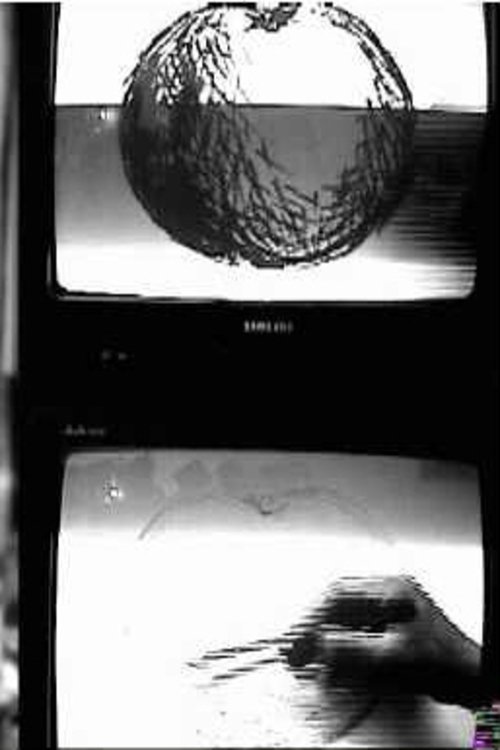
An intellectually, aesthetically and politically challenging short film.

The language of God can't be learned if you can't already speak it. Nor can it be recorded or reproduced. Despite this warning, Mithras, a sound engineer, heads out to a sacred reserve to spend a week trying to do just that. Armed with technical equipment, he disturbs a world of endless silence, a world permeated with mysticism and ritual. The seven days spent together with the community at the reserve, however, change not only Mithras but also those who speak the divine language
A cleaning lady gets interested in a university Ethics class
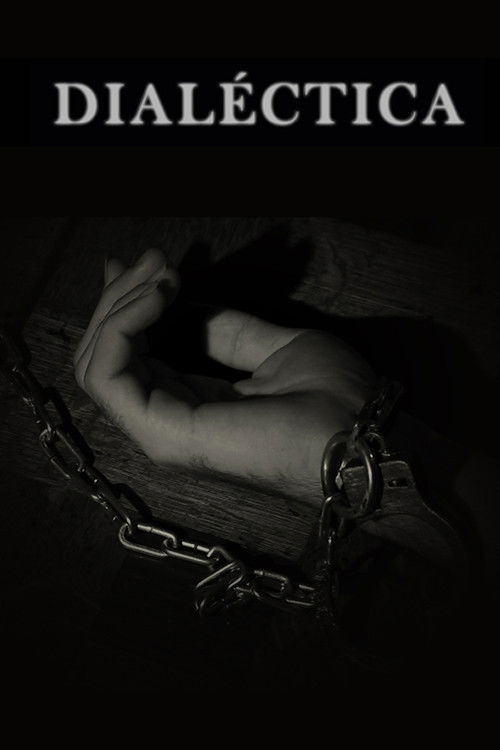
A man has to endure a series of physical abuses by a mysterious being until the dominant realizes something that will change how he thinks of himself and others.
A critique of the 'Critique of the Critical Critique'. A piece of structuralist cinema inspired by the tirades of Rodrigo Botello.
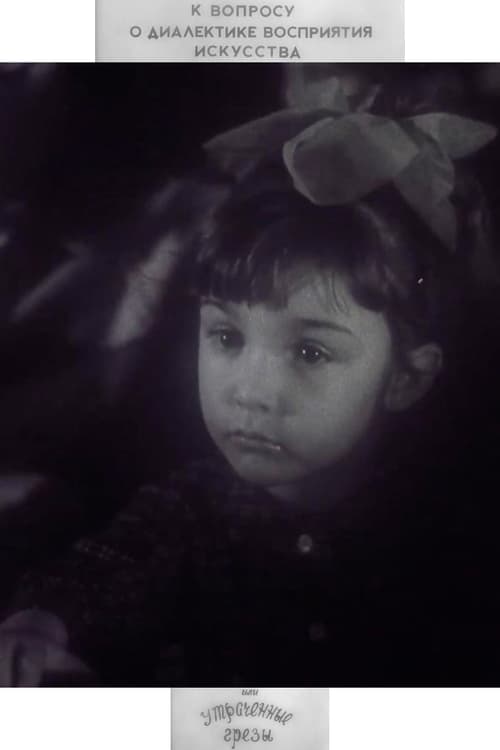
After a performance, a girl gets behind the scenes and sees without masks all those whom she so feared, loved and hated.

To this day, Ishmael Bernal's movie Himala is still in our town, in our world. This will be reflected in the broader perspective of the majority, of the surrounding events. Beliefs still lie in the truth. Consciousness is still dominant at the level of illusion. The naive, savage, cruel, and selfish politics still prevail.
Thirteen people from the Ardèche plateau recount the difficulties of their past lives in dialect and with humour, and regret that the beauty and richness of their language are disappearing.
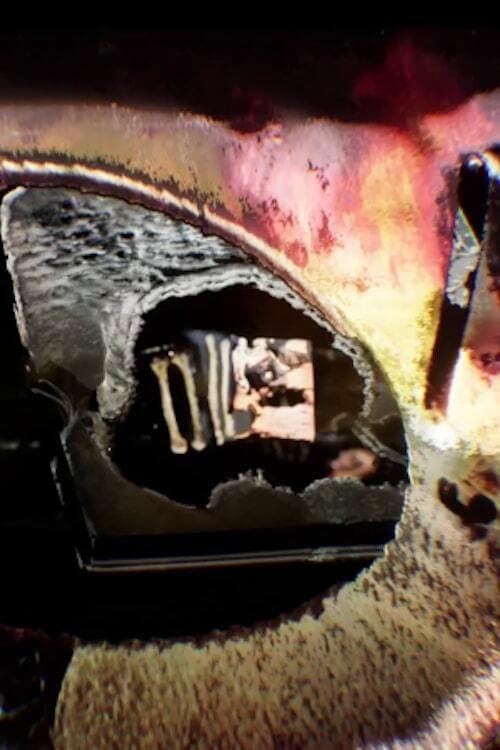
The film, which was made for an exhibition in San Sebastian, is a loose adaptation of Bertolt Brecht’s Stories of Mr. Keuner. The individual stories are presented as a series of experimental jokes, which are at the same time an allegory of society. Lying on the border between analogue and digital processes, simplicity and complexity, light and shadow, and humor and an unpleasant shudder, the film is a report about communication problems, the unjust distribution of power, and violence.
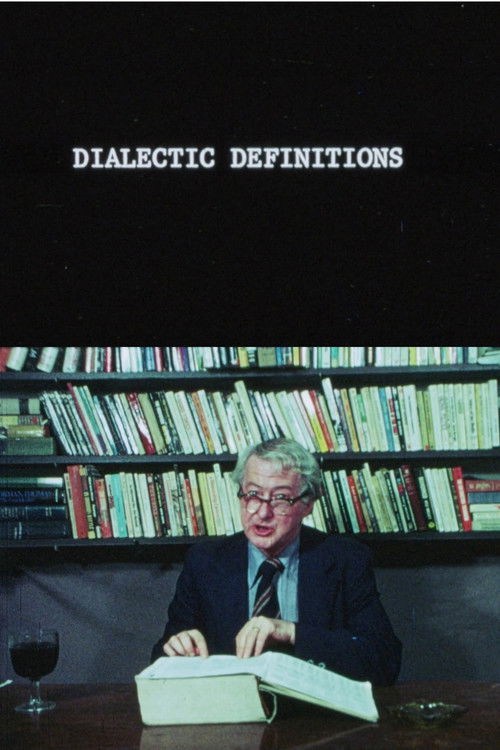
Dana seemingly records a fellow professor reading each word in an encyclopedia.
The story of Lumbee Indian language and identity.

A philosophical farce about critical theory, the performative nature of language, and other romantic misunderstandings.
Surveys the life and work of Justin Credible, a performance artist who mobilizes trans* issues by means of personal experience and reflection, and embraces the historical use of the personal to make larger political claims that do not attempt to neatly categorize the polymorphous relationship between gender and bodies.
Dialect So-So documents the success of the Thai-Chinese-Buddhist minority in finding dialogue and peace with their Malay Muslim neighbors despite continuing insurgency and conflict in their area due to cultural and religious differences in the Thai deep south.
No description available for this movie.

In a space between past and present, nostalgia and jargon, sign and image, Dialetica is a single-channel experimental video that explores the conditions of codified contradiction.

Ulivia explores what is accessible via the Internet in relation to Inuktitut. A complex language with several dialects which varies from one generation to the next. Inuktitut is threatened by dominant languages. Are there solutions so that these technologies are allies and not enemies?
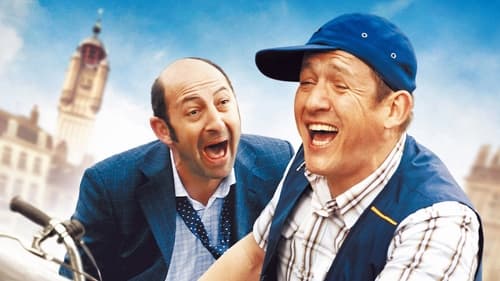
Although living a comfortable life in Salon-de-Provence, a charming town in the South of France, Julie has been feeling depressed for a while. To please her, Philippe Abrams, a post office administrator, her husband, tries to obtain a transfer to a seaside town, on the French Riviera, at any cost. The trouble is that he is caught red-handed while trying to scam an inspector. Philippe is immediately banished to the distant unheard of town of Bergues, in the Far North of France...
Louka, whose parents were killed in the Turkish invasion of Cyprus, persuades a beautiful smuggler to take him over the border to visit his village, where a magical experience awaits them.
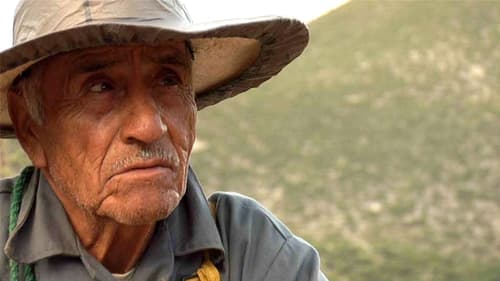
The celebration of a city is held every year and nostalgia is the main guest. Around the city there is nothing but ruins and in the distance, four men walk the streets of a city that was once great.
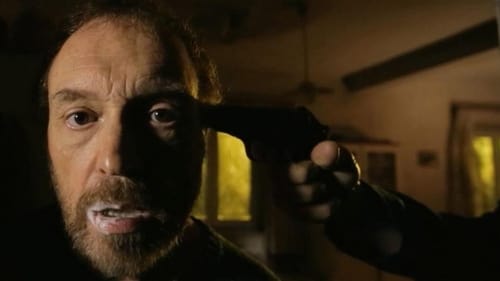
Brenner returns to Graz, the city where he grew up. When confronted with his old friends, his former girlfriend and the major sin he committed when he was young, murders and a fateful gunshot to the head result. After Brenner comes out of a coma, he begins to search for the person who tried to kill him - however, everybody claims that he himself is responsible. In the beginning Brenner was at the end of his rope, but he could face a new beginning in the end.

Whether in rock, pop, rap or slam: the people of Bern have dominated the dialect music scene in German-speaking Switzerland for many years. Why does Bern rock Switzerland?

Twenty-four images of a camera running in the woods, a moonlight and a cemetery through improvised gestures, mechanical abstraction and saturated colors
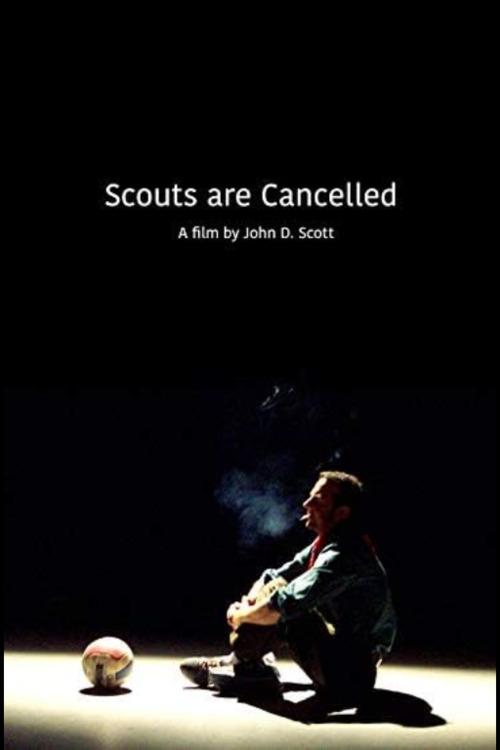
Director John Scott crafts this look at the curious life of his longtime friend John Stiles — an aspiring writer and former telephone marketer whose midlife meltdown worked wonders for his career. Stiles was down on his luck working as a telemarketer in Toronto when, one day, he threw out his pre-written script and began speaking to customers in curious character voices inspired by his upbringing in Nova Scotia. That month, Stiles made the most sales of any employee and earned a free DVD player for his efforts. In the following years, Stiles threw caution to the wind, venturing out to local open mic nights — where he developed a substantial cult following — and later publishing a pair of books with Insomniac press.
"This project consists a visual fluidity of construction, harmony and thoughts taking colors and length from this body of autonomy. Different images between figuration and abstraction are created by meaning and phenomenon letting the decoupage revealing a piece of a strange underworld. I built it like a window opened to the fresh air of improvisation by familiar landscapes, those exact moments articulating a connection between light and movement."

Fifteen images of a camera running in a park and in obscurity searching the space of light through distorsion and the sensory of rapid motion.
Twenty images of a camera running next to a chemical platform and capturing abstract light throught improvised gestures and asymmetrical motion

A feature length Marxist documentary looking at 20th Century fascism, early English settler colonialism in the Americas and the prospects of a contemporary neofascism. The film focuses on the political economy of these forms, drawing on Rajani Palme Dutt's view that fascism represented an organisation of capitalist decay, to illustrate the various different laws of motion which condition the development of reactionary political movements.
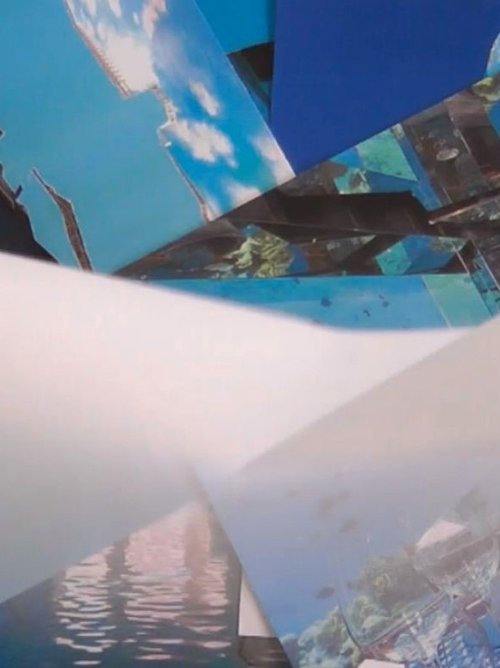
Borrowing from an anthropological study initiated through the University of California in 1969, The Taste of The Name is a fantasia on universality. As a parallel to the elusive “umami” and its gradual scientific acceptance as a primary taste, we consider what is perceivable, knowable, and namable. Through the blue spectrum of various hermetic artifices, we are fed fables of Jules Verne's Nautilus and resurface in a virtual tanning bed, turning over in a slippery navigation of language.
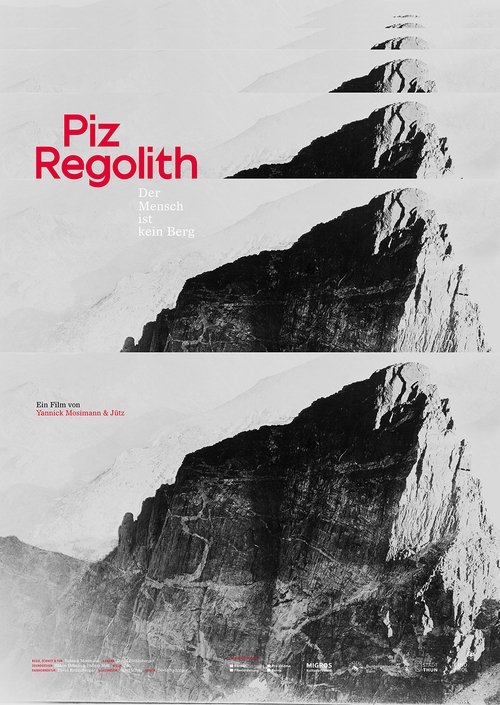
A postmodern Swiss-Tyrolean ensemble ventures into remote mountainous regions, embracing the sonorous variety of local vernaculars. A poetic road movie with stunning shots and an emphatic approach to a new alpine aesthetics.
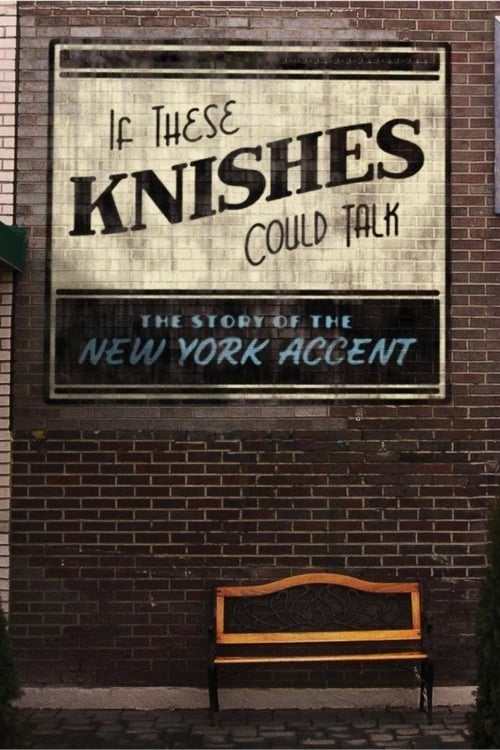
The story of the New York accent, as told by New Yorkers.

The œuvre of poet Raffaello Baldini (1924-2005) through the words of those who knew him, the poems he himself read, the fragments of his monologues, his beloved Romagna landscapes.

Thirty-three shots based on the landscapes of the Isère region near Vienne. A work of observation on light, the dilation of Time, wind, calm and storm.
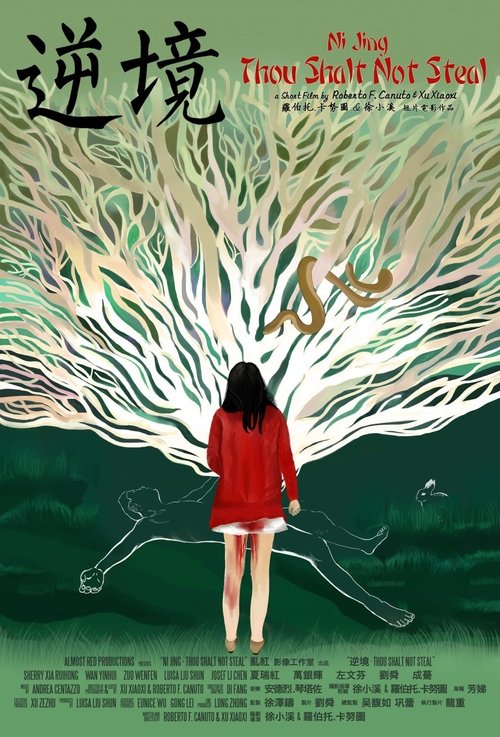
Xiaofan, a young girl who works at a Karaoke Club, awakes one morning in a remote forest with her body covered in blood. As she struggles to find her way out, she tries to understand the drama circumstances which got her into the situation, events mainly related to her unpredictable boyfriend. She needs to make a decision that may change her life.

Rich in humor and regional color, this sometimes hilarious film uses the prism of language to reveal our attitudes about the way other people speak. From Boston Brahmins to Black Louisiana teenagers, from Texas cowboys to New York professionals, American Tongues elicits funny, perceptive, sometimes shocking, and always telling comments on American English in all its diversity. (PBS)
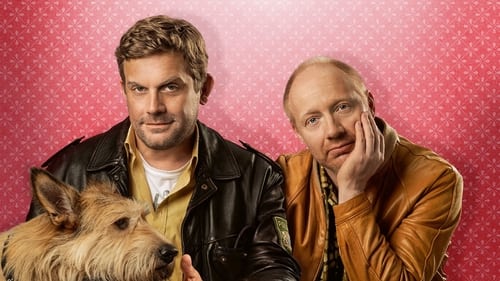
A dicey murder investigation. A fuming best friend. A chaotic living situation. Village police officer Franz Eberhofer has a lot on his plate right now.
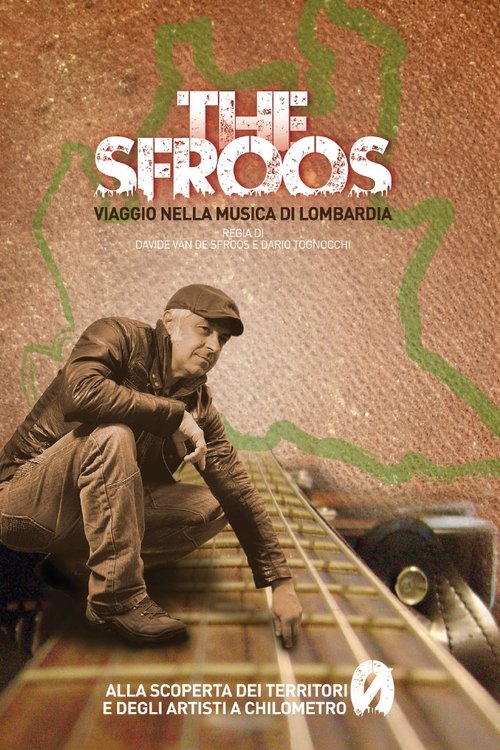
No description available for this movie.
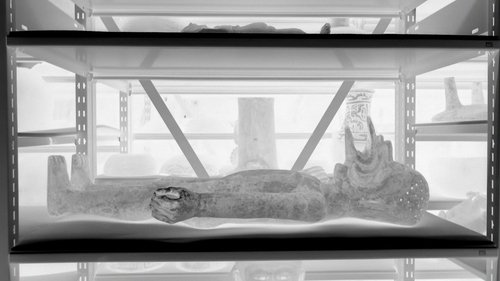
While the numbers of missing persons in Mexico continue to rise, Tótem explores the particularities of this type of violence, and imagines new forms of resistance in the movements that have arisen against it. The story of two archaeologists searching in vain for an ancient Olmec head in a murky river appears recurrently, questioning the very act of documenting the absent and the invisible.

"Cabo Tuna or The Management of the Sky" is a materialistic re-reading of the history of artificial satellites and digital surveillance which, using footage found exclusively on YouTube, intertwines the origins of the Nazi and Soviet arms industries with the digital surveillance systems used in the Mexican context of the war on drugs. This narrative arc allows for an exploration of the Mexican government's failed attempts to create its own aeronautical rockets, the growing dependence on technology from foreign powers and companies, the privatization of space, and finally, the contemporary strengthening of the state's military control.

Just a few decades ago, Acapulco was one of the most famous tourist destinations in the world. Today it is one of the cities with the most murders per capita. Bringing together stories about five emblematic Acapulco objects and characters, Biombo de Acapulco is an experimental documentary that records the contrasting complexity of this once-global port. Combining a non-linear and polyphonic narrative with a discordant montage composed of diverse audiovisual materials about the place, the film is inspired by the oriental screens that arrived in America through the port of Acapulco in the 16th century.