
Action
Adventure
Animation
Comedy
Crime
Documentary
Drama
Family
Fantasy
History
Horror
Music
Mystery
Romance
Science Fiction
Thriller
War
Western
Found 28 movies, 5 TV shows, and 0 people
Can't find what you're looking for?
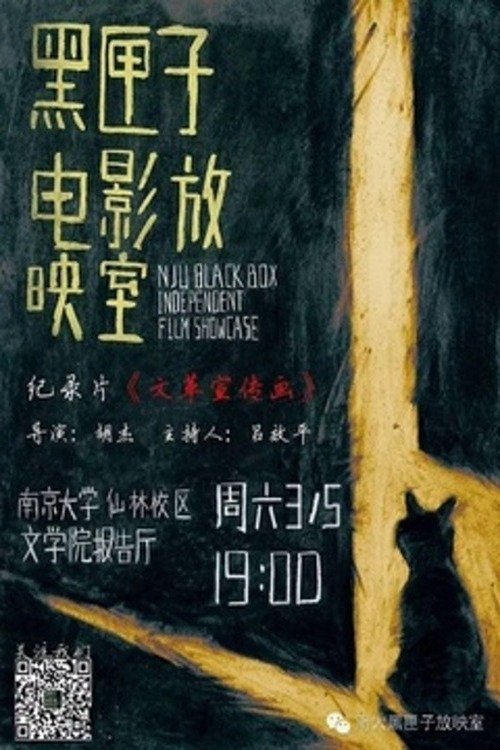
This film demonstrates the characteristics of Cultural Revolution art through a large number of paintings during the Cultural Revolution, and presents the unique experience of the individuals behind the posters.
House music is a genre that connects, uplifts, and unites people. It resonates globally and is prevalent on the world’s biggest music stages. Born in Chicago, this sound developed during the turbulent 1970s when a group of predominantly gay Black artists, who faced constant harassment, pioneered a new type of dance music at underground venues. House music became the anthem of safe spaces, free from the racism and homophobia of the outside world, ultimately igniting a cultural and musical revolution.
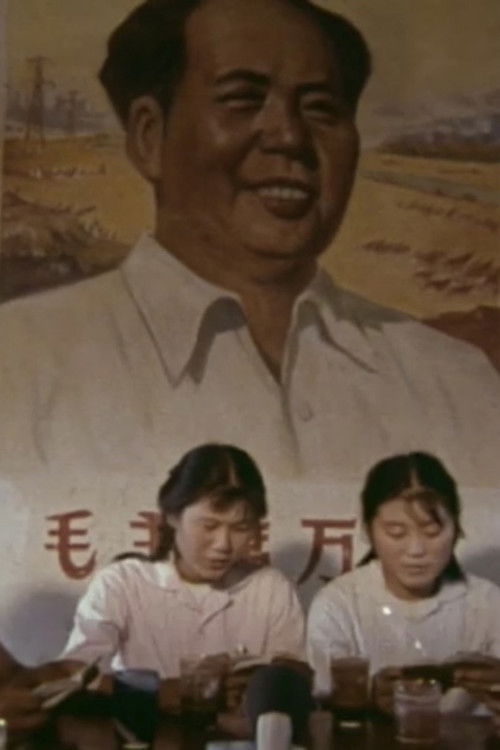
Red Guards were a student movement supported by Mao Zedong in 1966-67 during the Cultural Revolution. A group of students at Qinghua University who issued 2 big-character posters in May-June 1966 called themselves Red Guards. The students criticised the university administration of elitism and bourgeois tendencies. In August 1966 Mao Zedong expressed support for the Red Guards. This gave the student movement political legitimacy and it spread outside Beijing. The Red Guards started to attack the Four Olds and marched across China to eradicate old ideas, old cultures, old customs and old habits. Ultimately the struggle between different Red Guard factions led to a chaotic civil-war-like situation. During 1967-68 the Peoples Liberation Army got the movement under control and restored social order. Beginning late 1968 members of the Red Guard movement were sent to the countryside to undergo re-education. We met and filmed them in August 1971.

In 1972, Xu Xing wrote the first love letter of his life and sent it to a girl in school, whose parents had been sent to the countryside. Not knowing, what to do with it, she showed the anonymous letter to her teacher. Xu Xing was identified as author through his handwriting, and was detained…In this autobiographical piece, Xu Xing tells the story of his own experiences of the Cultural Revolution by tracing his personal encounters of the past in contemporary China.
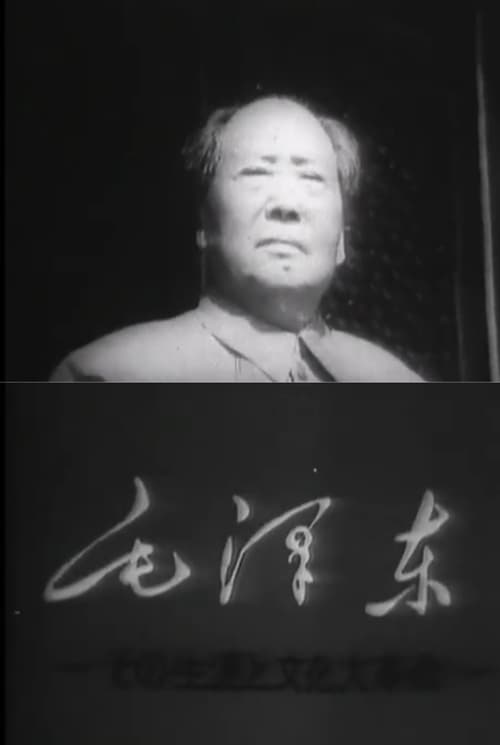
Nagisa Oshima's documentary details the rise of Chairman Mao during the revolution and shows the Communist Party's struggle and cultural upheaval. Made in 1969 for NTV station, this TV documentary also questions Mao's dictator tendency during the cultural revolution.
An exploration at the LGBT rights movement in California before Stonewall. The main purpose of this documentary is to highlight the important role that California has played in both the LGBT rights movement and the recorded creation of the LGBT History.
This series presents the definitive history of the Cultural Revolution, its background, and aftermath, blending an incredible array of documentary footage with discussion by Chinese contemporaries, diplomats, and scholars, including Roxanne Witke, the only Westerner to interview Mao’s wife, Jiang Qing.
Propaganda newsreel made for the tenth anniversary of the Cultural Revolution.
In an epic tale of theater, gender, love and class, two Beijing opera actors navigate political turmoil as their friendship evolves over decades.
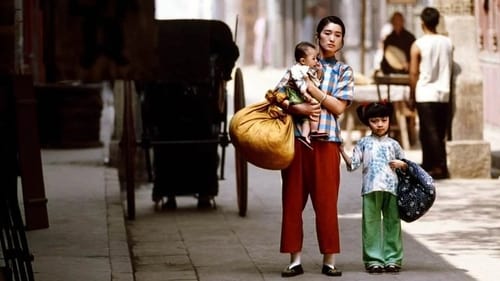
Married couple Fugui and Jiazhen endure tumultuous events in mid-20th century mainland China as their personal fortunes move from wealthy landownership to peasantry.

Beijing, 1970s. The Cultural Revolution has driven most adults to the provinces leaving 14-year-old Monkey and his pals with free rein over the city. They hang around, get up to no good, and discover that unsolvable mystery known as "girls."
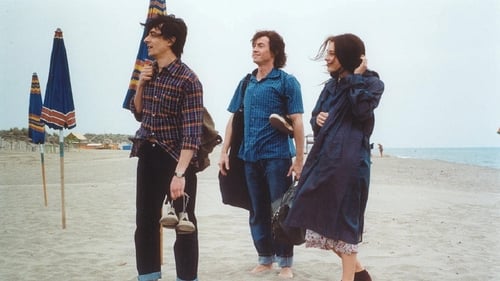
After a fateful encounter in the summer of 1966, the lifepaths of two brothers from a middle-class Roman family diverge, intersecting with some of the most significant events of postwar Italian history in the following decades.

Ming Wang is an impoverished Chinese prodigy who flees Communist China to become a pioneering eye surgeon in America. When tasked with restoring the sight of an orphan in India, who was blinded by her stepmother, Wang must confront the trauma of living through the violent uprising in his youth, the Cultural Revolution.
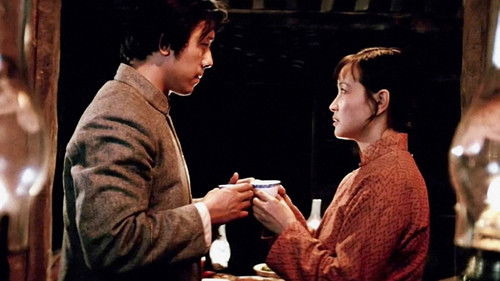
Based on a novel by the same name written by Gu Hua, a melodrama about the life and travails of a young woman who lives through the turmoil of the Cultural Revolution.
After the 1999 premiere of the first Matrix movie, it became a pop culture phenomenon. A special documentary about the Matrix saga and its prophetic aspects.
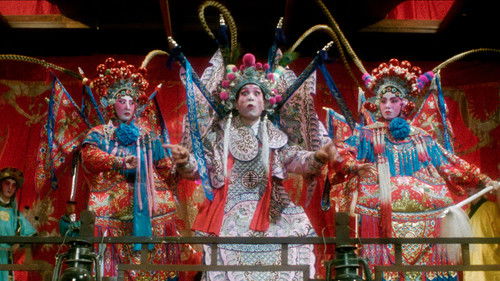
In 1913 Beijing, three fierce women—disguised rebel Tsao Wan, jewel-seeking Sheung Hung, and opera heiress Pai Niu—embark on a daring quest filled with intrigue and betrayal, challenging societal norms amidst political turmoil and the vibrant world of Peking Opera.
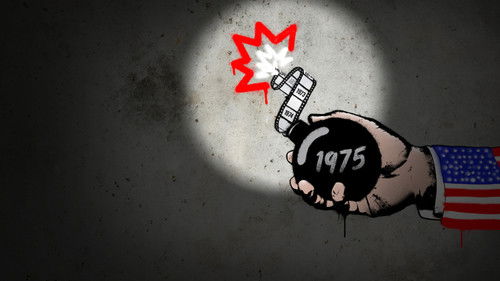
In 1975, as America faced social and political upheaval, filmmakers turned chaos into art.
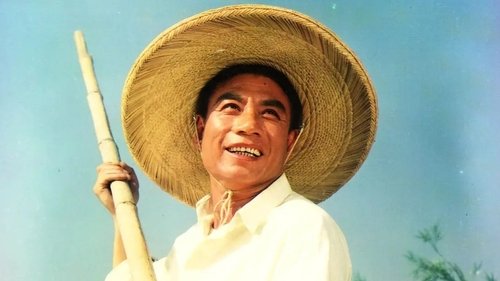
The film tells the story of the Communist Labour College that opened in the 1960s. Long Guozheng, an emissary from the Communist government and Li Jinfeng, a female peasant student, must fight against the school's more conservative elements. In the film's climax, Li is put on trial and is about to be expelled from the school when she is saved by a pronouncement from Chairman Mao himself.
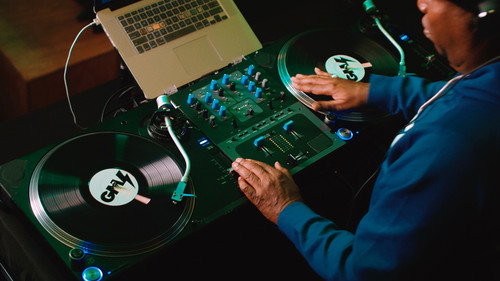
Born underground, on the heels of the Civil Rights Movement and the Stonewall Riots, disco’s nascent popularity saw the spectacular takeover of the dancefloor, the airwaves and burgeoning fashion trends that reflected the joy and freedom inherent to the genre. Co-opted and exploited through references like John Travolta’s strut and shiny Swedish tracksuits, disco eventually reaches the mainstream, losing its original flair and purpose rooted in radical politics and social change.
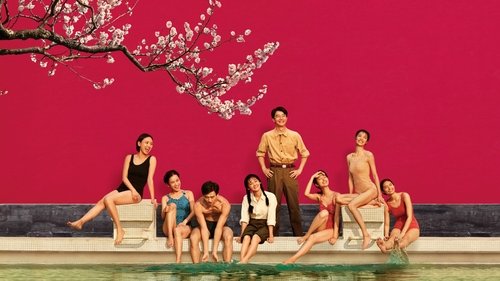
A group of performing art troupe members each face their own trials and tribulations in Chengdu; from escaping a family scandal to dealing with unrequited love, each experiences rejection that shapes their lives.
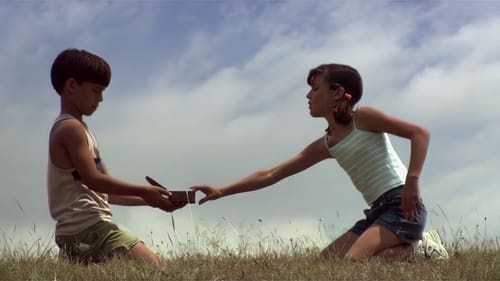
The friendship between two children is threatened by their parents’ differences. Malú is from a family that was upper-class before the Revolution and remains well-to-do through remittances from relatives overseas, and her single mother (Larisa Vega Alamar) does not want her to play with Jorgito, as she thinks his background coarse and commonplace. Jorgito’s mother (Luisa María Jiménez Rodríguez),
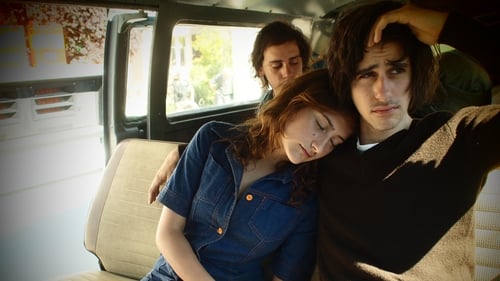
During the 1970s a student named Gilles gets entangled in contemporary political turmoils although he would rather just be a creative artist. While torn between his solidarity to his friends and his personal ambitions he falls in love with Christine.
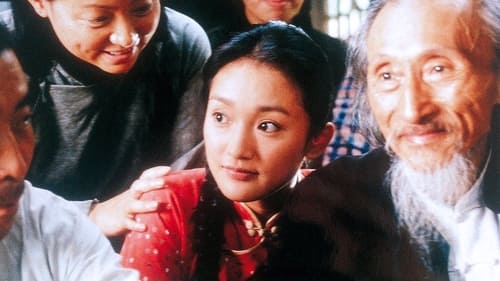
During the Cultural Revolution, two young men are sent to a remote mining village where they fall in love with the local tailor's beautiful granddaughter and discover a suitcase full of forbidden Western novels.
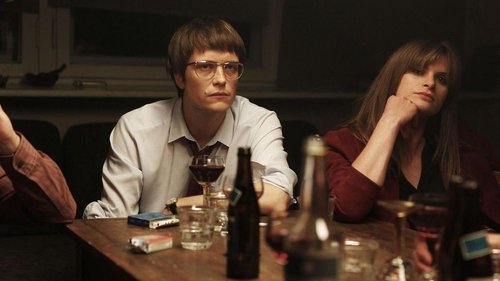
In the early 60s, Bernward Vesper and fellow university student Gudrun Ensslin begin a passionate love in the stifling atmosphere of provincial West Germany. Dedicated to the power of the written word, Bernward and Gudrun found a publishing house whose first publication is, paradoxically to many, a controversial past work of Bernward's ostracized father, an infamous Nazi author. Bernward defends his father's writing ability, even if he is haunted by his father's suspicious past.

Pre-Cultural Revolution propaganda at its most lavish, this model opera depicts the history and evolution of the Communist Party of China under Mao Zedong from its founding in July 1921 to the establishment of "New China" in 1949. Detailed in the musical are several key events in CPC history such as the Northern Expedition, the KMT-led Shanghai massacre of 1927, the Nanchang Uprising and formation of the People's Liberation Army, the Long March and the founding of the PRC on October 1, 1949.
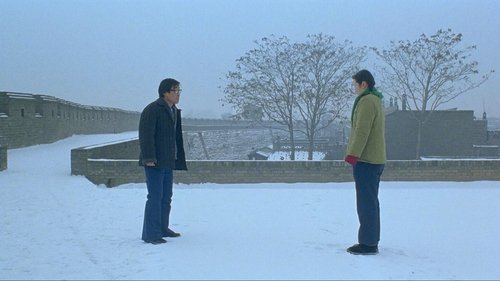
China’s rapid changes from the late 1970s to the early 1990s, as seen through the lives of four performers in a theater troupe.
No description available for this movie.
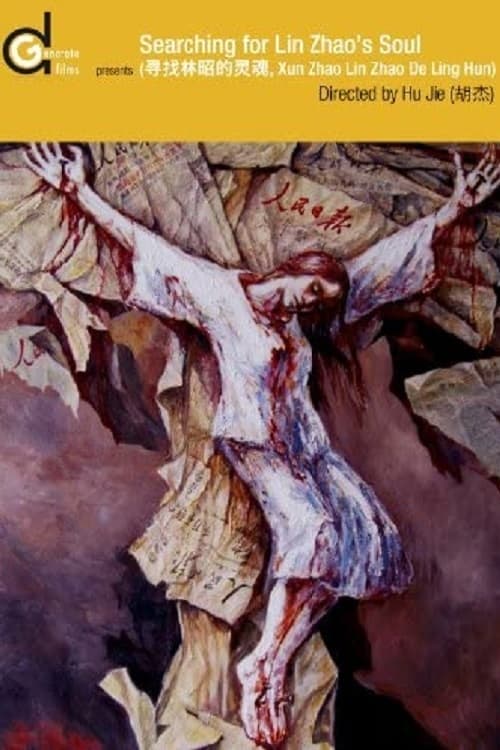
This landmark documentary reveals the tragic life of a gifted young woman who was executed for speaking out during the height of Chairman Mao’s rule.