
Action
Adventure
Animation
Comedy
Crime
Documentary
Drama
Family
Fantasy
History
Horror
Music
Mystery
Romance
Science Fiction
Thriller
War
Western
Found 29 movies, 8 TV shows, and 1 person
Can't find what you're looking for?

A cinematic tribute to the spirit of Emirati heritage through the story of a village born from one man's passion.

An urban skateboarder lands on a manhole—a cultural artifact protected by a shadowy association—and takes an unexpected and possibly lethal penalty.
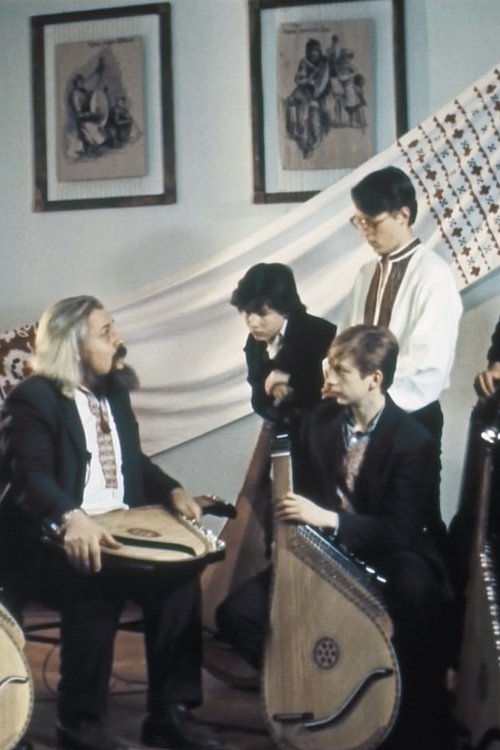
A short documentary.

Events in Zaporizhia in 1991. Festival on Khortytsia Island.

Aslani takes us on a mesmerizing journey through Iran’s archaeological sites of Chogha Zanbil, Kerman, Damghan, Yazd, and Kerman, narrating the tale of the Sufi mystic Daghoughi through a 13th-century poem by Rumi. The Pahlavi Ministry of Culture, expecting a far more conventional documentary, kept the film from being shown. It was only in 2024, when Aslani set out to digitize the film, that he discovered two reels had been lost. MoMA presents the world-premiere of Aslani’s re-edited version, which seeks to recapture the meditative flow of his original work despite its missing sequences.
The Flight of the Condor traces the global circulation of the melody “El Condor Pasa”: from the Andes mountains to global metropoles; from Lima to Paris to New York, and back; from panpipes to piano and from symphony orchestras to the disco; from indigenous to popular music; and from world music back to national heritage.
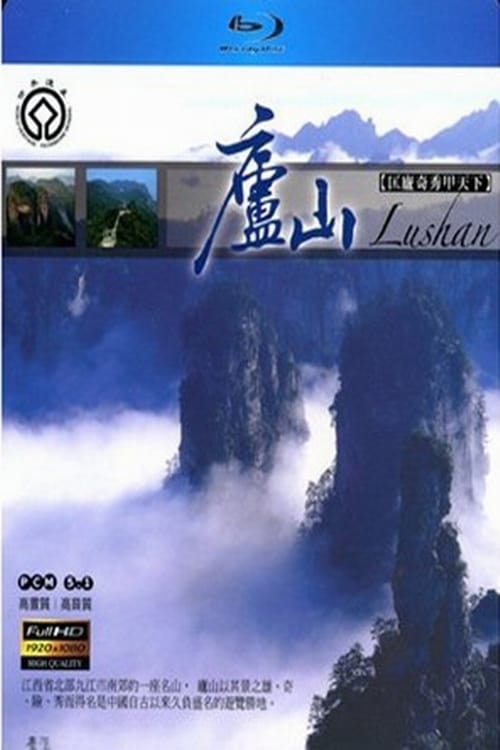
Mount Lu or Lushan, also known as Kuanglu (匡庐) in ancient times, is situated in the northern part of Jiangxi province in southeastern China, and is one of the most renowned mountains in the country. The oval-shaped mountains are about 25 km long and 10 km wide, and neighbors Jiujiang city and the Yangtze River to the north, Nanchang city to the south, and Poyang Lake to the east. Its highest point is Dahanyang Peak (大汉阳峰), reaching 1,474 m above sea level, and is one of the hundreds of steep peaks that towers above a sea of clouds that encompass the mountains for almost 200 days out of the year. Mount Lu is known for its grandeur, steepness, and beauty, and is part of Lushan National Park, a UNESCO World Heritage Site since 1996, and a prominent tourist attraction, especially during the summer months when the weather is cooler.

Germany holds the largest collection of Cameroonian cultural objects in the world in its Ethnological museums. One important piece is 'Mandu Yenu' the Royal Throne of Bamum, a striking work adorned with glass beads and cowrie shells, also known as the Pearl Throne. What should be done with this masterwork and other pieces overshadowed by their colonial heritage?

When a charming NRI girl falls in love with a wealthy businessman, she unwittingly sparks conflict within his large joint family. How will her lover find a way to marry her, while still ensuring that his large family remains happy and harmonious?

In 150 years, twice marked by total destruction —a terrible earthquake in 1923 and incendiary bombings in 1945— followed by a spectacular rebirth, Tokyo, the old city of Edo, has become the largest and most futuristic capital in the world in a transformation process fueled by the exceptional resilience of its inhabitants, and nourished by a unique phenomenon of cultural hybridization.

At a critical moment in the history of the written word, as humanity’s archives migrate to the cloud, one filmmaker goes on a journey around the globe to better understand how she can preserve her own Romanian and Armenian heritage, as well as our collective memory. Blending the intellectual with the poetic, she embarks on a personal quest with universal resonance, navigating the continuum between paper and digital—and reminding us that human knowledge is above all an affair of the soul and the spirit.
This film explores the traditional crafts of Native American tribes, specifically the Hopi, Navajo, and Iroquois. It highlights the craftsmanship of Hopi basket weaving and pottery, showcasing their techniques and cultural significance. The Navajo's weaving of wool blankets and rugs, as well as their silver jewelry making process, is also detailed. Additionally, the film discusses the Iroquois tradition of carving ceremonial masks from basswood trees. Each craft reflects the unique heritage and artistic expressions of these tribes.

Through the unrelenting winter in the north of Japan, a small group of workers must brave unusual working conditions to bring to life a 2,000-year-old tradition known as sake. A cinematic documentary, The Birth of Sake is a visually immersive experience of an almost-secret world in which large sacrifices must be made for the survival of a time-honored brew.

In the Faroe Islands, hundreds of pilot whales are slaughtered each year in a hunt known as the “Grind.” This gruesome tradition has drawn outrage from activists, most notably the international conservation group Sea Shepherd, who routinely sail to the islands to try to block whaling boats. Yet the Faroese are equally determined to maintain their tradition, defending the practice as more sustainable and less cruel than getting meat from slaughterhouses. Director Vincent Kelner spends time with both Faroese hunters and Sea Shepherd crusaders, building to a nuanced look at a disturbing event with much larger implications for the way humans relate to other creatures.

No description available for this movie.

Nominated for an Emmy® Award in 2021 for best non fiction special. Winner of 35 grand jury awards. Filmed in 2016 at Standing Rock, North Dakota, this powerful documentary follows the Indigenous leaders as they unite the Native Nations for the first time in 150 years in order to rise up in spiritual solidarity against the unlawful Dakota Access Pipeline which threatens their treaty lands, sacred burial sights and clean water. These young Native Leaders honor their destiny by implementing a peaceful movement of resistance which awakens the world.
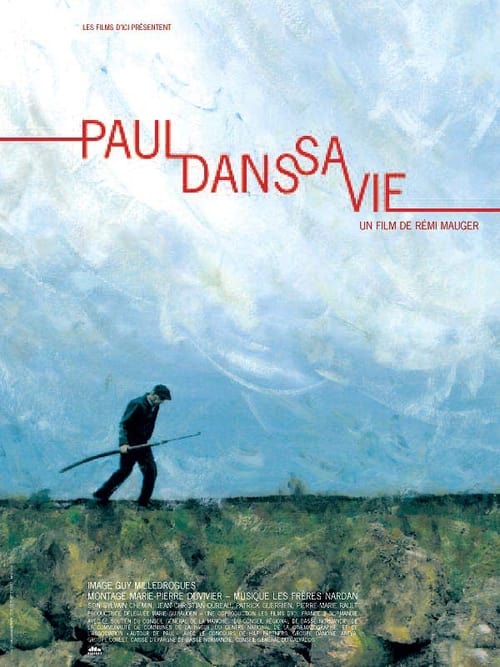
Paul Bedel will be 75 soon. He's and old bachelor, a peasant, a fisherman and a verger. He lives in a farm from another time with his two sisters, also unmarried. This year, they will retire : « Our lives will be filled with emptiness ». Their territory is the Cape of la Hague. The air is bracing, the wind is unpredicable, the granit is rough, and the horizon without boundaries. In here, Paul resisted to modernity, keen to preserve and improve his link to nature.
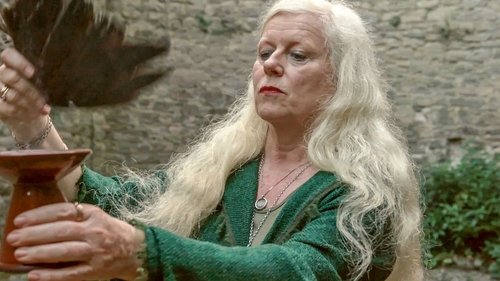
Druids have existed far longer than hitherto assumed, since the 4th century BC. Their traces are found all over middle Europe: from the northern Balkans to Ireland. Their cultural achievements were equal in almost every way to those of the Romans and Greeks: They could read and write and spoke Greek and Latin - for centuries, they were the powerful elite of their culture. Only one single Druid is known by name to history: Diviciacos - an aristocrat of the Aedui and personal friend of Julius Caesar. Diviciacos was a politician, a judge and a diplomat, but he lived at a time when the Celtic lands of Gaul were conquered by the Romans. Greek and Roman contemporaries distrusted the actions of this forbear of the famous comic book druid Getafix: They imagined him in bloody rituals in somber woods.
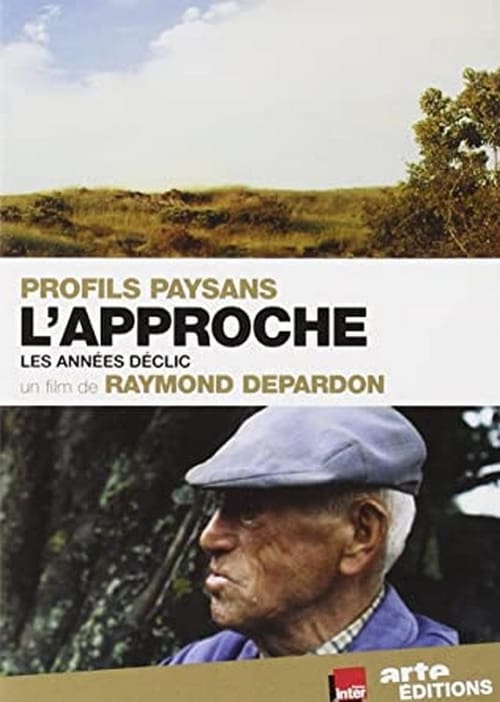
The first of a documentary serie about rural France.
In the vastness of the Iranian desert, young artists strive for freedom, community, and the preservation of their cultural heritage in the ancient caravanserai of Deyr-e Gachin, while facing the harsh conditions of their surroundings.

Madhavpur: A Cinematic Journey" stands as a singular testament to the beauty and allure of Madhavpur village and does not encompass multiple seasons or episodes. Therefore, there is no season overview or main events per season to provide.
The story of Nisar Ahmed Khan, told through his children and the people he served, a spiritual guide whose followers still visit his tomb on his birth and death anniversaries. And alongside how his family spends a few days at the village keeping his traditions alive.

An exploration of Cologne Cathedral, an emblematic monument and world heritage site. The towering place of worship took over 600 years to complete. Once the tallest building in the world, its ornate facade remains a masterpiece of Gothic architecture - and a reflection of the evolution of Franco-German relations.
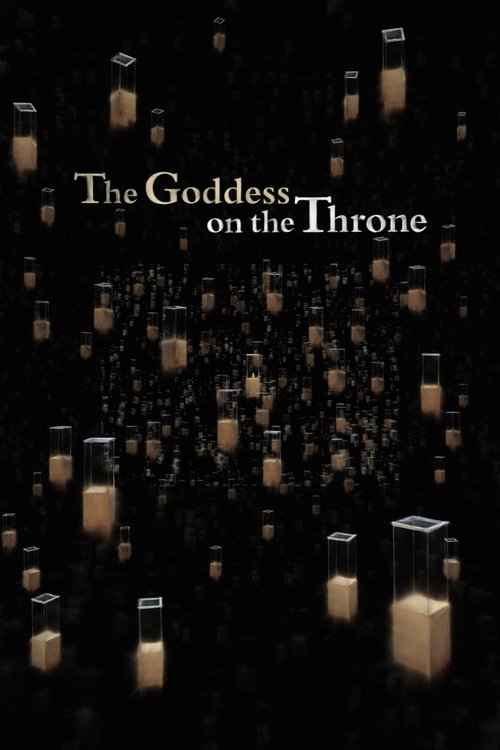
Blending archival footage, haunting melodies, and digital reconstructions, Hyjnesha në Fron traces the echo of loss across Kosovo's turbulent history, from forgotten rural struggles to national aspirations erased by war. A musical, visual essay shaped by absence, which resurrects physical memory through 3D reconstruction, showing how history persists even when its material proof has vanished.

The story of 95-year-old Aboriginal elder Laurie Baymarrwangga and her work to maintain the language and cultural traditions of the Yan-nhangu people of Murrungga.

No description available for this movie.

The two-part documentary Pop & Passion tells of power and magic, but also of the pressure and excess that prevails in the pop business.

In the Sardinian town of Tonara, where the ancient art of crafting cowbells teeters on the edge of extinction, a family battles to preserve their heritage, passing down skills to a new generation while grappling with personal struggles and the pull of modernity. English subtitles.
Unique to the region around Sierra Leone, sowei masks are worn by senior members of the all-female Sande Society during rite-of-passage ceremonies that signify a girl's transition to adulthood. Each mask has an individual personality and is given a name which is revealed in a dream. For many years the name of this mask was lost. However, in a special ceremony in January 2013 members of the Sierra Leonean diaspora community in London gave the mask a new name: Gbavo, meaning ‘crowd-puller’ or ‘to attract people’s attention’. The newly-named mask was then formally re-presented to the British Museum.