
Action
Adventure
Animation
Comedy
Crime
Documentary
Drama
Family
Fantasy
History
Horror
Music
Mystery
Romance
Science Fiction
Thriller
War
Western
Found 13 movies, 0 TV shows, and 0 people
Can't find what you're looking for?

Transport yourself to Cuba through the magic of virtual reality and experience the story of the island revealed in the evolution of moves and styles from Afro-Cuban santeria through rumba, tumba, mambo, cha-cha-cha, modern, salsa, breakdancing and reggaeton.
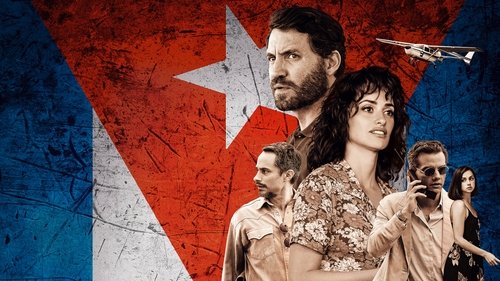
Havana, Cuba, 1990. René González, an airplane pilot, unexpectedly flees the country, leaving behind his wife Olga and his daughter Irma, and begins a new life in Miami, where he becomes a member of an anti-Castro organization.
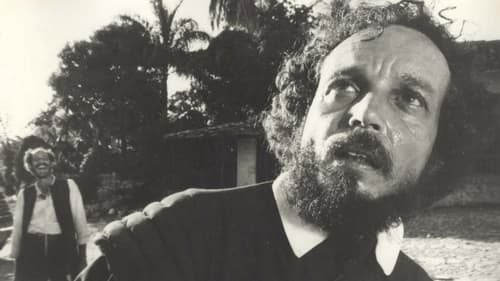
In 1672 Cuban revolutionaries launch an uprising against the Spanish who are occupying the country. Preserved by the Academy Film Archive in 2017.
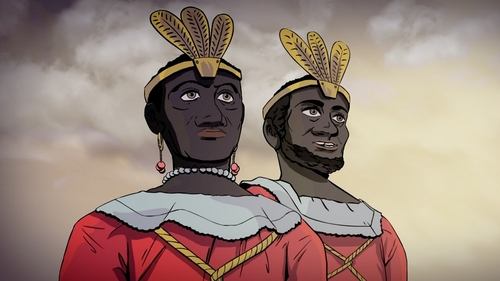
New York City, October 10, 1965. A group of wooden giant figures from Pamplona, representing Basque culture and traditions, parade down the street; but the local authorities have not allowed the appearance of all of them: due to the racial prejudices that persist in many sectors of society, the participation of two black giants has been banned.

In her feature documentary Seguridad, Newfoundland-based filmmaker Tamara Segura—once named “Cuba’s youngest soldier” in a militia publicity stunt—portrays her troubled relationship with her father in the context of the Cuban Revolution. When Segura accepts a scholarship to study film in Canada, the move offers crucial distance from her alcoholic father. After four years, she returns to Cuba hoping to make amends. But her father’s sudden death just days after her arrival forces Segura to explore his troubled past and the role Cuba’s highly militarized system played in his downfall. Through a series of deeply personal on-camera interviews with her immediate family, Segura unearths long-held secrets that ultimately tell a story of resilience and profound love between family members. Seguridad artfully weaves a lifetime’s worth of still photographs into its intimate narrative, which offers a rare glimpse into the inner lives of Cubans in the post-revolutionary era.

Three juxtaposing stories taking place in Portugal, Austria and Cuba create an intimate and poetic portrait of the daily lives and struggles of the elderly in an unstable world, seen through the eyes of their grandchildren.

1896. Cuba is at a critical juncture. Following the death of Antonio Maceo, one of its independence leaders, the island is torn between two positions: continuing the fight for independence or annexation to the United States. Spain, through its energetic generals, seeks to maintain its hegemony on the island. A difficult period in which, however, strange love stories also occur.
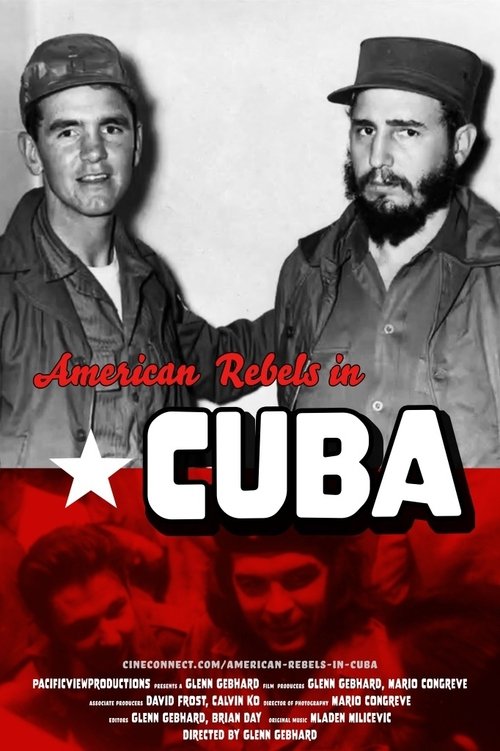
American Rebels in Cuba follows the very unusual life of “Rebels” Neill and Nancy Macaulay and their involvement with the Cuban Revolution. Neill Macaulay, an American who fought with a band of Fidelistas in the final months of the Cuban Revolution and his young wife Nancy tell their incredible story of war, revolution, and attempt to settle in post-war Cuba.
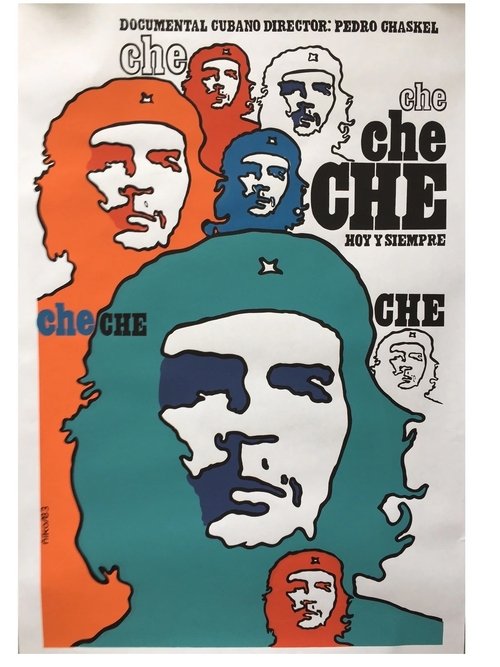
A sound system plays Commander Ernesto Guevara's speech, delivered on October 20, 1962, during the Second Anniversary of the Young Communist League, along with a series of archival images of the revolutionary leader visiting factories and meeting with workers.
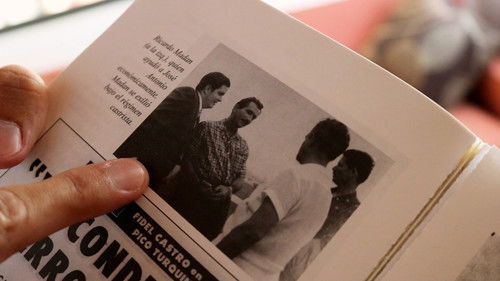
From Scotland to Ecuador, passing through Canada, Spain and Angola, 21 young Cubans who grew up in 9 countries outside the island tell their experiences of adaptation living between two cultures and the survival of the Cuban identity despite their stories of familial rupture and alienation.
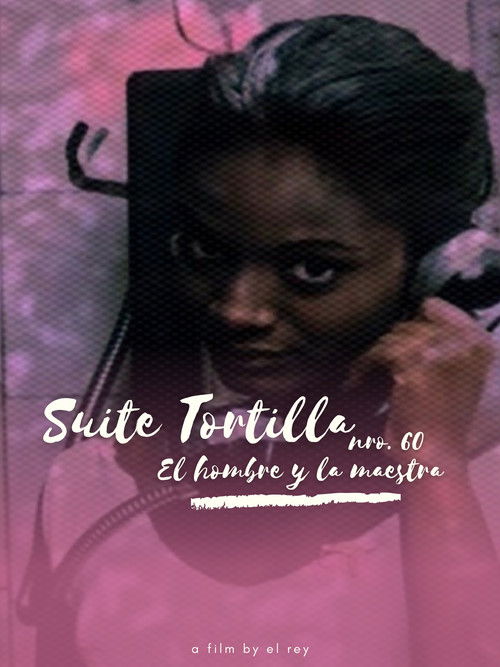
A documentary vignette explores the life of Revolutionary feminist and filmmaker Magda Gonzalez Grau, capturing a pivotal interview moment that reveals her evolving feminist politics during the Cuban Revolution.
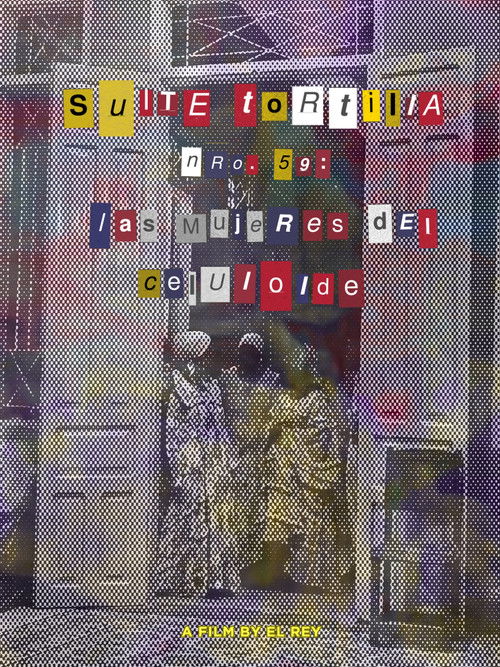
An American lesbian in Cuba explores gender through dance and film, blending personal experiences and cultural symbols with music and Revolutionary cinema and questions how lesbians fit into Cuban cinema.

The fifties in Cuba, at the time of the "dias felices", the happy days, the American mobsters were the kings of the country, Hemingway lived there, the Hollywood stars came to hide their secrets, the number of bars and clubs rose amazingly, celebrities came to spend vacation, the business of cigars flourished, gambling was not a vice, everybody was dancing on frenzied music, while rum and cigars were flowing. At the beginning of the fifties, the huge storm that threatened Cuba was unpredictable.