
Action
Adventure
Animation
Comedy
Crime
Documentary
Drama
Family
Fantasy
History
Horror
Music
Mystery
Romance
Science Fiction
Thriller
War
Western
Found 21 movies, 5 TV shows, and 0 people
Can't find what you're looking for?
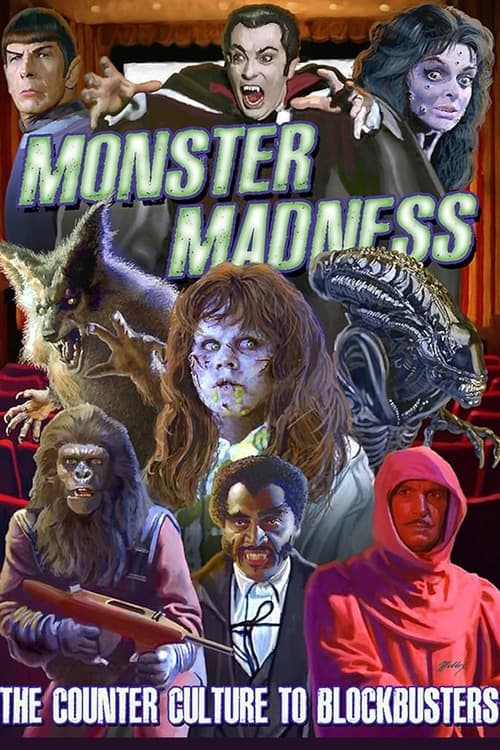
Part four of a multi-part documentary series with distinguished actors, directors, writers, composers and special effects mavens examining the history of the horror, fantasy and science fiction films from the groundbreaking silent 1920s through the Golden Age of Universal, the Silver Age of Hammer and up through the 1980s and beyond. This DVD begins with the late 60's era Blacula and Splatter films; then moves on to the cinematic evolution of the 70's with The Invasion of the Body Snatchers, The Planet of the Apes, The Exorcist and the films of the great Stanley Kubrick; and then concludes with the apex of the 80's including Alien, Star Trek, The Howling and more! Collect all four chapters in the Monster Madness series and enjoy never before seen interviews and fun-filled facts about the stars, the producers and the movies that made America want to go to the theater!
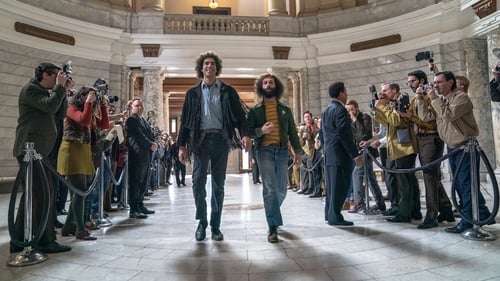
What was supposed to be a peaceful protest turned into a violent clash with the police. What followed was one of the most notorious trials in history.
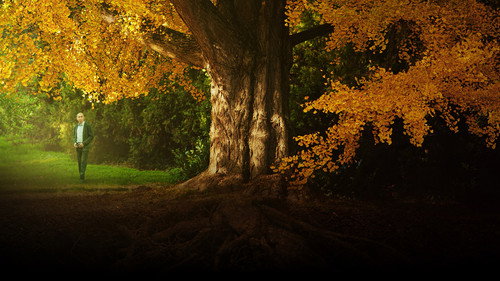
In the heart of a botanical garden in a medieval university town in Germany stands a majestic ginkgo tree. This silent witness has observed over a century the quiet rhythms of transformation across three human lives. At three distinct moments across the 20th and 21st centuries, these people — each carrying their own questions and inner struggles — inevitably find themselves drawn into the presence of this tree, full of mystery and meaning.
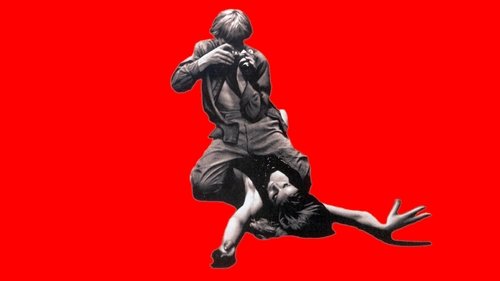
A successful mod photographer in London whose world is bounded by fashion, pop music, marijuana, and easy sex, feels his life is boring and despairing. But in the course of a single day he unknowingly captures a death on film.
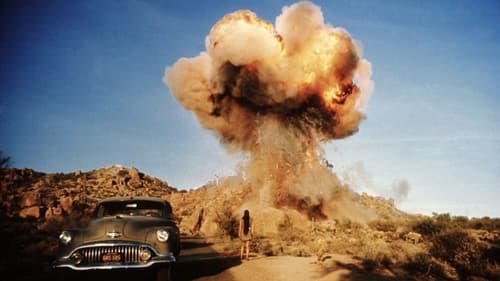
Anthropology student Daria, who's helping a property developer build a village in the Los Angeles desert, and dropout Mark, who's wanted by the authorities for allegedly killing a policeman during a student riot, accidentally encounter each other in Death Valley and soon begin an unrestrained romance.
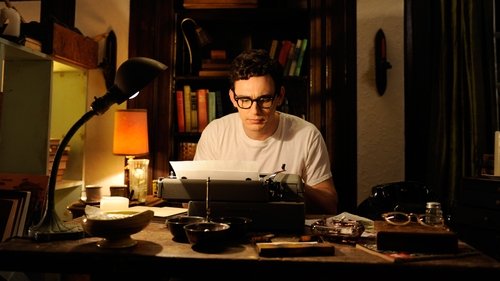
It's San Francisco in 1957, and an American masterpiece is put on trial. Howl, the film, recounts this dark moment using three interwoven threads: the tumultuous life events that led a young Allen Ginsberg to find his true voice as an artist, society's reaction (the obscenity trial), and mind-expanding animation that echoes the startling originality of the poem itself. All three coalesce in a genre-bending hybrid that brilliantly captures a pivotal moment-the birth of a counterculture.
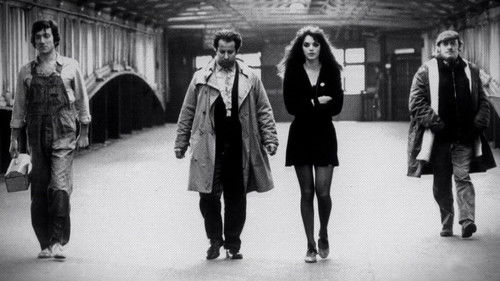
A young bride flees the ceremony with a stranger and, together, they set off on an epic journey though increasingly bizarre lands. They encounter talking animals and mournful exhibitionists, converse with a discoursing rock, journey through a surrealist's psychedelic hotel, instigate a prison riot, escape from naked cannibals living in a tree, and battle a wind-up midget dictator!

This movie chronicles the life and times of R. Crumb. Robert Crumb is the cartoonist/artist who drew Keep On Truckin', Fritz the Cat, and played a major pioneering role in the genesis of underground comix. Through interviews with his mother, two brothers, wife, ex-wife and ex-girlfriends, as well as selections from his vast quantity of graphic art, we are treated to a darkly comic ride through one man's subconscious mind.

Moments after receiving his graduate diploma, Jacob waits at a train station. The future lies ahead, but life abruptly intervenes. Images flash in Jacob's mind: of war, injustice, assassination, protest, the entire spectrum of 1960s angst and anger - sending Jacob into a catatonic state. What follows during his bizarre rehab and its aftermath will be another form of madness.
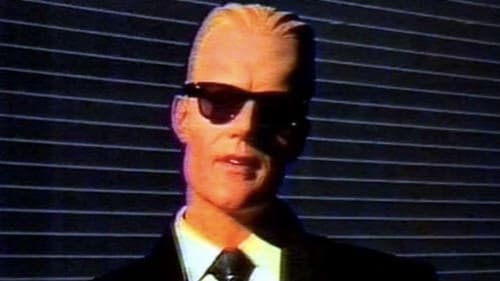
While trying to expose corruption and greed, television reporter Edison Carter discovers that his employer, Network 23, has created a new form of subliminal advertising (termed "blip-verts") that can be fatal to certain viewers.
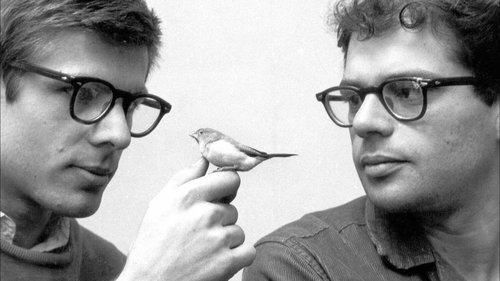
Tells the story of the wonderful and long-lasting friendship between Jack Kerouac, Allen Ginsberg and William Burroughs that gave birth to the Beat Generation movement.
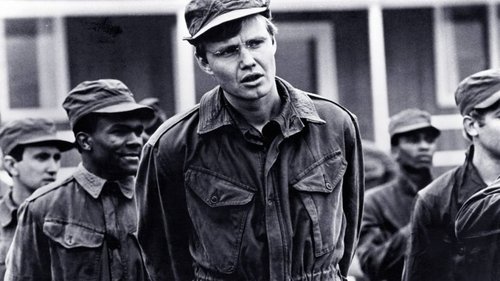
"A", a member of a student protest organization, becomes disenchanted by his group's inability to effect real change. Emboldened to pursue more radical methods by the older, experienced leftist organizer Despard, "A" unwittingly becomes party to a labor strike that turns violent. Ultimately held responsible by the authorities for the fracas, "A" allies himself with terrorist Leonard, who intends to avenge those jailed in the protest.
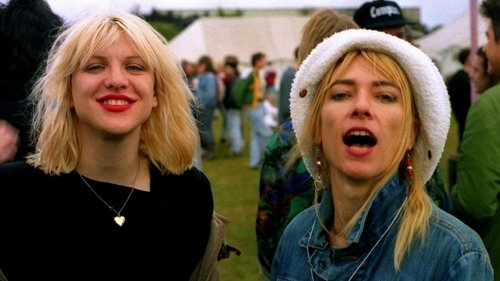
David Markey's documentary of life on the road with Sonic Youth and Nirvana during their tour of Europe in late 1991. Also featuring live performances by Dinosaur Jr, Babes in Toyland, The Ramones and Gumball.

Stefania reaches an existential crisis, amidst the stresses at home, at work, and in her memories. Her life and that of her hapless husband turn when they take in a charming and mysterious traveler, a gentle wanderer on his own quest.
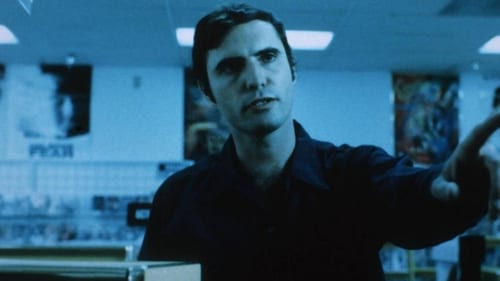
From a bland tract house on the outskirts of Los Angeles, Simon Geist (with occasional help from his platonic girlfriend Darla) wages war against all of modern American popular culture. Geist starts up a magazine called "The Next Big Thing", which he uses to confront and insult upcoming actors, comics, models and rock bands. As Geist's mysterious Underground Agenda escalates, will he become the "last big thing", or be co-opted by the very forces he is railing against? Written by Van Film Fest
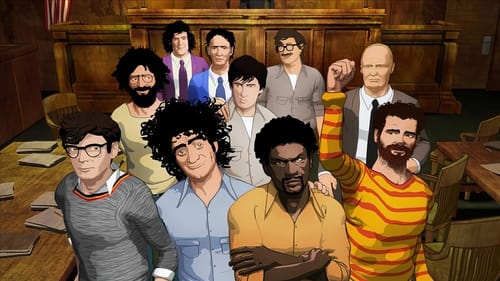
Archival footage, animation and music are used to look back at the eight anti-war protesters who were put on trial following the 1968 Democratic National Convention.

In the summer of 1968, a group of people assembled in Great Barrington, Massachusetts. They were making a film of John Barth's 1958 novel The End of the Road.
Experimental movie, where a man comes home and experiences LSD. His kaleidoscopic visions follow, with readings inspired by the Tibethan Book of the Dead.
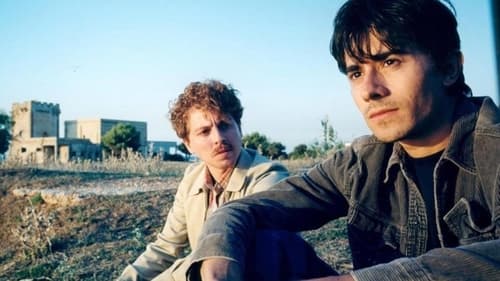
Peppino Impastato is a quick-witted lad growing up in 1970s Sicily. Despite hailing from a family with Mafia ties and living just one hundred steps from the house of local boss Tano Badalamenti, Peppino decides to expose the Mafia by using a pirate radio station to broadcast his political pronouncements in the form of ironic humour.
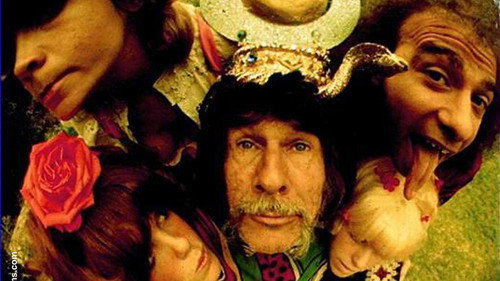
A documentary analyzing the social, political and cultural climate of Hollywood in the mid-1960s.
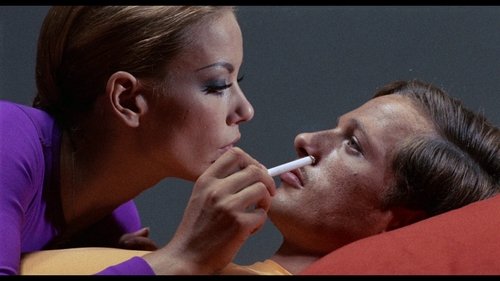
1968, London. Luca is living his 'swinging' years away from duties, while his father wants him to take the reins of the family business. He plots to have him kidnapped and placed in a sanitarium, where the young man undergoes electroshock therapy until 'normalised'. Luca is then made to marry a woman who is actually a psychiatrist hired to turn him into a perfect businessman.