
Action
Adventure
Animation
Comedy
Crime
Documentary
Drama
Family
Fantasy
History
Horror
Music
Mystery
Romance
Science Fiction
Thriller
War
Western
Found 33 movies, 8 TV shows, and 0 people
Can't find what you're looking for?
Sounds Like Art invites musicians to play in the midst of works of art in a European museum. In this edition, British pop group Bastille present their new album & at the Turner Contemporary Museum in Margate on the English coast. Lead singer Dan Smith says he is particularly interested in the art of Anya Gallaccio and Antony Gormley.
THE CONTEMPORARY ART REPORT is an hour-long exploration of the defining shifts in art from 2015-2025. The report features 20 distinct chapters, each one consisting of a complete analysis paired with an exhibition, main character, or event that illustrates the change.
On September 15th 2008, the day of the the collapse of Lehmans, the worst financial news since 1929, Damien Hirst sold over £60 million of his art, in an auction at Sotheby’s that would total £111 million over two days. It was the peak of the contemporary art bubble, the greatest rise in the financial value of art in the history of the world. One art critic and film-maker was banned by Sotheby’s and Hirst from attending this historic auction: Ben Lewis.
Discover the underground artists of a new generation.

In Krasnoyarsk, contemporary art was born within the Cultural and Historical Center named after V.I. Lenin, built in 1987. Here, bold and innovative ideas were presented, and different cultural worldviews were formed. However, all these ideas are united by one thing – the harsh and beautiful Siberia.
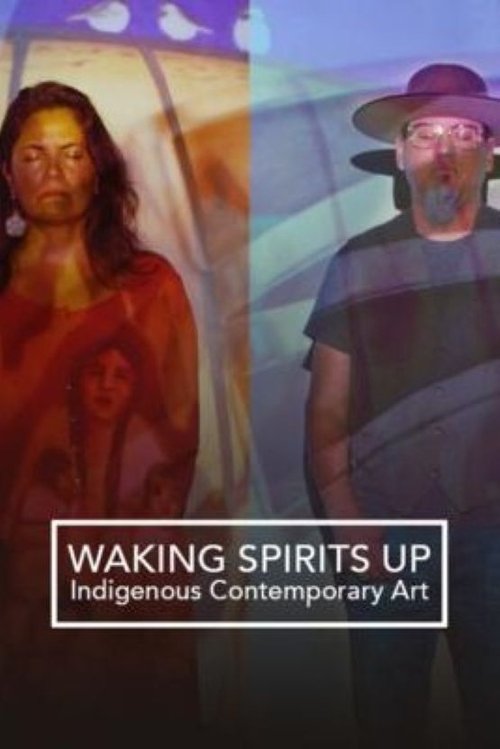
Dr. Lana Whiskeyjack an artist of Edmonton, and Erik Lee a silversmith of Maskwacis, share Indigenous stories and themes in their art. They explore influences and Cree worldview while on their artistic journey.
Documentation of the artist being hypnotized, wandering around in an immaginary art museum and describing what he sees there. Keller took lessons from a professional hypnotist to prepare for the piece Visiting a Contemporary Art Museum under Hypnosis (2006), let himself be hypnotized, and he also hypnotized others. The two-part video depicts a hypnosis session in which Keller repairs to the corridor of an imaginary museum hypnotized and describes the works which he sees there.
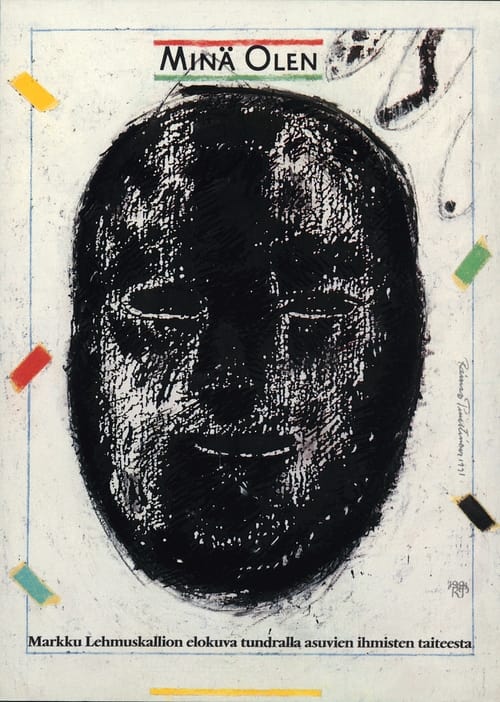
The second half of this two-part work of anthropological research, during which he met Anastasia Lapsui in the Soviet Union in the late 1980s. Seven years in the making, this film became the turning point in Lehmuskallio’s artistic path. “I started from Inuit poetry. I believe that paintings are also poetry. (…) They were kept behind glass: I could not touch them, I could not feel the warmth left by their creators. Inside myself, I could hear their voices. It was like an assignment from them: I had to show them to the world through myself, through my brain and soul.” (Lehmuskallio)
After working in solitude at the studio, the artist leaves, uncomfortable with the idea of having to put on a face for the art world, where they expect you to say something articulate in order to grab the curator's attention. - Video Data Bank
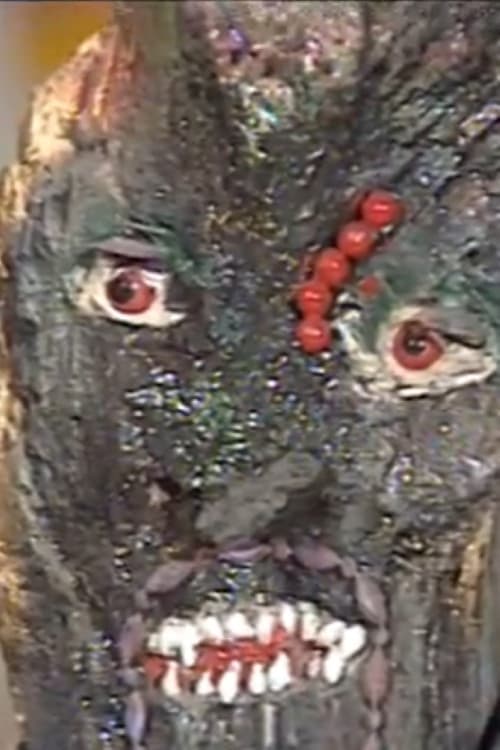
Contemporary African-American artists tell how their art and lives have been affected by African influences and their own experiences living as Black Americans in today's world. Writer/Professor, Maya Angelou expresses the black experience in words and poetry.
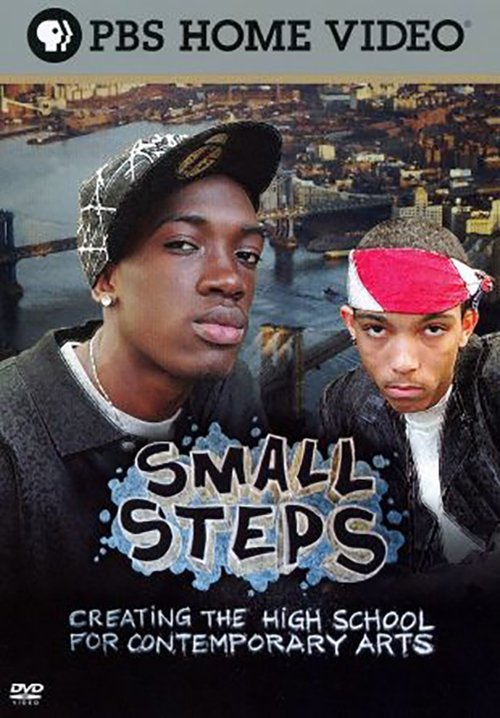
This film follows students, staff and parents through the first four years of the High School for Contemporary Arts, an experimental "small school" housed within one of the most dangerous schools in the Bronx.

This film gives a matter-of-fact record of the creation and lives of 5 artists: Wang Chuan, Zhou Chunya, Ye Yongqing. Zhang Xiaogang, and Mao Xuhui. They belong to the generation that grew up under the People's Republic that took part in all the big and small political movements and social transformations in China in the last 30 years. Now, in the course of China's transformation to modernization, they are facing a rather complicated reality and cultural problem. Time flies like an arrow -- natural selection is going on mercilessly. For the past decade, they have always been consistent in the observation of a lofty spirit, and independent personal integrity, and never have they given up their love and exploration for a single day.
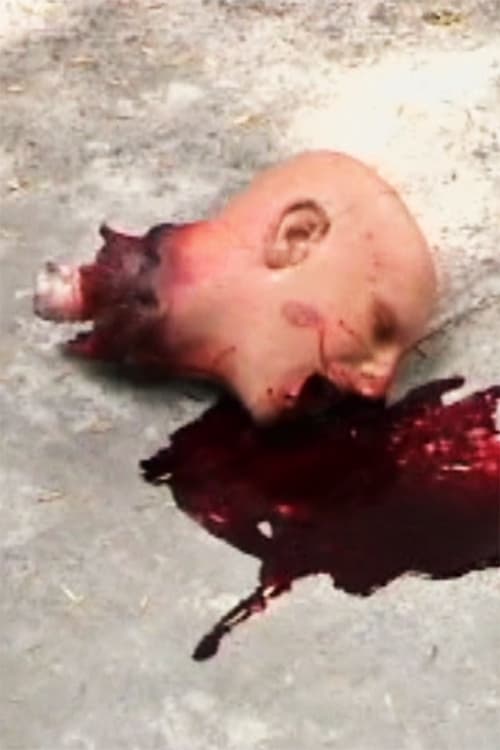
The filmmaker interviewed a selection of victims (Teresa Margolles, Ximena Cuevas, Miguel Calderón, Tayana Pimentel and Kurt Hollander) about the way in which they would want to die or be murdered. Each victim then performed his/her own death on video.
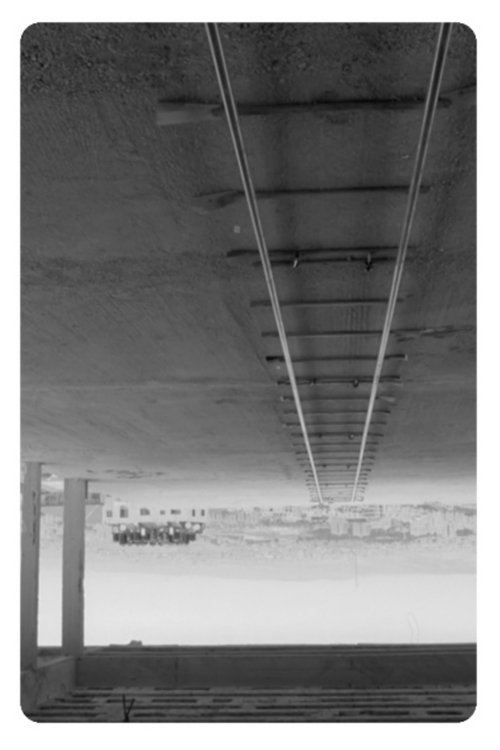
The camera explores the remains of Tell el-Ful, a building in northeast Jerusalem intended to serve as a summer palace for the Jordanian royal family. Begun in 1966, the building’s construction was halted by the Six-Day War the following year. The building was never completed nor was its early structure removed, and the site is Israeli territory.

A down-and-out gangster hires a down-on-his-luck agent to make his girlfriend a recording star within six weeks.
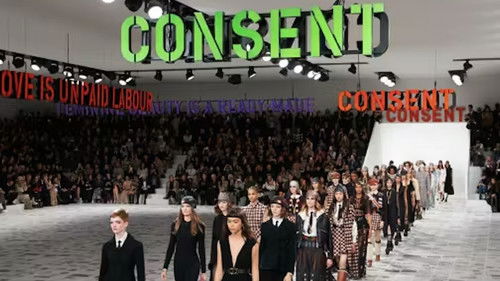
In celebration of International Women's Day, the House reveals "Her Dior", a documentary by Loïc Prigent chronicling Maria Grazia Chiuri's radical collaborations with renowned female figures since becoming Dior's Creative Director for womenswear in 2016. The film charts her journey from Rome to the global stage, distilling the essence of these poignant artistic exchanges in a single word: sisterhood.
Shot in Southern England over the course of six weeks by a crew of three American filmmakers, CircleSpeak offers a nuanced look at the passions and beliefs of the people immersed in the crop circle phenomenon during the season of 2001. This feature-length documentary presents interviews with serious “researchers”, self-proclaimed “hoaxers”, local farmers and villagers who are all, in one way or another, involved in this strange and compelling summer spectacle taking place year after year.
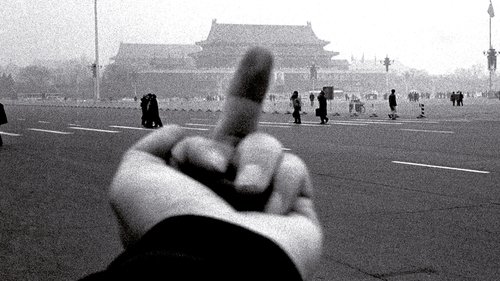
An account of the many tribulations that Chinese artist Ai Weiwei, known for his subversive art and political activism, endured between 2008 and 2011, from his rise to world fame via the Internet to his highly publicized arrest due to his frequent and daring confrontations with the Chinese authorities.
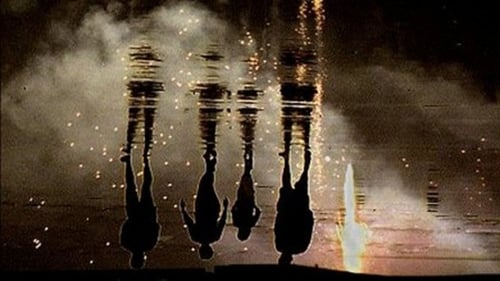
Walking towards the fire. In a ceaseless stream of light, people, landscapes and objects lead us to mysterious regions. French filmmaker Patrick Bokanowski’s work is hard to classify - and all the richer for it. Together with his wife Michèle, whose musique concrète compositions form the basis of the sound design, Bokanowski offers a prolonged, dense and visually visceral experience of the kind that is rare in cinema today. Difficult to define and locate, its strangeness is quite unique.
No description available for this movie.
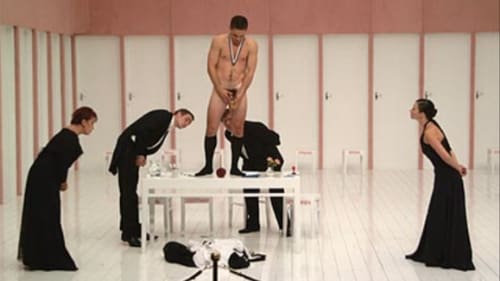
The film is a stage play hybrid showcasing dark and absurd sketches based on contemporary Hungarian news of the 2000's with campy, senseless musical interludes in-between. Highly experimental in nature that - like Marmite - will split its' crowd into ones that'll love it and others that'll loathe it. There's no middle grounds here. The topics included are: The Hungarian Olympians' doping scandal, political terrorism, the national elections... and more.
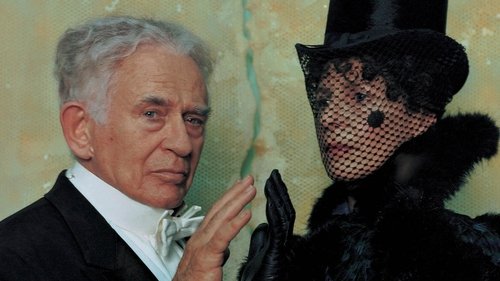
CREMASTER 2 is rendered as a gothic Western that introduces conflict into the system. On the biological level it corresponds to the phase of fetal development during which sexual division begins. In Matthew Barney's abstraction of this process, the system resists partition and tries to remain in the state of equilibrium imagined in Cremaster 1.
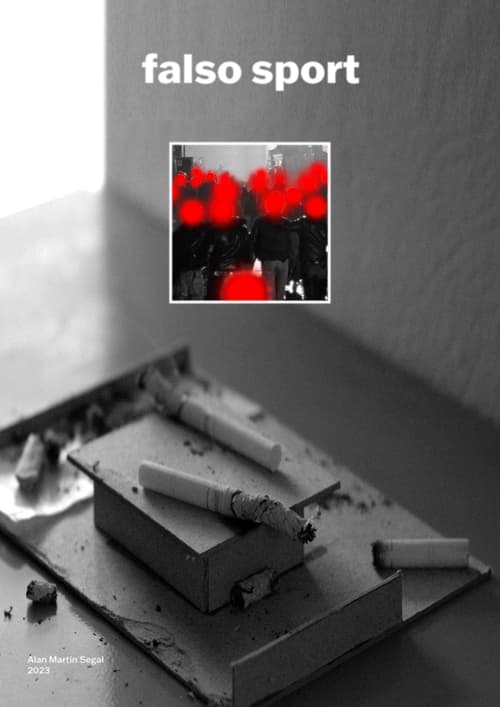
"Before, it was like this; now, it is like that." This recurring phrase in the work raises the question: what was like this, and now is like that? Through this wordplay, we glimpse a recurring theme in Segal’s works: a subtler, less persuasive form of magic—the trick. Falso Sport is filled with visual games, presented as yet another instance of assembly and editing. In its persistent exposure of the artificiality of images—mostly cardboard models of intentionally precarious realism—the work reveals a power dynamic that dictates what is shown and what remains hidden.
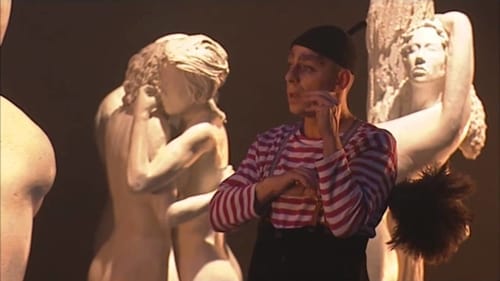
Escorted by his valet Sganarelle, Dom Juan, a libertine gentleman, brave and hypocritical, seduces women, fights duels, denies his father's authority, and mocks Heaven. Carried away by his passion for women and gambling, he goes so far as to commit perjury. A classic revisited by Mesguich with a lot of visual effects: special effects, magic tricks, imposing sets. A playful staging for this tragi-comic play.
Lifting the lid on the fascinating last decade of Andy Warhol's life and the legacy he left for future artists, through never-before-seen footage and interviews with insiders.
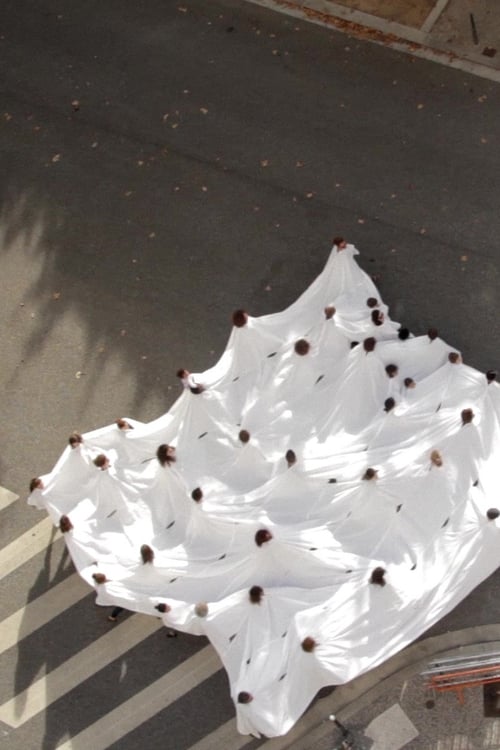
Documentation of Lygia Pape’s 1968 performance Divisor - reactivated in the city of Villeurbanne (France) in October 2014. Commissioned by Institut d'Art Contemporain de Villeurbanne / Rhône-Alpes.
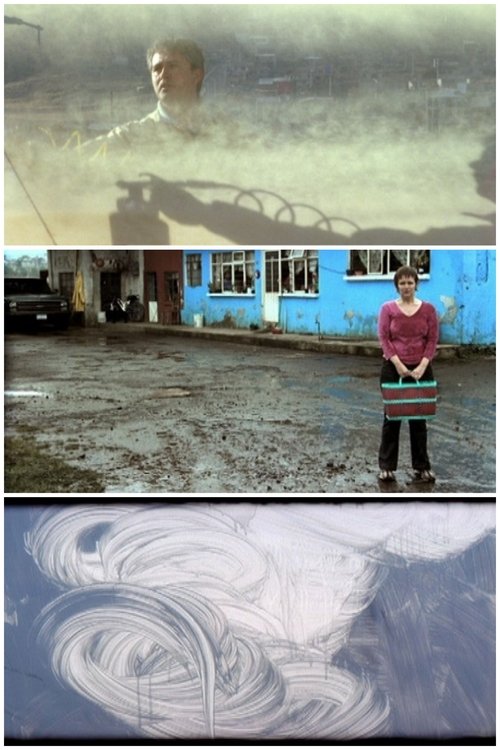
Parres is a small town on the outskirts of Mexico City, halfway to Cuernavaca. It is a town in passing that has left immutable and imperceptible traces on the highway. A man paint the screen covering the town. The series is composed of three videos.
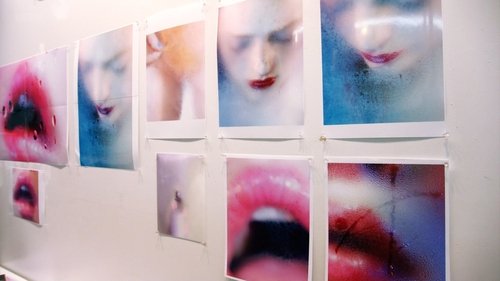
Featuring collectors, dealers, auctioneers and a rich range of artists, including market darlings George Condo, Jeff Koons, Gerhard Richter and Njideka Akunyili Crosby, this documentary examines the role of art and artistic passion in today’s money-driven, consumer-based society.

Documentary on Tommaso Palaia, Ilenia Pasqua, Giuseppe Ferrise and Tania Bellini, as part of the Ceilings 2 project, curated by Simona Caramia.
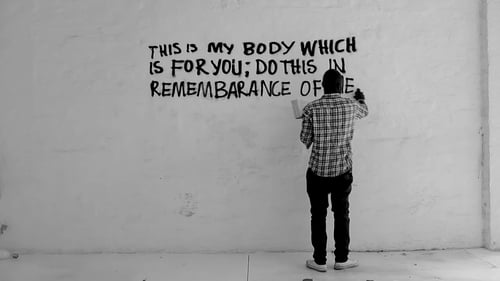
Exiled, yet internationally celebrated Zimbabwean artist Kudzanai Chiurai's demons come to life as he tries to flee South Africa following increasingly fractious experiences on the Johannesburg art scene. His greatest demon “Black Guilt” is one he can never shake off, this burden of having to speak for his people. But Is this responsibility really a burden at all, or is it actually a superpower? Either way, will Kudzi ever be President of His Own State of Being?
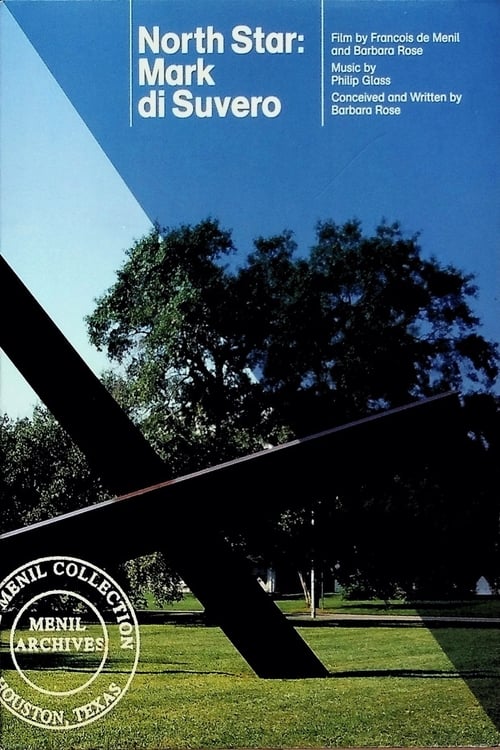
North Star: Mark di Suvero is a 1977 documentary film about Mark di Suvero that was produced by François de Menil and Barbara Rose. Born in 1933, di Suvero has become one of the most recognized sculptors of the late 20th and early 21st centuries. From about 1975 to 1977, fairly early in di Suvero's long career, filmmaker de Menil and art historian Rose produced this film, which was characterized at the time as "a tribute to the extraordinary work and life of the innovative American sculptor of monumental but delicate constructions." The film shows di Suvero making and installing several of his very large sculptures, and incorporates informal interviews of di Suvero, his mother, and others involved in his career and life at that time. From 1971 to 1975 di Suvero, an American, lived in a self-imposed exile in France in protest of US involvement in war in Vietnam and Southeast Asia, and the filming spans the end of his exile and his return to New York.
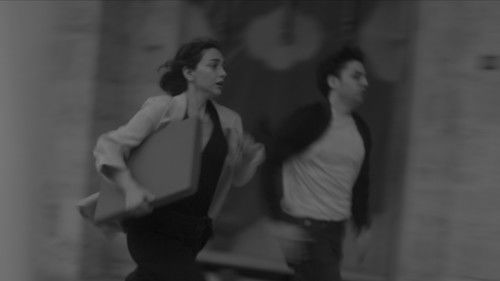
Facing imminent eviction, an idealistic young photographer and her hapless roommate attempt to sell her work to galleries for the first time, embarking on a bumpy journey through the collapsing art market of Istanbul.
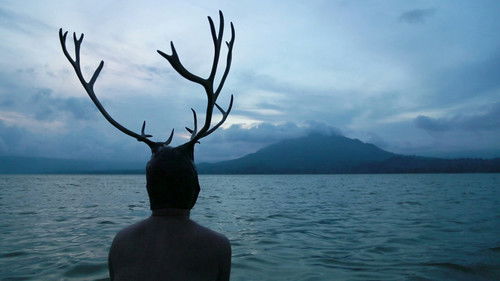
In between performance, dance and cerémonies, "The Ferryman” is a choreographic exploration of rituals and animistic roots, a luxurious visualisation of a bewitchment and an exorcism of a man-deer in the borders of the world.