
Action
Adventure
Animation
Comedy
Crime
Documentary
Drama
Family
Fantasy
History
Horror
Music
Mystery
Romance
Science Fiction
Thriller
War
Western
Found 23 movies, 0 TV shows, and 0 people
Can't find what you're looking for?
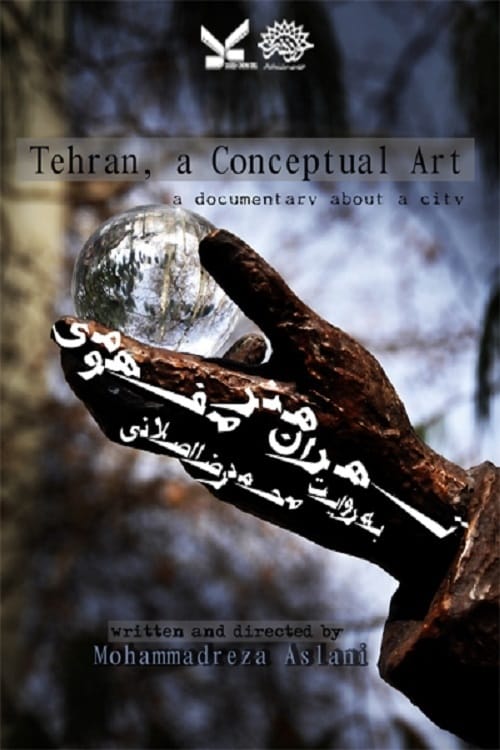
This film is a modern rendition of a long tradition of so-called “symphonies of a metropolis”. The glassy facades of this city’s skyscrapers reflecting the passing by people of its diverse districts, shown in the reflection of distorted mirrors, symbolically depict the Spirit of a metropolis, as if it lives in its own shadows and reflections. This distorted reflection of Tehran comes together with modern verses of a poet who was known as the Poet of Tehran after publishing his illustrious cycle of poems about Tehran in the 60s. As a flâneur, the poet himself saunters around this city -through his voice/poem/memory- reflecting upon the reflections of old/modern monuments, sculptures, statues etc. of this giant metropolis.
Overview of the visual effects of 2001: A Space Odyssey.

Like many people, Cambridge University art historian Dr. James Fox has never really "got" conceptual art. In this documentary he sets out to provide an open-minded guide to the art form for the perplexed.
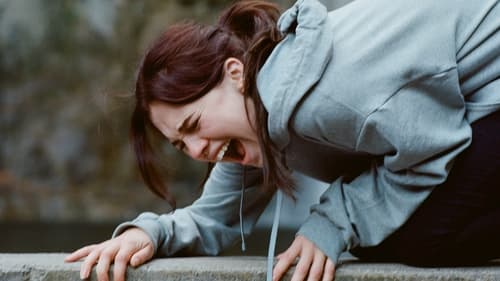
Vita revisits her first attempt at filmmaking 15 years prior. Shooting a semi-autobiographical film starring her friend Dina, Vita’s eager but inexperienced approach causes the production to spiral into chaos, leading to significant disruptions and a near-fatal accident.
No description available for this movie.
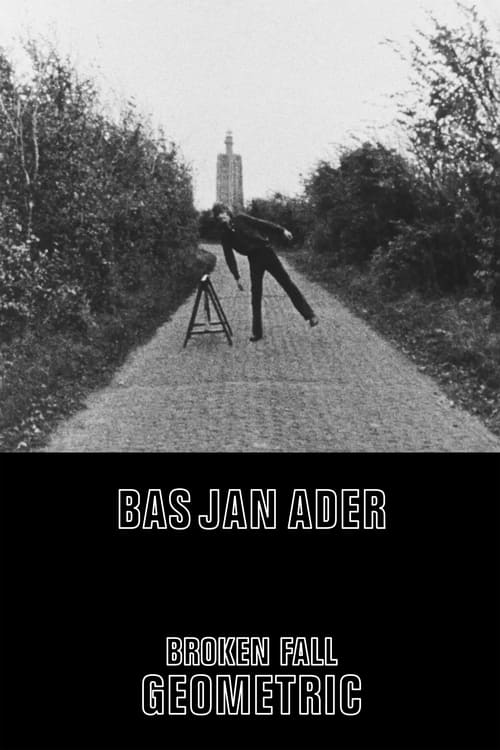
One of a series of ‘falls’ by Bas Jan Ader that he recorded on film, this work was filmed in West Kapelle, Holland in 1970.

No description available for this movie.
Druga linija aka The Other Line is a product of many years of research of neo-avant-garde cultural and art scene in Novi Sad, Serbia (late 60s and 70s), which has been marginalized until today. This artistic movement was directly connected not only with important art centers of the former Yugoslavia, but also with existing flows of world art during its brief and productive activities (7e Biennale de Paris, 19th Berlinale). The cultural and artistic emancipation of that time had implied individual freedom of expression and strong reaction to established boundaries. This avant-garde movement had become threat to communist establishment, the authors' work were sabotaged, the films were sealed off, five artists were taken to trial, two were sent in prison. How is it that the retrograde mechanism of shutting down and removing the most creative and representative progressive impulses of our surrounding is still so current to this day?
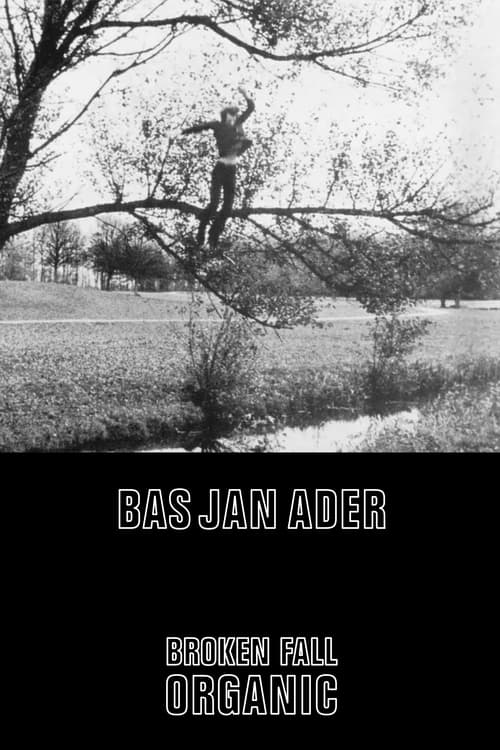
Bas Jan Ader hangs from the branch of a tall tree, until he loses his grip and falls into a river below.
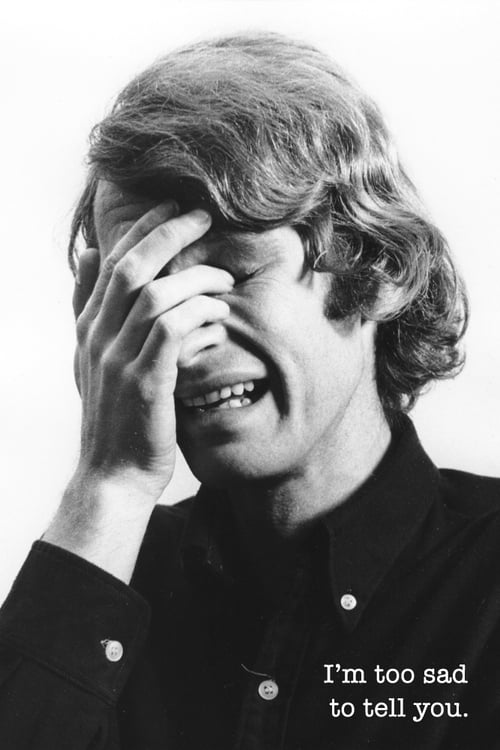
This short film is part of a mixed media artwork of the same name, which also included postcards of Ader crying, sent to friends of his, with the title of the work as a caption. The film was initially ten minutes long, and included Ader rubbing his eyes to produce the tears, but was cut down to three and a half minutes. This shorter version captures Ader at his most anguished. His face is framed closely. There is no introduction or conclusion, no reason given and no relief from the anguish that is presented.
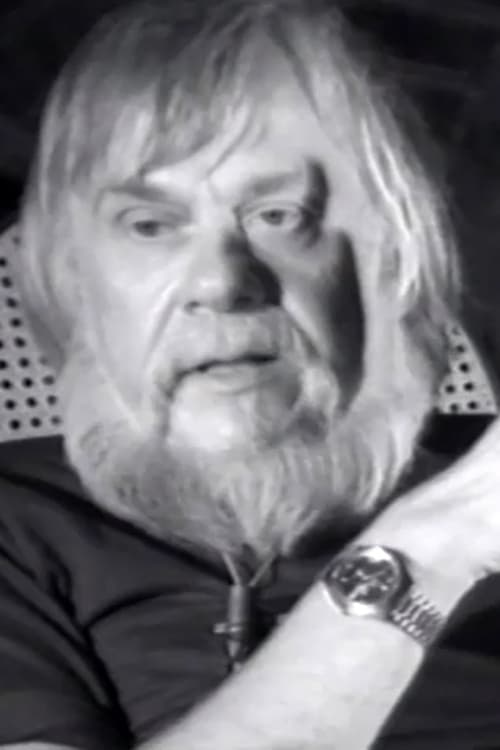
From his photo-text canvases in the 1960s to his video works in the 1970s to his installations in the 1980s, John Baldessari’s (b.1931) varied work has been seminal in the field of conceptual art. Integrating semiology and mass media imagery, he employed such strategies as appropriation, deconstruction, decontextualization, sequentiality, and text/image juxtaposition. With an ironic wit, Baldessari's work considers the gathering, sorting, and reorganizing of information. “Something that is part of my personality is seeing the world slightly askew. It’s a perceptual stance. The real world is absurd sometimes, so I don’t make a conscious attempt, but because I come at it in a certain way, it seems really strange,” Baldessari says in this interview with Nancy Bowen. A historical interview originally recorded in 1979 and re-edited in 2003 with support from the Lyn Blumenthal Memorial Fund.
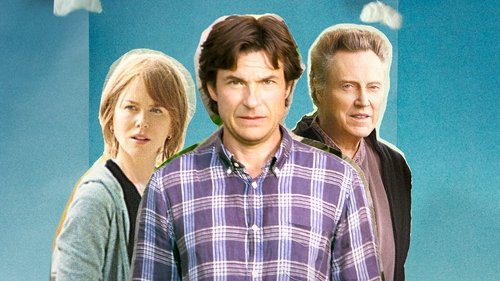
A brother and sister return to their family home in search of their world famous parents who have disappeared.
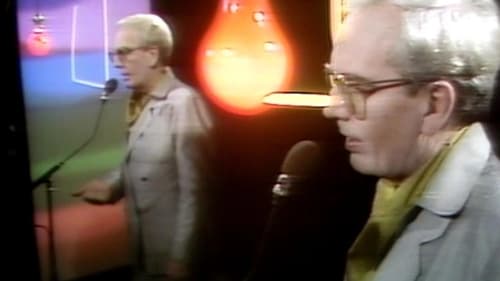
Set in the American Midwest, Perfect Lives is “about” bank robbery, cocktail lounges, geriatric love, adolescent elopement, the changing of the light at sundown, et al. One of the definitive text-sound compositions of the late 20th century, it has been called "the most influential music/theater/literary work of the 1980s".

John Baldessari is one of the pioneers of conceptual art, which revolutionized contemporary art in the 1960s, and is still a profound influence on young artists today. The film shows John Baldessari in all aspects of his work: as an artist in his studio, with the technicians he collaborates with, as a teacher interacting with his students, as a passionate observer of the contemporary scene and visiting the Biennale in Venice as well as the Basel Art Fair. This film provides us with insights into the work of a radically modern-thinking artist and sharpens our perception of the often inaccessible world of contemporary art.
In 1992, enigmatic pop band KLF announced their retirement from the music industry, re-emerging as the K Foundation -dedicated to the "advancement of Kreation". In this film, Omnibus tells the story of the creative partnership of Jimmy Cauty and Bill Drummond, and how they tried to storm into the art world.
A concept film from Imogen Heap and Thomas Ermacora, made with crowd-sourced video footage, creating a nature film accompanied by an Orchestral score composed by Heap.
The film is a reconstitution of the seminal performance work done in the early Sixties by the sculptor Robert Morris.
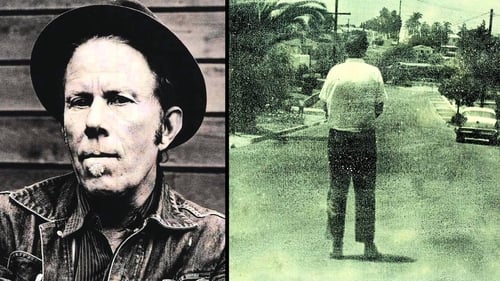
The epic life of a world-class artist, jammed into six minutes.
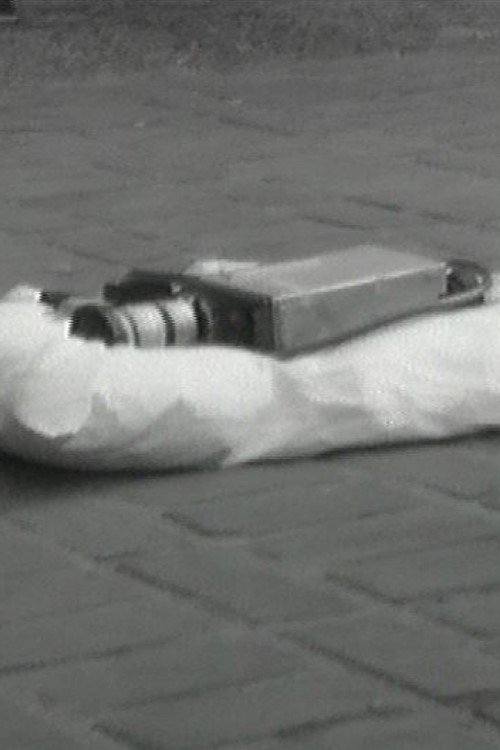
This video is the first in the trilogy The Cologne Tapes, which Davis made in Cologne in 1974, and which was realized in cooperation with the Lijnbaancentrum. On the pavement somewhere on a street, a video camera lies on a light cushion. It lies there staring invitingly at the passers-by.
No description available for this movie.
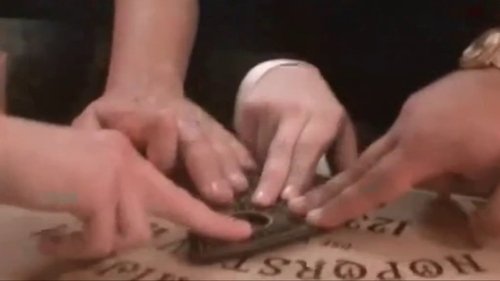
The Art of Self-Harm is an uncompromising and unflinching look at the art collective known as "White Gardenia". A group of artists who explore their cathartic expressions through acts of blood drinking, self-mutilation, and other forms of paraphilia. This documentary takes an in-depth look at this groups body of work, as well as conducts detailed interviews with group members to understand the inspirations and motivations behind the art that is "White Gardenia".
Shot in his garage-studio, the camera records Ader painstakingly hoisting a large brick over his shoulder. His figure is harshly lit by two tangles of light bulbs. He drops the brick, crushing one strand of lights. He again lifts the brick, allowing tension to accrue. The climax inevitable—the brick falls and crushes the second set of lights. Here the film abruptly ends, all illumination extinguished.

Artist Katinka Simonse, alias Tinkebell, is a controversial, very mediagenic phenomenon. In her universe there is no distinction between life, art and activism; Tinkebell is her own work of art. Everything she encounters on her life path can become part of her story. Filmmaker Judith de Leeuw was given access to all images about Tinkebell, including her entire private archive. She thus constructed an archive film about how as a human being, living on the ruins of the past, you can be a character in your own story. What is the price you can afford if you continue to believe at any cost?