
Action
Adventure
Animation
Comedy
Crime
Documentary
Drama
Family
Fantasy
History
Horror
Music
Mystery
Romance
Science Fiction
Thriller
War
Western
Found 23 movies, 3 TV shows, and 0 people
Can't find what you're looking for?
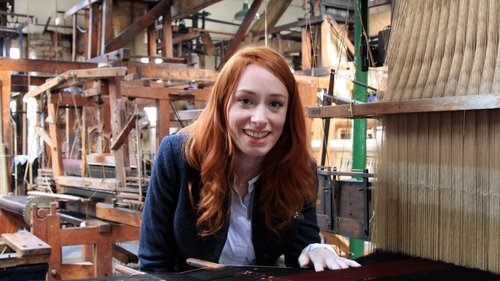
Ada Lovelace was a most unlikely computer pioneer. In this film, Dr Hannah Fry tells the story of Ada's remarkable life. Born in the early 19th century, Ada was a countess of the realm, a scandalous socialite and an 'enchantress of numbers'. The film is an enthralling tale of how a life infused with brilliance, but blighted by illness and gambling addiction, helped give rise to the modern era of computing.

A documentary about SAGE missile defence system.
The Seismic Properties of Cloud Computing interrogates contradictory metaphors of infinite accessibility and total security advertised by cloud infrastructure providers. Bringing words by Walter Benjamin and Louise Amoore to life through a combination of video-game imagery, lyrical cinematography, and found footage, the film depicts a world in which the cloud’s seemingly endless architecture is in fact already a boundary drawn by habit, perception, and power.
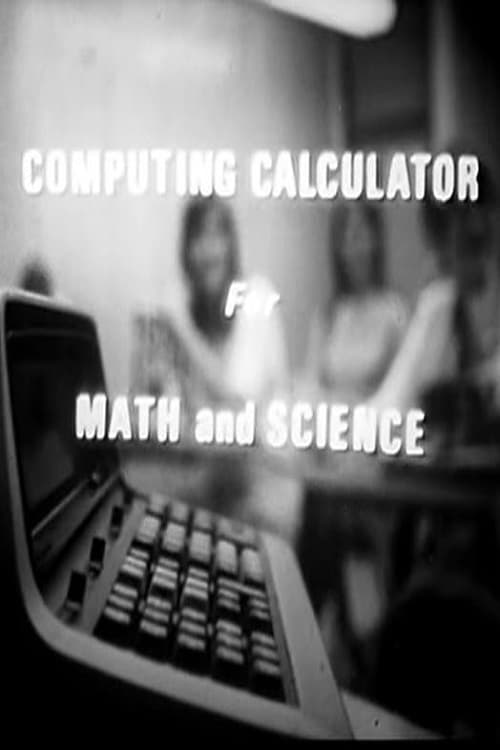
Hewlett-Packard computer model 9100 Computing Calculator. Physics class uses computing calculator and X-Y plotter in class. Early educational application of computers.
Two brothers, Jake and Max work in product development at the Kitty Carnival Amusement company. The two office workers do not work well together and are sceptical at the new Microsoft Workgroups for Windows operating systems they are being forced to use, but with a looming deadline and some help from Bill Gates, they soon learn to love it, and go on to start their own successful company.
Using the TV series Mad Men as a starting point, researcher Occitane Lacurie analyzes femininity in the history of computing.
Various teachers across the mystical land of Victoria unite in order to discuss Mark and how he can reach his full potential.

A highly sophisticated Program called Ares is sent from the digital world into the real world on a dangerous mission, marking humankind's first encounter with A.I. beings.
A history of cybernetics from first machines to mankind's aspirations to create a being in its image, and about the computing power of machines that were able to detect Leonardo da Vinci's figure among the characters of his own paintings.
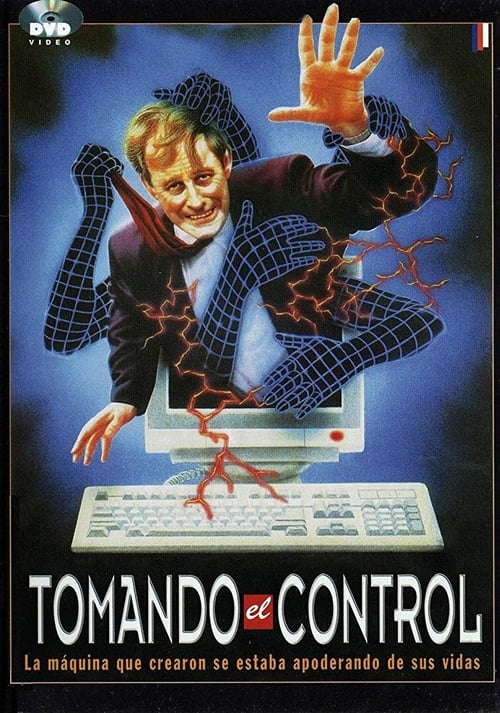
George Oppenheimer has two problems: an eccentric wife and an uncontrollable child. At work his team invented a computer with personality. George thinks the computer is faster, smarter and elegant. When his life falls apart, the computer offers suicide as the only alternative.

Comprehensive survey of robotics filmed in the leading labs of the world (primarily the United States and Japan) and featuring experts such as Rodney Brooks of MIT and William “Red” Whittaker of Carnegie Mellon University. Incorporates pop culture robots with the less glamorous real world and delves into the ultimate issues of what constitutes life and whether consciousness is a product of intelligence.

Portrait of the early era of computing which examines the workings of a new and mysterious machine: the Canada Land Inventory Geo-information System. This "instant library" was created to help assess and document the geographical landscape, including sampling and analysis of soil, forestry, timber, wildlife, resources, industrial sites, and many other aspects.

Memoirs of a Spectrum Addict is a full length documentary feature film which takes a detailed look at the ZX Spectrum, its history, developers, games and fans. The film is a unique tribute to the Sinclair ZX Spectrum. Memoirs of a Spectrum Addict has re-enactments, interviews like you’ve never seen before with major Spectrum industry figures, and features real people who grew up influenced by the Sinclair ZX Spectrum!
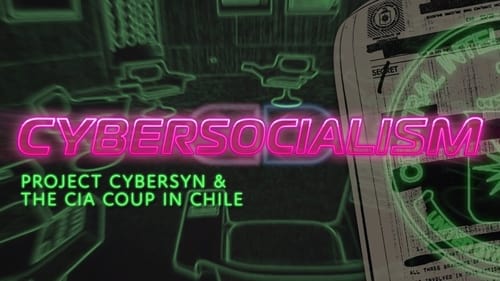
A documentary on the rise and fall of Project Cybersyn, an attempt at a computer-managed centralized economy undertaken in Chile during the presidency of Salvador Allende.
Dr Hannah Fry and a virtual host present a new way of making television, as the BBC uses artificial intelligence to delve into the treasures of the BBC Archive.
Launched in 1982 by three friends in a Houston diner, Compaq Computer set out to build a portable PC to take on IBM, the world’s most powerful tech company. Many had tried cloning the industry leader’s code, only to be trounced by IBM and its high-priced lawyers. Explore the remarkable David vs. Goliath story, and eventual demise, of Compaq, an unlikely upstart who altered the future of computing and helped shape the world as we know it today.
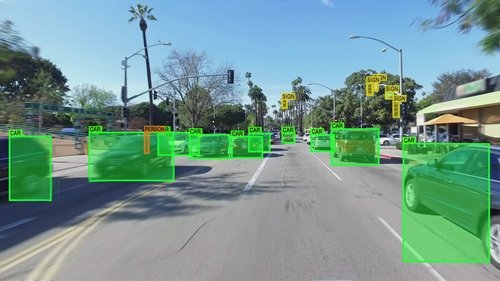
This Is A.I. follows the history, development and future of artificial intelligence in different aspects of our lives. Interviewed experts give their opinion on the various ways this 'smarter' future is going to impact us.
From hardware to software, the basics of then-current computing technology is explained.
"Give me ten million dollars and trust me, we'll deliver a low-cost microprocessor compatible with Intel". This was former IBM Fellow and Dell Senior VP Glenn Henry's 1995 pitch to start a microprocessor company focused on low-cost Intel-compatible processors ("x86"). This documentary follows Henry and his team as they race to complete their latest chip, and offers an inside look at Centaur's unique management environment.
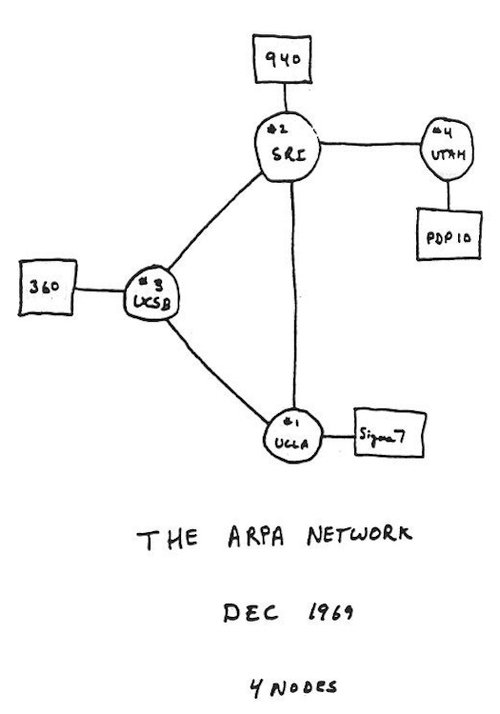
No description available for this movie.
THE PEOPLE'S CLOUD is a web-based six-part documentary series that gets to the bottom of the internet; investigating the ecology and impact of cloud computing on the lives of those who use it, the places it is physically located in and the people who work to maintain it.
Charles Babbage (1791-1871), computer pioneer, designed the first automatic computing engines. He invented computers but failed to build them. The first complete Babbage Engine was completed in London in 2002, 153 years after it was designed. Difference Engine No. 2, built faithfully to the original drawings, consists of 8,000 parts, weighs five tons, and measures 11 feet long. We invite you to learn more about this extraordinary object, its designer Charles Babbage and the team of people who undertook to build it. Discover the wonder of a future already passed.
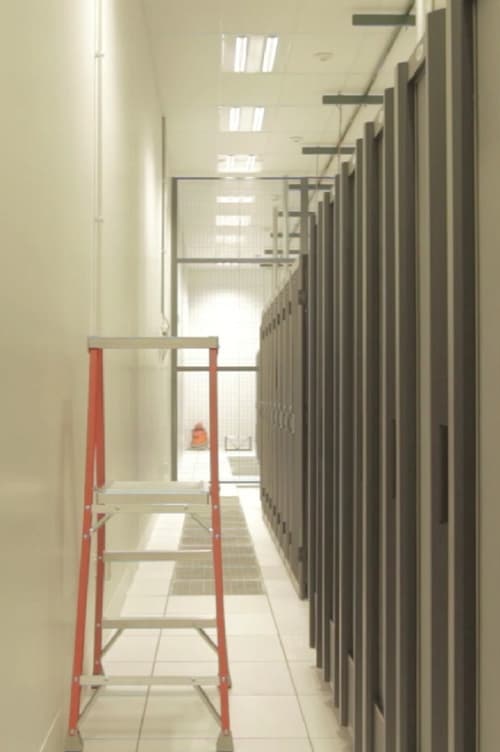
Traces the historical evolution of these structures that make-up “the cloud”, the physical repositories for the exponentially growing amount of human activity and communication taking form as digital data.