
Action
Adventure
Animation
Comedy
Crime
Documentary
Drama
Family
Fantasy
History
Horror
Music
Mystery
Romance
Science Fiction
Thriller
War
Western
Found 27 movies, 7 TV shows, and 0 people
Can't find what you're looking for?
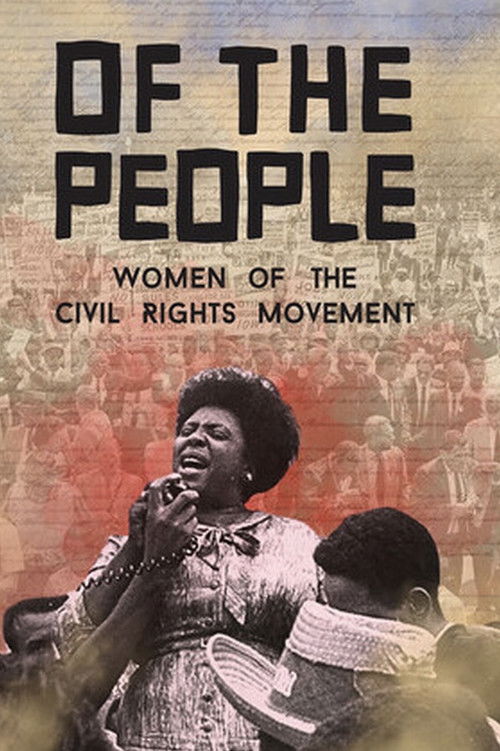
Of The People: The Women Of The Civil Rights Movement shines a light on the often-overlooked women whose courage and leadership shaped one of the most transformative eras in American history. While names like Martin Luther King Jr. and Malcolm X dominate popular narratives, this work centers the voices and stories of women who organized, strategized, and sacrificed to dismantle segregation and secure voting rights. From grassroots activists to national leaders, these women such as Ella Baker, Fannie Lou Hamer, Septima Clark, and Dorothy Height fought not only against racial injustice but also gender discrimination within the movement itself.
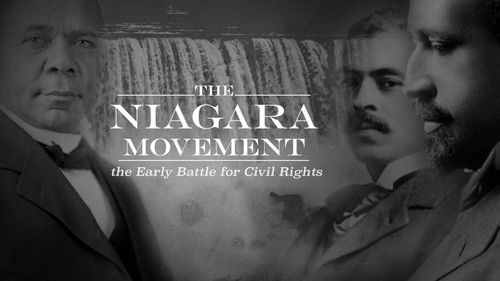
An examination of the heated debate and conflict between W.E.B DuBois and William Monroe Trotter with Booker T. Washington on how to best uplift the race and secure equality for their community, which led to the Niagara Movement, a short-lived movement that laid the cornerstone of the civil rights movement.
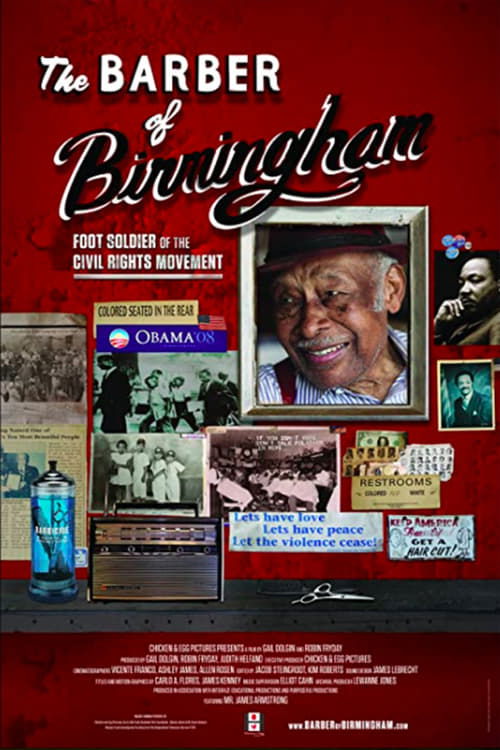
The film features 85-year-old Mr. Armstrong, an African American barber in Birmingham, Alabama, as he experiences the manifestation of an unimaginable dream: the election of the first African American president. This colorful and courageous activist of the Civil Rights era casts his vote, celebrates Obama's victory and proudly unfurls the American flag as he is inducted into the Foot Soldiers Hall of Fame. Mr. Armstrong links the magnitude of the present paradigm shift with challenges he faced in the past: from his sons' integration into an all white school to the Bloody Sunday march for voting rights. The documentary raises questions about democracy and patriotism in the face of adversity, and the vigilance and action required to ensure continued forward movement to end racial injustice.
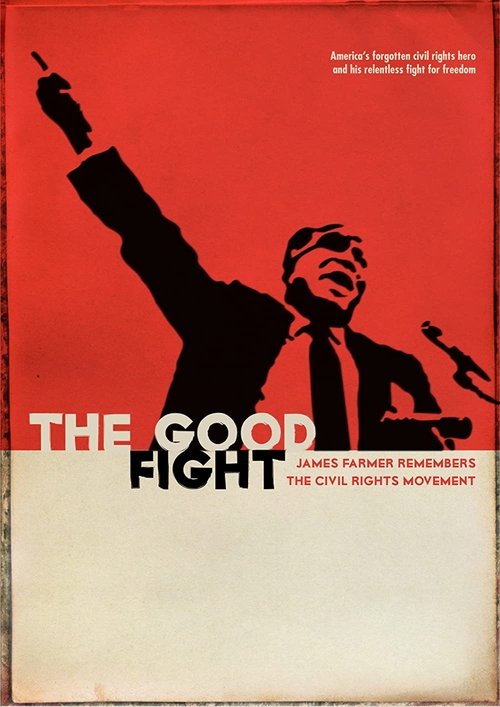
When he rolled into the Jim Crow South on a Greyhound bus - a black man sitting in the whites-only front seat - James Farmer was scared. "Courage is not being unafraid, but doing what needs to be done in spite of fear," said the founder of the Freedom Rides and pioneer of the earliest sit-ins. A relentless leader, a dynamic speaker, and a forceful organizer, Farmer was one of the first civil rights activists to use nonviolent direct action to fight for dignity and justice. Yet at what cost? His own family suffered from his frequent absences, prison stays, and threats made on his life. And, he was continually disappointed in his lack of recognition, especially after witnessing the momentous legacy of Martin Luther King, a man ten years his junior. The Good Fight chronicles Farmer's life, in his own words, from his earliest days as a "Great Debater" at Wiley College to his legacy teaching a new generation of students about the movement that shaped a country. —Laura Neitzel
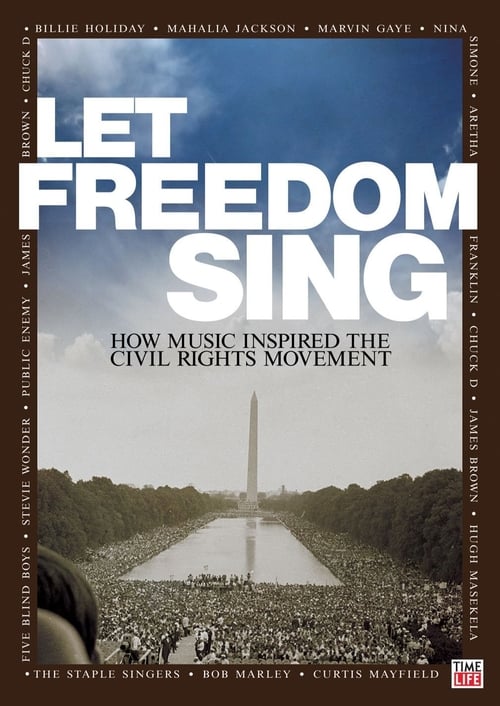
From the Civil Rights era to Watergate, the most striking moments in 20th-century American history were accompanied by music that reflected those turbulent times. Revisit the sounds of Pete Seeger and others in this musical history lesson.

A portrait of social activist and former Georgia legislator Julian Bond
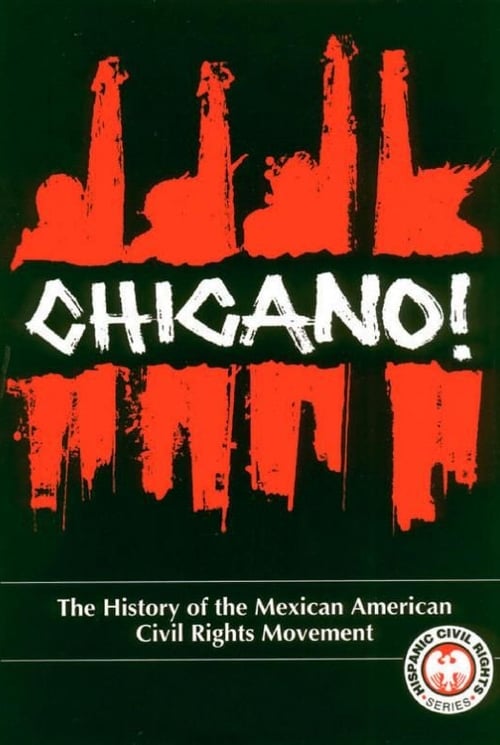
PBS doc series about the Chicano Civil Rights Movement.
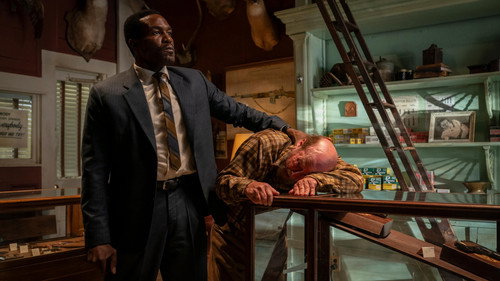
In 1960s Mississippi, a young Black FBI agent is forced to partner with a notorious mafia hitman to investigate a wave of brutal civil rights murders.
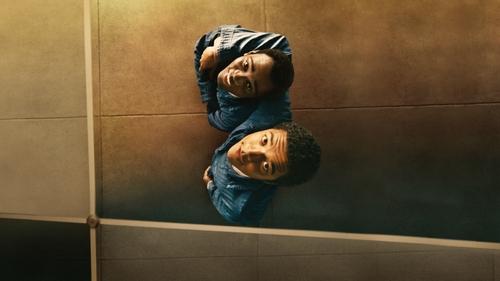
Chronicles the powerful friendship between two young Black teenagers navigating the harrowing trials of reform school together in Florida.
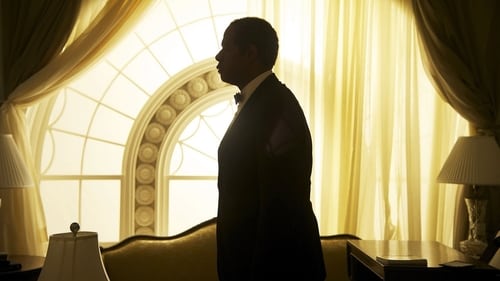
Cecil Gaines was a sharecropper's son who grew up in the 1920s as a domestic servant for the white family who casually destroyed his. Eventually striking out on his own, Cecil becomes a hotel valet of such efficiency and discreteness in the 1950s that he becomes a butler in the White House itself. There, Cecil would serve numerous US Presidents over the decades as a passive witness of history with the American Civil Rights Movement gaining momentum even as his family has troubles of its own. As his wife, Gloria, struggles with alcoholism and his defiant eldest son, Louis, strives for a just world, Cecil must decide whether he should take action in his own way.
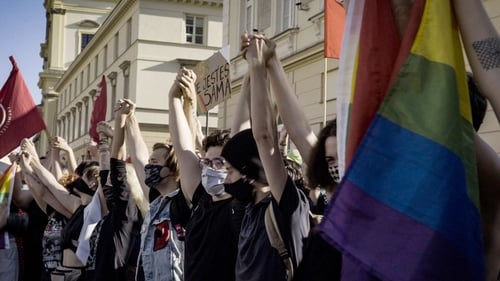
The young generation sees their future at risk. They rebel against a lifestyle that threatens to destroy the world. The corona crisis also highlighted the deficits of our globalized economy and society. Does this crisis hold a chance for change for the better? The film draws a picture of the mood of the young generation and goes on a search for traces of ideas and concepts for a world after Corona in France, Germany and Poland. What is really important for young Europeans and how do they assess their future prospects? What scares them and what makes them hope? And who stands in their way and brakes? The TV presenter Aline Abboud meets young activists and artists for this, but she also listens to the opposing voices. Especially in Poland the youth are deeply divided, more and more are getting involved in conservative or nationalist right-wing organizations, while the country is slowly drifting into an anti-democratic dictatorship.
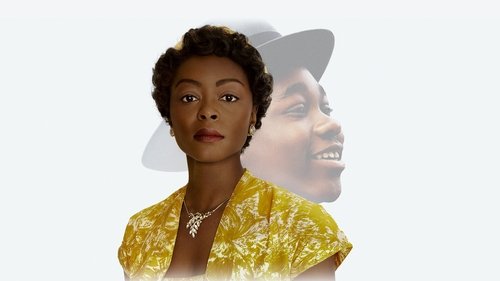
The true story of Mamie Till Mobley's relentless pursuit of justice for her 14-year-old son, Emmett Till, who, in 1955, was lynched while visiting his cousins in Mississippi.
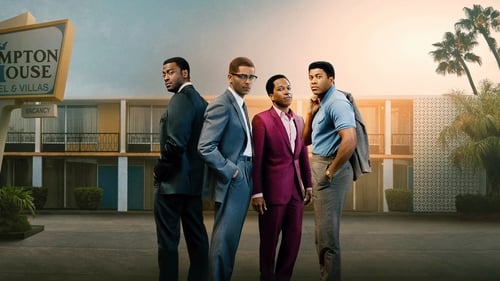
In the aftermath of Cassius Clay's defeat of Sonny Liston in 1964, the boxer meets with Malcolm X, Sam Cooke and Jim Brown to change the course of history in the segregated South.
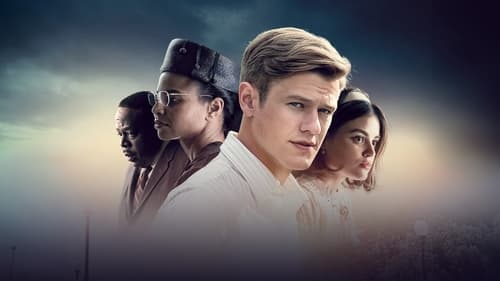
In civil rights era Montgomery, Alabama, Klansman's grandson Bob Zellner must choose which side of history to be on during the Movement. Defying his family and white Southern norms, he fought against social injustice, repression and violence to change the world around him
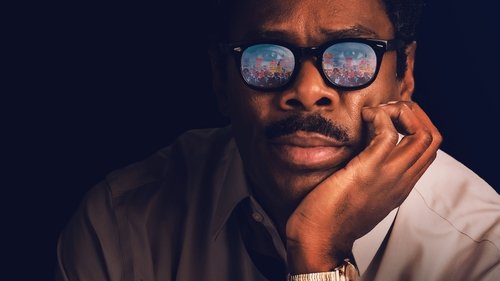
Activist Bayard Rustin faces racism and homophobia as he helps change the course of Civil Rights history by orchestrating the 1963 March on Washington.
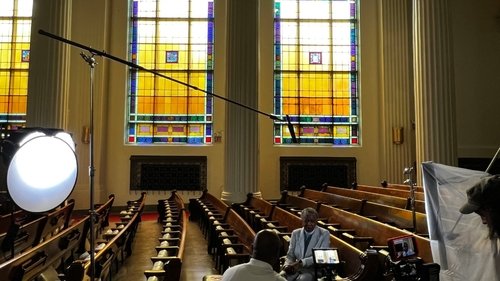
Born into poverty in Panama, Cirilo McSween’s journey is one of defiance, resilience, and triumph over systemic barriers. Against the backdrop of Jim Crow America, he confronts racism while pursuing the American Dream. From his arrival in the U.S. as an ambitious immigrant to his rise as a trailblazing entrepreneur and civil rights activist, McSween’s life stands as a testament to determination and community. Through tireless advocacy for equality and opportunity, he helped shape both Panama’s identity and Chicago’s civil rights movement. A confidant of Dr. Martin Luther King Jr., a pioneering insurance executive, and a philanthropist empowering underserved communities, McSween’s story bridges nations and generations. CIRILO, A Legacy Untold illuminates a transformative figure whose legacy continues to inspire across the Americas.
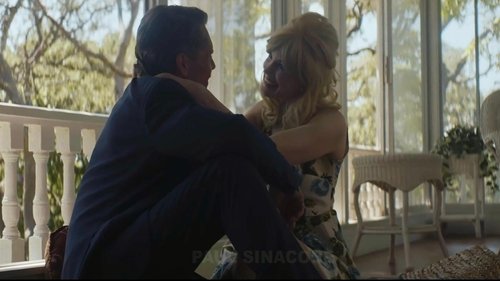
During the conspiracy fueled civil rights movement of 1964, artist and political socialite Mary Pinchot Meyer is mysteriously murdered.
Documentary about the murder of Vincent Chin in 1982 and the aftermath. The documentary also explores the modern Asian-American identity when so few Asian-American youths are aware of who Vincent Chin is.
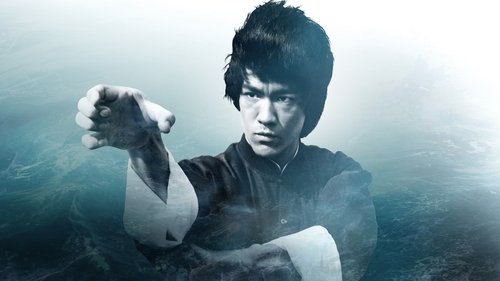
In 1971, after being rejected by Hollywood, Bruce Lee returned to his parents’ homeland of Hong Kong to complete four iconic films. Charting his struggles between two worlds, this portrait explores questions of identity and representation through the use of rare archival footage, interviews with loved ones and Bruce’s own writings.
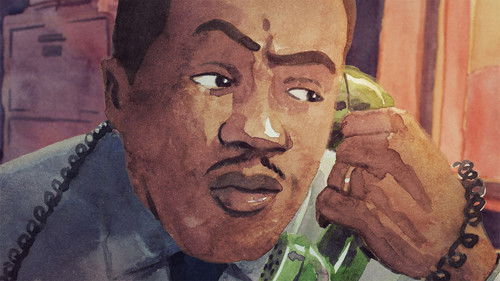
Now 93, Martin Luther King Jr.’s lawyer and speechwriter reflects on the personal cost and surprising truths of making history, offering an intimate insider’s view of the Civil Rights Movement.
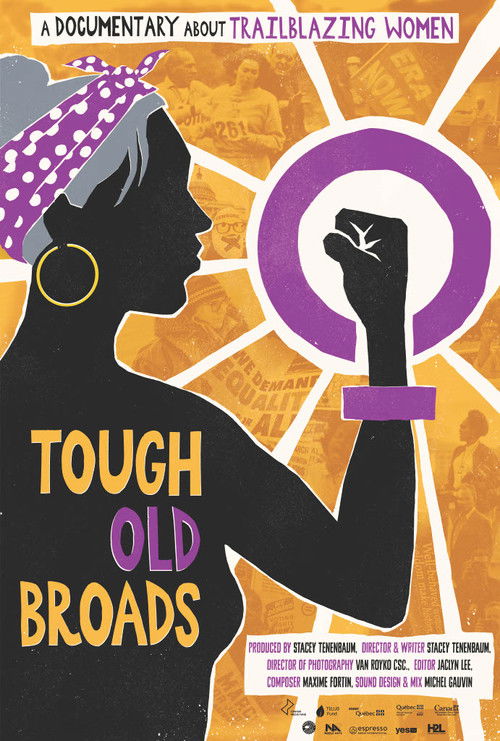
Kathrine Switzer, Siila Watt-Cloutier, and Sharon Farmer. They are the first woman to run the Boston Marathon officially, the first woman to connect climate change to human rights, and the first woman to serve as Chief White House Photographer. These trailblazing women broke barriers in their time and continue to pursue their passions to this day. They’re living proof that you can follow your dreams and maybe change the world in the process.
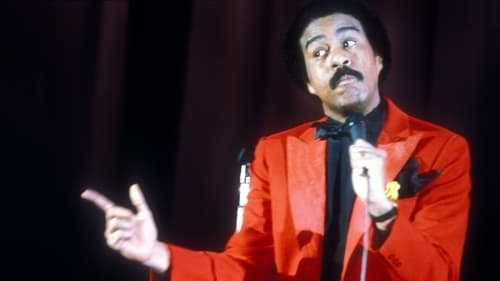
The life story of Richard Pryor (1940-2005), the legendary performer and iconic social satirist who transcended racial and social barriers with his honest, irreverent and biting humor.
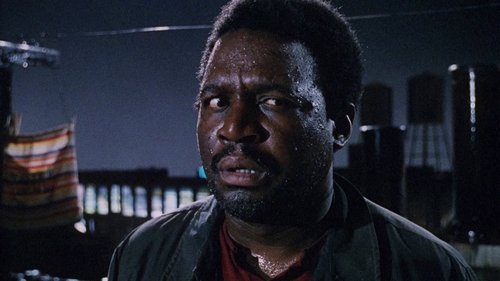
Set against the backdrop of a community mourning the recent MLK assassination, Black militants building up an arsenal of weapons in preparation for a race war are betrayed by one of their own.
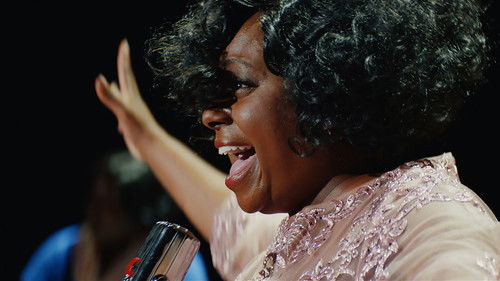
Follows the successful career of Jackson as well as her unique friendship and devotion to Martin Luther King Jr. and her unsung contribution to the Civil Rights Movement.
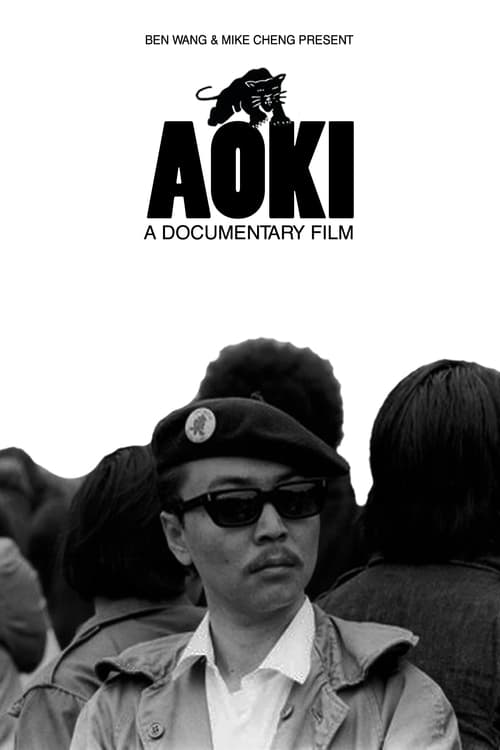
A film documenting the life of Richard Aoki, a Japanese-American activist and founding member of the Black Panther Party.
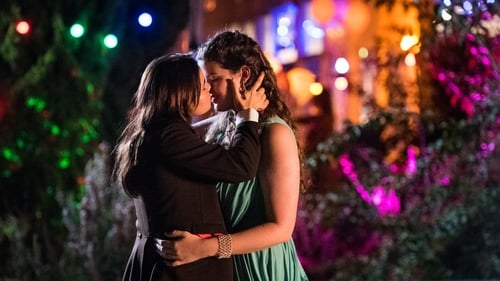
School captain Ellie is seriously crushing on her rebellious classmate Abbie. Determined to ask her first love to the year 12 formal, Ellie devises a plan to go public with the invitation but before she can go through with it, her dead aunt Tara reappears from beyond the grave. Believing she's been brought back from the dead to be Ellie's fairy godmother, Tara dishes out unwanted dating advice based on her life as an out lesbian in the '80s.
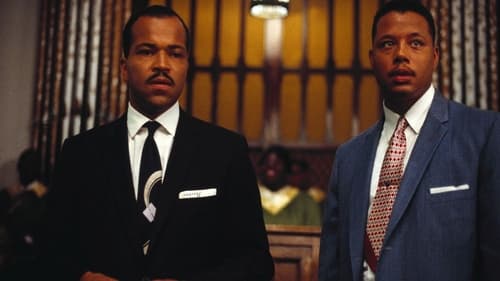
This made-for-TV movie dramatizes the historic boycott of public buses in the 1950s, led by civil rights leader Dr. Martin Luther King, Jr.