
Action
Adventure
Animation
Comedy
Crime
Documentary
Drama
Family
Fantasy
History
Horror
Music
Mystery
Romance
Science Fiction
Thriller
War
Western
Found 65 movies, 32 TV shows, and 20 people
Can't find what you're looking for?
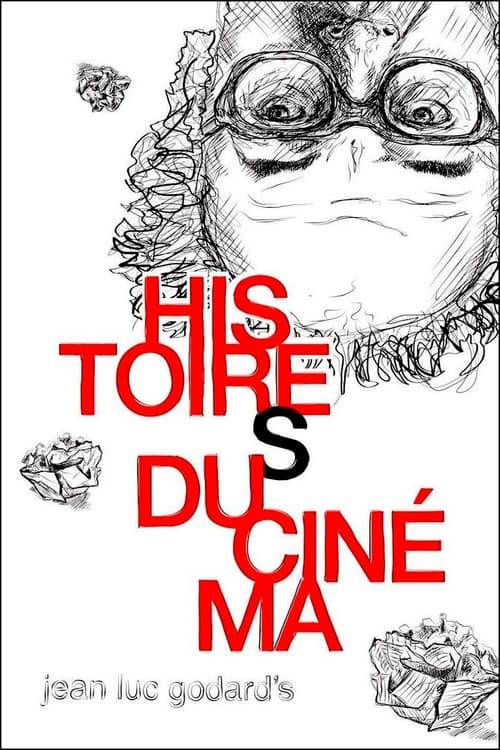
A very personal look at the history of cinema directed, written and edited by Jean-Luc Godard in his Swiss residence in Rolle for ten years (1988-98); a monumental collage, constructed from film fragments, texts and quotations, photos and paintings, music and sound, and diverse readings; a critical, beautiful and melancholic vision of cinematographic art.
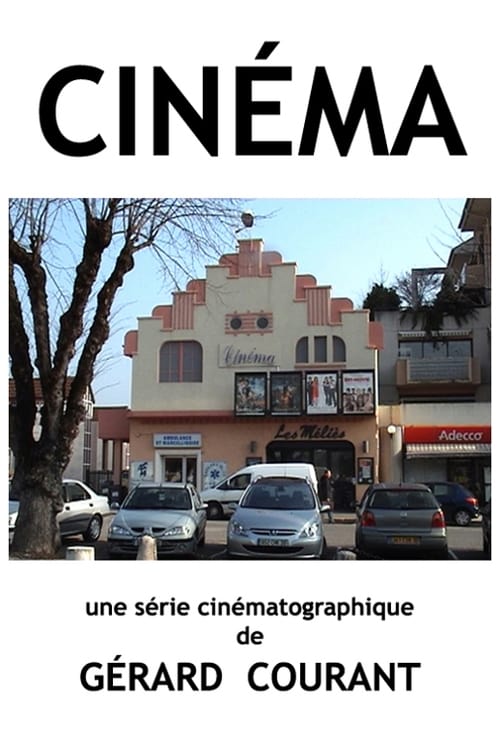
An ongoing collection of single static shot, mute, showing a view of the cinema facades where Cinematons have been screened.

No description available for this movie.
Scenes from real life come together as a piece of cinematographic sonata. We see people in moments of joy, pray, contemplation and work. An reunion of life fragments to compose a film about human feelings and actions.
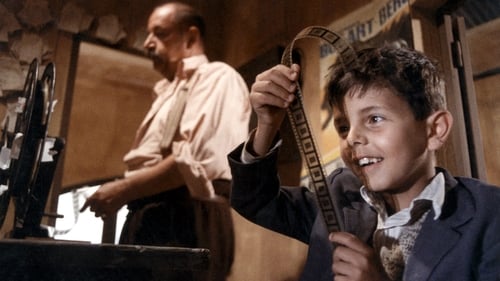
A filmmaker recalls his childhood, when he fell in love with the movies at his village's theater and formed a deep friendship with the theater's projectionist.

After a heartbreak, Ruby sets out to make a film. In the process of producing it, she faces tensions between past and present emotions, intertwining the fate of her film and the love story that has begun to bloom between her and her actress Violet.
No description available for this movie.
No description available for this movie.

Grumpy adolescent Nora babysits her enthusiastic brother Quinten by going to a children's film in the cinema. But the session goes differently than expected.
A lesson in conciseness, expressiveness, and humor on the inexhaustible theme of the dream of making movies. A parodic lesson, a Brazilian version of historical scenes filmed by the Lumiére brothers in 1895—the baby, the bath in the garden, the workers leaving, and the arrival of the train. The melodrama of a couple of lovers through time and the history of cinema. Many sequence shots, as preferred and taught by Cinema Novo. Everything about a film being made and being watched. The language of cinema (shot, reverse shot, tracking shot, editing, mixing, dubbing, etc.), interspersed with quotes from Humberto Mauro, Godard, Glauber Rocha, and Rossellini.
No description available for this movie.
A maths teacher acquires the power to travel into movies to save the woman of his dreams and bring her back to her correct film.
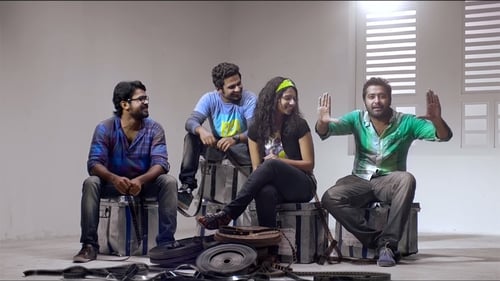
Four intimate friends who dream to make a film. Plot The film traces the journey of four friends as they strive to give life to their dream cinema. And how their lives are upturned as the cinema becomes their life.
Through conversations held with fifty four of the most distinguished cinematographers working in Brazil and abroad over the last forty years, the documentary explores the working environment, the new tools and the different styles of the professional who controls the light and the shades behind the camera.
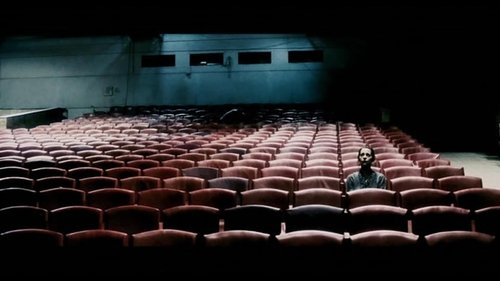
Commissioned to mark the 60th anniversary of the Cannes Film Festival, "To Each His Own Cinema" brought together 33 of the world's pre-eminent filmmakers to produce short pieces exploring the multifarious facets of cinema and their perspective on the state of their chosen artform in the early 21st century.
A very personal look at the history of cinema directed, written and edited by Jean-Luc Godard in his Swiss residence in Rolle for ten years (1988-98); a monumental collage, constructed from film fragments, texts and quotations, photos and paintings, music and sound, and diverse readings; a critical, beautiful and melancholic vision of cinematographic art.
Part 6 of Godard's 8 part examination of the history of the concept of cinema and how it relates to the 20th century
An essay film on the editing of erotic movies.
Jean-Luc Godard is synonymous with cinema. With the release of Breathless in 1960, he established himself overnight as a cinematic rebel and symbol for the era's progressive and anti-war youth. Sixty-two years and 140 films later, Godard is among the most renowned artists of all time, taught in every film school yet still shrouded in mystery. One of the founders of the French New Wave, political agitator, revolutionary misanthrope, film theorist and critic, the list of his descriptors goes on and on. Godard Cinema offers an opportunity for film lovers to look back at his career and the subjects and themes that obsessed him, while paying tribute to the ineffable essence of the most revered French director of all time.
France, 1974. The erotic film Emmanuelle, directed by Just Jaeckin, breaks all records for cinema attendance: the story of the creation of a sensual epic that marked a turning point in the struggle for sexual emancipation.

Born in Berlin in 1896, Lotte Eisner became famous for her passionate involvement in the world of both German and French cinema. In 1936, together with Henri Langlois, she founded the Cinémathèque Française with the goal of saving from destruction films, costumes, sets, posters, and other treasures of the 7th Art. A Jew exiled in Paris, she became a pillar of the capital's cultural scene, where she promoted German cinema.
The greatness, fall and renaissance of Hammer, the flagship company of British popular cinema, mainly from 1955 to 1968. Tortured women and sadistic monsters populated oppressive scenarios in provocative productions that shocked censorship and disgusted critics but fascinated the public. Movies in which horror was shown in offensive colors: dreadful stories, told without prejudices, that offered fear, blood, sex and stunning performances.
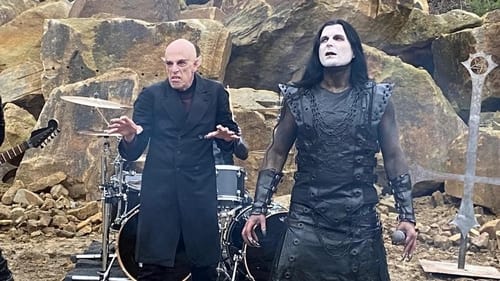
From Murnau to Herzog, and until modern incarnations, a mischievous exploration of a cinematographic legendary character, with Nosferatu himself as a guide...
On February 26, 1920, Robert Wiene's world-famous film The Cabinet of Dr. Caligari premiered at the Marmorhaus in Berlin. To this day, it is considered a manifesto of German expressionism; a legend of cinema and a key work to understand the nature of the Weimar Republic and the constant political turmoil in which a divided society lived after the end of the First World War.
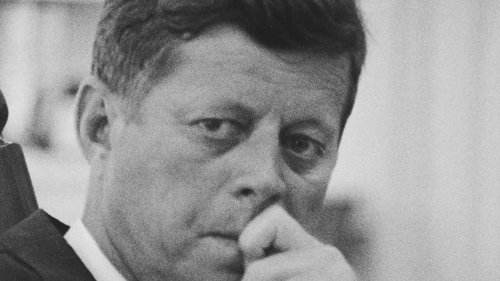
During a two-day period before and after the University of Alabama integration crisis, the film uses five camera crews to follow President John F. Kennedy, attorney general Robert F. Kennedy, Alabama governor George Wallace, deputy attorney general Nicholas Katzenbach and the students Vivian Malone and James Hood. As Wallace has promised to personally block the two black students from enrolling in the university, the JFK administration discusses the best way to react to it, without rousing the crowd or making Wallace a martyr for the segregationist cause. Preserved by the Academy Film Archive in partnership with The Film Foundation in 1999.
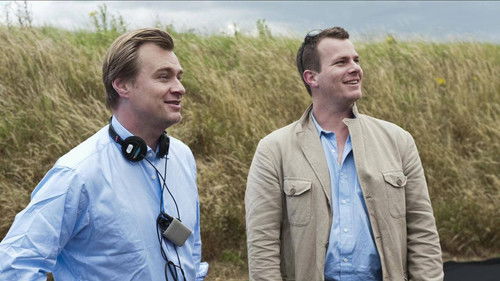
This feature-length documentary delves into the trilogy, opening with the inspiration and vision for the new Batman films and inching its way toward the Rises finale and the culmination of nearly a decade of creative blood, sweat and tears. Candid, thoughtful and extensive, and comprised of revealing behind-the-scenes footage, countless interviews, audition tapes (with Christian Bale and Cillian Murphy doning the cape and cowl), and a narrative grip and momentum all its own, it leaves no stone unturned.

A very personal look at the history of cinema directed, written and edited by Jean-Luc Godard in his Swiss residence in Rolle for ten years (1988-98); a monumental collage, constructed from film fragments, texts and quotations, photos and paintings, music and sound, and diverse readings; a critical, beautiful and melancholic vision of cinematographic art. (Abridged version of the original collection of eight short films).
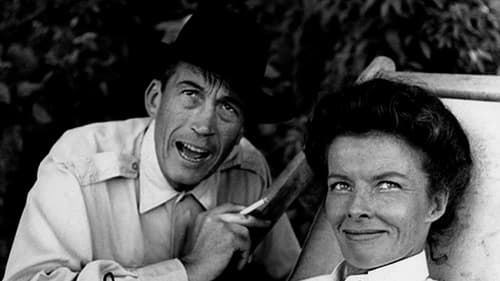
The epic story of how the film The African Queen (1951), directed by John Huston and starring Humphrey Bogart and Katharine Hepburn, was shot on real African locations, barely overcoming all kinds of hardships and disasters.
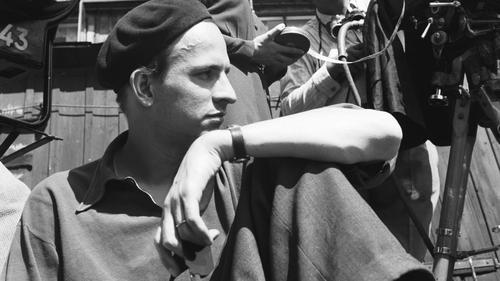
The year 1957 was one of the most prolific for the Swedish filmmaker Ingmar Bergman: he shot two films, released two of his most celebrated films and produced four plays and a TV movie while juggling with a complicated private life.

In the mid-1950s, Dickson Hughes and Richard Stapley, young composers and romantic partners, are hired by legendary silent film star Gloria Swanson to write a musical based on her film Sunset Boulevard, directed by Billy Wilder in 1950.
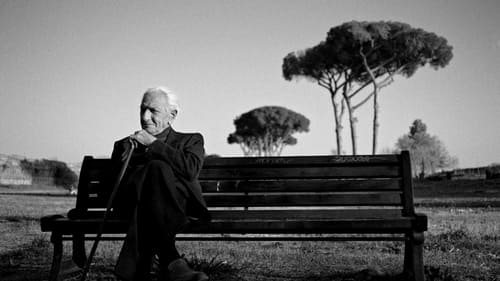
The life of the legendary Italian photojournalist Paolo Di Paolo through his photographs, which capture the essence of a fascinating and turbulent Italy, the one inhabited by Anna Magnani and Pier Paolo Pasolini, a country that no longer exists.
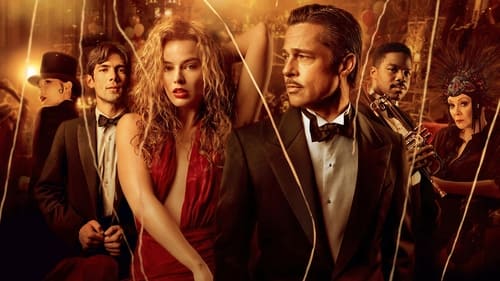
A tale of outsized ambition and outrageous excess, tracing the rise and fall of multiple characters in an era of unbridled decadence and depravity during Hollywood's transition from silent films to sound films in the late 1920s.
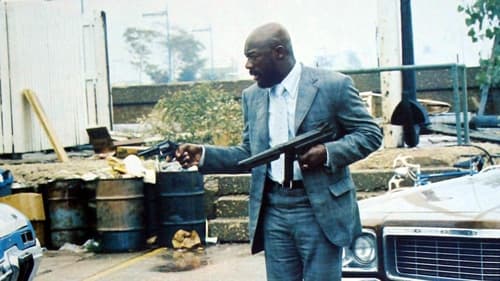
Isaac Hayes plays as Lee in his feature film debut, as Father Charlie and himself solve a bank robbery mystery that stretches across the city. After Lee is removed from the force due to $1,000,000 being stolen from the bank Father Charlie helps him to gain revenge for the loss of one of his friends.
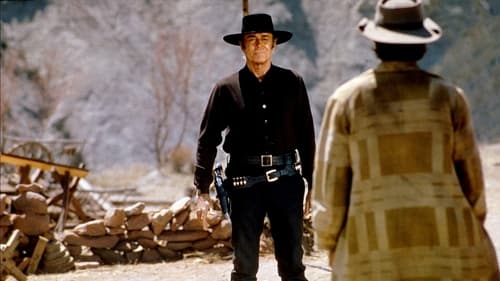
Third part of a three-part documentary series on the making of Once Upon a Time in the West, Italian filmmaker Sergio Leone's masterpiece, released in 1968. (Preceded by The Wages of Sin.)
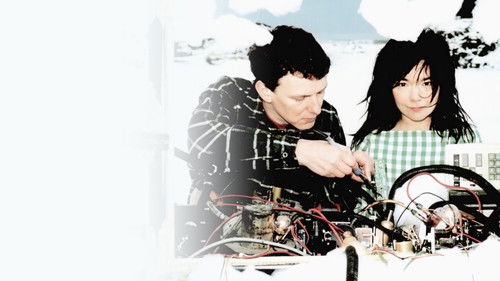
A portrait of French filmmaker Michel Gondry, creator, for three decades, of an imperfect, astonishing, fascinating, damaged and poetic work.
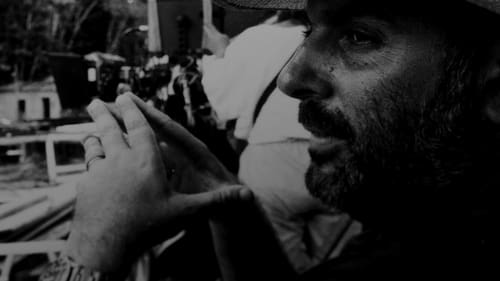
Besieged by cancer and nearing the end, the genius Argentine-Brazilian filmmaker Héctor Babenco (1946-2016) asks Bárbara Paz, his wife, for one last wish: to be the protagonist of his own death.
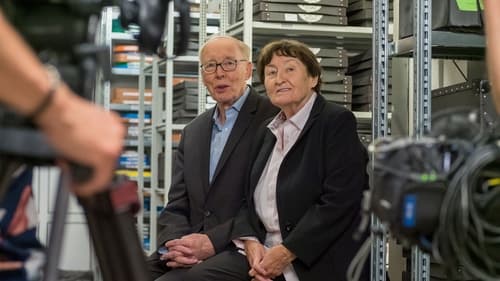
From the 1950s onwards, Erika and Ulrich Gregor brought countless film historical milestones to Berlin and shaped cinema discourse in post-war Germany. A look at the life and work of the couple without whom Arsenal and the Forum wouldn’t exist.
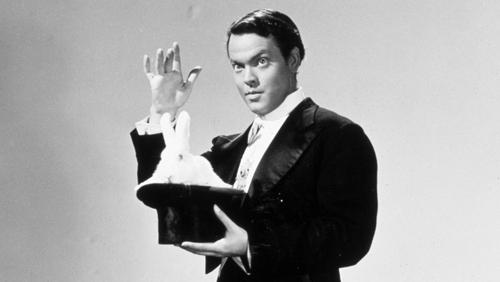
The extraordinary life of Orson Welles (1915-85), an enigma of Hollywood, an irreducible independent creator: a musical prodigy, an excellent painter, a master of theater and radio, a modern Shakespeare, a magician who was always searching for a new trick to surprise his audience, a romantic and legendary figure who lived only for cinema.
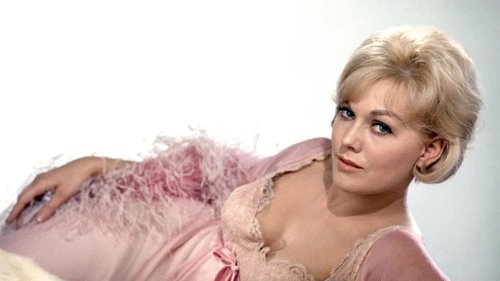
Kim Novak never dreamed on being a star, but she became one. Most famous for her enigmatic performance in Hitchcock’s Vertigo (1958), the Chicago-born actress never quite fitted into the Hollywood mould and wanted to do things her own way.
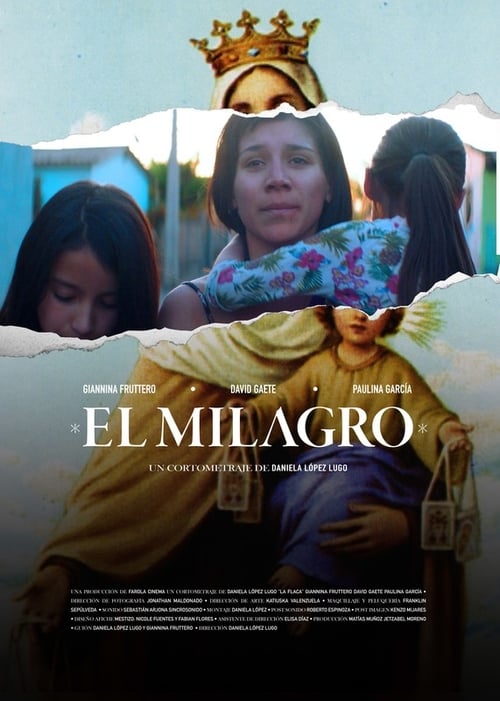
La Flaca is a young woman who lives with her two daughters in the house of the religious family of her partner David. As she thinks David is hiding a secret from her, she decides to confront him.
A deep dive into Glauber Rocha's years exiled in Italy in the 70s. Through a collection of interviews and archives, the movie shows the making of his film Claro (1975) and his relation with European auteurs in their filmic and political views.
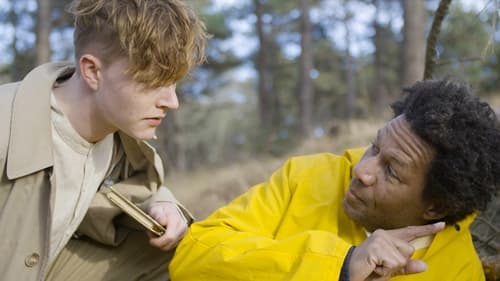
In search of inspiration, a young poet finds himself alone in his room. Waiting for a new day to arrive. He meets an experienced fisherman who brings him on a quest through nature, to find beauty and guidance in their surroundings.
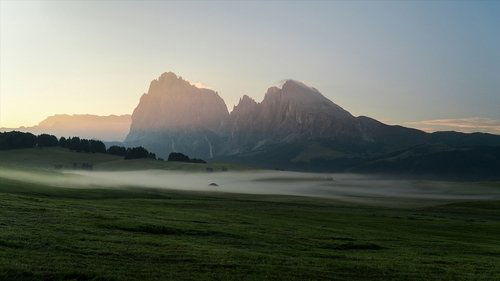
Mountains seem to answer an increasing need in the West. More and more people are discovering a desire for them. Following two different people living in the Italian Dolomites, this documentary explores what it means to live with nature.
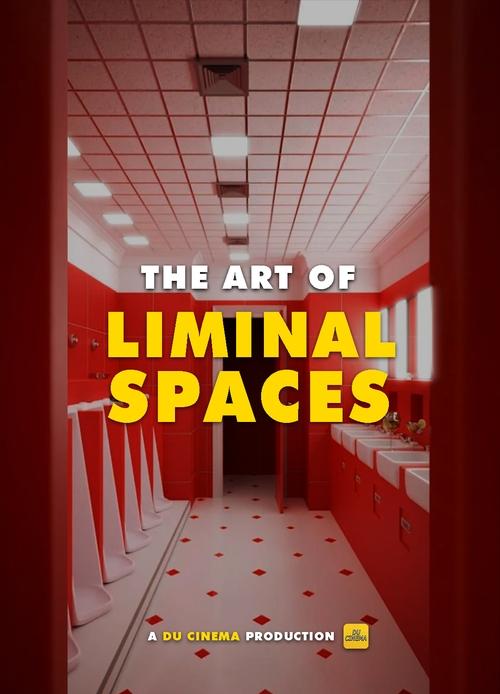
Liminal Spaces are the subject of a modern internet aesthetic portraying empty or abandoned places that appear eerie, forlorn, and often surreal. Directors such as Stanley Kubrick, Andrei Tarkovsky and David Lynch had mastered the art of liminal spaces, long before it became an internet aesthetic. This documentary aims to explore and demystify the strangely familiar world of liminal spaces.
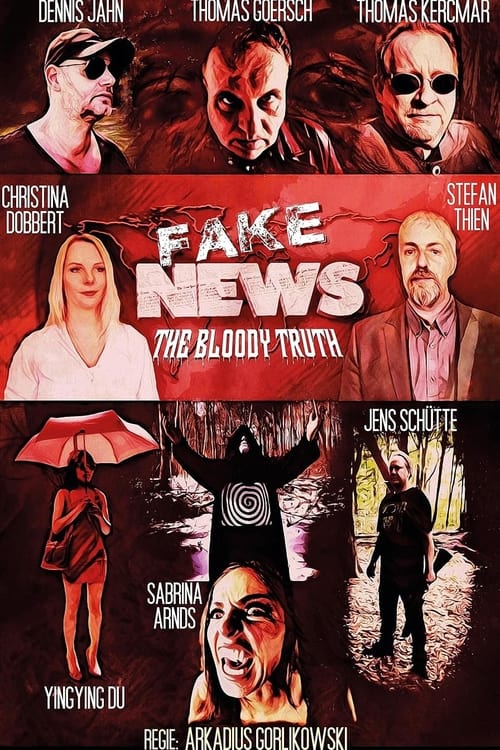
Stefan, Davina and John work for Channel 4 News. It's no ordinary news program, because it deals with topics that no other station dares to report on. Who else would bring news about aliens, werewolves, zombies and vampires? Channel 4 news
In a small town, three men meet after 15 years for a wedding and, instead of attending the ceremony, they go to a bar and start remembering the past, along with their sexual adventures.
A man finds a whistle bearing a mysterious Latin inscription, which, when blown, awakens horrors beyond human understanding. A decade before the BBC's version of M.R. James's supernatural classic came this chilling silent version from the amateur North Downs Cinematograph Society.

Fragments from Brussels, about the flow of the city, A cinema, A body, A film, and a wind that blows through the town. The film is a Schizomentry experience that blends real stories and fiction. After all, where is the border?
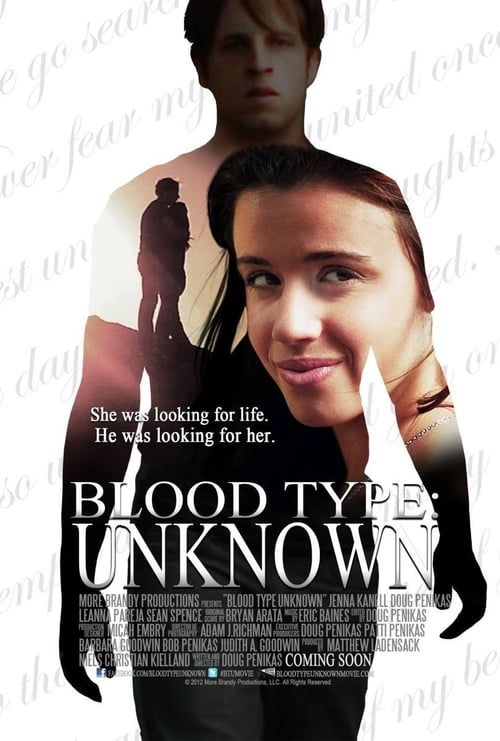
A drama about love, secrets, and acceptance Blood Type: Unknown follows wannabe novelist Caitlyn Landale on her journey to embracing her dreams. Wondering if life is not as exciting or magical as her stories, her views are forever altered when she meets the bitter-viewed Adam Godfrey. But when her feelings for the mysterious Adam Godfrey grow unconditionally strong she soon finds herself captured in a four centuries old secret that she never expected.
Captain Buchholz has been studying soil hardness, earth's gravitational pull, and the consistency of tree trunks and root systems for years. Since 1962, he has been weighing the earth and collecting samples. And he has noticed that the weight changes from year to year. The earth is becoming lighter and the soil looser. Stones that Buchholz throws to the ground take longer to land than they used to. Flying insects are no longer able to be held on the ground by the gravitational pull of the earth. He sets off and secures trees.
Admittedly, a cinema seat is more uncomfortable than a bar stool. In a row of cinema seats, a viewer sits with their back to the camera and waits for the film to start. They turn around, see the viewer, and start telling a story...
A chair on which a person wearing asbestos cloth has taken a seat is set on fire and then extinguished by firefighters standing by. At the same time, a film that ironically refers to filmmaking.
A historical account of the succession of repressive and murderous governments that have plagued Guatemala, targeting the indigenous and peasant classes. This was accompanied and participated in by the United States. Beginning with the 1954 coup against President Jacobo Ardenz, and continuing through the rise of guerrilla movements as a response to this oppression.
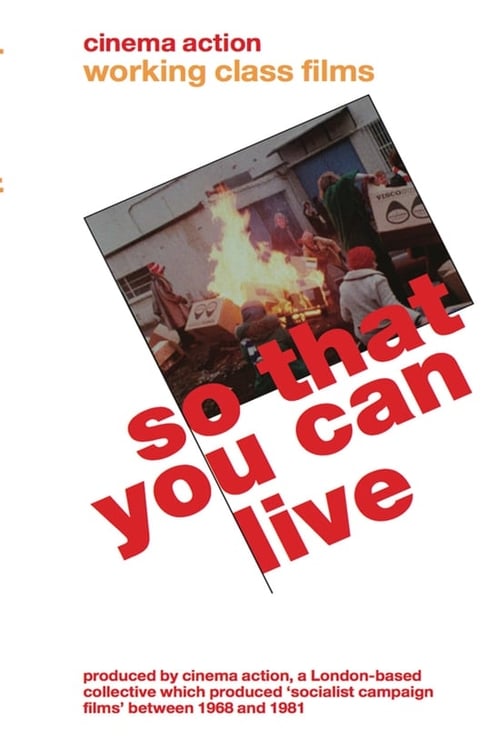
Documentary examining what it means to live in South Wales, made in collaboration with and focusing on the lives of the Butts family. Explores the effects of complex historical forces on industry, family, work, education and learning.
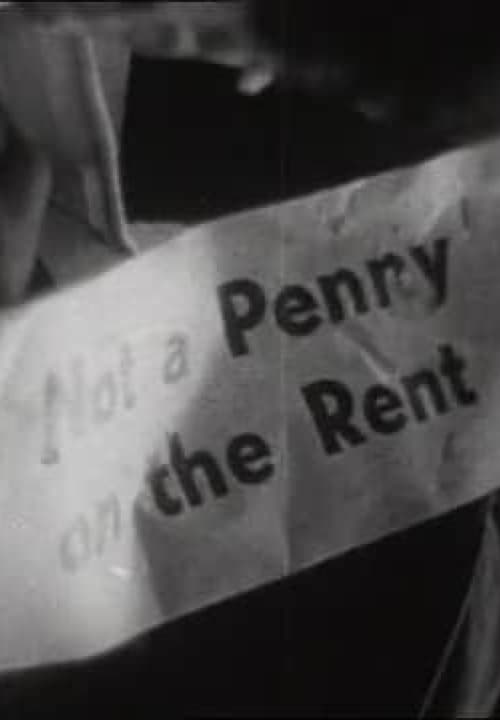
A campaign film against GLC attempts to raise council rents. Includes: footage of tenants’ demonstrations; tenants’ meetings at which report-backs are given on the proportion of tenants in various areas withholding rents in protest; burning effigy of Horace Cutler, Tory leader of GLC; T&GWU support for tenants’ demonstration, under pressure from membership (porters).
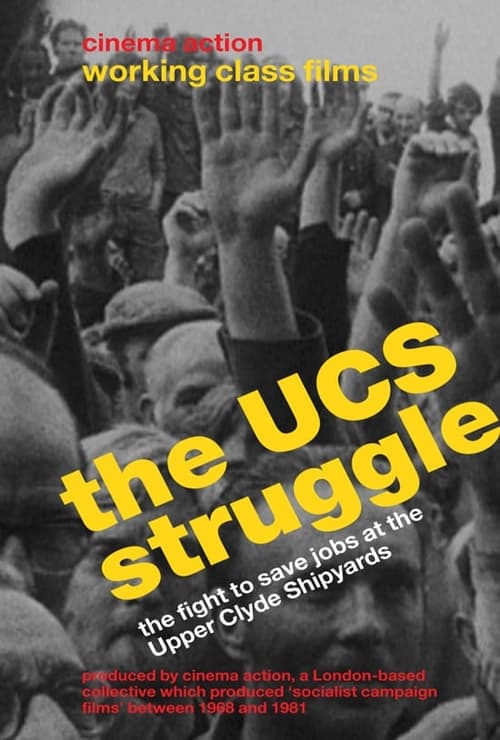
The UCS struggle is a campaign film supporting the fight to retain their jobs by the workers at Upper Clyde Shipyards who developed a new weapon for waging this fight – the occupation and the work-in. The film was screened at the time at meetings attended overall by 25,000 workers. It includes a speech by Jimmy Reid.
No description available for this movie.
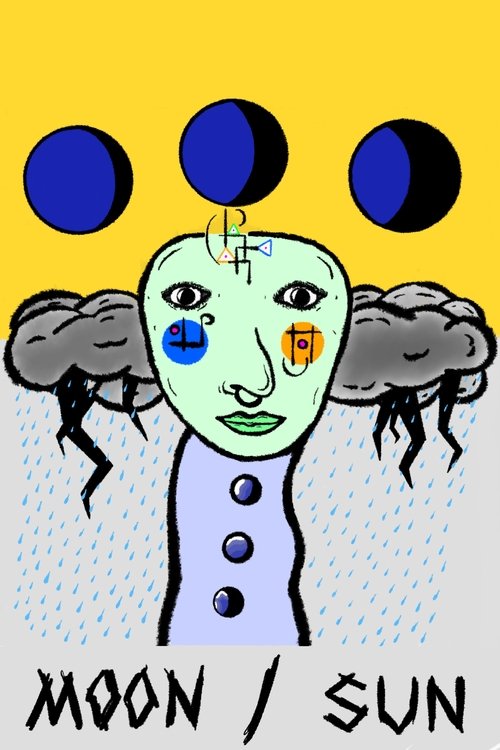
Moon spirit worships the moon. Sun spirit worships the sun.

A number of villagers want to go to the city hospital to visit the alderman but some events impede them to get there.

"Fly too high and you will burn, go too low and you won't breathe." A 7 day vlog during the summer of 2023, a story of dreamers and drowners.

Revolves around two married couples entangled in a complex web where trust is eroded, shocking betrayals are revealed and lives spiral into an intricate web of intrigue.

Keyvan Eftekhari, a former theater actor, is a serial killer who uses his acting power to attract his victims, now we see his third murder.
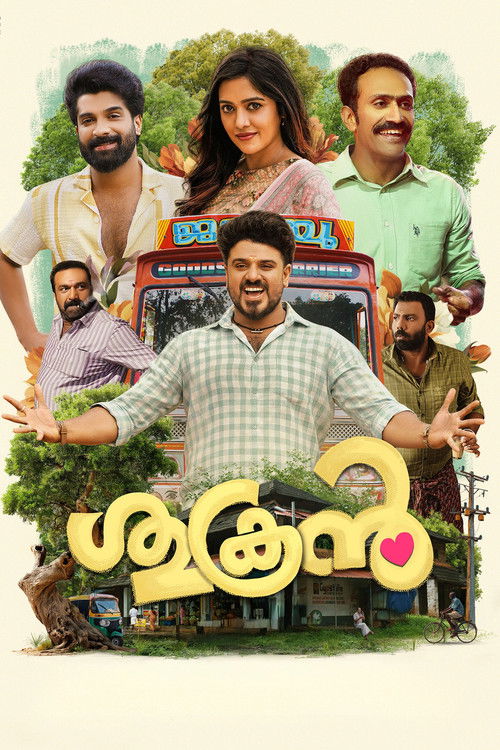
A man's daily life crumbles from money troubles and stress. With fewer options, he must act now to survive. Every choice has a price.
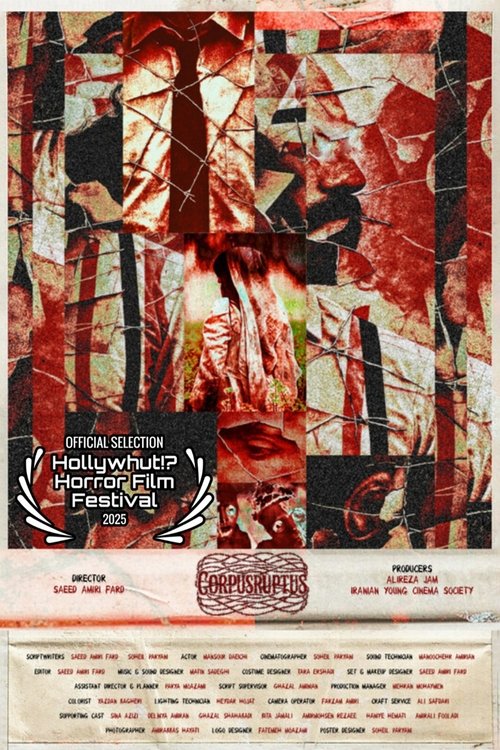
A horror short film.
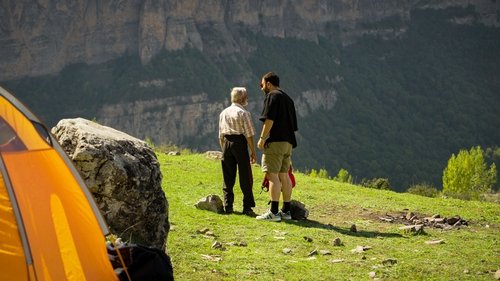
“A minor accident sets two men on a collision course, where justice leads to temptation and moral peril.”