
Action
Adventure
Animation
Comedy
Crime
Documentary
Drama
Family
Fantasy
History
Horror
Music
Mystery
Romance
Science Fiction
Thriller
War
Western
Found 8 movies, 4 TV shows, and 0 people
Can't find what you're looking for?

Roberto Soto is a renowned Spanish science fiction screenwriter. He has won a Goya award and his screenplays are internationally acknowledged. However, his producer is tired of science fiction and believes that, in Spain, he has to write films of different genres, something more intellectual and existential: social dramas, enriching values, philosophy, etc. With these arguments, the producer demands him a screenplay that has nothing to do with science fiction. As a result, Roberto has to decide whether to write what he's good at and was born for, or to do what he has been told. Roberto is forced into resigning and doing what he is paid to do: he locks himself in the living room with his typewriter in order to write a screenplay according to what is expected, with the urgency of the producer's visit, who wants to check up on his work. That same day, Luis, Roberto's best friend also turns up at his house, with an idea for a film about mutant octopuses, convinced Roberto can make ...
Three science fiction short stories.

The 1950s were a time marked by an idealistic feeling. The atomic age, with its promise to save humanity, revolutionized the world, technologically, socially and politically. All these factors gave birth to one of the most prolific film genres in the history of cinema: science fiction, which delighted the audience. Only a few years later, these same spectators saw on their television screens how the Russians launched the Sputnik into space.
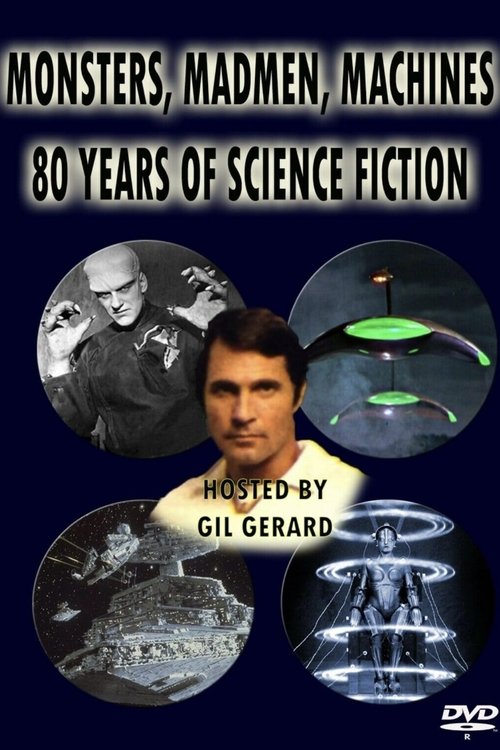
Retrospective on science fiction and fantasy films from early efforts like George Melies' "A Trip to the Moon" (1902) to George Lucas' "Star Wars" (1977).
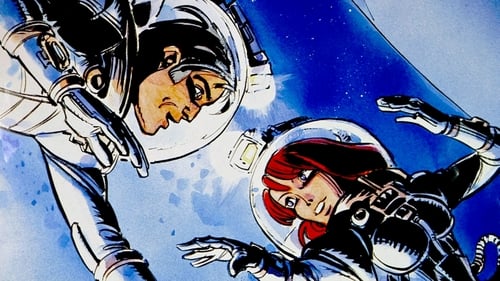
From 1957 —the year in which the Soviets put the Sputnik 1 satellite into orbit— to 1969 —when American astronaut Neil Armstrong walked on the surface of the moon—, the beginnings of the space conquest were depicted in popular culture: cinema, television, comics and literature of the time contain numerous references to an imagined future.

Ridley Scott's cult film Blade Runner, based on a novel by Philip K. Dick and released in 1982, is one of the most influential science fiction films ever made. Its depiction of Los Angeles in the year 2019 is oppressively prophetic: climate catastrophe, increasing public surveillance, powerful monopolistic corporations, highly evolved artificial intelligence; a fantastic vision of the future world that has become a frightening reality.
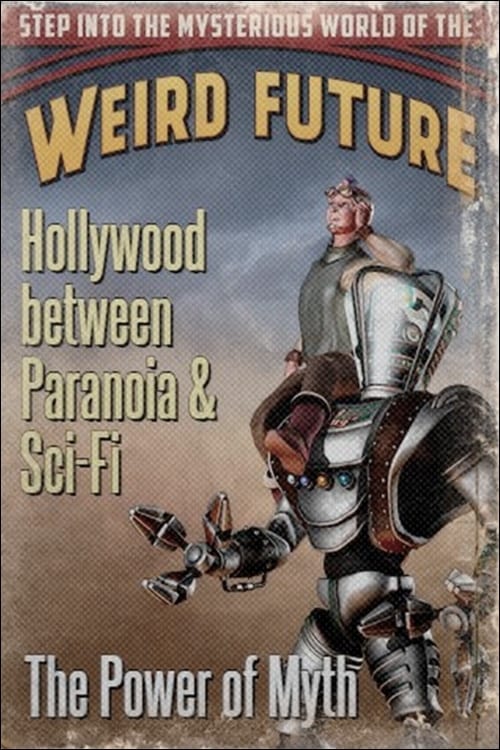
Gives insight into the creators mindset and how they culled from real life events to create some of the biggest sci-fi films of all time.

Directors Stephen Spielberg, George Lucas, Ridley Scott and James Cameron discuss the science fiction movies of the 1950s that influenced them.