
Action
Adventure
Animation
Comedy
Crime
Documentary
Drama
Family
Fantasy
History
Horror
Music
Mystery
Romance
Science Fiction
Thriller
War
Western
Found 39 movies, 3 TV shows, and 0 people
Can't find what you're looking for?
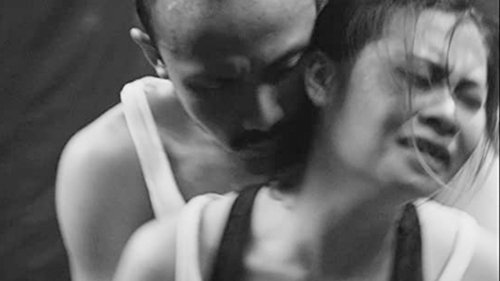
A woman must safe herself and escape from a bizarre black room where she waltz with her biggest fear and trauma. A Choreography of Violence is a short experimental film that tells a story about love gone wrong, domestic violence, and freedom. The story is told through contemporary dance, with no dialogue, for the entirety of the film.

The mechanical production of the camera is articulated through the mechanics of the body. This choreographic journey of a film strip overlays the physicality of the analog filmmaking process and the anatomy of the human body. This is a symbolic study of the mechanical reproduction of light and life through film. The film's final chapter is animating the dance notation motifs of the Leban technique. A unique language for recording the choreographic movement.
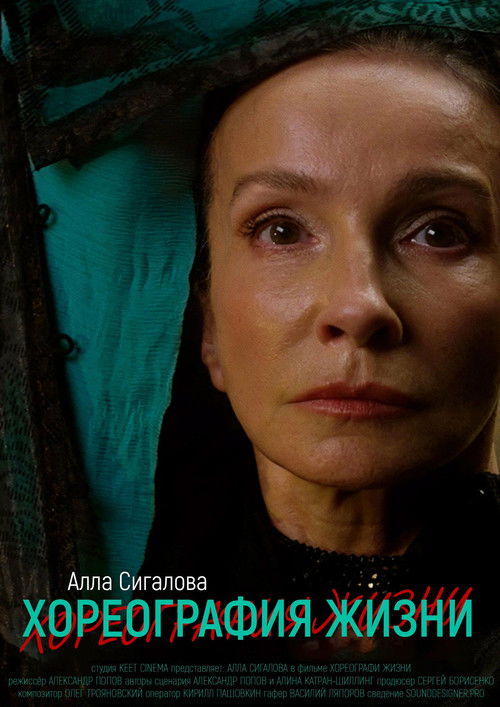
A woman's life can become the embodiment of dance, taking into account her own internal rhythm and needs. For me, of course, dance is life.
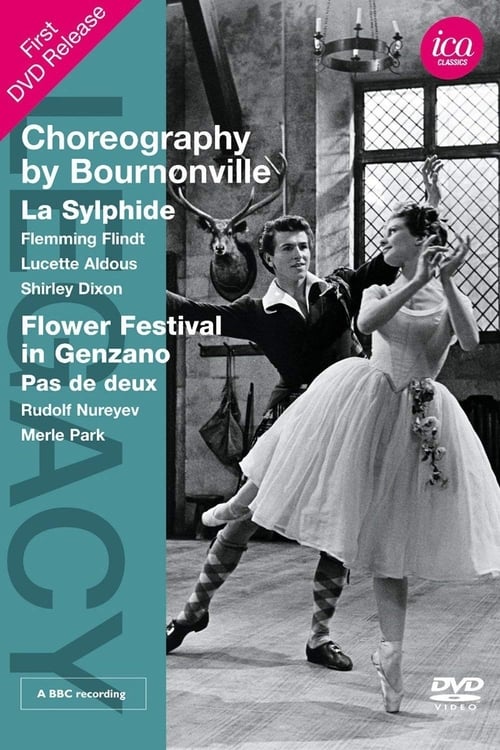
An overview of the Bournonville method through two legendary ballets of the Danish choreographer: The Sylph in its 1936 choreography and the "Pas de deux" extract from The Flower Festival in Genzano composed in 1858: two pearls of the repertoire!

In her work, Brooklyn-based dance artist, choreographer, writer, researcher, and filmmaker, Leslie Cuyjet candidly “aims to conjure life-long questions of identity, confuse and disrupt traditional narratives, and demonstrate the angsty, explosive, sensitive, pioneering excellence of the Black woman.”

The film colorfully interprets familiar city objects through dance. Instead of music there are sounds of construction work, the explosions of firecrackers during the parade, and the noise of cars on the avenue.
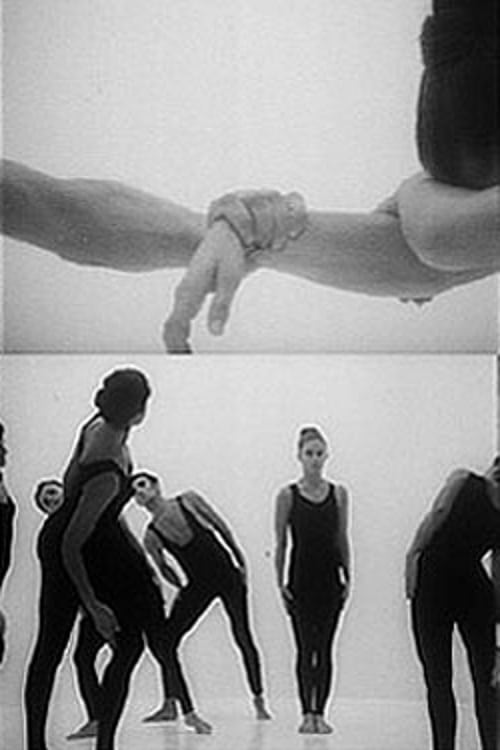
The first experimental dance film from Croatia, which pays homage to the pioneer of experimental and dance film Maya Deren and her "Study in Choreography for Camera" from 1945. The theme of the film is inspired by a composition by Ivo Malec "Miniatures for Lewis Carroll", and the dance is performed by the members of the Studio for Contemporary Dance who, in black suits and white surroundings, seem to float in the space captured by the eye of the camera.
Plot unknown.

Maya Deren’s shortest, two-minute A Study in Choreography for Camera seems like an exercise piece to capture a dancer’s movement on celluloid, which later on developed into her masterpieces such as Ritual in Transfigured Time and Meditation on Violence.
This is a seven-day excerpt of a year-long project in which I recorded my daily sweeping after breakfast. I think of this piece as a collaboration across time with Maya Deren and her film, Study in Choreography for Camera from 1945.
Sequence of images created using a photocopier.
No description available for this movie.

All of the rejected material from MAYA DEREN’s simplest and purest film offers the student of cinema and those interested in MAYA DEREN a vivid lesson in how she constructed a film. When shown together with a completed film it provides a model for economy in editing.
A choreography to cracked linear textural sound. Elements of classical and neoclassical ballet used to choreograph a dancer's movements to jagged lines of sound.
A behind-the-scenes look at how Vincent Paterson creates his dance sequences.
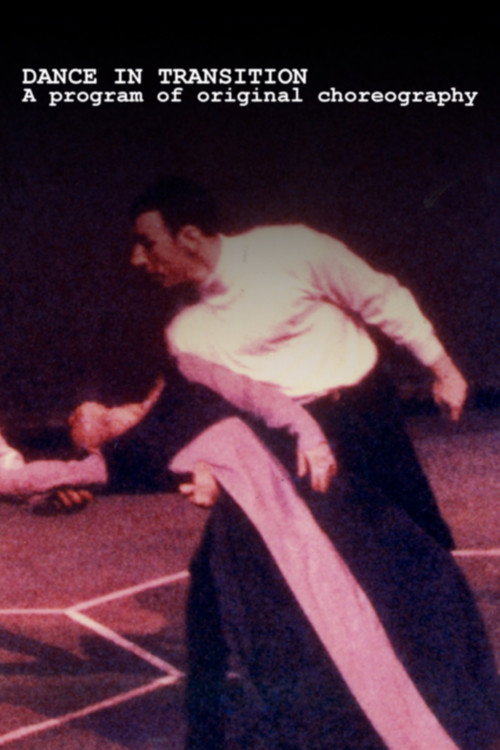
In 1967, Francisco Sagasti, then a young industrial engineering student at Pennsylvania State University, designed and programmed—along with his colleague William Page—a computer program that generated choreographic sequences to be performed by a group of dancers on stage. The computer-generated dance was presented to the public on March 14, 1968, at the Playhouse Theatre of Pennsylvania State University.
No description available for this movie.
No description available for this movie.

In an abandoned city, in the middle of a field left barren by the harvest, on a deserted railway track, travels an autumnal figure transformed by the places she inhabits. First, a playful sprite who wanders the frontier between asphalt and wasteland under a sparrowhawk’s gaze, she changes form as she enters a flat stretch of farmland, now a nomad.Like migrating birds, the exile must make this journey to come back to the self. The meandering ends in the forest. Now a witch, this strange figure peacefully returns to the sand, the river, the plants and the roots.With a calm wildness, amidst the rustling of raven wings, she is absorbed into the earth, finding solace at last.

Two gangsters and the woman they love try to survive the most dangerous night of their lives. As if that wasn’t enough, there’s one wild ingredient added to the mix: a time machine.

The Toro cheerleading squad from Rancho Carne High School in San Diego has got spirit, spunk, sass and a killer routine that's sure to land them the national championship trophy for the sixth year in a row. But for newly-elected team captain Torrance, the Toros' road to total cheer glory takes a shady turn when she discovers that their perfectly-choreographed routines were in fact stolen.
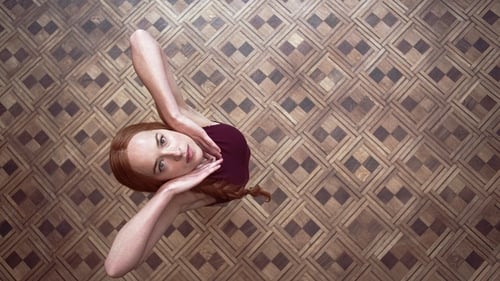
A darkness swirls at the center of a world-renowned dance company, one that will engulf the artistic director, an ambitious young dancer, and a grieving psychotherapist. Some will succumb to the nightmare. Others will finally wake up.

Witness the never-before-seen footage and true story behind the John Wick phenomenon – from independent film to billion-dollar franchise.
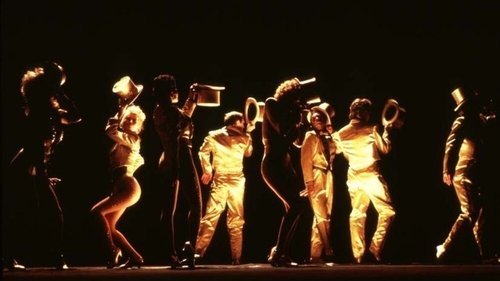
A group of dancers congregate on the stage of a Broadway theatre to audition for a new musical production directed by Zach. After the initial eliminations, seventeen hopefuls remain, among them Cassie, who once had a tempestuous romantic relationship with Zach. She is desperate enough for work to humble herself and audition for him; whether he's willing to let professionalism overcome his personal feelings about their past remains to be seen.
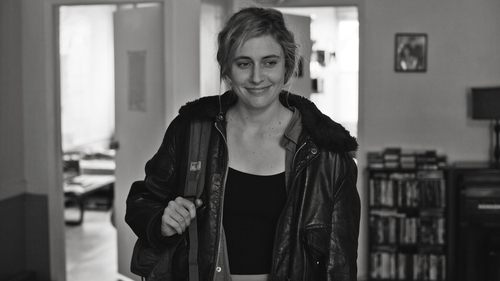
An aspiring dancer moves to New York City and becomes caught up in a whirlwind of flighty fair-weather friends, diminishing fortunes and career setbacks.
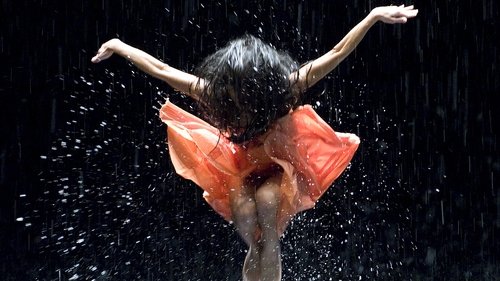
Pina is a feature-length dance film in 3D with the ensemble of the Tanztheater Wuppertal Pina Bausch, featuring the unique and inspiring art of the great German choreographer, who died in the summer of 2009.
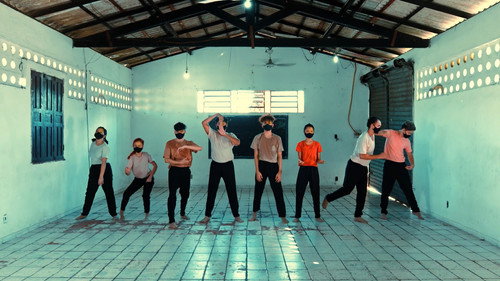
Between what we plan and what we actually experience, what is left? Resíduos translates the constant equation between our expectations and reality through movement, telling stories of how humanity copes with the memories of the past, the actions of the present, and the uncertainties of the future.

Embarking on a journey to fulfill her dreams as a dancer, a young girl discovers a new style of dance that will prove to be the source of both conflict and self-discovery.

The film profiles artist and choreographer Rosie Herrera, and features excerpts from her solo show Cookie’s Kid. It's one of ten short films that make up the Miami artist documentary compilation project titled I’ve Never Not Been From Miami, commissioned by WPBT2 South Florida PBS, with support from Knight Arts and the David & Francie Horvitz Family Foundation.

An innocent tourist travels to LA and unexpectedly conjures her sister's last night alive. Bold score, stylized dance and an eccentric cast, shot at The Standard Hotel, weave a dark and luminous film that revamps traditional narrative.
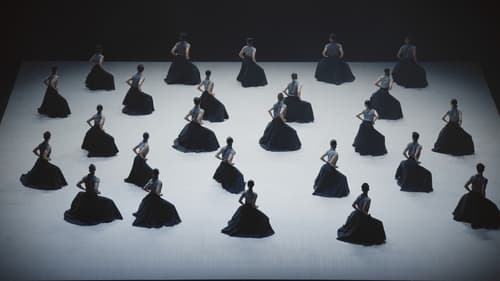
The documentary portrayed one of the most established dance companies in Hong Kong which has a history of over four decades. With a tradition of blending Chinese dance and ballet together in the training, the dance company has set sail to re-evaluate its artistic essence by adapting new physical disciplines and philosophy, picking up different cultural traces, meditation and Chinese martial arts. Through monologues of the company members, the film unveiled their fears, self-doubts, and findings in their quest to refine their dance forms and express their cultural roots. It's an uncertain journey towards the cultivation of inner peace and the essence of movement and stillness.
A mesmerizing showcase of artistic excellence, where intricate choreography and cinematography tell a story of pure, unbridled joy and creativity. Its about honoring the past, recognizing the present and looking into the future.
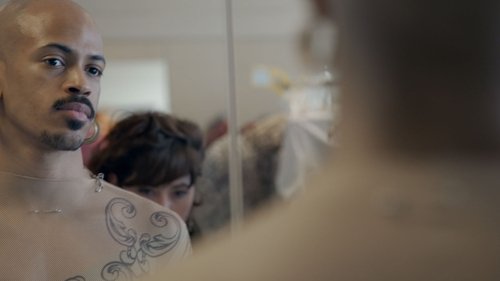
Stéphane Lissner, director of the Paris Opera, entrusts the staging of the opera-ballet Les Indes galantes to the visual artist Clément Cogitore. Based on the experience of his short film Les Indes galantes, the artist updates Jean-Philippe Rameau's baroque masterpiece (1735) by bringing together lyric song and urban dance. The choreography is entrusted to Bintou Dembélé who supervises dancers from krump, popping, voguing or even experimental hip hop. From rehearsals to the Premiere, Philippe Béziat films the meeting of urban dancers with the lyric institution and invites the spectator to share a human and artistic experience.
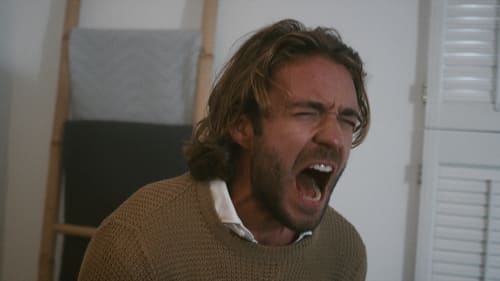
The Man is bound in an endless loop of fascination with a woman who haunts his thoughts. On the brink of a breakdown he desperately tries to break free before he is consumed.
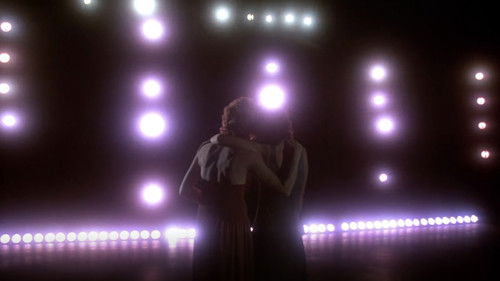
As young dancers, they were best friends and fierce rivals. Deedee left the stage for marriage and motherhood, while Emma would become an international ballet icon. But when Deedee's teenage daughter is invited to join Emma's dance company and begins an affair with a young Russian star, the two women are forced to confront the choices they've made, the resentments they've hidden and the emotional truths they must face at the turning point.
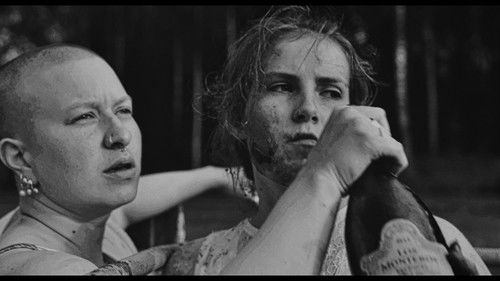
A chance spark in a cafe sends two lovers into a surreal mud wrestling ring where they must find a common rhythm while their friends demand a fight.
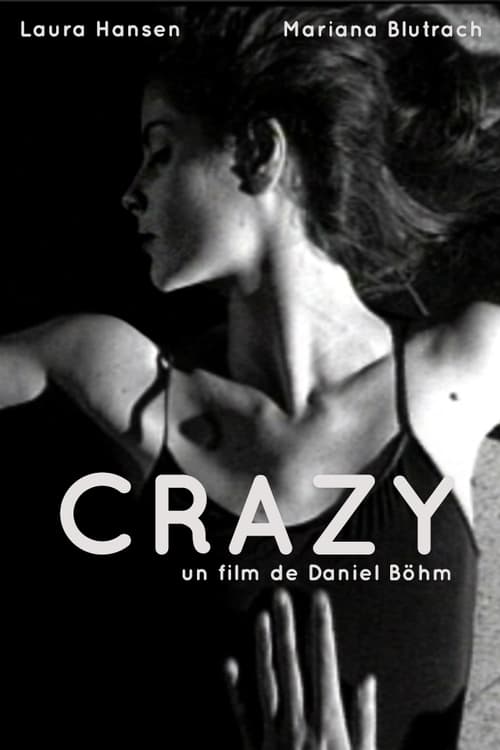
CRAZY BELCHES OUT A GHOST. From there on the two women, almost Siamese in their connection, will fight until one remains. The film's explores cinema and dance from a perspective outside either discipline's language

A short story of two best friends, or at least used to be until someone close to their heart manipulated one the friends into killing each other out of bloodthirsty jealously.
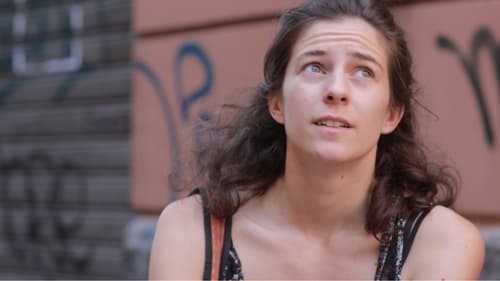
Two young strangers meet in Naples and begin to flirt and dance in the street.