
Action
Adventure
Animation
Comedy
Crime
Documentary
Drama
Family
Fantasy
History
Horror
Music
Mystery
Romance
Science Fiction
Thriller
War
Western
Found 15 movies, 0 TV shows, and 0 people
Can't find what you're looking for?

An exploration of Chinese cinema and its relationships with gender and sexuality, which the film argues has been more frankly and provocatively explored than in any other national cinema. Utilizing both film excerpts and interviews with many leading directors and academics, the film examines topics such as male bonding in kung fu movies, depictions of same-sex bonding and physical intimacy, the emphasis on women's grievances in melodramas, and the career of Yam Kim-Fai, a Hong Kong actress who spent her life portraying men on and off the screen.
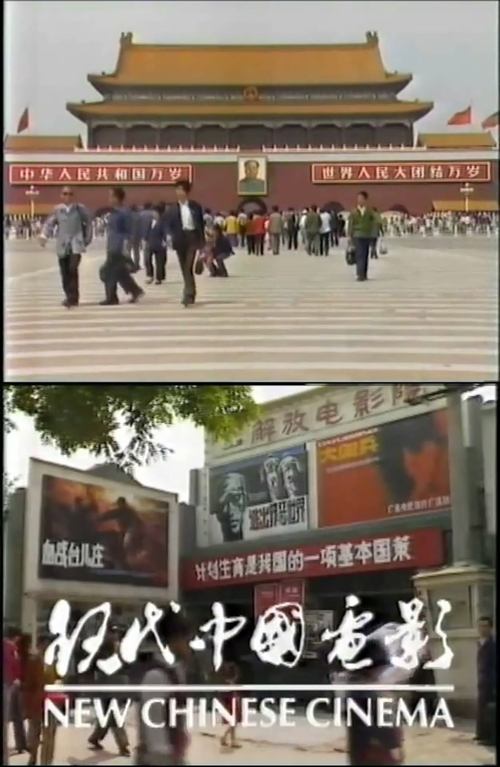
Tony Rayns presents the work of the 'Fifth Generation' and other innovative filmmakers who emerged during the 1980s in China.

The film predominantly features interviews with over a dozen documentary filmmakers and researchers, including Wu Wenguang, Duan Jinchuan, Jiang Yue, Kang Jianning, Li Hong, Du Haibin, Yang Lina, and Hao Yuejun. It provides insights into their representative works, delves into their life experiences, and explores their creative philosophies.

The first feature-length documentary to explore the career of Stephen Chow; featuring collaborators, critics, and academics. Produced for the Shout Factory release of his classic work on Blu-ray, "The Stephen Chow Collection" released in 2024. Fans will learn how Chow went from Hong Kong's TVB to feature film riches, with his peculiar brand of localized comedy, to becoming one of the most successful brand names in Mainland China, including the blockbuster reception for his comedy "The Mermaid" in 2016.
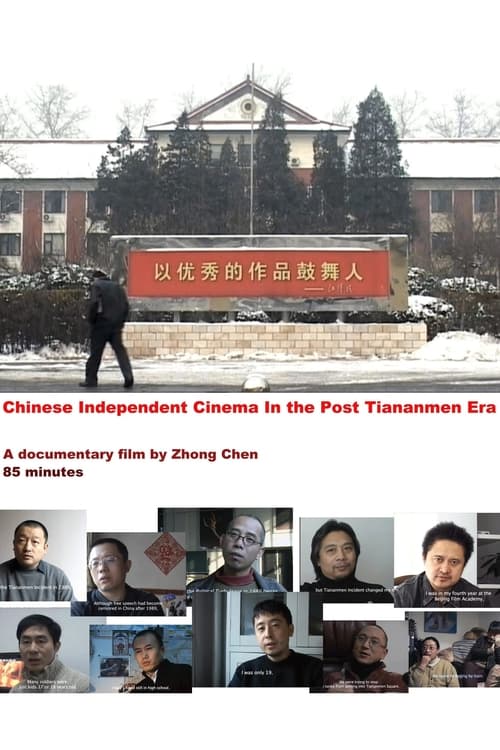
The rise of independent cinema in China occurred after the 1989 Tiananmen Square incident. Filmmakers such as Zhang Yuan, Wu Wenguang, Wang Xiaoshuai, Jia Zhangke, and others emerged as representatives of this movement. Over the course of more than a decade, from the 1990s to the early 21st century, they created a large number of outstanding domestic underground films that had a profound impact on the international film industry. However, in China, these films faced restrictions and were unable to be screened in theaters due to a lack of official approval. This documentary conducts interviews with these representative film directors of that era. Through the lens, these directors express their personal journeys in engaging in the art of filmmaking within a forbidden environment.
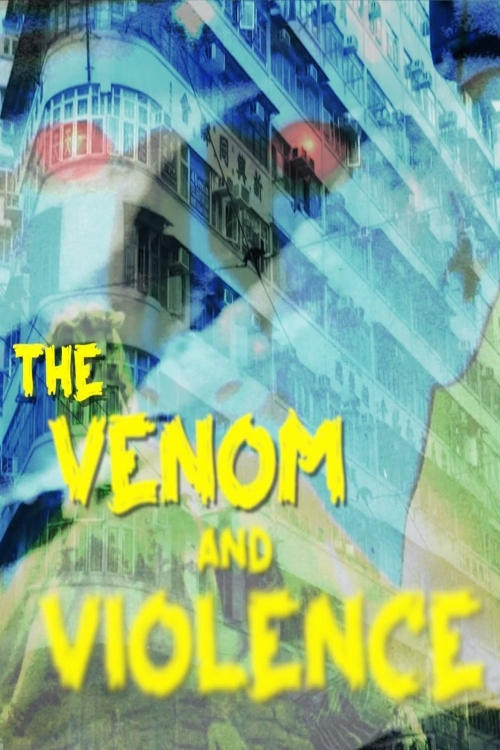
A look back at the largely undocumented period of early Chinese-language horror cinema, beginning in Hong Kong and the Shaw Brothers and graduating to Taiwan and the production of Calamity of Snakes in 1983.

The rare short film presents a curious dialogue between filmmaker Julio Bressane and actor Grande Otelo, where, in a mixture of decorated and improvised text, we discover a little manifesto to the Brazilian experimental cinema. Also called "Belair's last film," Chinese Viola reveals the first partnership between photographer Walter Carvalho and Bressane.

China has been actively interfering in the workings of the Hollywood industry for nearly two decades, so that movies are no longer made on subjects its totalitarian government does not like — free Tibet or Taiwanese independence — and prominent stars who oppose such tyranny are dispensed with: a behind-the-scenes look at how the dream machine has been totally compromised by the abusive power of a ruthless dictatorship.
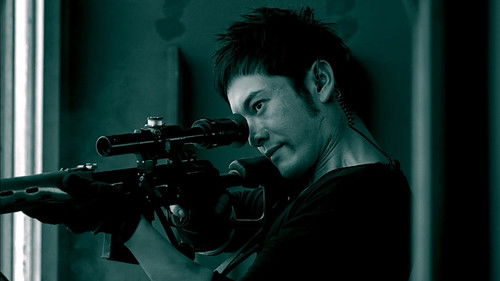
A police sniper teams up with a hot-headed rookie to take down his former friend and teammate, who is exacting revenge on the police force.

Based on the beloved children's book, elementary schooler Wang Bao discovers a wish-granting gourd that gives him the ability to make his dreams come true. Due to the gourd's erratic nature, Wang Bao confronts his own dishonesty amongst his peers and family, and realizes that you might not get everything you wish for.
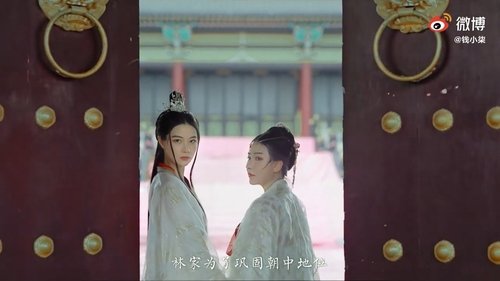
Su Jin meets Li'er. As their bond grows, the weight of Su Jin being the crowned prince and Li'er as a cat spirit grows heavy.

Part two of A comedy film set on Shanghai film studio. The background events frequently involve the shooting of other films being made at Mingxing Film Company at the time. This includes a sequence of the 17th episode of the silent wuxia film series Burning of the Red Lotus Temple, which is the only known footage from this historic series to exist.
Documentary about new chinese cinema.

No description available for this movie.
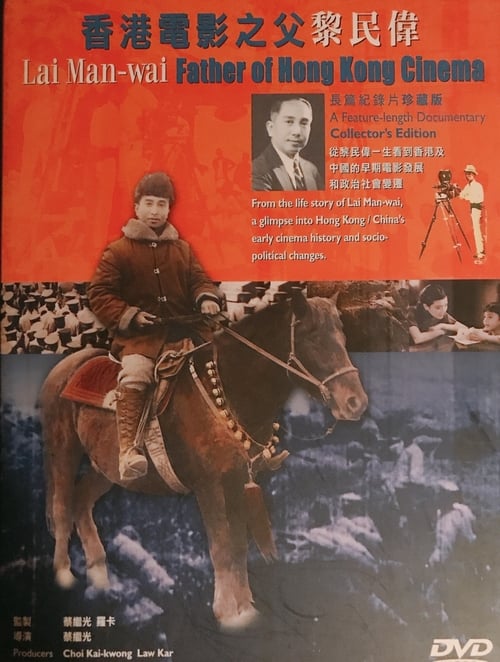
In the life of Mr. Lai Man-wai, he had seen the most turbulent times of recent Chinese history. From the fall of the Qing Dynasty to the founding of the Republic, from the Sino-Japanese War to the founding of the People’s Republic. With a patriotic spirit, he joined the revolution and used the theatre to promote the revolutionary course. For a ‘stronger China’, and ‘education for all’, he chose film as his life long goal and career. Lai was more than the father of Hong Kong cinema was; he was also one of the pioneers of the Chinese cinema. He made Hong Kong’s first short fiction film ‘Zhuangzi Tests His Wife’. He opened the first Chinese owned cinema, the New World Cinema, in Hong Kong…. In the several decades, Lai had devoted his life and fortune in writing this glorious inaugural chapter in early Chinese film history. The technical enhancement, the introduction of foreign techniques and equipment were all part of his contribution to the Chinese cinema.