
Action
Adventure
Animation
Comedy
Crime
Documentary
Drama
Family
Fantasy
History
Horror
Music
Mystery
Romance
Science Fiction
Thriller
War
Western
Found 13 movies, 0 TV shows, and 0 people
Can't find what you're looking for?

"The Central African Republic's capital of Bangui has seen its Muslim population drop from 130,000 to under 1000 over the past few months. Over the past year, thousands across CAR have been killed and nearly a million have been displaced. The United Nations recently stated that the entire Western half of the country has now been cleansed of Muslims.... "In March 2013, the Séléka, a mostly Muslim rebel alliance, rose up and overthrew the corrupt government of François Bozizé, while bringing terror and chaos across the country - pillaging, killing and raping with impunity. In response, mostly Christian self-defense forces, called the anti-balaka, formed to defend CAR against Séléka attacks."
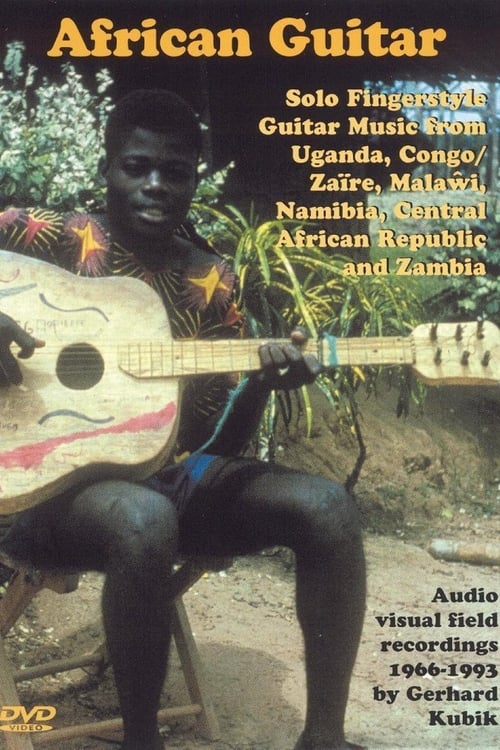
Offers a rare view into the rich textures of African fingerstyle guitar music. It was recorded by the famous cultural anthropologist Gerhard Kubik between 1966 and 1993. These are audio-visual field recordings from isolated African villages to the gardens of Europe, presenting some of the legends of this style: Mwenda Jean Bosco, Faustino Okello, Pierre Gwa , Daniel Kachamba and others.

No description available for this movie.
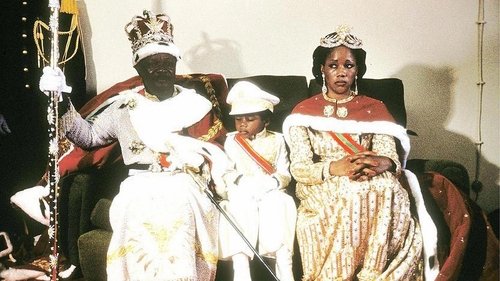
Documentary examining Bokassa's rule in the Central African Republic using the testimony of witnesses and visits to key sites.
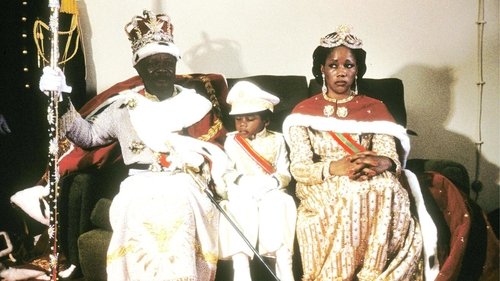
No description available for this movie.
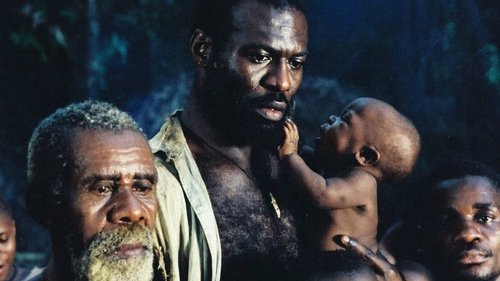
A film about the difficulty for even the most well-intentioned person to know and respect another culture. In this case, the problem is so acute that there is even heated debate over what to call that 'other.' The subtitles in the film use the familiar word 'pygmies,' a relatively pejorative European term; the Bantu or villagers' expression for the same group, Babingas, carries similar negative connotations. These highly specialized, tropical rainforest hunter-gatherers should perhaps be called by their own ethnonym, Aka, MoAka (sing.) and BaAka (pl.)
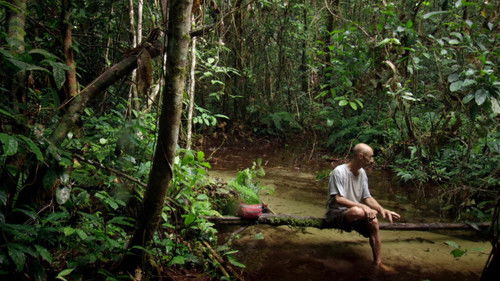
25 years ago, Louis Sarno, an American, heard a song on the radio and followed its melody into the Central Africa Jungle and stayed. He than recorded over 1000 hours of original BaAka music. Now he is part of the BaAka community and raises his pygmy son, Samedi. Fulfilling an old promise, Louis takes Samedi to America. On this journey Louis realizes he is not part of this globalized world anymore but globalization has also arrived in the rainforest. The BaAka depend on Louis for their survival. Father and son return to the melodies of the jungle but the question remains: How much longer will the songs of the forest be heard?

They’ve become the human face of inhuman barbarity. Leaders like Hitler, Idi Amin Dada, Stalin, Kim Jong Il, Saddam Hussein, Nicolae Ceausescu, Bokassa, Muammar Kadhafi, Khomeini, Mussolini and Franco governed their countries completely cut off from reality. These paranoid leaders were driven to abuse their power by the pathology of power itself. Dictators are driven by a relentless, thought-out determination to impose themselves as infallible, all-knowing and all-powerful beings. But they are also men ruled by their caprices, uncontrollable impulses, and reckless fits of frenzy, which paradoxically render them as human as anyone else. The abuses they committed were clearly atrocious, yet some of them were as outlandish as the characters portrayed in the film The Dictator. They sunk to depths worthy of Kafka: so incredibly absurd, they are outrageously funny.
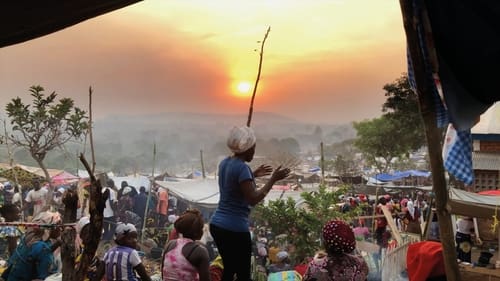
Since 2013, the Central African Republic has been embroiled in a conflict between Christian and Muslim armed groups. While diamonds and gold are traded in global indifference, a cardinal and an imam fight together for interreligious coexistence.
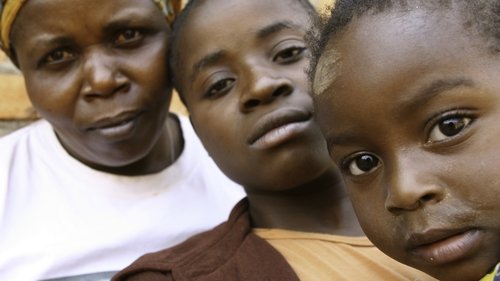
Sexual violence against women is a very effective weapon in modern warfare: instills fear and spreads the seed of the victorious side, an outrageous method that is useful to exterminate the defeated side by other means. This use of women, both their bodies and their minds, as a battleground, was crucial for international criminal tribunals to begin to judge rape as a crime against humanity.
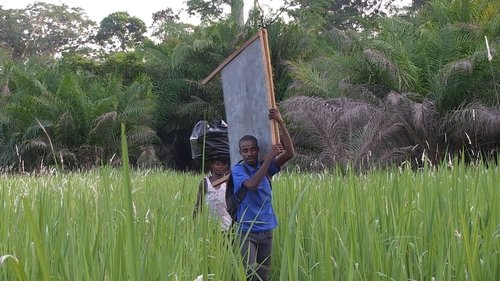
Elvis Sabin’s assured debut follows Albert and André, two Central African Aka Pygmies, as they attempt to establish a new education system in their forest community. The last in their village still attending school, they are determined to pass their knowledge on, holding classes for other Aka children every afternoon. But their project requires funding and they are counting on the year’s caterpillar (known as “Makongo”) harvest to provide much needed income. Evocatively capturing the visual and sonic textures of the forest, Makongo is a layered ethnographic study of two men working to build a sustainable future for their community.

A pain management specialist in a Berlin hospital laments how difficult it is to see if black skin has turned blue. The patient, 15year old Arlette, doesn’t understand German. Her knee was injured in the war, and unknown wealthy Germans have helped pay for her trip to have surgery in Europe. The camera follows Arlette on her journey, from her worried family in Central African Republic to the desolate rooms of the hospital and the rehabilitation centre. The girl’s gaze is captivating but impenetrable, and the easily bored teenager surrounded by adult strangers is only cheered up by an interpreter who knows her mother tongue. The story takes a gloomier turn when it transpires that rebel forces have taken up arms in Arlette’s home country.
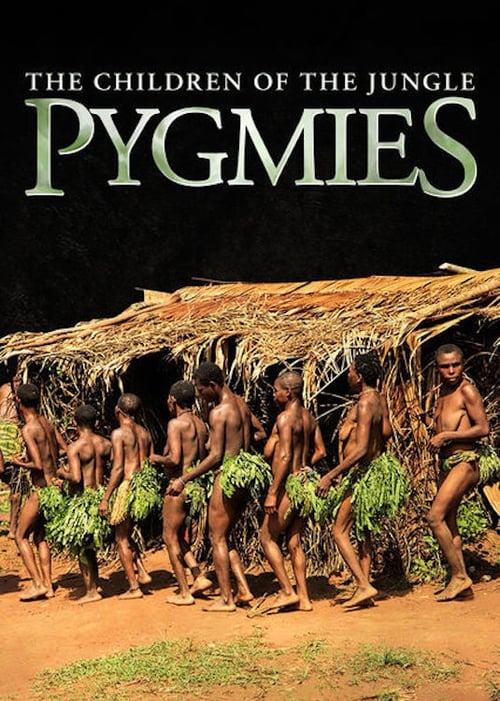
The adventurer, Ivan Bulík, traveled all through Africa. However, one of his dreams still eluded him: He desired to capture the life and customs of the smallest people on Earth, to find the undisturbed civilization of Pygmies.