
Action
Adventure
Animation
Comedy
Crime
Documentary
Drama
Family
Fantasy
History
Horror
Music
Mystery
Romance
Science Fiction
Thriller
War
Western
Found 40 movies, 12 TV shows, and 0 people
Can't find what you're looking for?
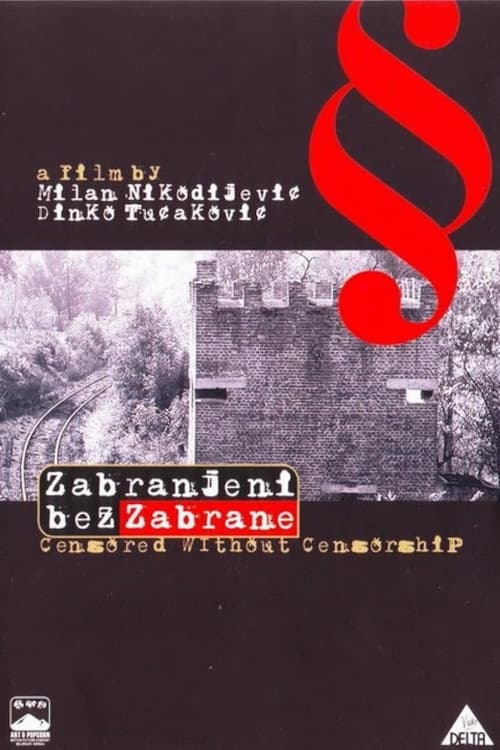
Through the conversation with Yugoslav film authors and excerpts from their films, this documentary film tells a story of a film phenomenon and censorship, and its focus is, in fact, a painful epoch of Yugoslav film called “a Black Wave”, which was the most important and artistically strongest period of Yugoslav film industry, created in the sixties and buried in the early seventies by means of ideological and political decisions. The film tells a great “thriller” story of the ideological madness which characterised the totalitarian psychology having left multiple consequences felt up to our very days. It stresses similarities between totalitarian regimes defending their taboos on the example of the persecution of the most important Yugoslav film authors. Those film authors have, however, made world careers and inspired many later authors. The film is the beginning of a debt pay-off to the most significant Yugoslav film authors.
Censorship issues with the film "A Streetcar Named Desire."

Director Pete Walker reflects upon his career making b-movies in the UK during the 1960's & 70's. Starting with sexploitation quickies and eventually evolving into what he calls "terror" thrillers in order to give audiences a more explicit alternative to the very popular Hammer films.
Rare documentary about Video Nasties and film, video and internet censorship in the UK. Was first screened as part of Channel 4's controversial "Banned Weekend" which focused on films and the so called Video Nasties, which were a small group of mainly horror films that were given the Video Nasty tag by the tabloid media, due to their explicit horror content. They were subsequently banned under the 1984 Video Recordings Act.

A documentary abut the making of the Constitution.

This thought-provoking documentary explores how the Chinese government limits freedom in Hong Kong and Taiwan. Through extraordinary cases from the arrest of Beijing-based artist HUA Yong and the disappearances of five booksellers in Hong Kong’s Causeway Bay to controversial scandals involving celebrities CHOU Tzu-yu and Leon DAI, director Kevin H.J. LEE and Lulu LU argue that even ordinary Taiwanese citizens may not be as politically and economically free from Beijing’s influence as they like to believe.
After being delayed for a few months because of a 18+ rating due to its extreme violence, the French horror thriller Martyrs was finally released a few months later in the local theaters, with a 16+ rating with warning. This video was shot in June 2008, during a manifestation organised to protest against the first rating decision.
A satirical short produced to highlight the unreasonable extremes of local film censorship—a film so heavily censored that only the title cards remain!
A documentary analyzing the furore which so-called "video nasties" caused in Britain during the 1980s.
Shows the relationship of the Constitution to the issue of prior restraint on freedom of expression. Presents the case of Burstyn v. Wilson challenging the constitutionality of New York State's film censorship system and Cantwell v. Connecticut involving questions of freedom of speech and religion. Discusses the questions pertaining to freedom of speech when multiplied via recordings or film, and how the claims of free expression can be weighed against claims for local, state, or federal protection.
Traces the bitter and often spirited battle over the morality and censorship of movies from the birth of the motion picture industry in the early 1900s. Describes how early censorship was local and how the original Hollywood Production Code rules dictated that kisses could last no longer than six seconds and married people must sleep in twin beds. Shows some of the most controversial film scenes of all time and discusses the relationship between movies and sex and violence. Looks at censorship from the perspective of stars, critics, and historians, as well as censors, such as the MPAA.
Newswoman Fay Sommerfield takes a morally outraged look at excessive violence, bad language and sacrilege that pass for entertainment in the early 90s. She illustrates this with clips from (fake) current hit films and music videos.
A summary of the anti-censorship dialogue which supported Vancouver store Little Sisters' ten year challenge to homophobic bureaucracy.
Before the G, PG and R ratings system there was the Production Code, and before that there was, well, nothing. This eye-opening documentary examines the rampant sexuality of early Hollywood through movie clips and reminiscences by stars of the era. Gloria Swanson, Mary Pickford, Marlene Dietrich and others relate tales of the artistic freedom that led to the draconian Production Code, which governed content from 1934 to 1968. Diane Lane narrates.
A young college student researches sexual deviancy by placing ads in underground newspapers.
A look at the rapidly evolving issue of sex censorship in the USA, focusing on the period just as hardcore was just about to become accepted.
A look at The Hays Code and the methods used by film artists, actors, directors to work with, work around and even subvert the intent of The Hays Code, during a period of very socially repressive regimes in political and civil power

This feature-length documentary is one of the main features on the House of Hammer Volume 1 blu ray set. It explains the censorship system in the United States and why so many movies were subject to it. It also covers aspects of the UK's BBFC in the 50s and 60s.
The history of the irreverent "The Smothers Brothers Comedy Hour" and the content battles it fought with its television network.
The protagonist spent a significant part of his life burdened by painful memories of his grandfather, who died during Stalin's repressions. And now the time has come when he could avenge his grandfather. This is one storyline, presented in the form of a flashback. The second unfolds in our time, which the author also sees as nothing good.
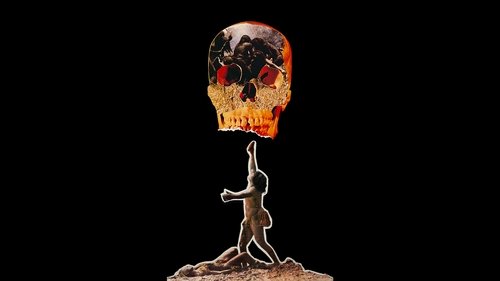
A New York University professor returns from a rescue mission to the Amazon rainforest with the footage shot by a lost team of documentarians who were making a film about the area's local cannibal tribes.
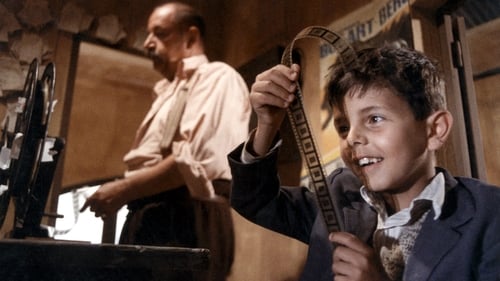
A filmmaker recalls his childhood, when he fell in love with the movies at his village's theater and formed a deep friendship with the theater's projectionist.
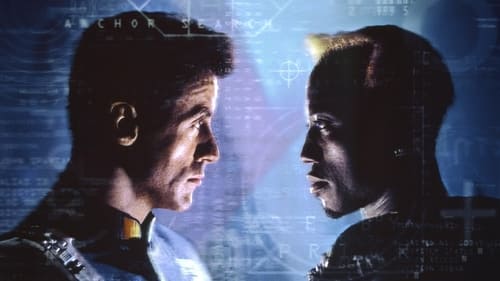
In 1996, brash L.A. detective John Spartan and maniac killer Simon Phoenix are both sentenced to decades in a cryogenic prison as punishment for a rescue mission gone wrong. When Phoenix escapes 36 years later to wreak havoc on the future, Spartan is awakened to capture his nemesis the old-fashioned way.
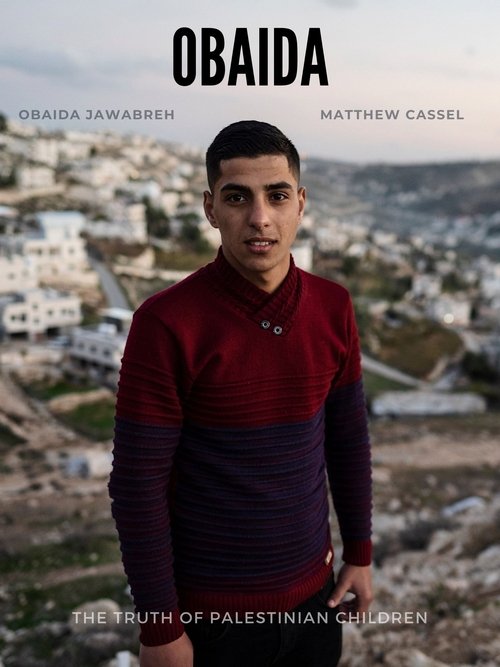
OBAIDA, a short film by Matthew Cassel, explores a Palestinian child’s experience of Israeli military arrest. Each year, some 700 Palestinian children undergo military detention in a system where ill-treatment is widespread and institutionalized. For these young detainees, few rights are guaranteed, even on paper. After release, the experience of detention continues to shape and mark former child prisoners’ path forward.
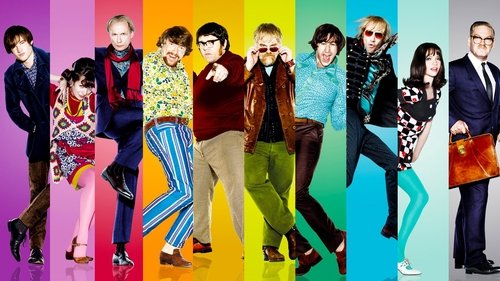
When a group of rebellious deejays decides to defy the ban on government-censored music, they take to the seas to broadcast music and mayhem to millions of adoring fans.
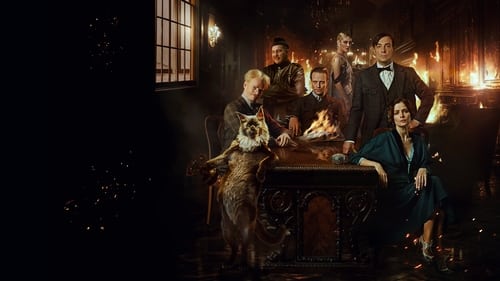
A struggling writer in 1930s Soviet Moscow finds his life transformed when a mysterious professor arrives with his bizarre entourage, including a wisecracking trickster, a deadly assassin, a vampire maid, and a giant talking black cat, turning the city upside down while exposing the hypocrisy of those in power.
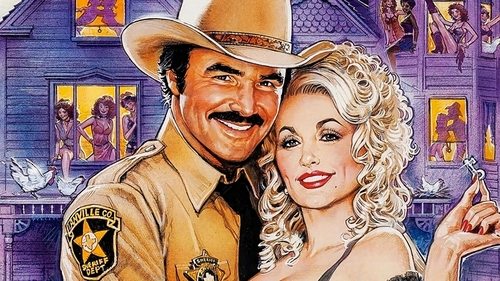
When a Conservative TV crusader threatens to shut down beloved brothel The Chicken Ranch, proprietress Miss Mona Stangley and her girls won't go down without a fight.
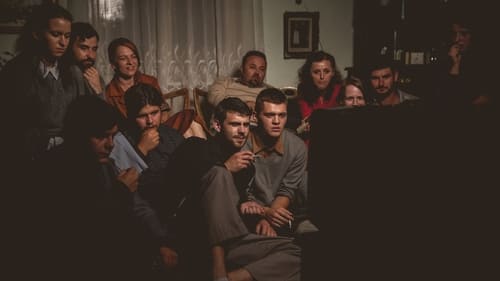
In late eighties, in Ceausescu's Romania, a black market VHS bootlegger and a courageous female translator brought the magic of Western films to the Romanian people and sowed the seeds of a revolution.
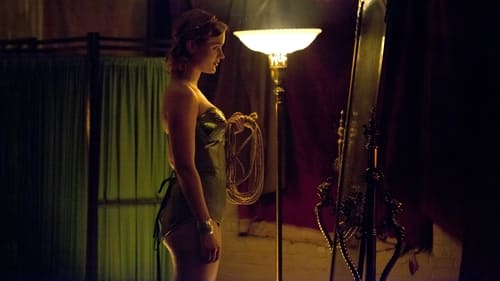
The unconventional life of Dr. William Marston, the Harvard psychologist and inventor who helped invent the modern lie detector test and co-created Wonder Woman in 1941.
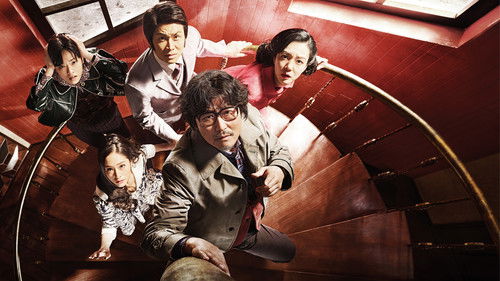
In the 1970s, Director Kim is obsessed by the desire to re-shoot the ending of his completed film Cobweb, but chaos and turmoil grip the set with interference from the censorship authorities, and the complaints of actors and producers who can't understand the re-written ending. Will Kim be able to find a way through this chaos to fulfill his artistic ambitions and complete his masterpiece?
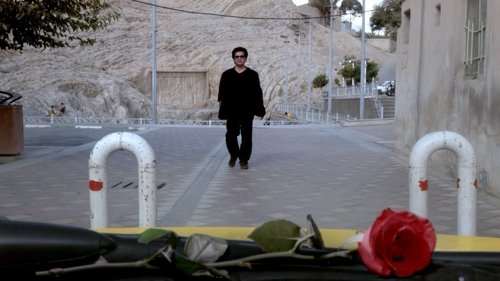
A yellow cab is driving through the vibrant and colourful streets of Tehran. Very diverse passengers enter the taxi, each candidly expressing their views while being interviewed by the driver who is no one else but the director Jafar Panahi himself. His camera placed on the dashboard of his mobile film studio captures the spirit of Iranian society through this comedic and dramatic drive…
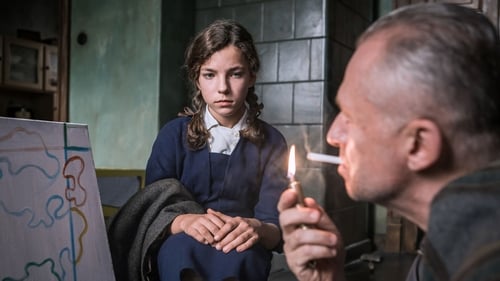
In 1945, as Stalin sets his hands over Poland, famous painter Wladislaw Strzeminski refuses to compromise on his art with the doctrines of social realism. Persecuted, expelled from his chair at the University, he's eventually erased from the museums' walls. With the help of some of his students, he starts fighting against the Party and becomes the symbol of an artistic resistance against intellectual tyranny.
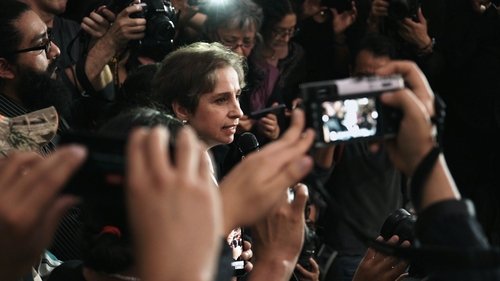
Mexico, March 2015. Carmen Aristegui, incorruptible journalist, has been fired from the radio station where she has worked for years. Supported by more than 18 million listeners, Carmen continues her fight. Her goal: raising awareness and fighting against misinformation. The film tells the story of this quest: difficult and dangerous, but essential to the health of democracy. A story in which resistance becomes a form of survival.
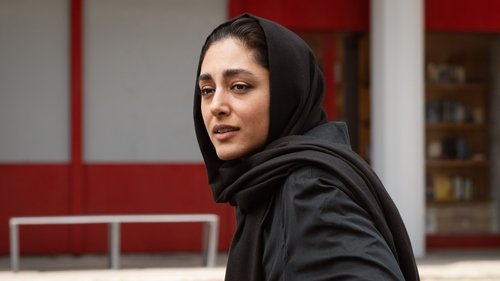
In 1979, amidst censorship and religious extremism, a revolutionary literature professor in Tehran gathers seven of her most dedicated female students to immerse themselves in banned literary classics.
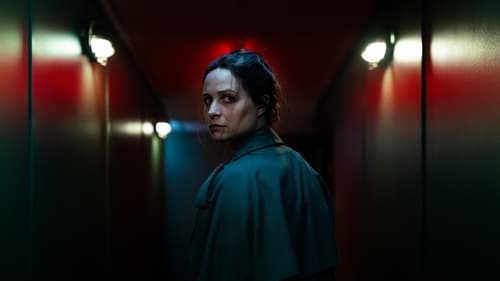
A screener at the British Board of Film Classification (BBFC), who has earned an unsavory reputation for being the strictest censor of violent films, begins to spiral out of control after viewing a low-budget horror with similarities to the disappearance of her sister.
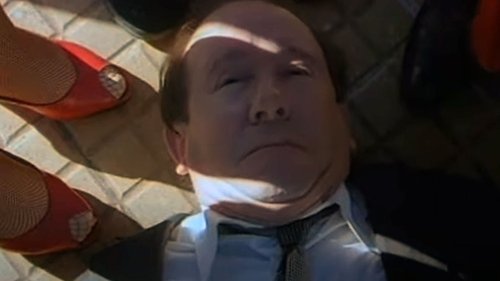
Close-up on a man who censored films during the last military dictatorship in Argentina, slightly inspired by the infamous Miguel Paulino Tato.
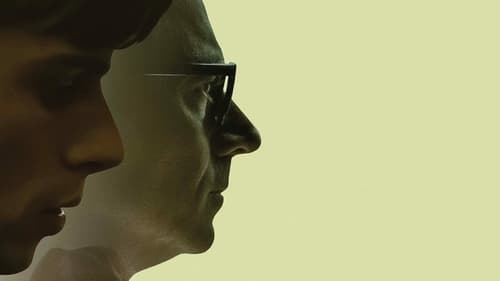
Based on true events of the late 60s in Italy, poet, playwright and myrmecologist Aldo Braibanti is prosecuted and sentenced to prison for the love he shares with his barely-of-age pupil and friend, Ettore. Amidst a chorus of voices of accusers, supporters and a largely hypocritical public, a single committed journalist takes on the task of piecing together the truth, between secrecy and desire, facing suspicion and censorship in the process.
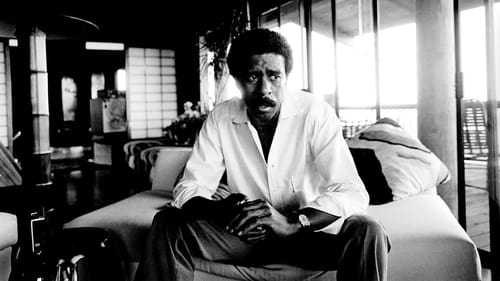
Mike Epps, Richard Pryor Jr. and others recount the culture-defining influence of Richard Pryor - one of America's most brilliant, iconic comic minds.
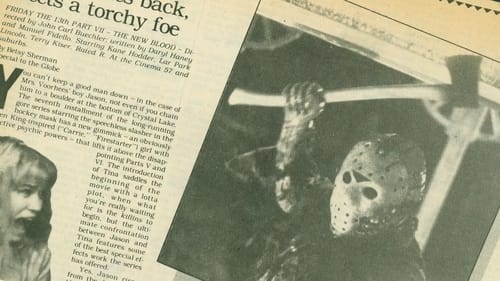
Taking inspiration from Peter M. Bracke's definitive book of the same name, this seven-hour documentary dives into the making of all twelve Friday the 13th films, with all-new interviews from the cast and the crew.

Documentary film that follows Silvana Castro, a woman who works at the National Congress Library in Argentina where the books that were forbidden during the military dictatorship are kept. After the exhibition of the books is suspended, she'll try to open it again.