
Action
Adventure
Animation
Comedy
Crime
Documentary
Drama
Family
Fantasy
History
Horror
Music
Mystery
Romance
Science Fiction
Thriller
War
Western
Found 14 movies, 1 TV show, and 0 people
Can't find what you're looking for?
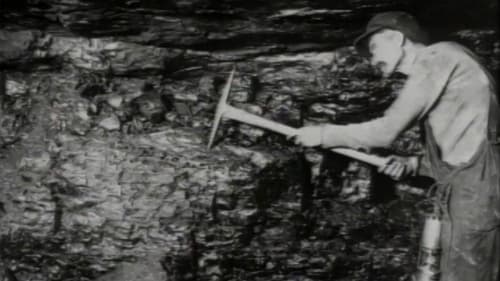
For 200 years, coal mining had been a way of life in Cape Breton. By 1920 things were looking up: miners were unionized and paid decent wages. Then the British Empire Steel Corporation arrived and bought every single steel and coal company in Nova Scotia. BESCO cut wages by a third, setting off a bitter labour dispute. The miners settled in for a long strike. Finally, in 1925, the military ended the unrest with brute force. But the miners, in one sense, had won. They broke up the monopoly and provided an example to workers across the country.

This Traveltalk series entry visits the easternmost area of the province of Nova Scotia, Canada. We learn that although the island was originally settled by the French, most of the island's inhabitants are of Scottish descent. We are also told that the main industries of the island are agriculture, fishing, and mining. After a look at Bras d'Or Lake, we visit the village of Baddeck. Near there is the grave of Alexander Graham Bell, the inventor of the telephone. The last stop is the industrial city of Sydney, home of steel plants, foundries, and coal mines.
"In films shot on 16mm and Super 8 over many years, now edited digitally, I reflect on my many visits to the homes of Robert and June in a relentlessly changing NYC and a seemingly timeless Cape Breton." — Jem Cohen
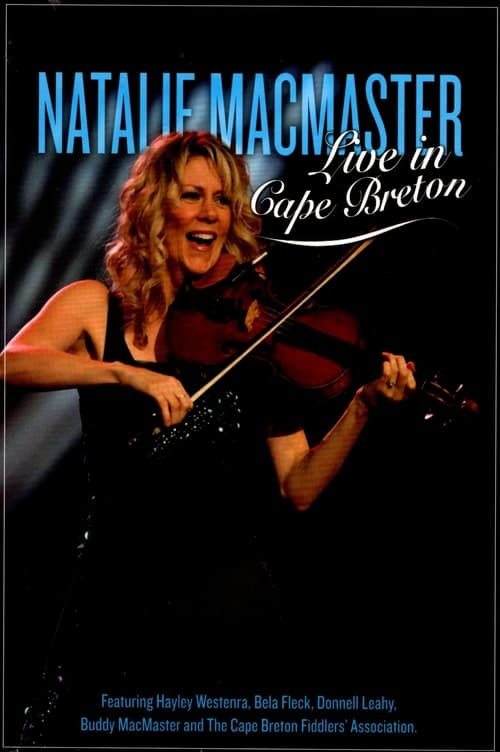
A Gala Concert filmed during the Celtic Colours 10th Anniversary Festival at the Port Hawkesbury Civic Centre, Cape Breton, Nova Scotia.

Shows Scottish settlers in the Highlands of Cape Breton, much like the Highlands of Scotland. Small flocks of sheep like the crofters of the old country wander on the hills and provide wool for spinning and weaving, while the plain-spired churches and the only Gaelic College in the world keep alive the faith brought from other highlands across the sea. Gaelic language is heard in the church, singing in community and casual exchanges between passers-by.
This short vignette features coal mines in New Waterford and Glace Bay, Nova Scotia, along with traditional Cape Breton folk songs sung by Men of the Deeps - a miners' choral group.
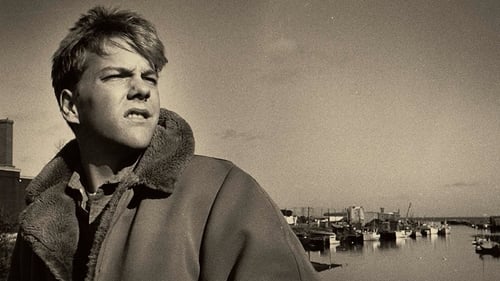
A Roman Catholic teenage boy in Glace Bay, Cape Breton Island, Nova Scotia during the 1930s faces various growing-up problems: Should he become a priest? What should he do about the murder he witnessed, committed by a local cop and upstanding parishioner? And how far should he go with his girlfriend, who happens to be the murderer's daughter?
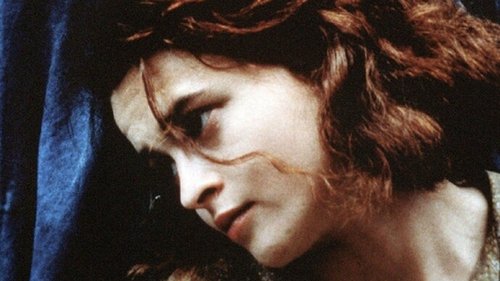
In a town where half the men die down the coalpit, Margaret MacNeil is quite happy being single in her small Cape Breton island town. Until she meets Neil Currie, a charming and sincere bagpipe-playing, Gaelic-speaking dishwasher. But no matter what you do, you can't avoid the spectre of the pit forever.

In a farmhouse on Cape Breton Island where Shawn Peter Dwyer, age 10, lives with his mother and nine brothers and sisters, children's pockets are usually empty and their lives well filled.
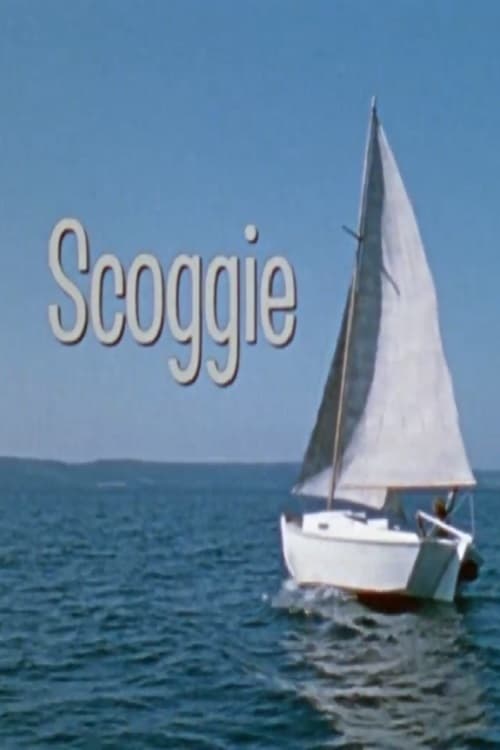
This short documentary profiles 27-year-old Scoggie Watson, a Cape Breton stalwart who clings to the things he cherishes most: the waters of Lake Bras d'Or, his hand-built sailboat, his freedom, and the friends who stayed in Cape Breton instead of leaving for the big cities.
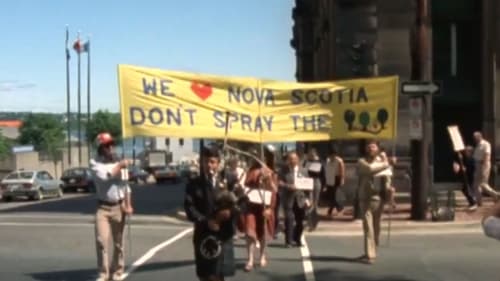
In 1983, fifteen Cape Breton, Nova Scotia, landowners went to court to stop the spraying of herbicides by the local subsidiary of a Swedish multinational on forests adjacent to their properties. They found that the testimony of scientists and the support of public opinion, both here and abroad, were not enough to win their case. The film shows their ordeal and the landmark Sydney trial. Concerns raised included potential conflict-of-interest situations where a government must protect citizens' health while supporting certain kinds of industry; the relative value of the political and judicial processes in mediating social problems; and the need for a public forum for debating environmental issues. The film contains outstanding footage from chemical-industry films of the 1950s and recent material about Vietnam veterans affected by Agent Orange.
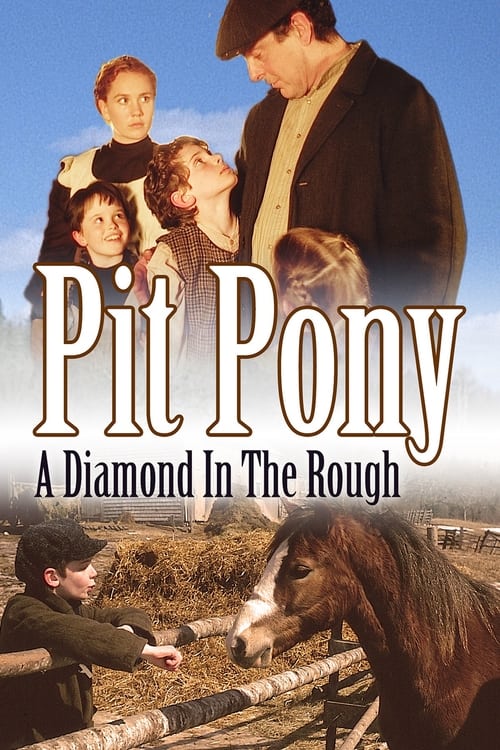
Glace Bay, Nova Scotia Canada, 1901. Willie MacLean is a 10-year-old boy with a love for horses and liking to school to cape the difficult times his family has. Willie's stern, but benevolent father is a coal miner in a local mine along with his older brother John. But when Willie's father is injured and John is killed in an accident at the mine, Willie is forced to step into his brother's shoes to support his older sister Nelle, and two younger sisters until their father recovers. Willie soon finds work at the mine lonely (aka: the pit) and unfriendly in which he forms a bond with a pit pony horse in order to make it though each day.
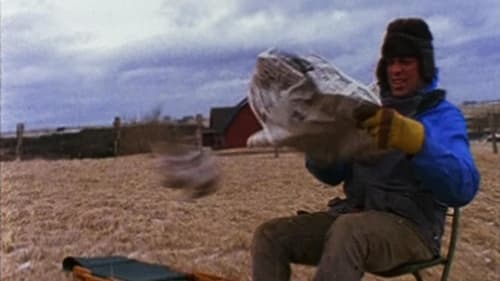
This documentary traces the folklore, stories, and reality of living under the hurricane force winds, that beat down upon the residents of the Acadian region of Western Cape Breton Island, between Margaree Harbour and Cheticamp. The film contains stunning landscapes shot in winds of 130 miles per hour. While there is often serious damage from these Suêtes, roofs blowing off buildings and even homes blowing apart, there is also a good dose of local humour surrounding life under these harsh environmental conditions. Residents from young to more than 90 years old tell their tales of life under these winds.

No description available for this movie.