
Action
Adventure
Animation
Comedy
Crime
Documentary
Drama
Family
Fantasy
History
Horror
Music
Mystery
Romance
Science Fiction
Thriller
War
Western
Found 13 movies, 0 TV shows, and 0 people
Can't find what you're looking for?
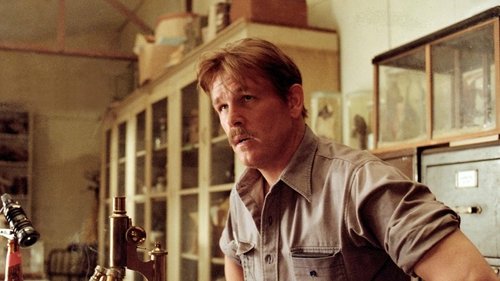
Doc, who has just moved to Cannery Row, realizes that the only entertainment is the brothel. There he meets the spunky Suzy and they fall in love, giving them both a renewed chance at life.
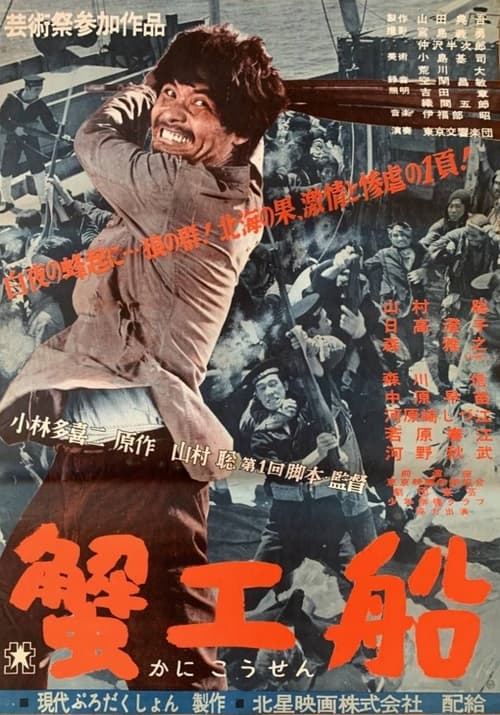
Describes the oppressed life of the crab fishermen and their final revolt which is bloodily suppressed by the Royal Navy.

Speedy Gonzales helps provide cheese for the mayor's reelection campaign (and two hungry friends) by swiping it from the store guarded by Sylvester.

Tom chases Jerry into a fish cannery; they get sealed into cans. Tom breaks out, but falls off a pier as the cans roll under him. A shark chases him out of the water; Tom drops an anchor on the shark. Meanwhile, Jerry has been hopping in his can; Tom opens it, and puts his finger in, which Jerry bites. Jerry tricks Tom into falling off the end of another pier, and right into the shark's path again. The shark manages to get Tom into a very precarious position, barely holding the jaws apart. Jerry takes pity, and dumps a shaker full of pepper into the shark, which ends up on the processing line and stuffed into a huge can. Tom is unrepentant, so Jerry tricks him with a fake shark fin.

This 'making of' documentary's subject is the movie Cannery Row (1982), the title which was immortalized in the John Steinbeck novel of the same name, it being the source material.
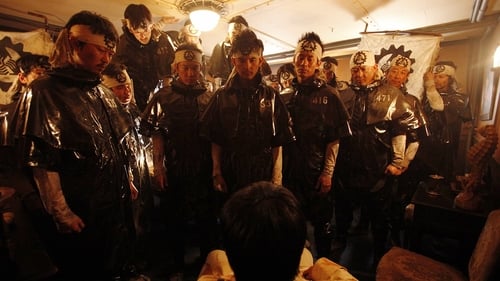
On board at the boat Kanikosen, where fish and crabs preserves, forced workers to work under miserable conditions, with minimum wages. Some can not cope with conditions and even death from malnutrition, and is also the supervisor of the more vicious variety. Shinjo, one of the employees, trying to convince the others that they will get good luck and fortune in his next life, and persuades them because they commit suicide to get there faster. It ends, however, in a single major failure. Rather than flee Shinjo being picked up by a Russian ship. Once there, he is overwhelmed by the social conditions that are completely different from those he has just left and decided therefore to return to Kanikosen to save their employees.

An embittered woman seeks escape in marriage, only to fall for her husband’s best friend.
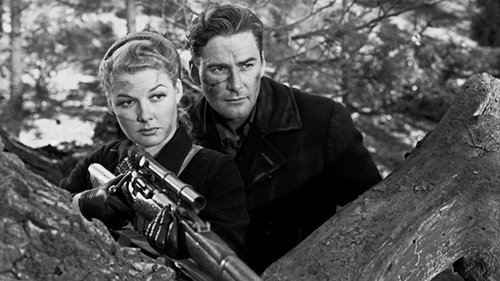
The film pivots around the local Norwegian doctor and his family. The doctor's wife (Ruth Gordon) wants to hold on to the pretence of gracious living and ignore their German occupiers. The doctor, Martin Stensgard (Walter Huston), would also prefer to stay neutral, but is torn. His brother-in-law, the wealthy owner of the local fish cannery, collaborates with the Nazis. The doctor's daughter, Karen (Ann Sheridan), is involved with the resistance and with its leader Gunnar Brogge (Errol Flynn). The doctor's son has just returned to town, having been sent down from the university, and is soon influenced by his Nazi-sympathizer uncle. Captain Koenig (Helmut Dantine), the young German commandant of the occupying garrison, whose fanatic determination to do everything by the book and spoutings about the invincibility of the Reich hides a growing fear of a local uprising.
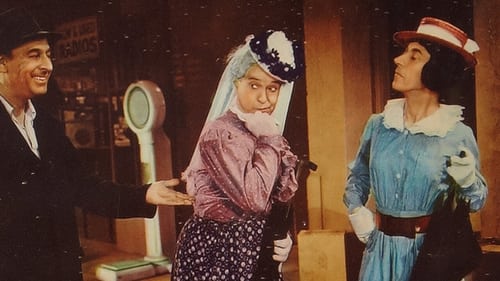
Harry Langdon and Charley Rogers star in this 1941 Monogram comedy, about two bumbling brothers who take jobs at a New York food cannery and accidentally lose a valuable diamond inside a can of pork-and-beans.

Bud Dolliver, a former WWII hero, and an ex-convict, returns to his home town in an effort to make a new life for himself but, even with the help of Lou Jellison, a cannery worker, he finds it hard to live down his reputation.
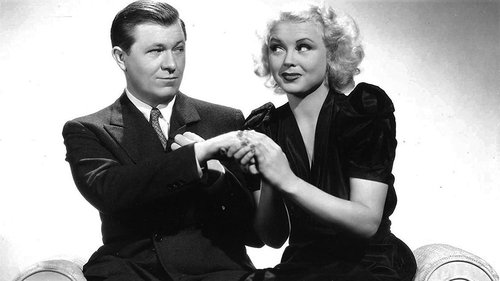
A dull statistician changes his life after winning a pile of money after successfully determining the number of beans in a barrel. He decides to do something novel with the prize and ends up buying a barrel factory. He encounters trouble when the nearby pickle factory is threatened by a shyster attempting to close it.

Fisherman Dutch marries cannery worker Hattie. After he is kicked out of his union and fired from his job he leaves Hattie who steals money for him and goes to jail. He gets a new job, foils a plot to dynamite the ship, and promises to wait for Hattie.
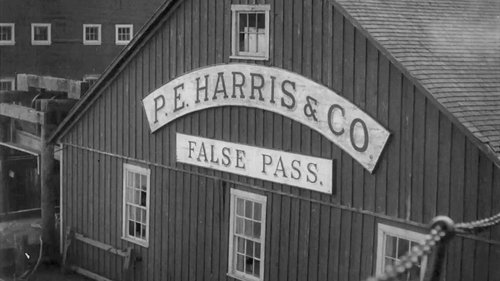
A once-lost silent documentary from the late 1920s, “P. E. Harris & Company: An Aleutian Adventure” chronicles a journey to Alaska’s remote Aleutian Islands. Commissioned by a Seattle-based cannery company, this rare film captures stunning maritime landscapes and the daily life of workers in an early 20th-century cannery operation. Preserved from original 35mm nitrate prints and undergoing full restoration in 2K, the film offers a rare visual record of American industrial and environmental history.