
Action
Adventure
Animation
Comedy
Crime
Documentary
Drama
Family
Fantasy
History
Horror
Music
Mystery
Romance
Science Fiction
Thriller
War
Western
Found 40 movies, 18 TV shows, and 0 people
Can't find what you're looking for?

In this short documentary we learn the back story of the Buddha – the religion he founded and how it is manifested today. Travel through Southeast Asia to India, Burma, Sri Lanka (formerly Ceylon), Thailand, Japan, China and many other countries to discover the history and ideas behind Buddhism.

Having lived and taught in Asia, Dr. Ury will show you the path followed by those seeking enlightenment. Knowing the parallels and pitfalls of this system will help you to point them to the real source of truth.

Rinzin Jurmey chose to join a monastery and dedicate his life to Buddhism at the age of 11, loving its rituals and traditions. Now 18, he moves harmoniously between mountain village and city, embracing tradition and pop culture, religion and hip-hop, prayer and video games. With guidance from cinematographer Cat Papadimitriou, Jurmey documents the ways in which he – and his country – are striving to preserve ancient practices while embracing modernity.
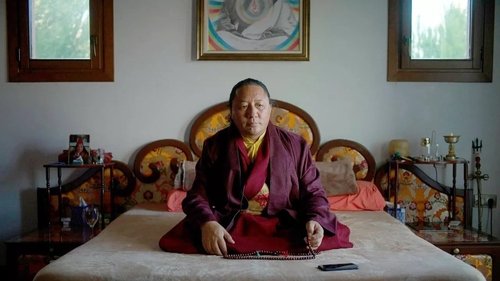
Sexual abuses, mental manipulation and embezzlement: Tibetan Buddhism is shaken by serious scandals. An in-depth account that lifts the veil on the unspiritual underbelly of a religion venerated in Europe.
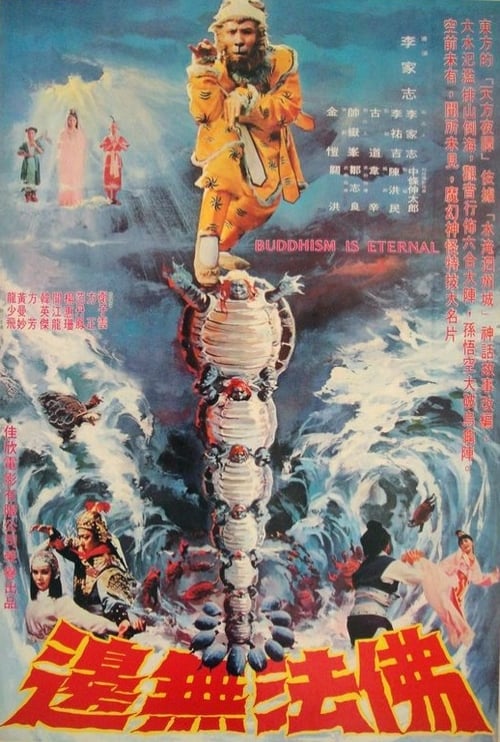
Kung Fu star Barry Chan stars in this brilliant martial arts fantasy film from Taiwan. Buddhist spells and monkey magic help save the day against martial arts masters and evil wizards who plan to disrupt peace in the region.
Documentary exploring the origins and proliferation of Buddhism throughout Chinese history
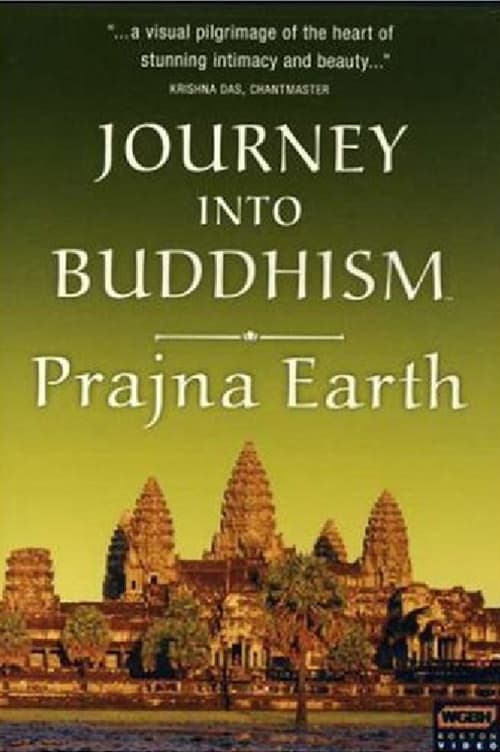
Prajna is the Sanskrit word for radiant wisdom, and yatra is the word for pilgrimage or spiritual journey. This visually stunning documentary is a cinematic pilgrimage exploring the lost civilization of Angkor in Cambodia, including the largest temple in the world, the magnificent Angkor Wat. The journey continues to sacred sites of the natural world, Hindu Bali, jungles of Java, and discovering Buddhist Borobudur. A John Bush film.
Visualizes the mood of Buddhism as the oneness of man and nature. Includes commentary by Alan Watts.
Explore the fascinating history and main characteristics of Tibetan Buddhism in China with this informative documentary, which profiles the Eastern religion's fundamental beliefs, dedicated followers, most meaningful rituals and much more. In addition to being widely practiced in northeastern China, Tibetan Buddhism also enjoys considerable popularity in Nepal, Bhutan, India, Mongolia and, of course, Tibet.

This docu-fiction, shot in India and Nepal, recounts the first moments of Buddhism, by rediscovering a time when everything had to be built. Travelers and teachers who visit the places where the Buddha lived today have the same impressions: they are trying to understand the problems he had to face. Why did Siddhartha leave his palace and his family? What was the original way he taught to end suffering? How did he prepare the community to last after his death? This docu-fiction brings history to life by focusing on "the man who became the Buddha".

As the first documentary in the Yatra Trilogy, Dharma River is a timeless journey through legendary rivers to the greatest Buddhist temples and mystical sites of Laos, Thailand, and Burma. It offers a direct experience of lost civilizations, sacred spaces, and ancient traditions. A film by John Bush.
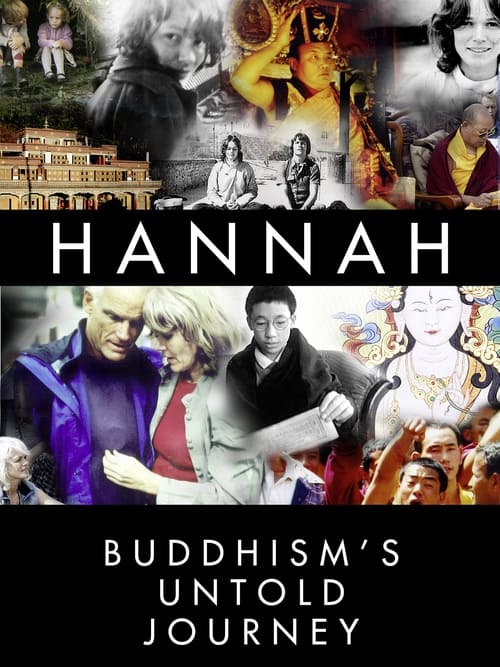
'Hannah' tells the story of Buddhist pioneer Hannah Nydahl and her life bringing Tibetan Buddhism to the West. From her idealistic roots in 1960's Copenhagen to the hippie trail in Nepal, Hannah and her husband Ole became two of the first Western students of His Holiness the 16th Karmapa - the first consciously reincarnated lama of Tibet in 1110. Hannah went on to become an assistant and translator for some of the most powerful Tibetan lamas and a bridge between Buddhism in the East and the West.
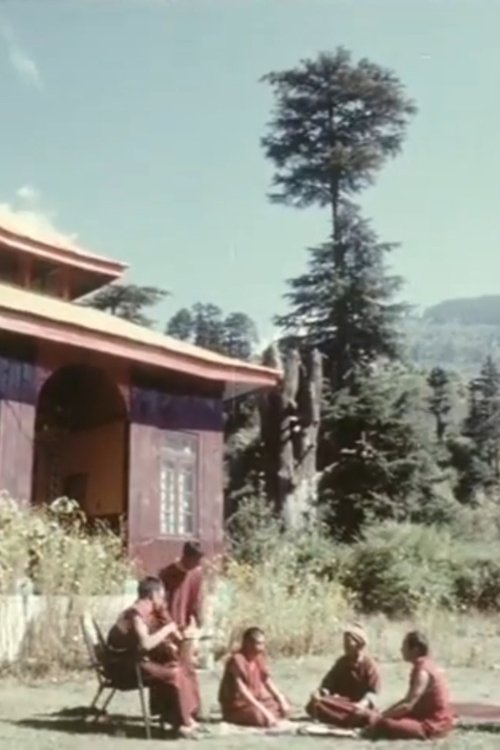
The film depicts the culture, traditions and socio-economic conditions of Tibetans in India.
They have overcome many lives. Each full of struggles and unimaginable hardships. The illusion of wealth, success and fame crumbles into worthless dust in their minds. The history of Tibetans is the story of one of the greatest spiritual civilizations in human history. Its culture was valued and respected by scholars far and wide. Despite this, the Tibetans were pushed to the brink of extinction. In 1951, Tibet became part of China and suddenly the traditional culture was subjected to the pressure of an unknown ideology. The Tibetan landscape began to acquire a new face. Even Lhasa, the place of the gods, has changed beyond recognition, but the words of the Buddha, translated long ago into Tibetan, have preserved their message to this day: the path to liberation begins in each of us, and each of us has the prerequisites for achieving lasting happiness. (distributor's official text)
This film examines the dramatic surge of interest among American Jews in the spiritual teachings of Buddhism. Jews, who make up 2% of the population, account for some 30% of non-Asian American Buddhists. Many of them are among the leading expositors and scholars of Buddhism in America. In practice, traditional Jewish ritual and liturgy are being modified in synagogues and among individuals seeking to incorporate the teachings of Buddhism into their spiritual lives.
This documentary is the third part of The Yatra Trilogy created by John Bush. Vajra is the Sanskrit word signifying the thunderbolt of illumination, and yatra is the word for pilgrimage or spiritual journey. This film offers a cinematic pilgrimage to central Tibet, bearing witness to the indomitable faith of its endangered Buddhist community and the imminent threat to its very survival.
If the Buddha of India met the Buddha of Japan, would they recognize each other? To find out, this program talks to the staff in a Tokyo restaurant who keep regular Zen meditation schedules as part of their job, then on to the classical Zen calligraphy, swordfighting, archery and tea ceremony.
A documentary about the pioneers who helped bring Tibetan Buddhism to Australia and founded Chenrezig Institute, one of the first Tibetan Buddhist communities in the West.
The Japanese population’s reaction to the catastrophe of March 2011 has been described as “stoic” by the Western media. The Japanese code of conduct is indeed deeply rooted in their Buddhist traditions, and young filmmakers Tim Graf and Jakob Montrasio observe in detail what this means for the people and their religion. At graveyards, in temples, at monasteries and with families, they question the impact this triple affliction has had on the lives and beliefs of the inhabitants. How deeply do their beliefs affect their grieving? What role do the monks play in assisting people with their grief? And, what effects has this enormous catastrophe had on their religious rituals? SOULS OF ZEN inserts the events of March 2011 into the context of traditional Zen Buddhism, examining Japan’s religiousness and the beliefs of those practising it at a crucial turning point.
We investigate how the scars of Buddhist strongholds like Afghanistan, Pakistan and Indonesia into Muslim-majority countries, has resulted in this pacificist religion becoming weaponised across Sri Lanka. Backed by politicians and incited by a powerful network of extremist monks, the rise of the Bodu Bala Sena or Buddhist Force aims to sow seeds of religious and ethnic divisions to gain political power. These deep divisions in Sri Lankan society were exploited by ISIS as they radicalised Islamist groups to plot, plan and execute bloodshed on Easter Sunday, spurring the rise of anti-Muslim pogroms, who must defend their faith against an outside force – Islam and Hinduism. On this journey, we also understand how Sri Lanka’s purist Theravada strain of Buddhism has driven new connections with extremist monks in Myanmar who h ave used Facebook as a radicalising tool in their Islamophobic genocide against Rohingya Muslims.
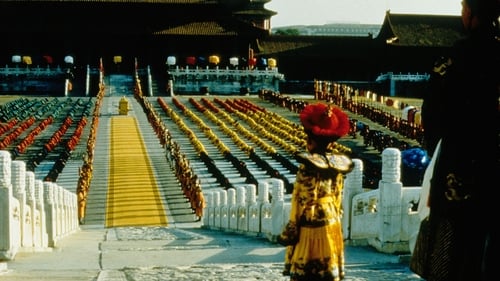
A dramatic history of Pu Yi, the last of the Emperors of China, from his lofty birth and brief reign in the Forbidden City, the object of worship by half a billion people; through his abdication, his decline and dissolute lifestyle; his exploitation by the invading Japanese, and finally to his obscure existence as just another peasant worker in the People's Republic.
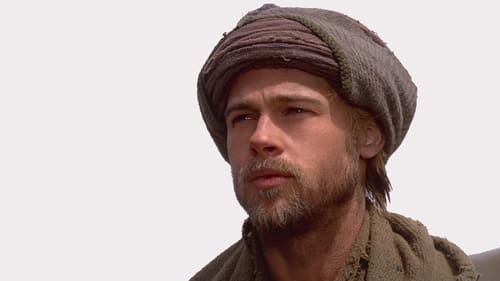
Austrian mountaineer Heinrich Harrer journeys to the Himalayas without his family to head an expedition in 1939. But when World War II breaks out, the arrogant Harrer falls into Allied forces' hands as a prisoner of war. He escapes with a fellow detainee and makes his way to Lhasa, Tibet, where he meets the 14-year-old Dalai Lama, whose friendship ultimately transforms his outlook on life.

An isolated lake, where an old monk lives in a small floating temple. The monk has a young boy living with him, learning to become a monk. We watch as seasons and years pass by.

A young fighter named Kham must go to Australia to retrieve his stolen elephant. With the help of a Thai-born Australian detective, Kham must take on all comers, including a gang led by an evil woman and her two deadly bodyguards.

After a Tibetan boy, the mystical Golden Child, is kidnapped by the evil Sardo Numspa, humankind's fate hangs in the balance. On the other side of the world in Los Angeles, the priestess Kee Nang seeks the Chosen One, who will save the boy from death. When Nang sees social worker Chandler Jarrell on television discussing his ability to find missing children, she solicits his expertise, despite his skepticism over being "chosen."

Tina Turner overcame impossible odds to become one of the first female Black artists to reach a mainstream international audience. Her road to superstardom is an undeniable story of triumph over adversity. It’s the ultimate story of survival – and an inspirational story of our times.

In a world plagued by demons who cause great human suffering, young demon hunter Tang Sanzang must fight against monstrous demons, as well as contend with a beautiful demon hunting woman on his path to enlightenment.

The all-powerful Monkey King once roamed freely between Heaven and Earth, but after angering the Gods, he was imprisoned within an ice cage deep within the mountains. 500 years later, monsters attack a small village and a child flees to the mountains. Unknowingly, the child releases the Monkey King from his curse. With the help and encouragement from this special child, Monkey King saves the village from the evil monsters.

Suffering from acute kidney failure, Boonmee has chosen to spend his final days surrounded by his loved ones in the countryside. Surprisingly, the ghost of his deceased wife appears to care for him, and his long lost son returns home in a non-human form. Contemplating the reasons for his illness, Boonmee treks through the jungle with his family to a mysterious hilltop cave—the birthplace of his first life.
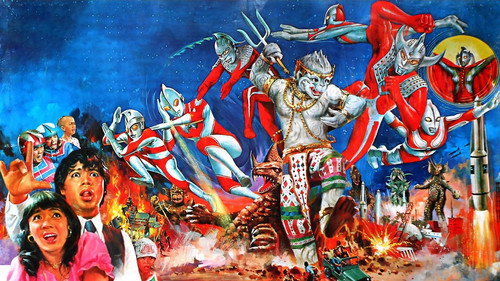
After a valiant Thai boy is brutally murdered by a gang of archeological looters, his soul is joined with the Hindu god Hanuman, who teams up with Ultraman and his brethren against familiar Ultra-foes unleashed by a weather control experiment gone awry, in this influential Thai-Japanese co-production.

A new couple and their families reckon with modern love amid culture clashes, societal expectations and generational differences.
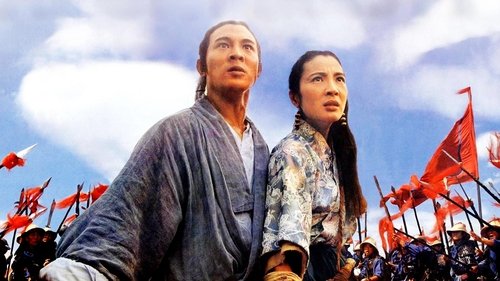
Falsely accused for cheating in a martial arts competition, two boyhood friends are banished from their Shaolin Temple and go their separate ways. As adults, they join opposing sides in a civil war. When one betrays the other, they settle their differences mano-a-mano.
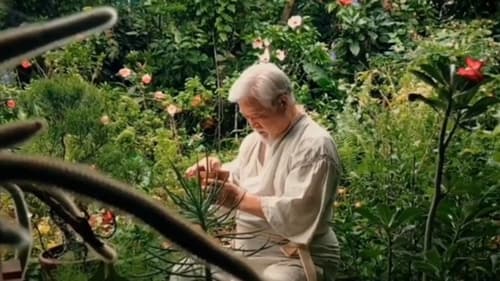
A poet and a spirit have an ongoing deal: Haiku for life.
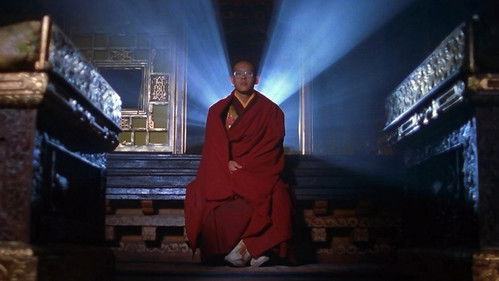
From childhood to adulthood, Tibet's fourteenth Dalai Lama deals with Chinese oppression and other problems.
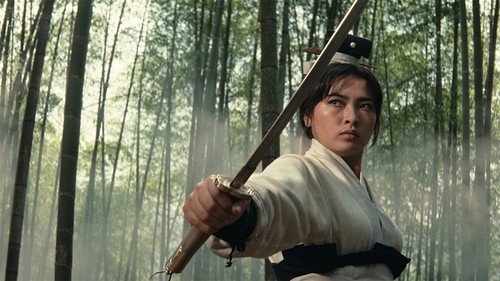
Yang Hui-zhen, a mysterious princess on the run from corrupt government officials, is joined in her endeavors by skilled Buddhist monks and an unambitious painter named Gu Sheng-zhai.
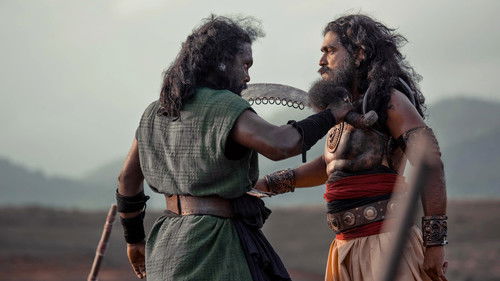
Aloko Udapadi is a Sinhalese epic historical film based on the story of King Valagamba of Anuradhapura (89 – 77 BCE).

1950s Saigon through the eyes of Mui, a Vietnamese servant girl. At 10 years-old, Mui leaves her village to work for an affluent, troubled family. As she comes of age, Mui finds work in the household of a pianist she has admired since childhood, and finds their relationship growing in complexity.
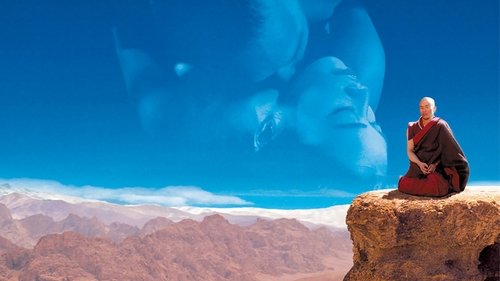
A love story situated in the Himalayas. A Buddhist monk can't choose between life and the way of the Buddha.
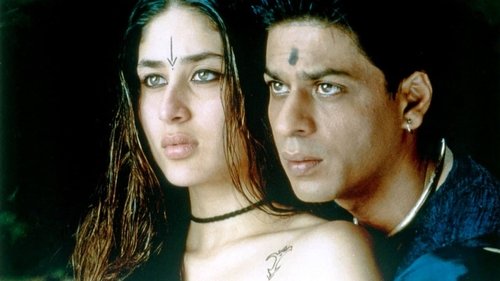
A young Prince Asoka works to perfect his skills in battle and also deals with family conflict. During a struggle with one of his step-brothers, his mother urges Asoka to escape to stay alive. While away, Asoka meets Kaurwaki and falls in love, but must use his skills as a warrior to protect her. A dangerous and heartbreaking web of conspiracy follows, which leads Asoka to embrace a Buddhist path.

Giovanni currently lives a dreary life of near non-stop work. At school, his peers ridicule him incessantly, and his employer at work is distant and cold. As his isolation from society becomes unbearable, he suddenly finds himself on a train heading far away from his miserable home. Accompanied by Campanella, an acquaintance from school, Giovanni embarks on a journey that will define the rest of his life.