
Action
Adventure
Animation
Comedy
Crime
Documentary
Drama
Family
Fantasy
History
Horror
Music
Mystery
Romance
Science Fiction
Thriller
War
Western
Found 26 movies, 2 TV shows, and 0 people
Can't find what you're looking for?

A simple peasant is forced to take up arms to defend his farm during the Spanish Civil War. Along the way he falls in love with a Russian girl whose father is involved in espionage.
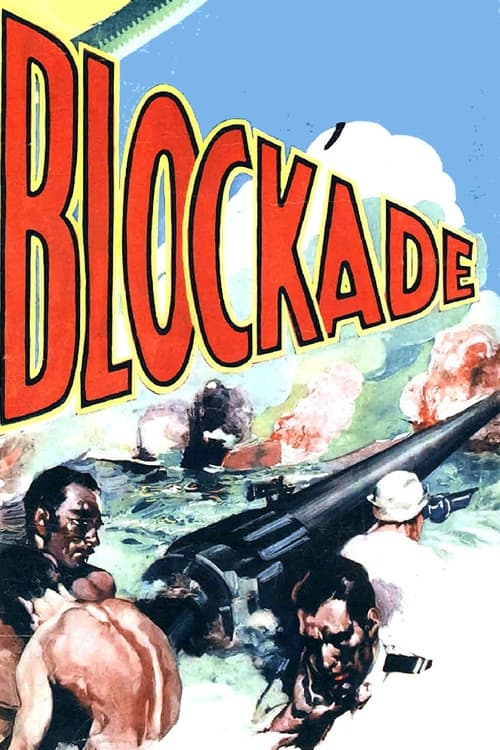
Blockade was one of those curious 1929 hybrids known as a "part-talkie." The story of a dauntless female prohibition agent. In her pursuit of a gang of Florida rum-runners, Bess assumes three identities. At various junctures, she is "herself," a society belle and a gangster's moll.
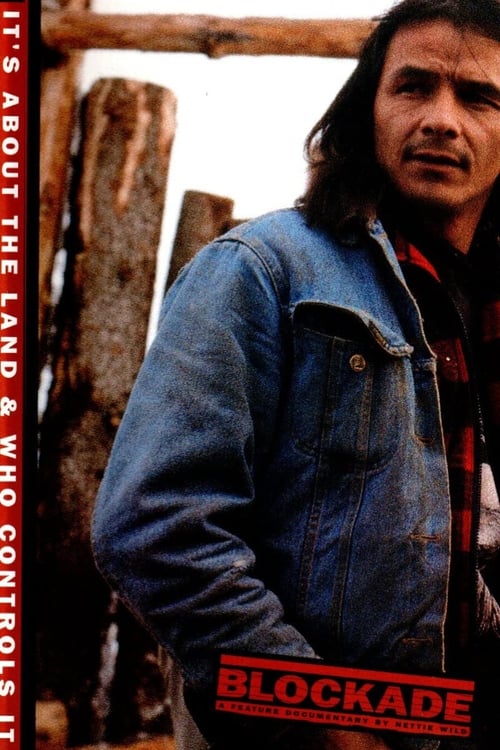
"Blockade" takes place in the mountains and valleys of northern British Columbia, at the heart of the boldest aboriginal land claims case to challenge the white history of Canada. The Gitksan and Wet'suwet'en hereditary chiefs claim that everything within 22,000 square miles, including the trees, is rightfully theirs.
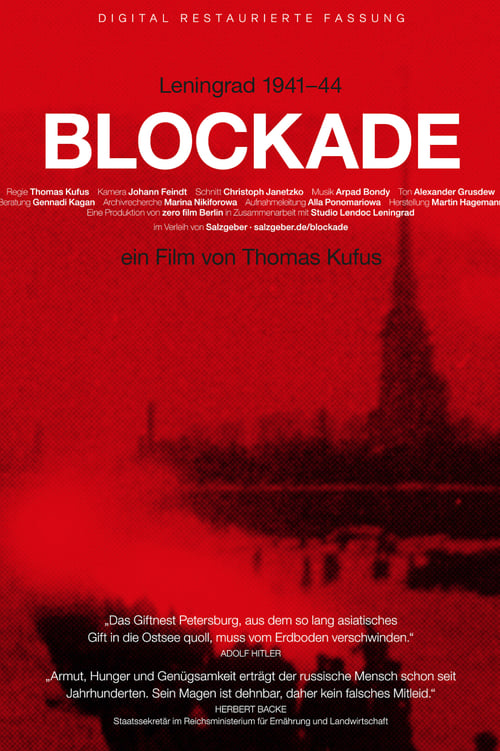
During the Second World War, Leningrad was besieged by German troops. A merciless struggle for survival erupted. People were starving and afraid, yet they did not give up but kept on fighting, refusing to surrender.
The documentary tells about the feat of Leningrad residents, the work of architects and mountaineers, the masking of the city and the preservation of monuments. Thanks to the unique chronicle, drawings and photographs, eyewitness accounts and analysis of historians, fragments and motives of the play " Hecatomb. Siege diary " the film rediscovers the events of the terrible and Holy days of the siege of Leningrad.
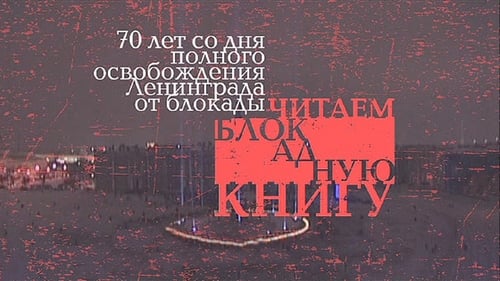
Famous actors and ordinary people from all walks of life read stories from a book describing the 900-day siege of Leningrad during World War II.
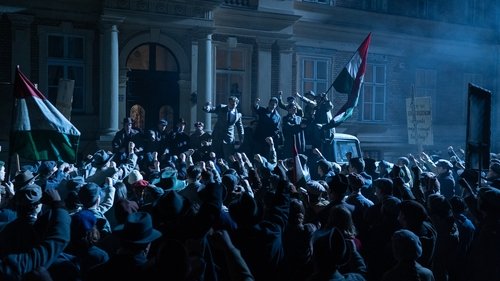
The fresh president of Hungary find himself in trouble with taxi drivers. The taxi drives are disappointed in the democracy and protesting against the drasticly raising gas prices. The drivers build blockades all over the capital.

There’s a spider secretly settles in my room. Sometimes it appears with its cutesy bearing and somehow, I can feel its building nests in my brain, obscuring things that I can’t or am unwilling to remember, where all the insane and violent thoughts are lurking. This 8-feet little thing only shows its face in unexpected moments silently but is still moving in this enclosed room, even today.

Music, dance and art are not just components of human existence. It's something that can keep you alive when there's nothing else left. We know examples when only the strength of the spirit, backed by hope, helped people to survive in the most difficult conditions and resist cold, hunger and death itself.
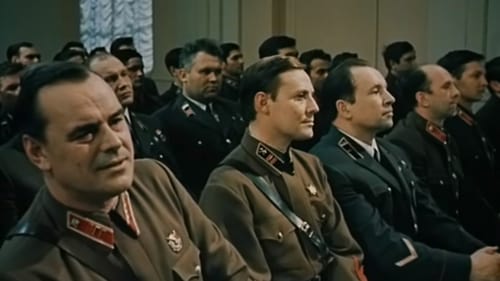
In June 1941, the Extraordinary Defense Headquarters of Leningrad, under the leadership of Zhdanov and Voroshilov, decided to build the Luga defensive line. Heavy fighting west of Pskov forced units of the front to withdraw, and on July 9, Pskov was also abandoned. The battles in the Luga direction held back the enemy. The first attacks of the Germans, intending to cross the Luga line on the move, were repulsed with heavy losses for them.
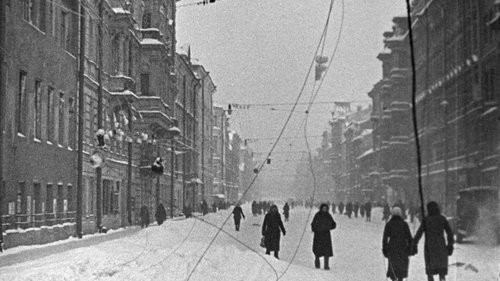
The images comprise only of material Sergei Loznitsa found in the Moscow film archives about the siege of Leningrad during the World War II. By providing the originally silent images with a meticulously reconstructed soundtrack, the scenes from everyday life under siege seem to be set in the present. By not intervening in the montage but giving the scenes room to tell a story, the scenes transcend the specific historic events and lead a new life. They do not evoke memories of the past, but become a breathtaking reanimation of reality.
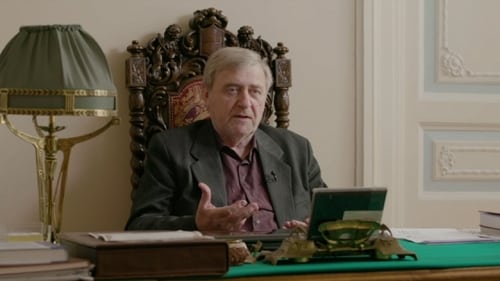
The film tells how in the iron blockade of the blockade worked "the blood factory", the Institute of blood transfusion that provided the Leningrad front and the city in this strategic resource: blood donation. The blood bond between the city and its defenders was a very important factor in breaking the blockade and finally crushing the enemy. Due to a prolonged lack of food and a very great psychic stress the blood of the inhabitants of Leningrad has undergone phenomenal biochemical transformations which have had consequences for the following generations. The hypothesis confirmed by the latest research by geneticists and biologists is that this 900-day "forced fast" suffered by people during the blockade gave a post-war generation with a specific mentality and a spirit of sacrifice of the inhabitants. from Saint Petersburg.
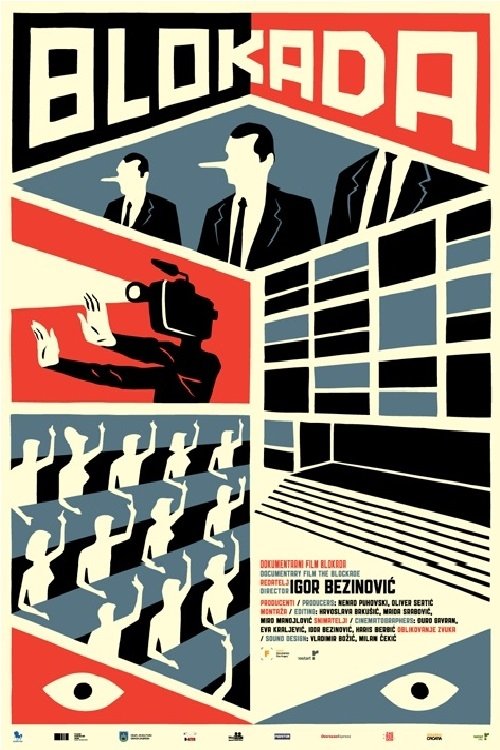
The Blockade is a unique view from within on the most massive, longest, and politically most significant student protest in the country, since 1971, that started in April of 2009 at the Faculty of humanities and Social Sciences in Zagreb. The struggle against the commercialization of education and the blockade of teaching classes lasted for 34 days. The rebellion spread onto more than 20 faculties across the country and the students became an active and relevant political subject. The director followed everything: from the exhilarating preparation meetings and blocking of classes to the first signs of exhaustion, through personal situations and discussions late at night, from the initial support of most faculty members to the moment they turned their back to the movement and the attempt to reach the missing minister of education. This film shows that the blockade was not just physical and that it has a much broader meaning.

For thirty years, during the Armenian enclave of Nagorno-Karabakh, Chinari’s inhabitants have been trying to survive the war between the Azeris and the Armenians along with the difficult conditions imposed by the blockade. A close-up account of everyday life in a land without peace.
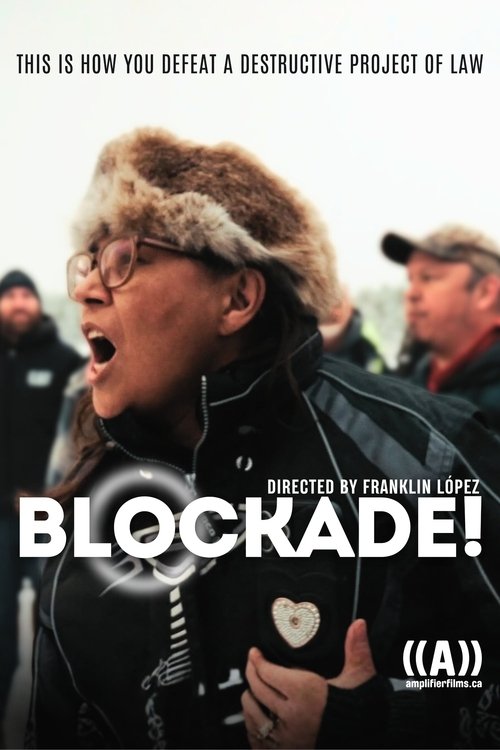
This short documentary follows land defenders and their allies in their fight against Law 97, a forestry reform that would have handed over the province’s remaining forests to industry. Through footage shot across multiple blockades and camps, the film shows how Indigenous resistance forced the government to withdraw the bill — a victory that mainstream media largely ignored.
No description available for this movie.
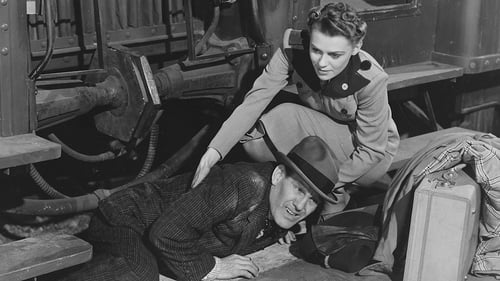
Wartime propaganda piece reporting on the success of the economic blockade of Germany in the early years of the war.
No description available for this movie.
In July of 2019 the Blackjewel coal company announced it was declaring bankruptcy. Miners were told to stop working mid shift, and their last paychecks bounced. The miners retaliated by blocking a train full of coal, camping out on the coal tracks for weeks. Queer regional organizers made their way to the encampment to support the miners. The encampment became a place for community gathering and mutual aid distribution. Sarah Moyer, a film maker living in Kentucky, also made their way to the encampment and filmed this short documentary on the blockade. (Summary from Queer Appalachia)
Blockade follows the Barriere Lake Algonquins as they take on the government and the logging industry in a struggle to save their traditional hunting grounds and way of life. In September, 1989, this small First Nations community blockaded six new logging roads, calling for a moratorium on logging and insisting that the government address their concerns. Filmed on location during the period of the blockade, this film raises important questions about our attitudes toward the environment, the exploitation of our natural resources and the rights and treatment of Indigenous peoples.
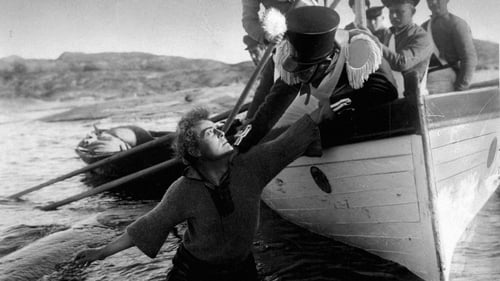
Terje Vigen, a sailor, suffers the loss of his family through the inflexibility of another man. Years later, when his enemy's family finds itself dependent on his benevolence, Terje must decide whether to avenge himself.
Morocco doesn’t want you to know what’s happening in the occupied territories of the Western Sahara. The Saharawi people live under constant threat. They can’t mention either the Western Sahara or “referendum”. The situation is known as “The Problem”. Foreign journalists who attempt to take pictures or shoot with a video camera in the Western Sahara are immediately expelled from this former Spanish colony. For Saharawis it means harsh repression from the Moroccan police, who intend to silence the Saharawi population. Welcome to the last colony in Africa. We visited this place. We spent four years compiling material and gathering testimonies from journalists and other professionals who know what’s really happening in the Western Sahara. All of it undocumented until now.
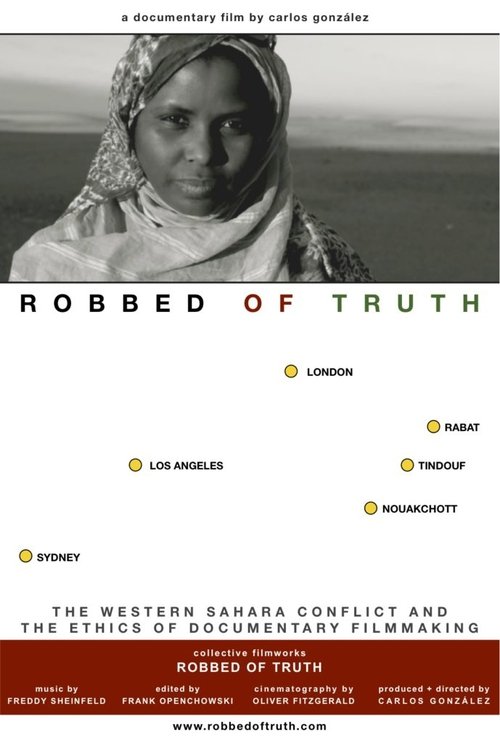
This is the true story of Fetim Salam, a Saharawi refugee falsely portrayed as a slave in the Australian documentary 'Stolen'. Australian filmmakers, Violeta Ayala and Daniel Fallshaw, travel to the Saharawi refugee camps in Tindouf, Algeria in 2007 and claim to discover 20,000 slaves in the camps run by the independence movement Polisario Front. Refugees are outraged for being portrayed as slaves, and humanitarian aid workers are incredulous about these allegations as they know the camps intimately. Filmmaker Carlos Gonzalez retraces their steps in search of the truth and finds a web of lies, misinformation and Moroccan operatives reshaping the truth.
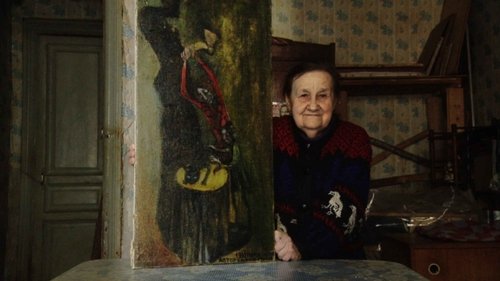
The documentary focuses on the struggles of those who survived the long siege by German forces during World War II (from 8 September 1941 to 27 January 1944). The three million inhabitants of Leningrad (now renamed St Petersburg) suffered extremes of starvation and deprivation.
This report was carried out clandestinely in the occupied territories of Western Sahara. In it testimonies are heard concerning the plunder of natural resources, the repression and the camp of Gdeim Izik. The report ends with the expulsion of the journalists by the Moroccan police.
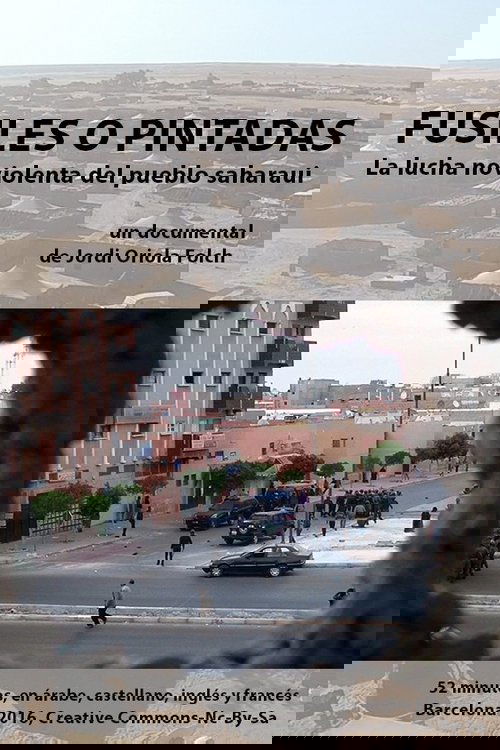
Many Saharawis are claiming to return to war in order to break the impasse of wainting during 40 years. However, the Sahrawi nonviolent activists argue that they are pushing Morocco to an untenable position. For them, the nonviolent action and the respect of human rights make Sahrawis part of the new world that is coming and also they are building a sane society. The documentary explores this debate with activists of the refugee camps and of the occupied territories.