
Action
Adventure
Animation
Comedy
Crime
Documentary
Drama
Family
Fantasy
History
Horror
Music
Mystery
Romance
Science Fiction
Thriller
War
Western
Found 34 movies, 6 TV shows, and 0 people
Can't find what you're looking for?
It catches the essence of the no man’s land in which an accused artist found himself. In the hysteria of the political witch hunt neither society nor the law offered a way out.
A satire comedy movie set in the background of a prison cell where people gather together to talk about their lives and the world. Prison is noisy because of religious disputes on the day the pastor and the monk were fictional. One day, one new prisoner enters and claims to be a "God."

Blacklist is a video all about one trip to Lake Powell by the wakeboarding and wakeskating world's most progressive and well-known riders. If that sounds familiar, it might be because it's the same formula that was used for one of the best wakeboarding films of all time, Mayday. Instead of FLF who produced Mayday, Blacklist is a collaboration between a trio of the sport's top video people in Justin Stephens of Cadmium Films, Ronn Seidenglanz of Sidewayz, and Joey Meddock
A Black Beret entry by Niño Batac in partial fulfillment for their directing class under John Dalog Torres.

No description available for this movie.
Documentary following the hearings held by the House Un-American Activities Committee of the '40s and '50s.
After a girl finds an old book called "The Blacklist" in her bungalow, she uses it on her abusive husband.
Live - Mexico City / Rockotitlan 1995 DVD-1 Nazarene 3:36 DVD-2 Silent Siren 5:03 DVD-3 Sideshow 4:29 DVD-4 Harlot 3:17 DVD-5 Watchtower 4:48 DVD-6 Sheet Metal Eyes 3:29 Bonus Studio Videos DVD-7 Christine 3:16 DVD-8 Locomotive Age 4:14
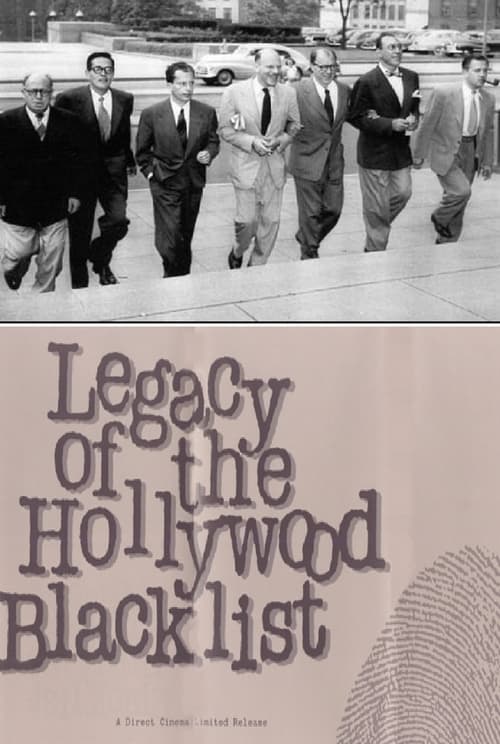
This one-hour film, narrated by Actor BURT LANCASTER, explores the lingering effects of The Hollywood Blacklist, which occurred in the late forties and early fifties as part of the Anti-Communist witch-hunts that terrorized the nation. This film is seen through the eyes of the wives and children of the now deceased Hollywood figures whose careers were destroyed when studio bosses, along with guild and union officials capitulated to the demands of the House Un-American Activities Committee.
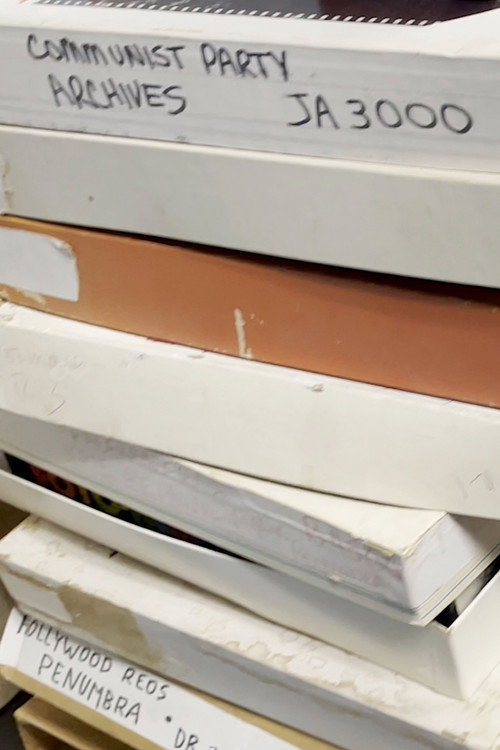
Featuring previously unseen footage from an early-1980s Los Angeles party honouring the blacklistees. (Note: this is an expanded version of footage previously used in "La dernière fête des blacklistés", 2025)
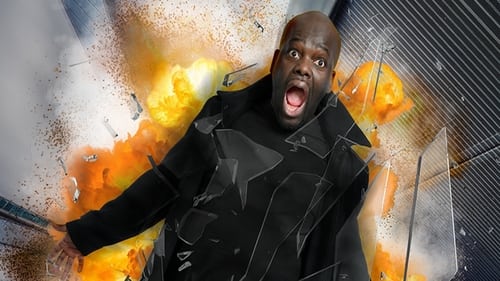
In his hilarious, daring new show, Blah Blah Blacklist, Daliso Chaponda looks at disgraced blacklisted celebrities and historical figures we're ashamed we once admired and who now have let us down. There's also the small matter of family member arrests, exploding buildings in his home country, the enterprising Malawian who tried to blackmail Daliso and being accused by some of his own community that he's 'not Black enough'...
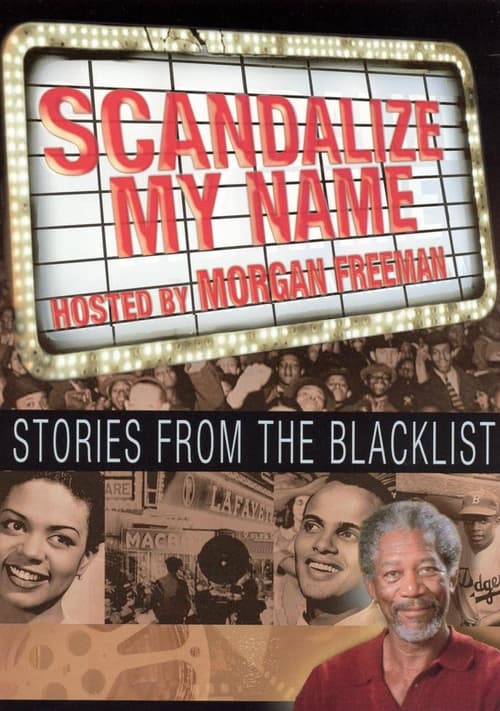
A look at the confluence of the Red Scare, McCarthyism, and blacklists with the post-war activism by African Americans seeking more and better roles on radio, television, and stage. It begins in Harlem, measures the impact of Paul Robeson and the campaign to bring him down, looks at the role of HUAC, J. Edgar Hoover and of journalists such as Ed Sullivan, and ends with a tribute to Canada Lee. Throughout are interviews with men and women who were there, including Dick Campbell of the Rose McLendon Players and Fredrick O'Neal of the American Negro Theatre. In the 1940s and 1950s, anti-Communism was one more tool to maintain Jim Crow and to keep down African-Americans.
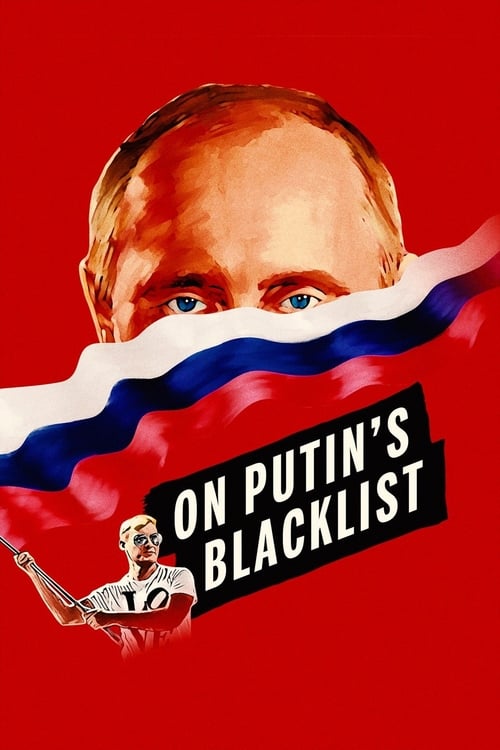
Traces the new Cold War between Russia and the West from the ban on American citizens adopting Russian children to the Kremlin’s anti-LGBTQ campaign, which positions the international marriage equality movement as a national threat.

Clancy Sigal ventured everywhere and accomplished everything a bold spirit possibly can in the turbulent course of a mere lifetime: street-smart city kid, precinct worker, union organizer, soldier, UCLA graduate, Hollywood agent, target of McCarthyism, European emigre, Fleet Street journalist, novelist, staunch leftist disdainful of party lines, enemy of cant of any kind, psychedelic journeyer, skeptical devotee of psychiatrist R. D. Laing, National Book Award nominee, and screenwriter of Frida and other films. An eloquent radical who shook up things in every milieu he encountered, nothing he ever wrote was predictable, except for the compassion, dark humor and demand for social justice always at the core.
Historian Larry Ceplair and blacklisted screenwriter Walter Bernstein discuss the production history of High Noon, Carl Foreman's blacklisting, and the McCarthy era.
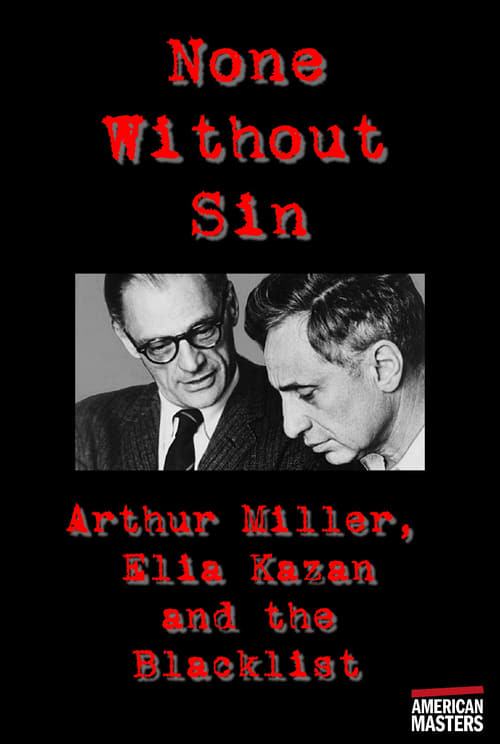
Director Elia Kazan and playwright Arthur Miller were once best friends and professional colleagues, to most that knew them then in both capacities as soul mates. Their politics were similar which was reflected in their work. Kazan was a Communist Party member for a few years in the mid-1930's, but Miller never officially joined the party ranks. Their relationship changed in the early 1950's when Kazan was subpoenaed to testify in front of the House Un-American Activities Committee where he named names of Communist Party members past and present.
Larry Ceplair, co-author of The Inquisition in Hollywood, and blacklisted screenwriter Walter Bernstein, a former member of the Communist Party, discuss the socio-political environment in Hollywood during the 1940s and 1950s, as well as unusual production history of "Johnny Guitar."
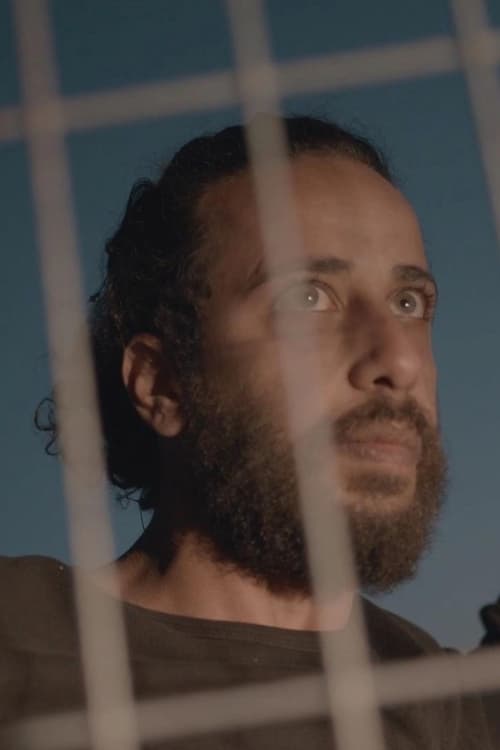
A Palestinian young man is being interrogated for crossing the border and suspected to be a terrorist while his true intentions stay hidden.
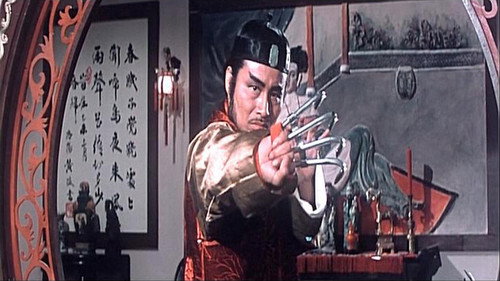
Two brothers, one wrongly accused of a crime, go on a mission of vengeance to find the men who framed him.
The story of how and why an American programmer tried to censor an Iranian-American filmmaker for making a film about censorship in the Middle East.
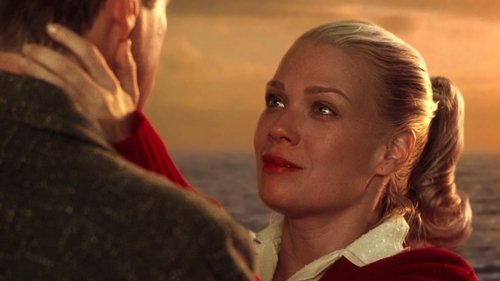
Set in 1951, a blacklisted Hollywood writer gets into a car accident, loses his memory and settles down in a small town where he is mistaken for a long-lost son.
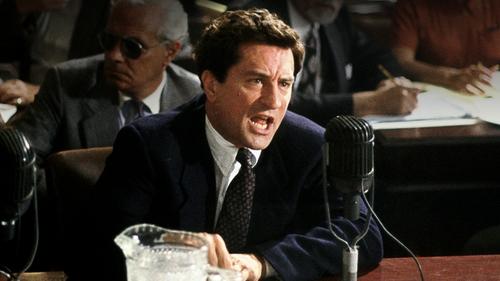
Owing to his alleged involvement with communist parties, film director David Merrill is forbidden from working in Hollywood. He decides to fight for his rights and faces numerous challenges.
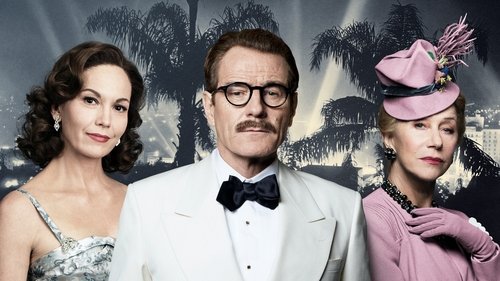
The career of screenwriter Dalton Trumbo is halted by a witch hunt in the late 1940s when he defies the anti-communist HUAC committee and is blacklisted.

For over 100 years, Hollywood cinema has crafted the ultimate "villain"- the Indian, as they were labeled in early Westerns. Confined almost exclusively to this genre, the Western became a vehicle for American racism, obscuring the genocide upon which the United States was built. In this documentary, only Native Americans are given a voice to share their story, one that has been overshadowed by Hollywood's portrayal. Their narrative, part of the larger American story, highlights how cinema has long been used as a powerful propaganda tool, distorting history and perpetuating harmful stereotypes.
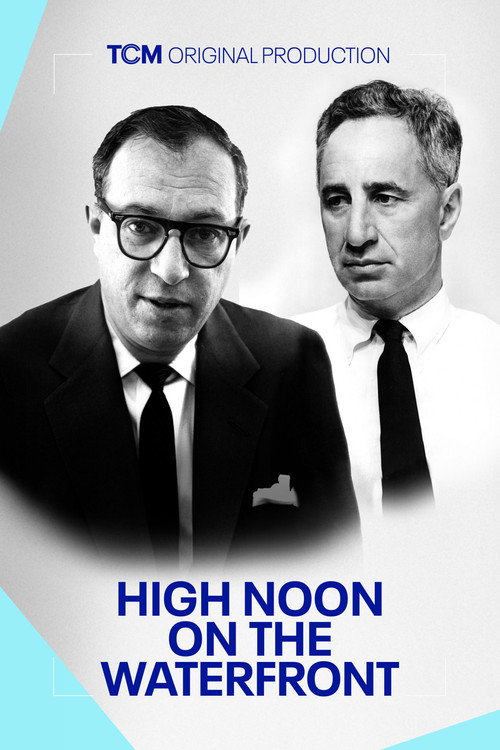
An inventive remembrance of the impact of the Hollywood blacklist on two American classics, rendered as a visually mesmerizing dialogue between Carl Foreman and Elia Kazan.
The story behind the novel and the film Johnny Got His Gun by Dalton Trumbo.
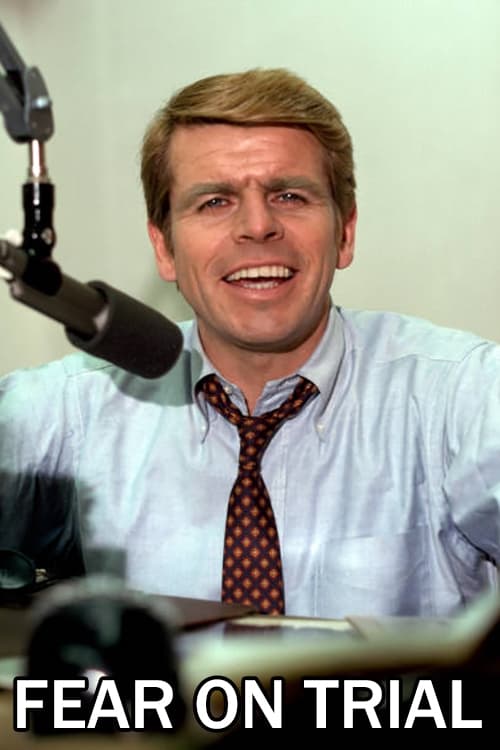
The story of John Henry Faulk, a radio/TV personality of the 1950s, who was blacklisted during the McCarthy era. Faulk sued the organization that was behind the blacklisting, and the resultant trial, and Faulk's victory, helped to put an end to the blacklisting period.
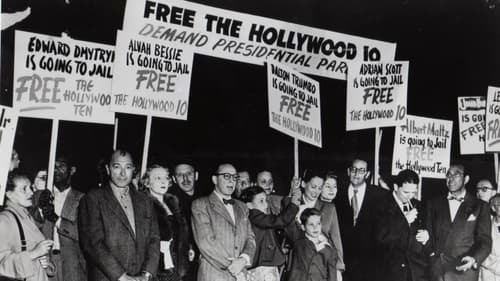
A documentary that examines the films made by the victims of the Hollywood Blacklist and offers a radically different perspective on a key period in the history of American cinema.
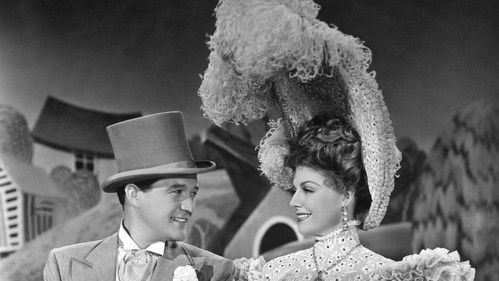
Biographical movie about the early 20th century broadway stars Nora Bayes and Jack Norworth.
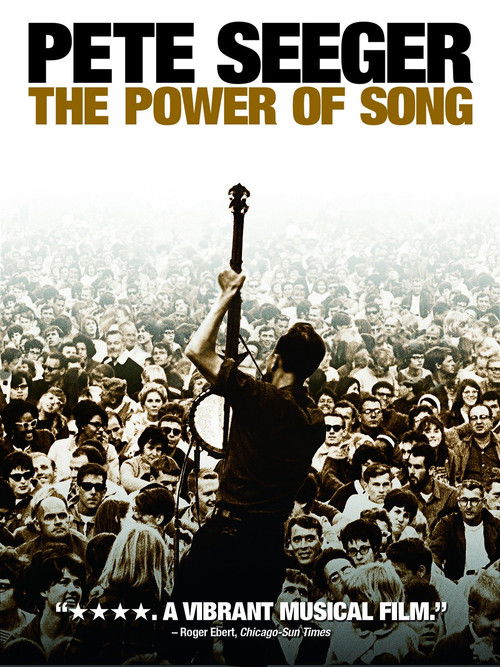
Interviews, archival footage and home movies are used to illustrate a social history of folk artist and activist Pete Seeger.
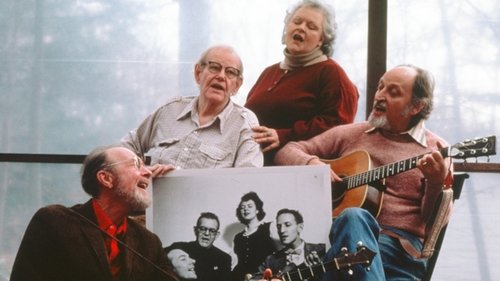
Documentary about the blacklisted folk group The Weavers, and the events leading up to their triumphant return to Carnegie Hall.
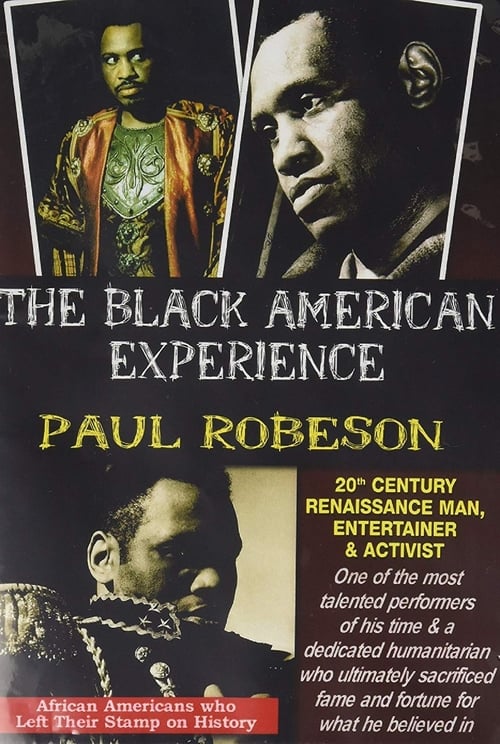
Paul Robeson was a celebrated African-American Actor, Athlete, Singer, Writer, and Civil Rights Activist. Robeson's many achievements are chronicled in this program, ranging from playing with the NFL to graduating from Columbia Law School, performing on Broadway and in Hollywood films to founding the American Crusade against Lynching as well as Council on African Affairs. Robeson was one of the most talented performers of his time and a dedicated humanitarian who ultimately sacrificed fame and fortune for what he believed in. His association with Leftist Politics during the era of the Cold War, and frequent denouncing of American political parties led to his eventual blacklisting with other prominent writers and artists during the McCarthy Era. His talents in all areas are remarkable, and his dedication to attaining a peaceful coexistence between all the people of the world is truly admirable.
Jimmy McNamara is an ex-writer and WWII vet turned accountant who receives a call from Vivian, his ex-fiance and nightclub singer. Vivian got a Hollywood contract and is taking Jimmy with her. All he has to do is retrieve the negatives of compromising pictures that put her bright future in danger. But Jimmy's mission might not be as simple as it seems.

In his Lost Coast home, Alexander Cockburn recounts a personal history of Beat the Devil, the John Huston movie. When Lennard first read Beat the Devil – the book – she was amazed to discover James Helvick was the pseudonym for journalist Claud Cockburn, father of her friend Alexander. 2014, Elizabeth Lennard and CounterPunch.