
Action
Adventure
Animation
Comedy
Crime
Documentary
Drama
Family
Fantasy
History
Horror
Music
Mystery
Romance
Science Fiction
Thriller
War
Western
Found 37 movies, 4 TV shows, and 2 people
Can't find what you're looking for?
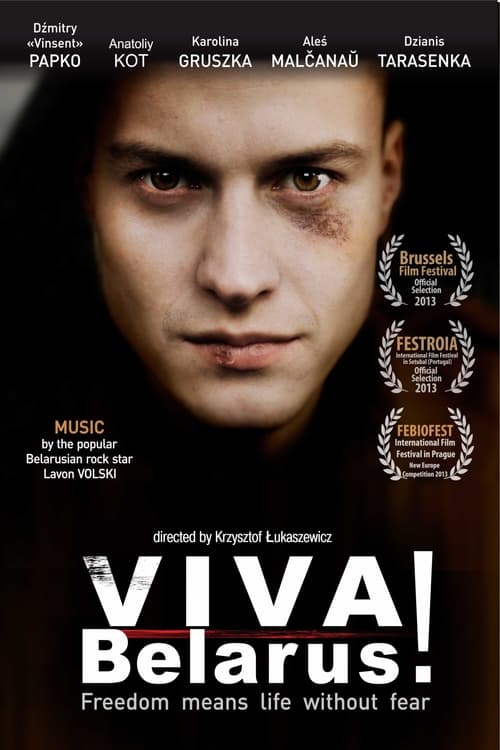
Belarus has been under dictatorship of Lukashenko for 15 years. Miron (23) is not interested in politics. However, the next concert of his 'apolitical' rock band triggers off an anti-regime manifestation. Miron, is enlisted for the army for 15 months by way of punishment for 'fomenting political unrest among young people'. And this is just a beginning.. A film inspired by the story of Frank Viachorka, activist of the Belorussian opposition. Starring top Belorussian cinema and rock stars.

Victor Asliuk's contrast of rural and urban life in Belarus examines the tangible differences between the young in the city and the elderly in the village and between modernity and tradition, interspersing modern images with archive material depicting the countryside as it used to be.
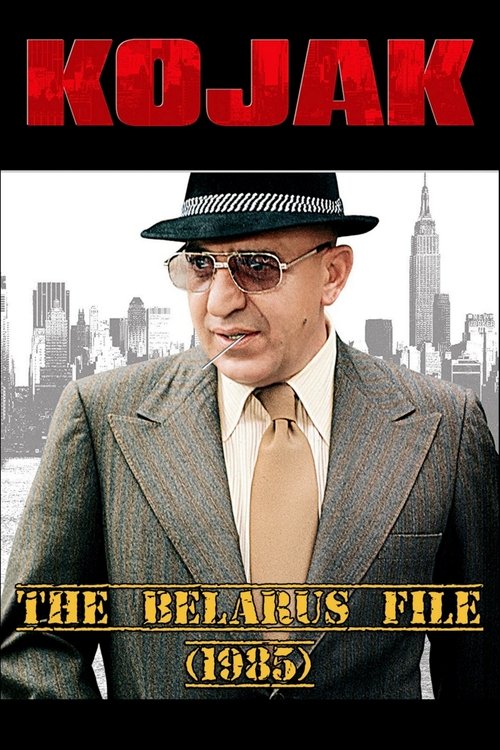
Lt. Theo Kojak uncovers a Nazi conspiracy.
"Love in Belarus" is love through the prison bars for Nasta Palazhanka and Dzmitry Dashkevich . They met in the "Young Front" - illegal Democratic organization. After protests in December 2010, they were put in prison. After detention in a KGB pretrial center Nasta was sentenced to a year of probation, and Dmitry was thrown in jail almost for three years. During his detention Dzmitry’s mom died, and Nastya remained the sole support for his father. The young couple married in prison, and on August 28, 2013 the leader of the "Young Front " was released. The lovers wrote thousands of letters to each other from behind the bars. These letters tell us about the feelings of young Belarusians, who fell in love in the time of the dictatorship.

Belarus is the only country in Europe where there is still a compulsory assignment of students studying at the expense of the state budget. The best graduates of the country who have passed a large competition for admission and who have earned the right to study for free with their knowledge are sent to places where no one else agrees to work due to difficult working conditions and lack of infrastructure.

In this cinematic zine, directors scattered all over the world adapt to screen hilarious and poignant Belarusian news stories. Featuring phone thieves, TikTok storks, the tiniest castle in the world, and victims of the depression epidemic.
The film consists of audio tracks from amateur videos taken during the 2020 protests in Belarus: the sounds of people being beaten, dinner in the kitchen to the sounds of gunfire outside the window, the heavy breathing of those running away, the sobbing of a person filming from a balcony, etc. The visuals of the film are a recording from a video surveillance camera in Minsk. Nothing is happening on the screen; it's just a city square and people walking by, living normal lives, but the sounds you hear prove that their lives are no longer normal anymore. This CCTV view looks almost like a prison cell view—the same angle, the same grays, the same grainy texture, and the same figures in the lower part of the frame.
No description available for this movie.
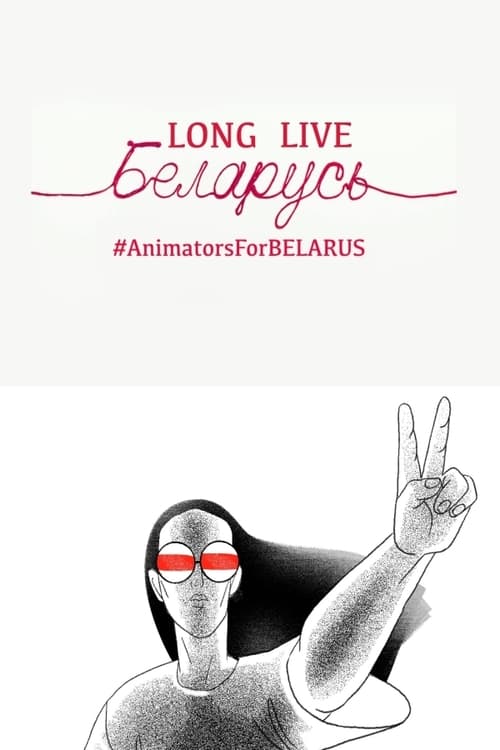
Over 50 animators from 19 countries collaborated to support Belarusians in their peaceful protests for fair elections and freedom. The animators offered their interpretation of the recent events in Belarus, creating the animated chronicles of these dramatic events. The white-red-white flag is a historical symbol of Belarus and has become a symbol of peace, protest, and hope for the people of Belarus. The youngest animator who participated in the project is only 12 years old.
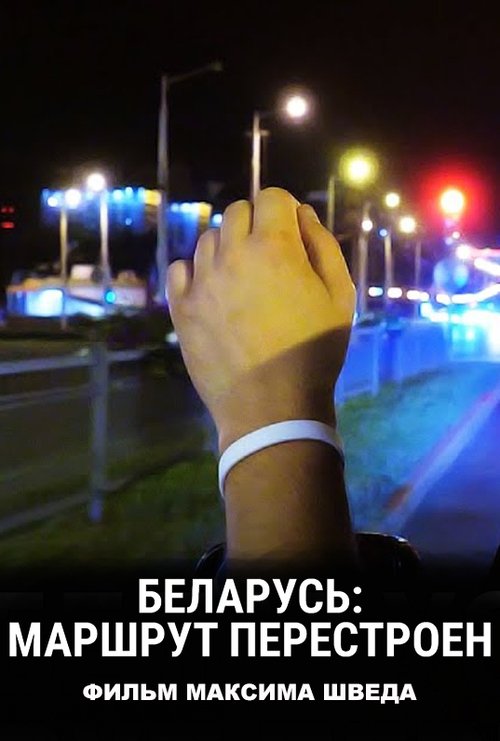
On August 9, presidential elections were held in Belarus. The results, according to which Alexander Lukashenko won, were not recognized by 14 countries. Protests and mass detentions of protesters have been taking place in the country for more than two months. Documentary director Maxim Shved, in order to capture the mood of people and their political views, installed cameras in the cars of two taxi drivers, Pavel and Anna. They talk to passengers, and inevitably their dialogues come down to politics.
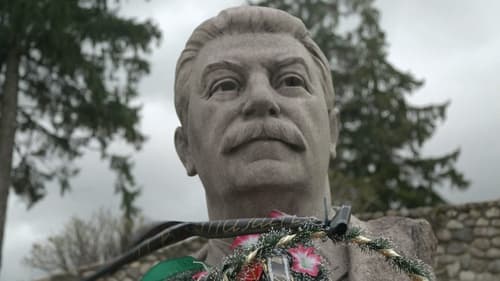
It’s the last dictatorship of Europe, caught in a Soviet time-warp, where the secret police is still called the KGB and the president rules by fear. Disappearances, political assassinations, waves of repression and mass arrests are all regular occurances. But while half of Belarus moves closer to Russia, the other half is trying to resist…

For nearly 10 years, Belarus has had a Shelter — place for women victims of domestic violence. This is a big private house in Minsk. Many victims are brought here directly in their home clothes — the only thing they were able to escape from the aggressor. Belarus has not yet adopted a law on combating domestic violence. In this issue, you will find out the real stories of residents of the Shelter, what problems not only clients but also employees of the shelter have to face, and why it is so important to pass a law.
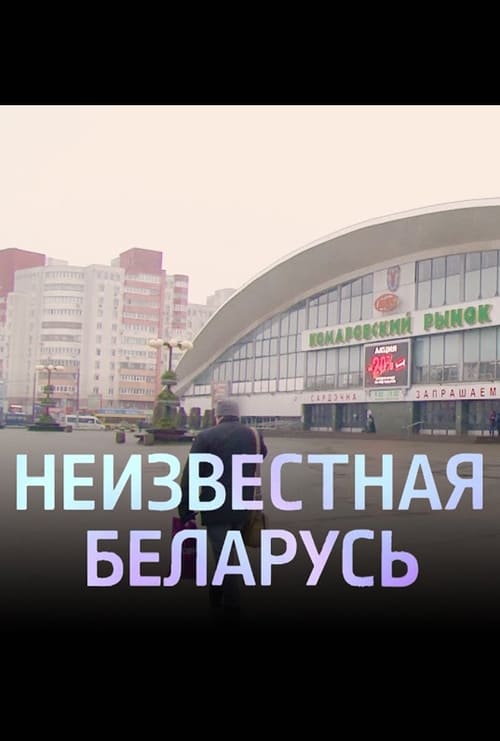
Minsk Komarovsky market is the main food market in Belarus. People call it “Komarovka”. It organically coexists people of all ages, backgrounds and characters. While for some the market has become a second home, others continue to dream of more.
Magicians in Minsk can be found performing magic tricks every day. What made them choose this career path?

The film presents the activities of Svetlana Tikhanovskaya from the moment she registered as a candidate for the presidency. An unknown housewife unexpectedly won the support of Belarusians.
After the start of mass protests in Belarus, demonstrators also appeared in Moscow - at the Belarusian embassy.

"Magutny Bozha" became one of the symbols of peaceful protesting for fair elections and human rights in Belarus since governmental brutality started escalating on 9th August 2020.
Belarus between 1941 and 1944 was an apocalyptic place with nights lit by flames from hundreds of torched villages and with soil soaked in the blood of countless victims.
“What’s Belarus?” is the authors’ point of view on modern Belarus. A schoolboy’s curiosity and the quest for justice don`t allow him to accept the opinion of adults for it is made of a set of labels and national symbols imposed by the school. What’s Belarus? How does it smell? What color is it? What is its form? How does it sound? The pupil goes to the streets to find the answers to all these questions.
The violent actions of the authorities did not stop the protests. The film "War" by Daria Demur, Ekaterina Ignashevich, Daria Gerasimenko and Maksia Pakhomov is about the street confrontation between demonstrators and the police.
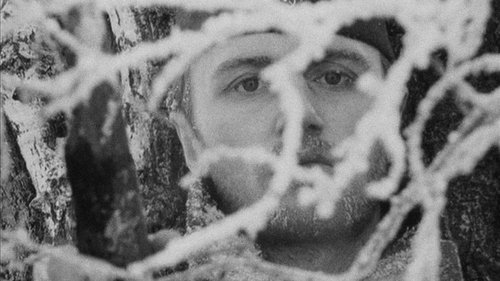
During a freezing WWII winter, two Soviet partisans on a mission to gather food contend with the temperature, the occupying Germans, and their own psyches.
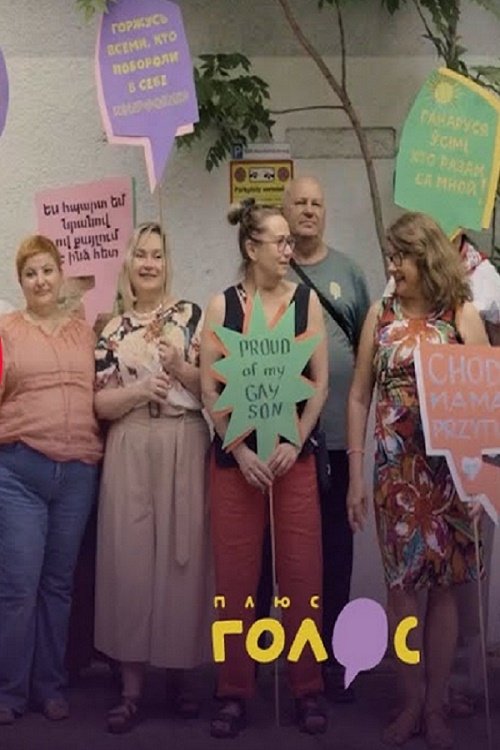
Mothers and fathers of gay, lesbian, and trans children from Georgia, Moldova, Russia, and Ukraine travel to Berlin to walk together in the Pride parade. Living under one roof, they prepare for the march — painting signs, cooking borscht, and reflecting on how their relationships with their queer children have evolved over the years.
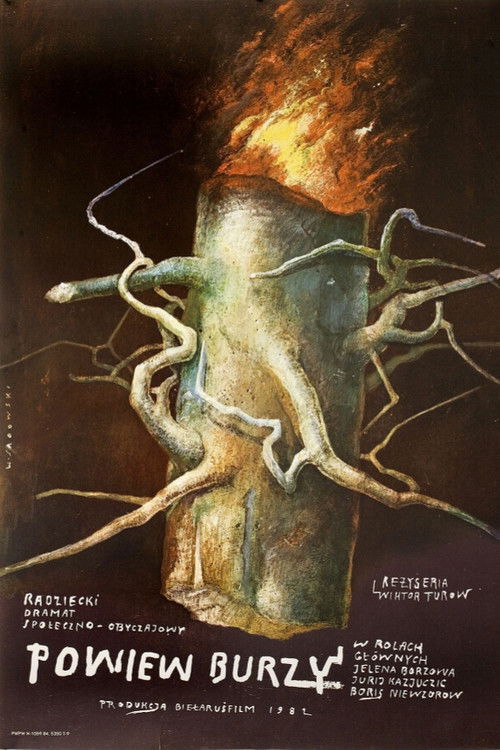
No description available for this movie.
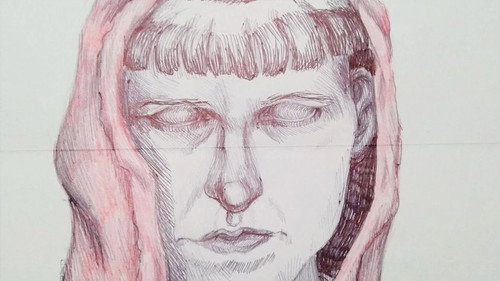
A hybrid documentary portraying contemporary Belarus through the individuals who have endured imprisonment, repression, and exile — voices from a silenced country, suffocated by the regime.
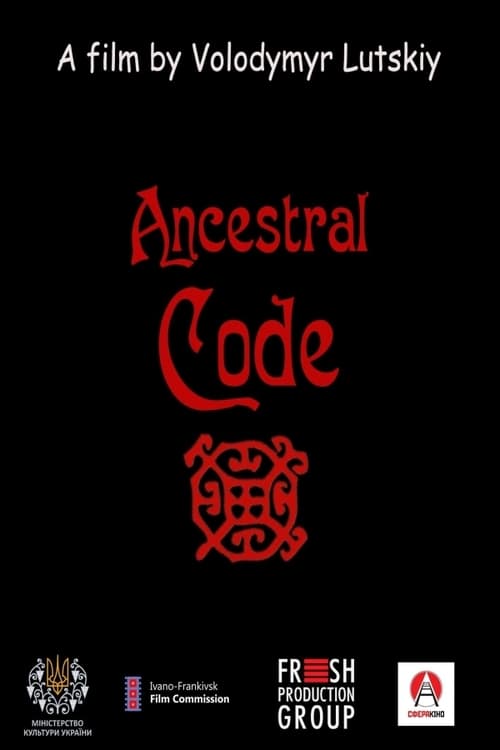
The documentary film ANCESTRAL CODE is a research into the origins of the Ukrainian and Belarusian peoples, the search for their identity through the study of the melodism of Slavic ethnographic heritage. Nowadays many people talk about brotherhood, spiritual intimacy, affinity. The authors analyze the connection between the neighboring peoples of Ukraine, Lithuania, Belarus and Poland through music and folklore.
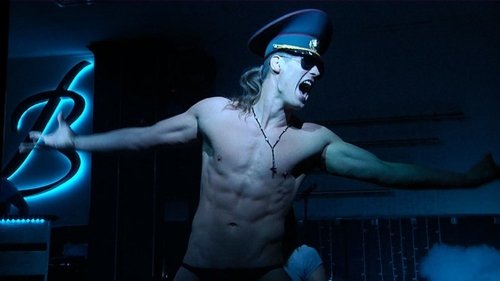
The film tells the story of a small family, consisting of a grandfather retired from the army, and his stripper grandson. It is not just a story of a relationship, but rather a reflection of entire Belarus and the post-Soviet, pro-Russian world. Moreover, it's a universally-recognized reflection of a generation gap.
The fate of Ilse Stein, a German Jew who was saved from certain death in a concentration camp by the love of a German Wehrmacht officer.
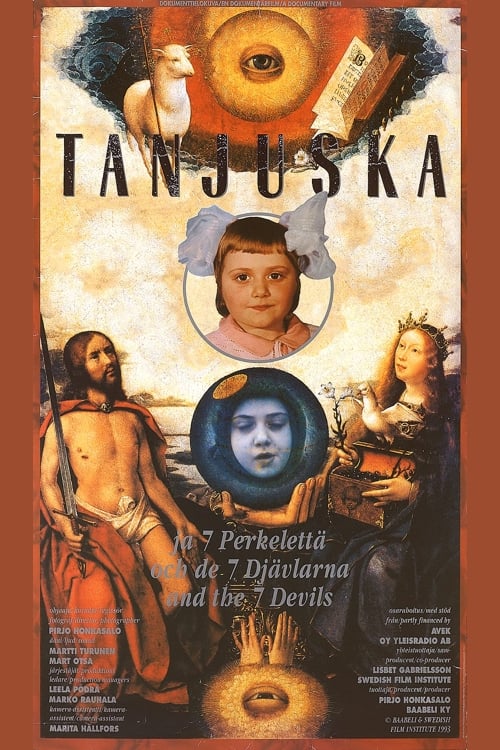
A documentary about Tanjuska who is a 12-year-old White-Russian schoolgirl, with a face like an icon. Two years ago she stopped eating, then talking and finally she stopped growing. The village priest in Estonia has explained to the family that seven devils have made a home inside Tanjuska. These devils are giving her orders and only a daily ceremony can force the devils to leave the girl.

Based on true events, a Belarusian journalist is arrested after covertly livestreaming brutal government crackdowns on peaceful demonstrators following rigged elections. Her husband, refusing to leave her, also faces recriminations from a regime determined to break them both.
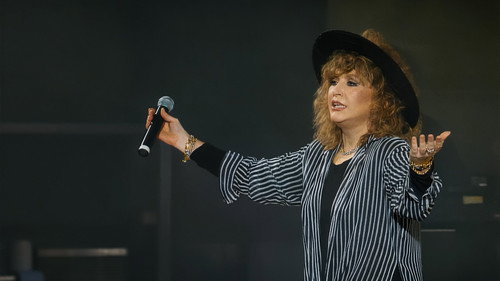
A solo live show by Alla Pugacheva, filmed on 23 July 1994 in Vitebsk, Belarus, as part of the 'Slavianski Bazaar '94' international arts festival. The concert was never officially broadcast at the time and remained unreleased for decades before being remastered.

Between 1930 and 1945, Eastern Europe experienced mass violence on an unprecedented scale. Hitler and Stalin exploited the vast region for their respective expansionist plans. It is estimated that around 14 million civilians were murdered—primarily Jews, Poles, Balts, Belarusians, and Ukrainians.
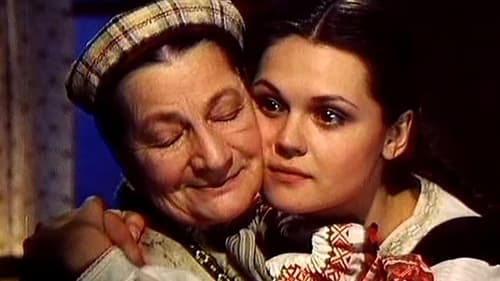
This story took place in a small Belarusian village at Christmas time. Having received a three-day vacation, Anatoly came here to play a wedding with the beautiful Lyuba. Their relatives take up the preparations and a funny pre-wedding huddle begins....
Based on a Belarussian folk song, movie tells a story of a poor peasant who goes to serve the landlord and is not successful in it.
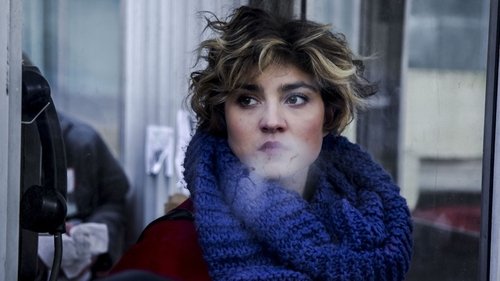
Minsk, Belarus, 1996. Velya, an aspiring DJ, wants to move to Chicago to make her dreams come true, but bureaucracy, a phone line and the human condition will put obstacles in her way that will be difficult to avoid.
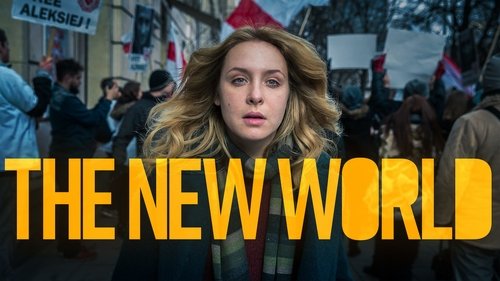
Three stories of immigrants trying to start new lives in Poland: an Afghan traumatised by the war, a Ukrainian lost in her own body, and a Belarusian running away from painful love.
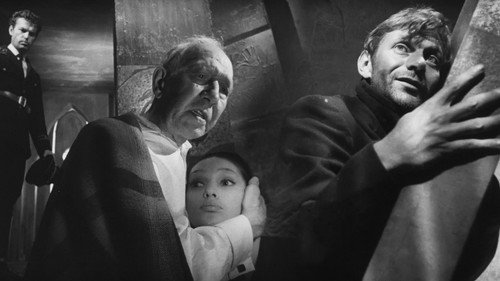
This film is war parabola with expressive visual style. This not typical point of view about the war for Soviet cinema.
One of the five-part documentary series by Belarusian writer and director Viktor Dashuk, which recounts the horrors experienced by the Belarusian people during World War II, through firsthand accounts of survivors and newsreel footage.