
Action
Adventure
Animation
Comedy
Crime
Documentary
Drama
Family
Fantasy
History
Horror
Music
Mystery
Romance
Science Fiction
Thriller
War
Western
Found 19 movies, 3 TV shows, and 3 people
Can't find what you're looking for?
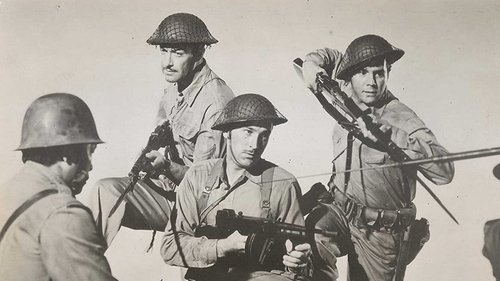
During Japan's invasion of the Philippines in 1942, Capt. Henry Lassiter, Sgt. Bill Dane and a diverse group of American soldiers are ordered to destroy and hold a strategic bridge in order to delay the Japanese forces and allow Gen. MacArthur time to secure Bataan. When the Japanese soldiers begin to rebuild the bridge and advance, the group struggles with not only hunger, sickness and gunfire, but also the knowledge that there is likely no relief on the way.
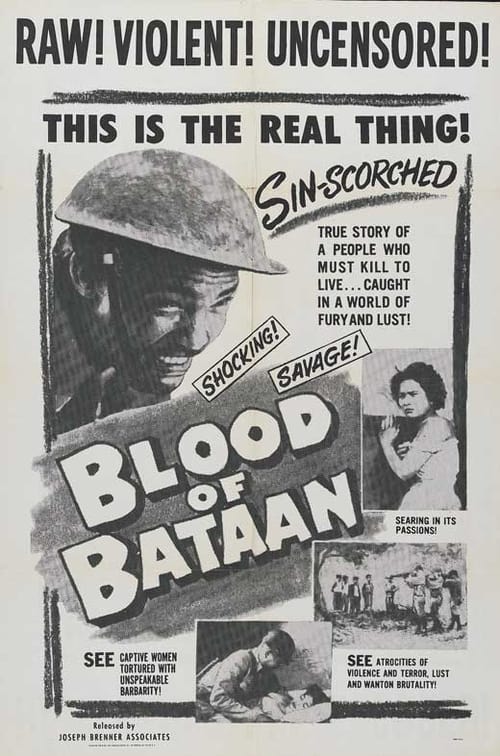
War exploitation low budget flick about JAP atrocities on captured women.
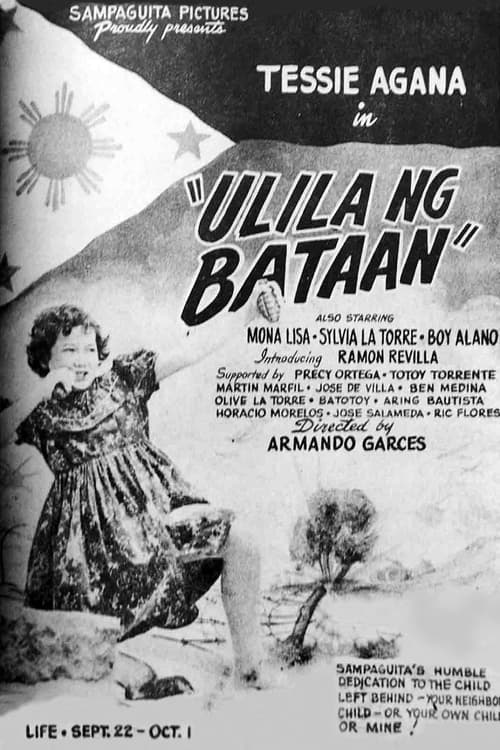
No description available for this movie.
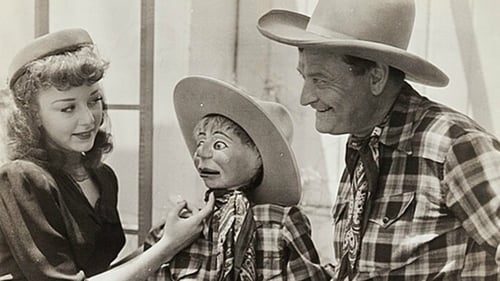
As war looms in the Pacific, even cowboys are called on to fight the enemy. Horses are desperately needed by U.S forces stationed in the Philippines, and the Range Busters - Crash Corrigan, Alibi Terhune, and their newest partner, Davy Sharpe - are hired to accompany a herd to the islands. But first they must battle Axis spies right in Texas, as they foil a plot to steal the very horses destined for shipment.
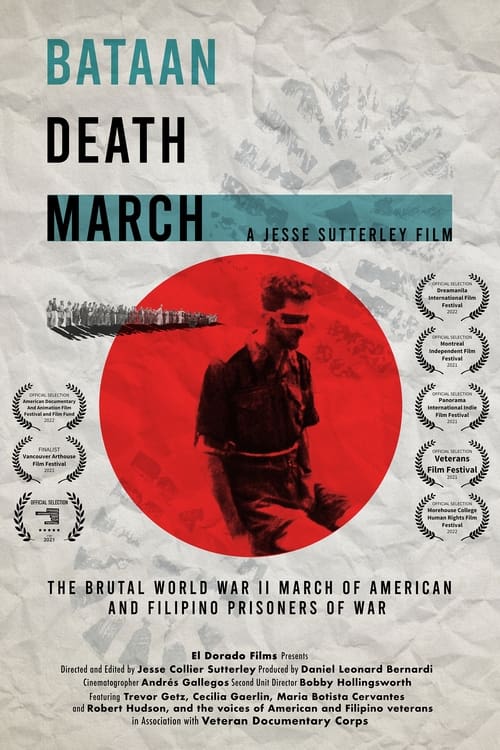
Within hours of the Japanese attack on Pearl Harbor, bombs rained down on U.S. and Filipino forces in the Philippines. After months of vicious fighting, Allied forces surrendered on the island only to be met with a brutal march to P.O.W. camps dotted across the islands. Thousands died on the marches, before reaching the P.O.W. camps where countless more died. The surrender of the Philippines, now almost forgotten in U.S. history, is commemorated in the Philippines every year.
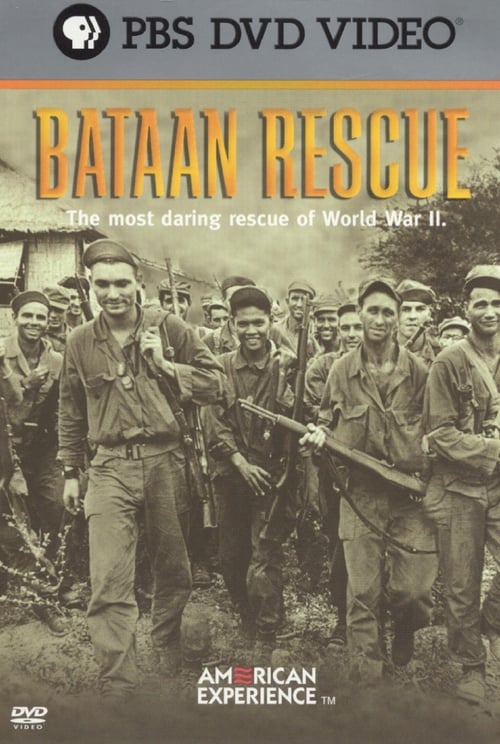
This is the story of a group of 514 prisoners of war from the Bataan Death March and how they were rescued near the end of the war. The reason this was so important is that the Japanese high command was ordering the execution of all prisoners when it appeared that the camps were soon to be liberated. So, in the case of this camp, it meant a covert operation well behind enemy lines in order to get to the guys before it was too late. The episode consists of many, many interviews--including several living POWs, a Philippino partisan, members of the assault team, their second in command and some historians.
An American soldier pleads to the folks at home to conserve scarce wartime resources.
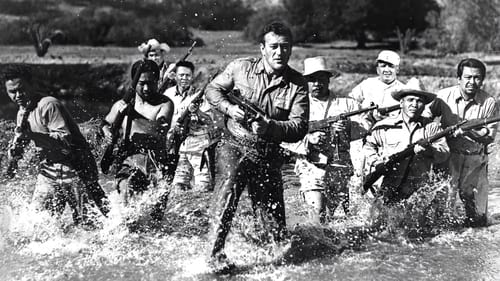
An Army colonel leads a guerrilla campaign against the Japanese in the Philippines.

Directed by Jan Thompson.

To the Shores of Iwo Jima: Navy, Marine and Coast Guard cameramen documented the heroic struggle for Iwo Jima in rare color footage, from the softening of the tiny Pacific island to the now famous flag-raising by the Marines. Time: 21 minutes. The Battling Bastards of Bataan: On Bataan and Corregidor, Americans suffered crushing defeat at the hands of the Japanese in 1942. This film uses actual battle footage to take an unflinching look at the down side of our military might. Time: 30 minutes.
The daring rescue of 500 US "ghost" soldiers from a Japanese POW camp in Cabanatuan. They thought they'd been forgotten until a carefully planned raid freed them from brutality.
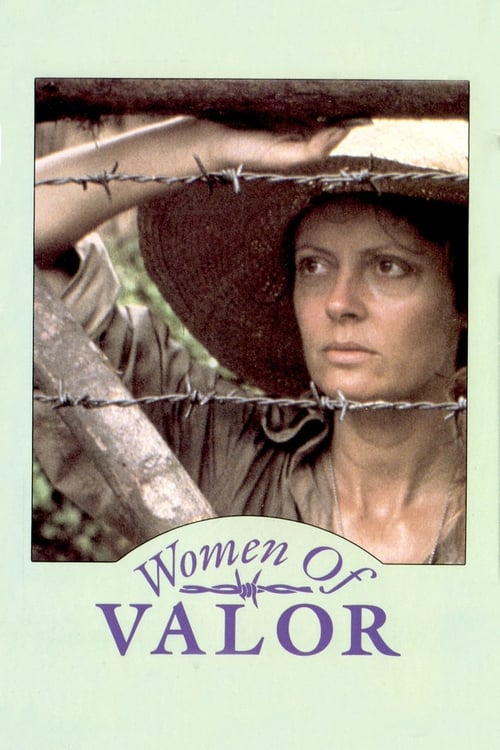
A group of American Army nurses are captured by the Japanese in April 1942 and spend three years in a prisoner-of-war camp in Bataan. Lt Margaret Ann Jessup, the head army nurse, survives the camp and testifies against the Japanese in front of the United States Congressional subcommittee years later as a colonel.
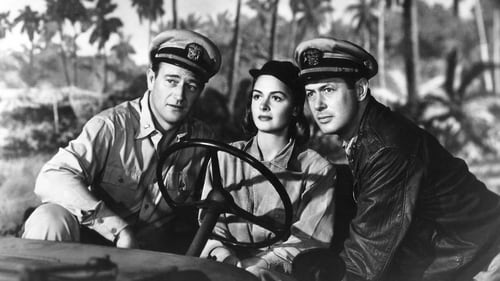
After a demonstration of new PT boats, navy brass are still unconvinced of their viability in combat, leaving Lt. "Rusty" Ryan frustrated. After the attack on Pearl Harbor, however, Ryan and his buddy Lt. Brickley are told they can finally take their squadron into battle. The PT boats quickly prove their worth, successfully shooting down Japanese planes, relaying messages between islands, and picking off a multitude of enemy ships.
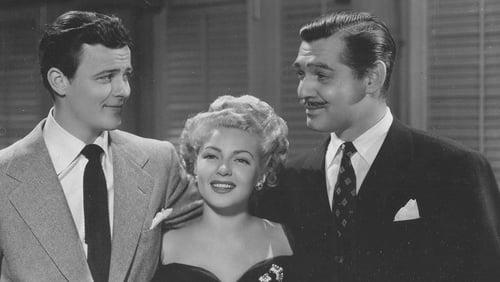
Journalist brothers feud over a woman they both fall for while covering World War II in the far east.
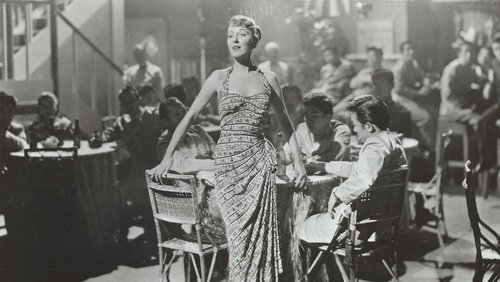
An American nightclub singer in 1940's Singapore becomes a spy for America in an effort to get back at the invading Japanese army. Based on a true story.
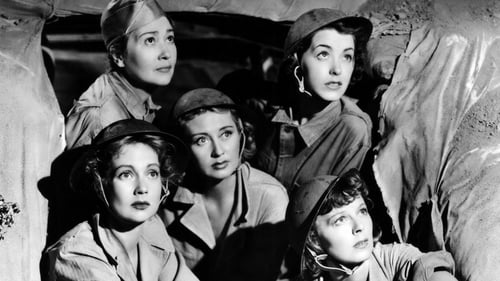
The Army nurses on Bataan need help badly, but when it arrives, it sure isn't what they expected. A motley crew, including a Southern belle, a waitress, and a stripper, show up. Many conflicts arise among these women who are thrown together in what is a desperate and ultimately hopeless situation.
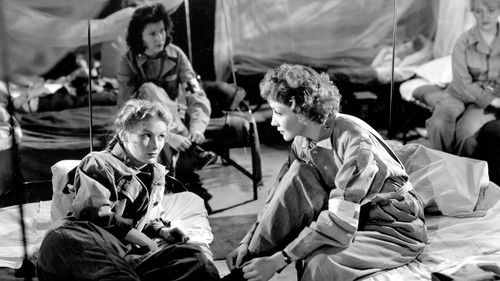
During the start of the Pacific campaign in World War II, Lieutenant Janet Davidson is the head of a group of U.S. military nurses who are trapped behind enemy lines in the Philippines. Davidson tries to keep up the spirits of her staff, which includes Lieutenants Joan O'Doul and Olivia D'Arcy. They all seek to maintain a sense of normal life, including dating, while under constant danger as they tend to wounded soldiers.

Latin boogaloo is New York City. It is a product of the melting pot, a colorful expression of 1960s Latino soul, straight from the streets of El Barrio, the South Bronx and Brooklyn. Starring Latin boogaloo legends like Joe Bataan, Johnny Colon and Pete Rodriguez, We Like It Like That explores this lesser-known, but pivotal moment in Latin music history, through original interviews, music recordings, live performances, dancing and rare archival footage and images. From its origins to its recent resurgence in popularity, We Like It Like That tells the story of a sound that redefined a generation and was too funky to keep down.

A self-portrait and spiritual mythopoetic invocation by a Filipino artist who finds himself living in New York City far away from his homeland during the 1960s.