
Action
Adventure
Animation
Comedy
Crime
Documentary
Drama
Family
Fantasy
History
Horror
Music
Mystery
Romance
Science Fiction
Thriller
War
Western
Found 44 movies, 9 TV shows, and 3 people
Can't find what you're looking for?
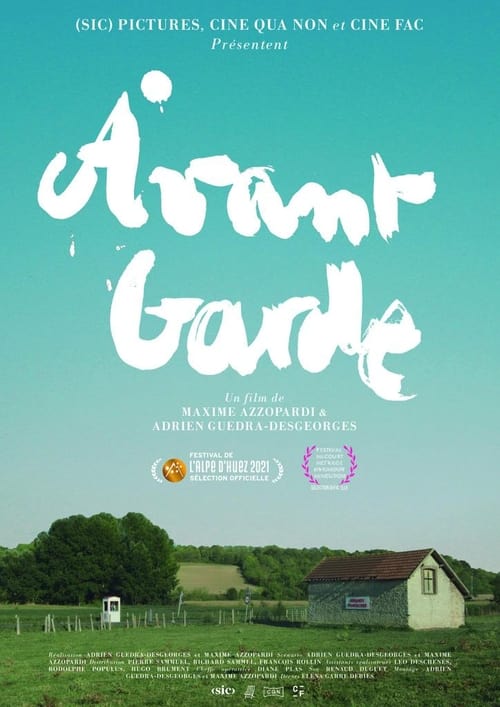
1984, Franco-German border. A Berlin gallery owner transports the flagship sculpture from his collection for a major exhibition. Faced with the object, the French customs officer hesitates: is it really a work of art?

Short Experimental - Art - Film discovers the French Revolution and its values and expressing abstractly its dissemination via body, materials, and history. Thoughts, Secrets, and even Evils of Marie Antoinette and the Rebels are reflected.

The dramatic story of three great Russian avant-garde painters from the beginning of the last century – Kazimir Malevich, Pavel Filonov and Vladimir Tatlin – and their supporter, Nikolai Punin, the first post-revolution Commissar of the Hermitage and Russian Museums. They dedicated their lives to belief in the revolution and its connection to avant-garde art, but the communist regime betrayed them. The history depicted on the painted canvases reflects the tumultuous period of the 1920s and 30s in the Soviet Union, in Leningrad and in artistic circles of the time. Only with perestroika have the avant-garde paintings, stored in museum archives, again seen the light of day.
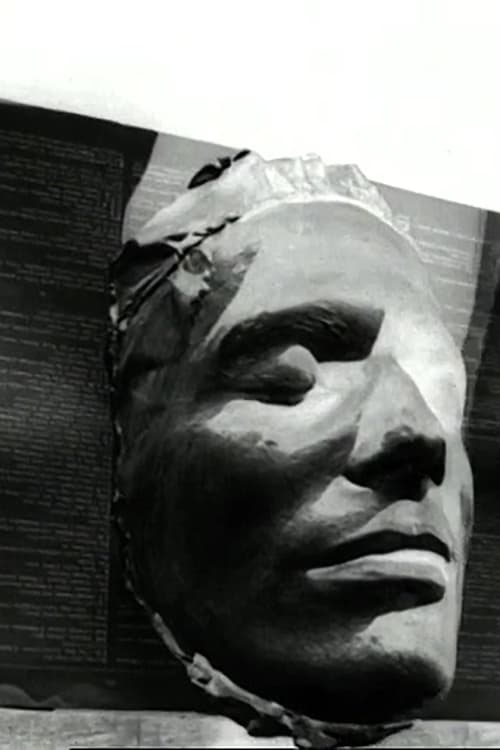
An artist's self-portrait problematizing the choice between tradition and the avant-garde, between being free or being disciplined.
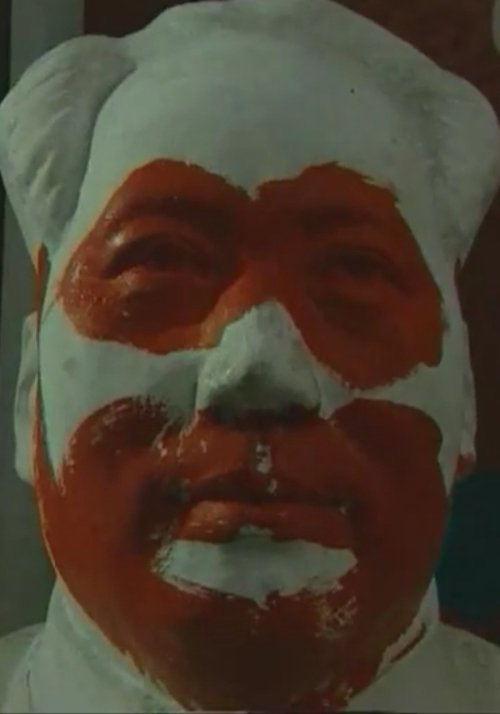
Short documentary with English narration that was prepared for the Inside Out: New Chinese Art exhibition at Asia Society in New York City, which ran from September 15, 1998 to January 3, 1999.
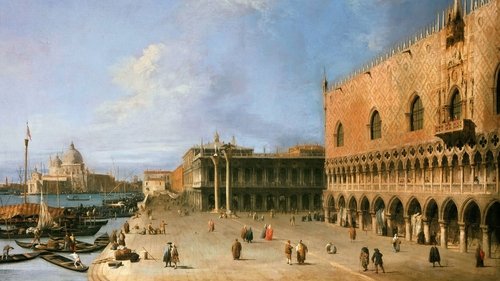
1600 years after its legendary foundation, Venice continues to be unique: the urban environment, made of stone, earth, and water, and for its legendary history. But, above all, Venice is unique for its identity as a city of oxymorons, holding together opposing DNA in a formidable contradiction: the allure of decadence, and the frenzy of the avant-garde. VENEZIA-INFINITA AVANGUARDIA is a labyrinth of stories, works of art, palaces, celebrities of social and cultural life, places, extravagances, and traditions. It's a sensory experience made of lights, water, and music. Beside connections and suggestions, testaments flow by of art historians, urbanists, sociologists, philosophers, curators, musicians, writers, journalists, artists, and our contemporaries.
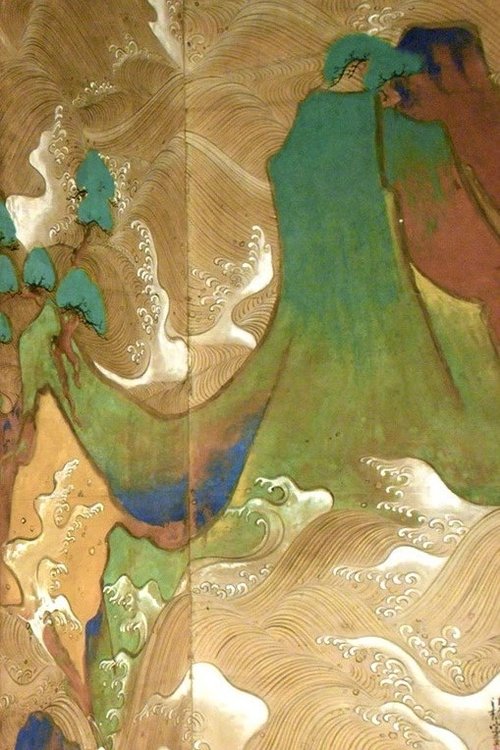
Edo Avant-Garde reveals the pivotal role Japanese artists of the Edo era (1603 – 1868) played in setting the stage for the “modern art” movement in the West. During the Edo era, while a pacified Japan isolated itself from the world, audacious Japanese artists innovated stylization, abstraction, minimalism, surrealism, geometric composition and the illusion of 3-D. Their elegant originality is most striking in images of the natural world depicted on folding screens and scrolls by Sotatsu, Korin, Okyo, Rosetsu, Shohaku and many others who left their art unsigned.
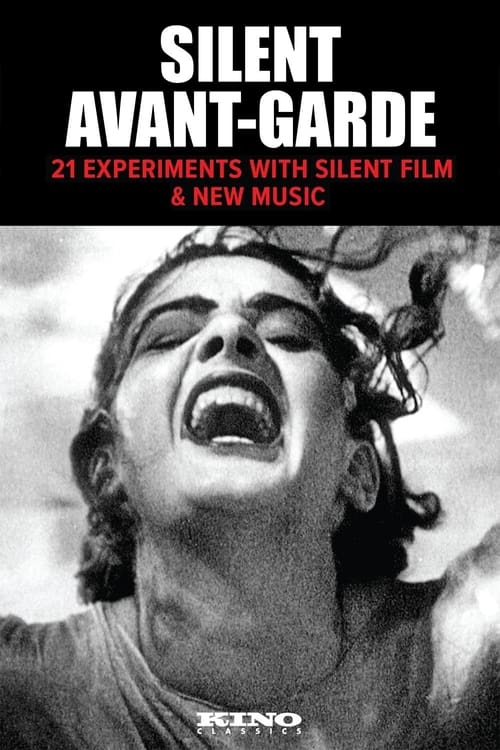
SILENT AVANT-GARDE offers an essential collection of 21 short art film experiments in HD to 5K scans made from 35mm and 16mm picture elements. Highlights include brand new digital restorations of classic experimental films, The Enchanted City (1922), Return to Reason (1923), Ballet Mechanique (1924, 1931), The Twenty-Four Dollar Island (1925), Eisenstein Mexican Footage (1930), Escape, Synchromy No. 4 (1938), The Eclipse (1936-1949), Look Park (1973), and Tenga fe (2022). Each film features a brilliant accompaniment of original silent film music specially prepared, composed, improvised and/ or performed by a master of experimental new music. SILENT AVANT-GARDE desires to focus on the creative possibilities of image, sound, and silence used in American-made experimental films of the 20th century.
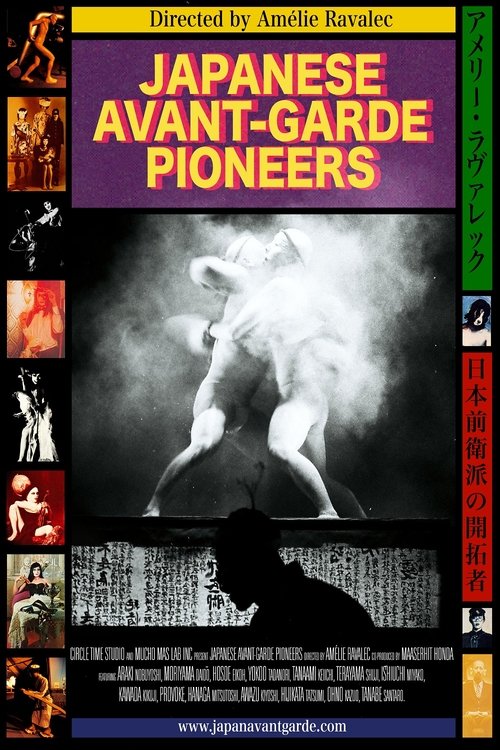
Amidst the profound social change and political turmoil of post-war Japan, a bold generation of avant-garde artists and photographers emerged in the 1960s, forever transforming the global art landscape.
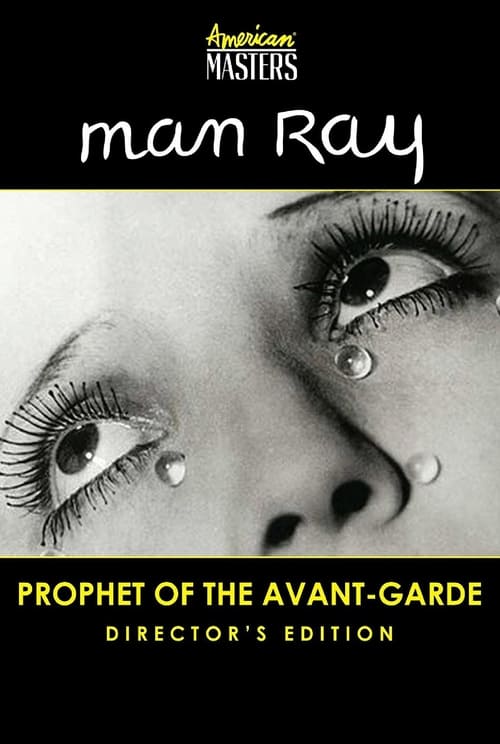
Man Ray, the master of experimental and fashion photography was also a painter, a filmmaker, a poet, an essayist, a philosopher, and a leader of American modernism. Known for documenting the cultural elite living in France, Man Ray spent much of his time fighting the formal constraints of the visual arts. Ray’s life and art were always provocative, engaging, and challenging.
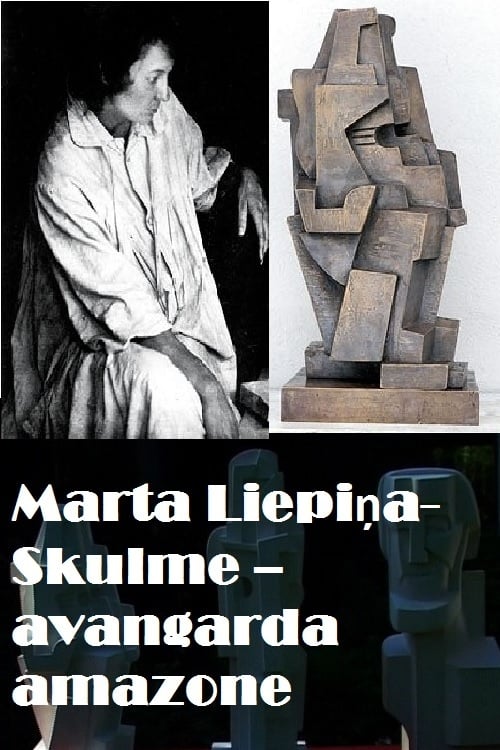
A film about the great 20th century sculptor whose work was inspired by the cubism of the 1920s, and her life story which contains all possible dramas for a creative person living in the previous century.
Engines of the future. The true creators of the revolution. Revolutions of the spirit. The stars of the Russian avant-garde of the early 20th century managed to make a real world revolution. Their works, their ideas still influence the life of every modern person. The film will focus on the Russian avant-garde in art and literature. Vladimir Mayakovsky, Marc Chagall, Vasily Kandinsky, David Burliuk, Velimir Khlebnikov, Vladimir Tatlin and many others - they were called hooligans and rowdies from art, and they were looking for a new form for a new life. They changed everything - from painting and architecture to advertising and music. It was a challenge to the whole world, a rebellion and an attempt to create a man of the future. That is why modern young people should talk about the most revolutionary trend in art. They try on the roles of avant-gardists, evaluate situations and facts, looking into the past from the 21st century.
Davidovich searches in vain for the meaning of "avant garde." The artist travels to Iowa City, where he conducts a series of "man on the street" interviews with artist Michael Smith, painter and critic Walter Robinson, University of Iowa professor of art history W.J. Tomasini, a security guard at the University of Iowa Museum of Art, an art school secretary, and strangers on the street.
Jaime Davidovichn searches in vain for the meaning of "avant-garde".
A unique film in which an elderly man creates miracles in his daily life by playing the leading role himself. The film depicts the process of creating a mysterious world that transcends reality through the act of filming and leads to a surrealistic conclusion.

No description available for this movie.
No description available for this movie.
The new China as you've never seen it before through the astonishing work of the painters and sculptors currently through turning the art world on its head. Art historian and dealer Evan Hughes takes us on a fascinating journey to meet those responsible for arguably the greatest movement since Cubism. Many lived in poverty a decade ago but have now swapped their bicycles for luxury cars and shake their heads in wonder as their works fetch millions at auction in the west. Where do they get their inspiration? What makes their work so fresh? Join us for a visual feast to rival any Yum Cha. And get a unique insight into the artistic revolution accompanying China's emergence as a global power.
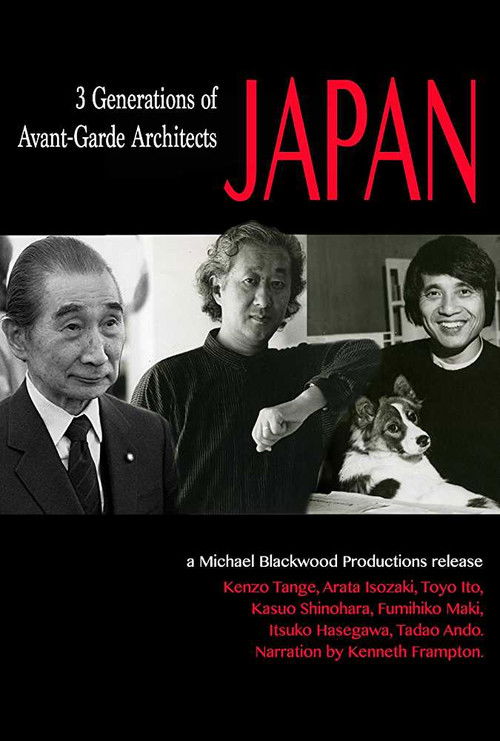
Japan's establishment as an economic superpower led to a Golden Age of Japanese architecture. Six innovators stand out particularly, fusing Japanese traditions with modern materials and technology.
This film is a supertemporal oeuvre. The support of the audience's participations is constitued by an image, which has varied several times during the course of many a projection. A projection by Maurice Lemaître, himself, in the soundtrack, clarifies the function of the session and finishes on a challenge thrown to the room.
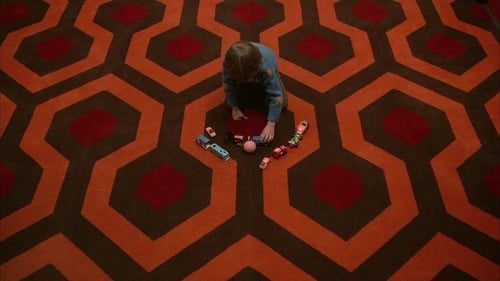
Jack Torrance accepts a caretaker job at the Overlook Hotel, where he, along with his wife Wendy and their son Danny, must live isolated from the rest of the world for the winter. But they aren't prepared for the madness that lurks within.
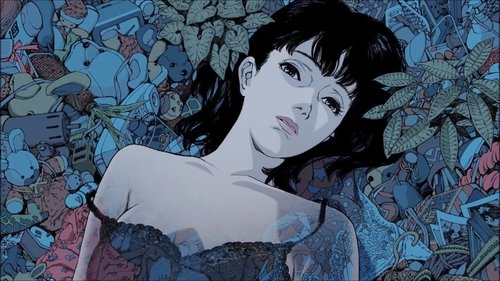
Rising pop star Mima Kirigoe quits singing to pursue a career as an actress. After she takes up a role on a popular detective show, her handlers and collaborators begin turning up murdered. Harboring feelings of guilt and haunted by visions of her former self, Mima's reality and fantasy meld into a frenzied paranoia.

Dr. Atsuko Chiba is a research psychologist who uses a device called the DC Mini to enter her patients' dreams, wherein she adopts the alter-ego "Paprika". When the device is stolen, she must stop rogue elements from merging the dream and waking worlds.
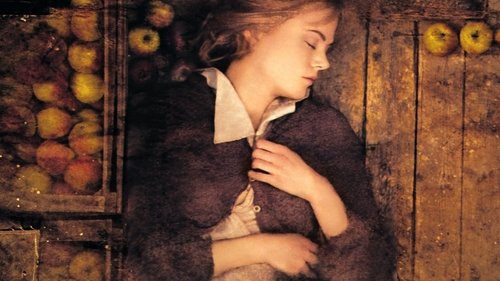
A woman on the run from the mob is reluctantly accepted in a small Colorado community in exchange for labor, but when a search visits the town, she learns that their support has a price.
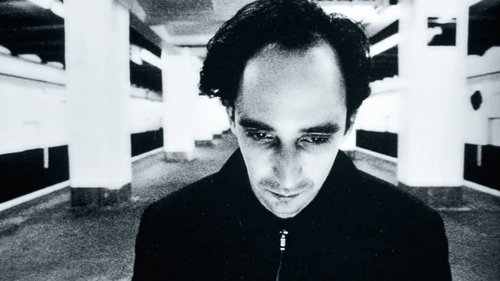
A mathematical genius discovers a link between numbers and reality, and thus believes he can predict the future.
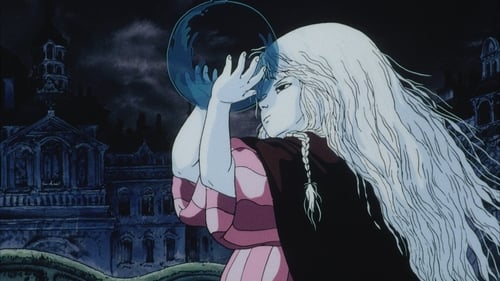
In the ruins of a strange city, a young girl takes care of a large egg she holds carefully in her arms. She bonds with a boy who is searching for a bird he saw in a dream.
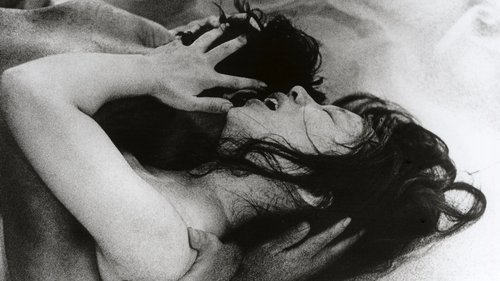
A vacationing entomologist suffers extreme physical and psychological trauma after being taken captive by the residents of a poor seaside village and made to live with a woman whose life task is shoveling sand for them.
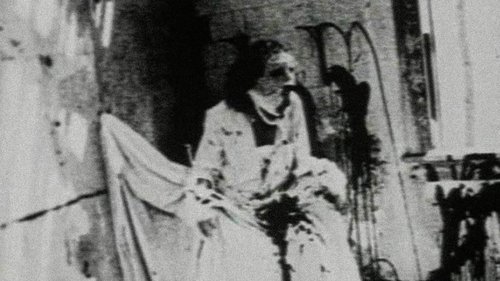
Begotten is the creation myth brought to life, the story of no less than the violent death of God and the (re)birth of nature on a barren earth.
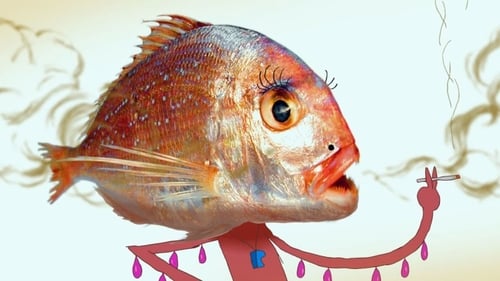
Nishi is a loser who has a crush on his childhood girlfriend. After an encounter with the Japanese mafia, he journeys to heaven and back, and ends up trapped in an even more unlikely place.
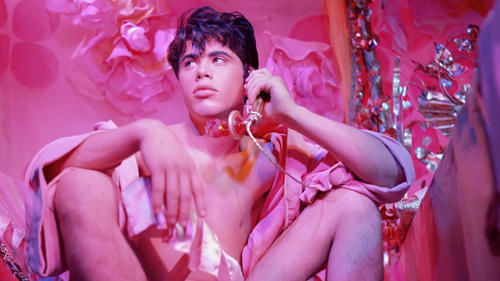
An outrageous erotic poem focusing on the daydreams of a beautiful boy prostitute who, from the seclusion of his ultra-kitsch apartment, conceives a series of interlinked narcissistic fantasies populated by matadors, dancing boys, slaves, and leather-clad bikers.
In 1983, a young mute woman with psychic abilities is held captive within the Arboria Institute, a secluded futuristic facility overseen by a sinister doctor with an unraveling mind and a growing obsession with her.
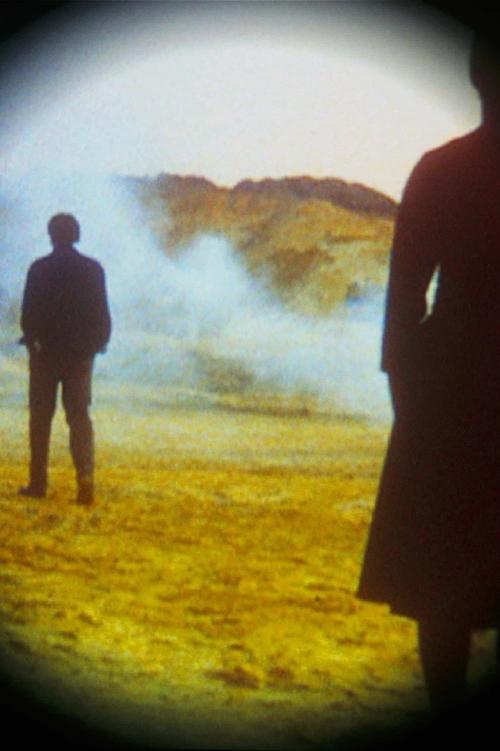
Lost Boundaries is comprised of footage shot by Julien on location, in England in the summer of 1985, during the making of the Sankofa film and video collective's first experimental feature film The Passion of Remembrance (1986), which he co-directed with Maureen Blackwood, another member of the collective. In recapturing those moment Lost Boundaries both deconstructs and foregrounds the means of 16mm film production while weaving together a fragile community of Black artists and actors who came to prominence at a time when debates in film theory - such as those of the Screen film journal and of "third cinema" discourses where cinema was intertwined within (Brechtian) filmmaking practices - were at the forefront of forging a new politics of artistic representation. A Black avant-garde.

Through abrupt soundtrack shifts, this short film jumps between historical political imagery to explore the cinematic language of propaganda, unpacking complex concepts through sensory explosions — from the Brazilian military dictatorship to the Chinese revolution.
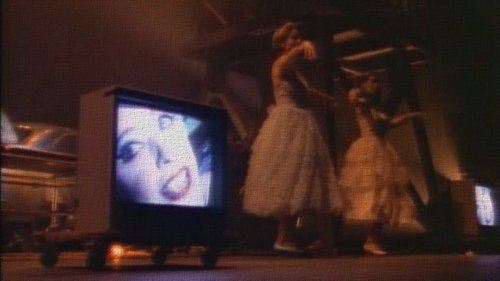
After her boyfriend ends their relationship, the dreamself of a heartbroken woman floats through the air over an industrial wasteland singing ballads of love.
No description available for this movie.
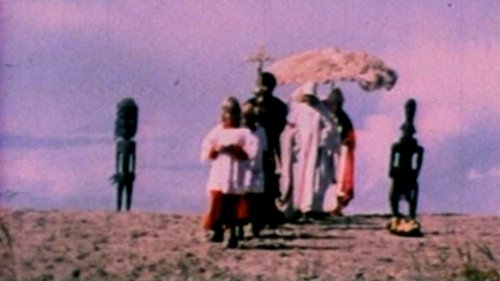
Concerns a young boy's mystical experiences during his Confirmation. As the ceremony unfolds, figures from religion and mythology appear and impress on him the need to become a soldier of Christ.
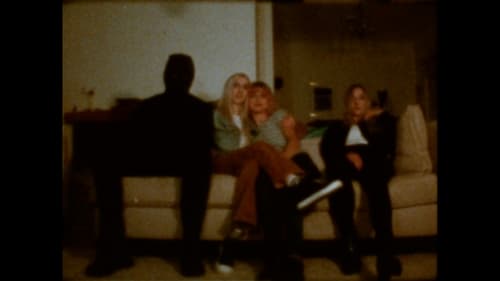
Seeing himself as a form unable to experience intimacy, he is given the chance when brought to the household of twin sisters.
A brief, but dramatic and dark period in the life of a young man.
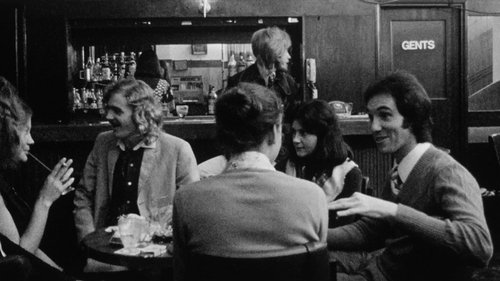
Adam is a factory worker. He falls in love with Chris, a slightly older man. Instead of strengthening his own identity, Adam is unable to cope with his sexuality and suffers a nervous breakdown. One of the first representations of gay men in Australian cinema and an iconic piece of LGBTIQA+ film history.

A study of ruins of a fortified castle placed in the village of Seyssuel during two days of shooting and understanding of the moving light

Irene, grieving the loss of her parents and yearning for their affection, begins a journey filled with life lessons. Along the way, she meets Andi, who teaches her the importance of self-reliance as the ultimate source of support in life.
After discovering a once-in-a-lifetime player with a rocky past abroad, a down on his luck basketball scout takes it upon himself to bring the phenom to the States without his team's approval. Against the odds, they have one final shot to prove they have what it takes to make it in the NBA.
With the core members Shin Sasakubo and Daisuke Aoki, as well as a revolving set of members depending on the contents of the work, the CHICHIBU AVANT-GARDE art collective engages in expressive activities such as music, film, art, photography, writing, and theater. Filmed in 8 mm film there is a distinctive color and texture, and a seemingly nostalgic impression from the land pattern of Chichibu that is the stage, but it has an unknown sense of apprehension. A variety of emotions and scenes come to light, such as a sense of frustration, relief or fear, some kind of madness, or warmth.
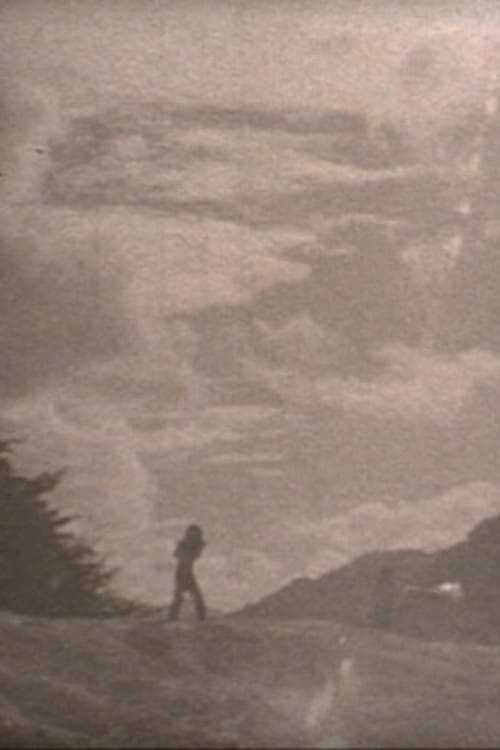
With the core members Shin Sasakubo and Daisuke Aoki, as well as a revolving set of members depending on the contents of the work, the CHICHIBU AVANT-GARDE art collective engages in expressive activities such as music, film, art, photography, writing, and theater. Filmed in 8 mm film there is a distinctive color and texture, and a seemingly nostalgic impression from the land pattern of Chichibu that is the stage, but it has an unknown sense of apprehension. A variety of emotions and scenes come to light, such as a sense of frustration, relief or fear, some kind of madness, or warmth.