
Action
Adventure
Animation
Comedy
Crime
Documentary
Drama
Family
Fantasy
History
Horror
Music
Mystery
Romance
Science Fiction
Thriller
War
Western
Found 33 movies, 10 TV shows, and 2 people
Can't find what you're looking for?
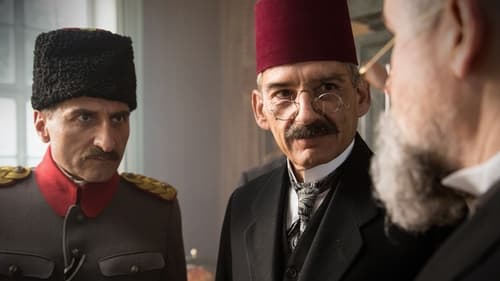
Docudrama examining the life of Mustafa Kemal Atatürk, who founded the Republic of Turkey from the ruins of the Ottoman Empire. Monuments to him can be found in every city; the anniversary of his death is commemorated every year; derogatory words about him are punishable by law. Rarely has a politician changed a society so radically in such a short time as Atatürk did Turkey.
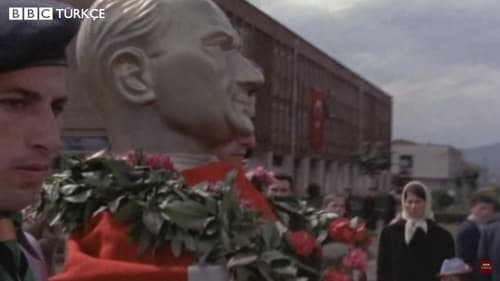
In the documentary, the life of Mustafa Kemal Atatürk, the last period of the Ottoman Empire, the War of Independence and the developments in the first years of the Republic of Turkey are told in parallel. The documentary prepared by Michael Adams consists of recordings made by the BBC in 1970 in Çanakkale, Samsun, Amasya, Sivas and Ankara, as well as historical footage.
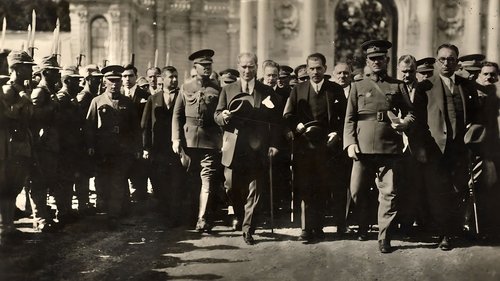
Designed primarily for non-Turkish viewers, Tolda Örnek's documentary has a portentous narration by Sir Donald Sinden, focusing mostly on Atatürk's qualities as a leader as well as an inspiration to others. His shortcomings (drinking and smoking too much, as well as an inability to relate to his wife) are not overlooked, but Örnek suggests that they were chiefly due to his obsession with work. He had a lot to do in a very short time and achieved it.
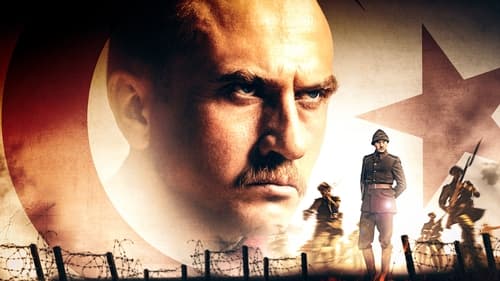
Mustafa Kemal had just begun his journey after proving himself in 1915 at the Gallipoli front. He would go on to face major battles on the eastern front against the Russians and later against the British in Syria, ultimately becoming the only Ottoman officer not to lose a battle during WW1. However, despite all his success, he would encounter an unexpected challenge upon his return to Istanbul.
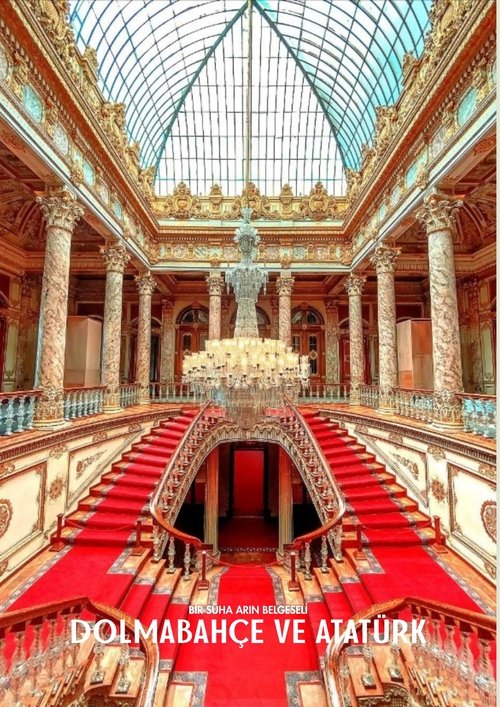
The research phase of the documentary "Dolmabahçe and Atatürk," made in 1981 to commemorate the 100th anniversary of Atatürk's birth, took a year, and filming was completed in three months. The documentary examines the world-famous palace in detail, both in terms of location and structure, and compares its changing functions from the Ottoman period to the Republican era, influenced by Atatürk's presence.

Mustafa Kemal Atatürk was an Ottoman and Turkish army officer, revolutionary statesman, writer, and the first President of Turkey. He is credited with being the founder of the Republic of Turkey. His surname, Atatürk (meaning "Father of the Turks"), was granted to him in 1934 and forbidden to any other person by the Turkish parliament.
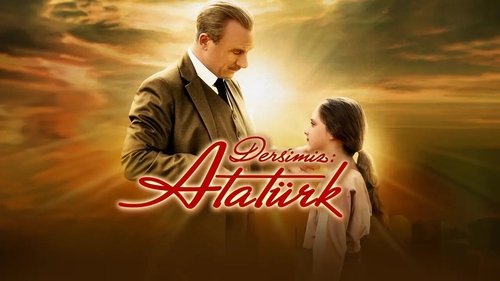
Tarihci Dede is giving information to a couple of children about Mustafa Kemal Atatürk's success and his way to shape todays Turkey.
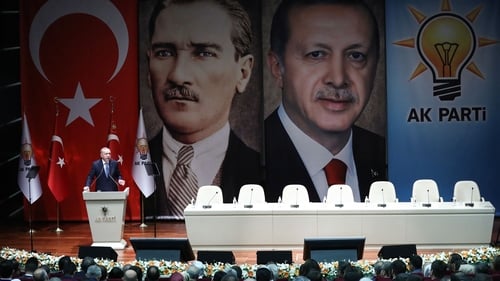
Turkey's history has been shaped by two major political figures: Mustafa Kemal (1881-1934), known as Atatürk, the Father of the Turks, founder of the modern state, and the current president Recep Tayyıp Erdoğan, who apparently wants Turkey to regain the political and military pre-eminence it had as an empire under the Ottoman dynasty.
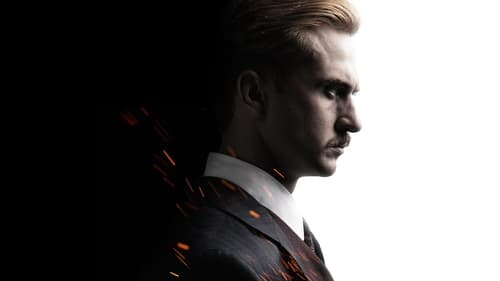
A biopic focusing on to the childhood and the early years of the military career of the founder and the first President of the Turkish Republic, Mustafa Kemal Atatürk.

A friendship started in childhood in Thessaloniki firstly turned into being comrade in arms and then a half-century brotherhood and fraternity following the same ideals until the death upon proclamation of the Republic; Ataturk & Salih Bozok Veda Ataturk (The Farewell Ataturk) is the story of a brotherhood, portrayal of milestones in Ataturk's life and the story of a commander commanding a generation that challenged the death to save the homeland.
The rise of modern Turkey under the leadership of Mustafa Kemal, later known as Atatürk. He established peace on the borders of Turkey for the first time in centuries, secularized the country, emancipated women, guaranteed certain minorities equal rights, and replaced Arabic script with the Latin alphabet. Along with rare archival footage is commentary from academic experts and interviews with his adopted daughter Ulku; Suleyman Demirel, President of the Turkish Republic; and the Patriarch of the Orthodox church.
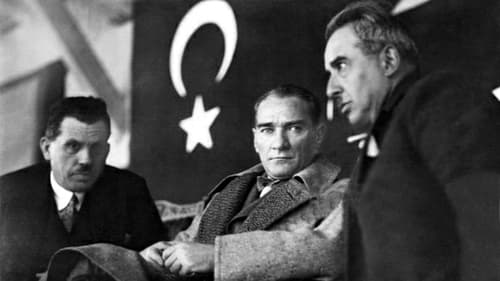
No description available for this movie.
No description available for this movie.
No description available for this movie.
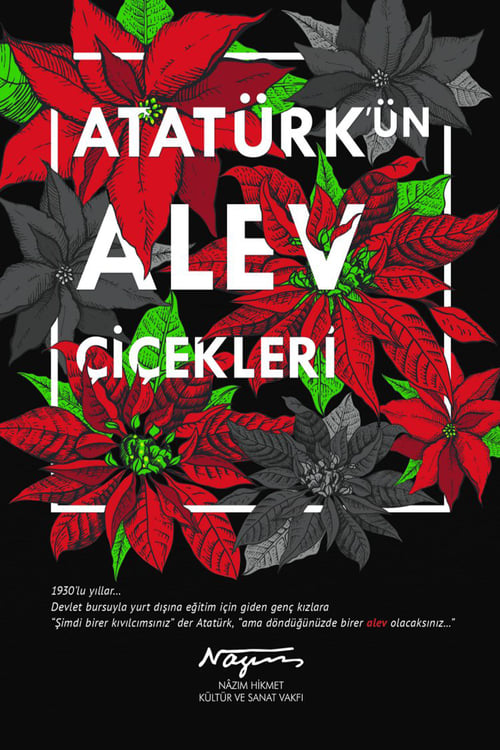
No description available for this movie.
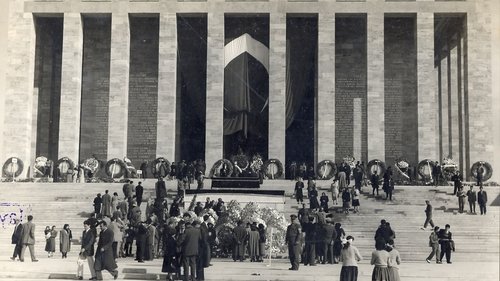
Various shots of Kemal Ataturk sat around a table with other politicians, he speaks, M/S profile of him. C/U of his successor General Ismet Inonu. L/S of Istanbul, various shots of the city, a truck drives down the street. M/S of Turkish women sat around threading leaves onto spikes. M/S of ladies being fitted for clothes. M/S of two oxen pulling a plough, M/S of a tractor pulling a plough. L/S of workers in a factory. A substance is poured into a big vat.
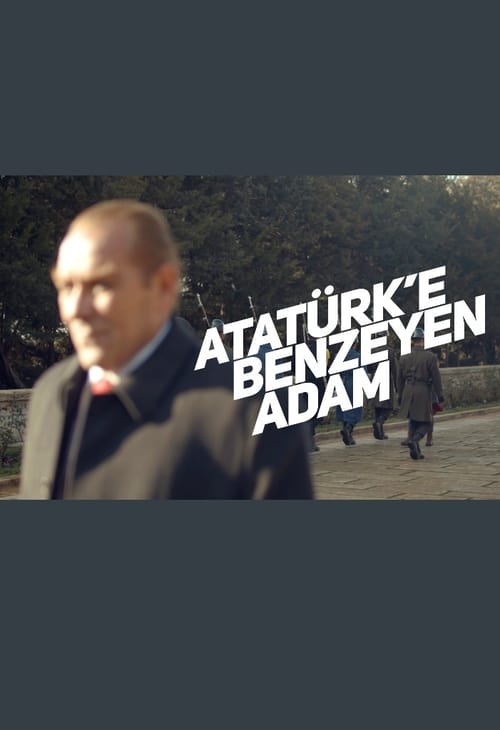
No description available for this movie.
No description available for this movie.
Mustapha Kemal (1881-1938), called Atatürk ("the father of the Turks"), was the founder of the Republic of Turkey and its first President. Both in Turkey and abroad, however, his actions continue to stir debate. Was he a visionary statesman or an enlightened despot? MUSTAPHA KEMAL ATATÜRK tells the story of this historic figure with archival footage, newsreels and photos, and discussions with Turkish and Western historians, sociologists and biographers. The film traces his early secular education and his political rise as an army officer, from the birth of the "Young Turks" movement in 1908, through WWI, the Turkish War of Independence, the dethroning of the Sultan and elimination of the Caliphate, and the establishment of the republic in 1923.
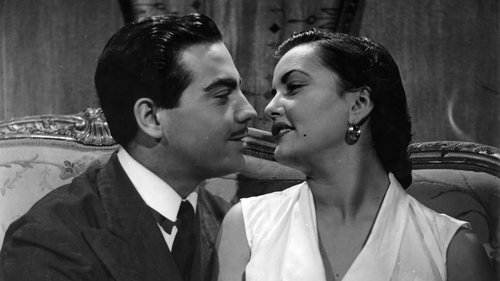
Plans to take over the task of the British spy who came to Istanbul to Anatolia by Kemal’s story of said British: Lawrence.
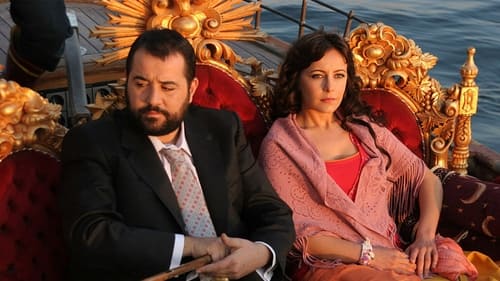
The film depicts a world in which Atatürk never became leader, the War of Independence never took place, and the Ottoman Republic continues to exist in a form adapted to the present day. The continuation of the Ottoman Republic instead of the Republic of Turkey, Ankara not being the capital, signs and license plates being in both Turkish and Arabic, and the sultan wearing a suit under his caftan are some of the tragicomic situations that make up the film's story.
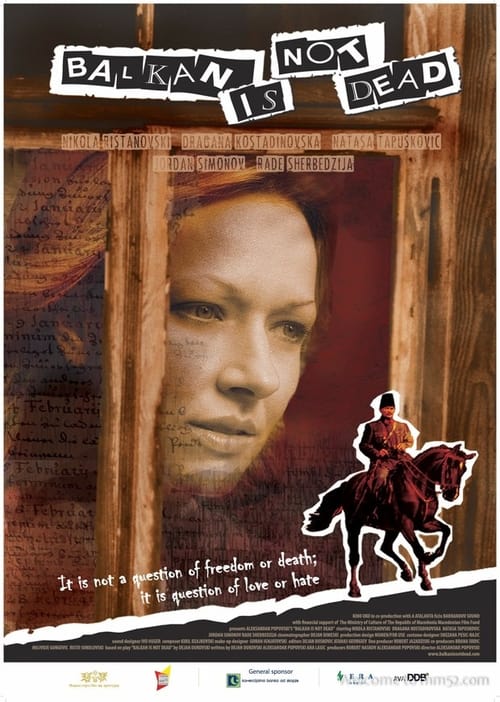
A Macedonian family from Bitola at the turn of the twentieth century tries to survive, preserve its roots and remain together.
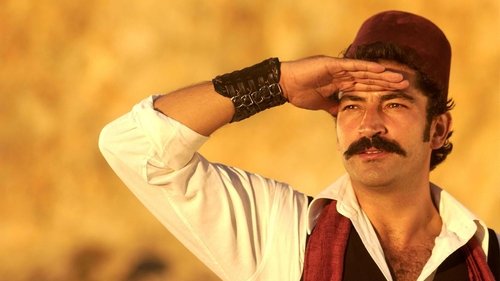
After the First World War, the Allies occupy Istanbul. The protagonist, Yandim Ali is a rogue, discharged from the navy, who doesn't believe that the country can be saved, until he meets Mustafa Kemal (Ataturk), who plans to start a resistance in Anatolia against the occupying Allies, as well as the collaborators of an Ottoman government, that exists only on paper.
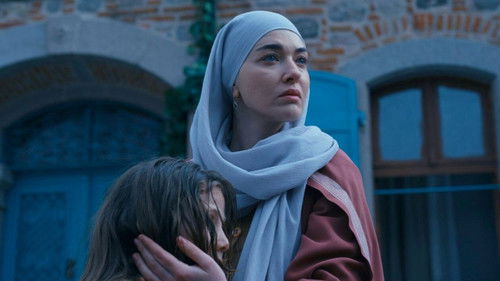
Zübeyde, Mothers and Sons, tells the life of Mustafa Kemal Atatürk's mother, Zübeyde Hanim, which begins in Thessaloniki, in the last periods of the Ottoman Empire, and reflects the period until the declaration of the Republic.
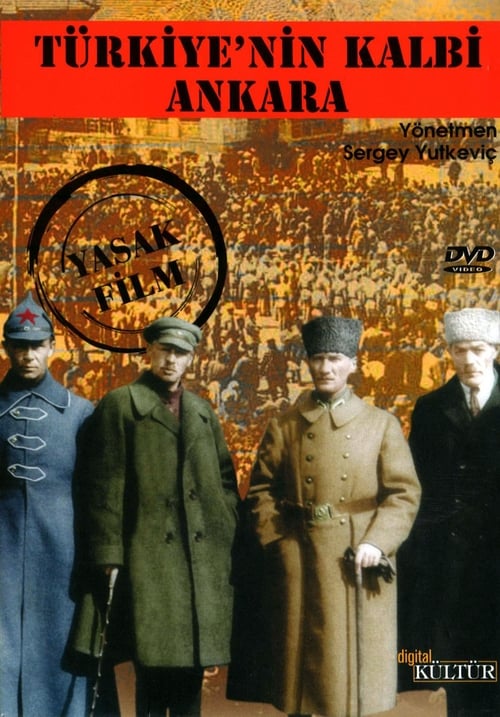
A Soviet documentary made for the 10th anniversary of the new Turkish Republic in the year 1934.
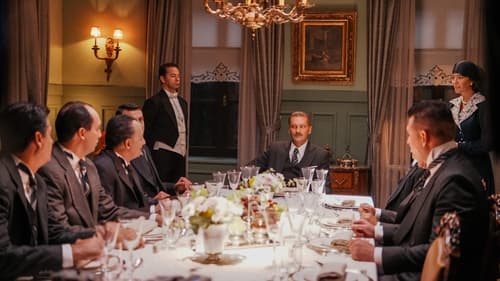
The movie takes place in the kitchen of Cankaya Mansion on Sunday night, October 28, 1923, a day before the proclamation of the establishment of the Republic of Turkey and formally marking the end of the Ottoman Empire.
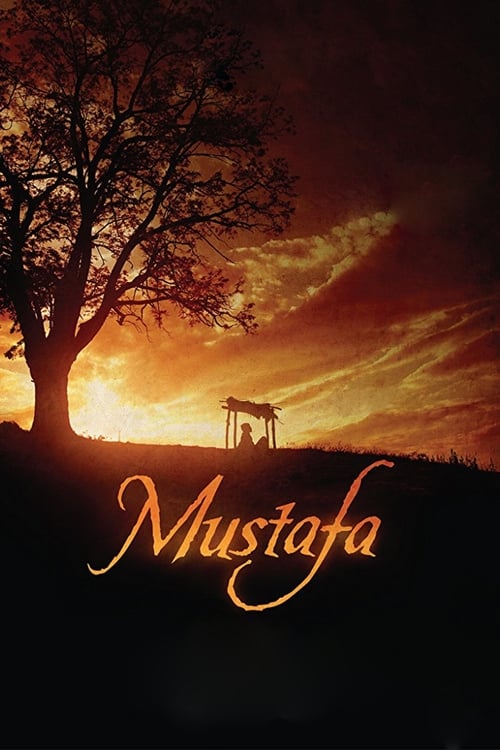
The biography of Mustafa Kemal Atatürk, who not only grew himself up from a poor lonely child to a country's most loved person, but also rose a new country from the ashes of an empire. A story of a soldier, an eminent statesman and a great reformist.

No description available for this movie.
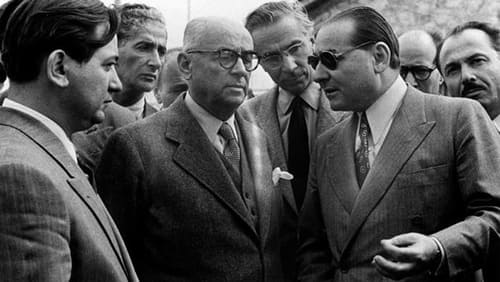
The multi-party democratic regime that we take for granted in Turkey today is actually the product of 23 years of struggle and search. From the establishment of the Republic until 1946, three attempts were made to transition from a single party to a multi-party. The first of these was in 1924. Progressive Republican Party came up against the Republican People's Party that ruled the country. However, this period, when a new republic was built in pain, did not allow an oppositional voice to survive. The Progressive Party was closed after six months. Some of the rulers were imprisoned. Some of them were sentenced on death rows in the case of the assassination of Atatürk.The second attempt was made six months later, in 1930, with the Free Party. But the Free Party survived only 97 days.Finally, after another 16 years, the Democrat Party came in 1946 and the one-party regime became history for Turkey, never to return.
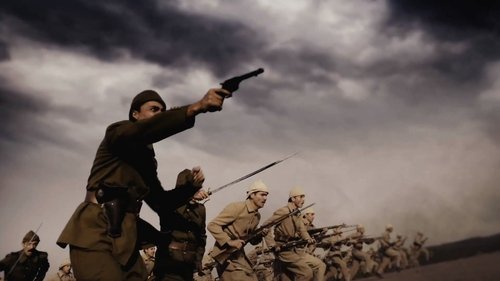
The story of the film is about the Gallipoli Campaign during World War I on the Gallipoli Peninsula in Turkey in 1915. The film covers the resurrection of Turkey following its defeat in the Balkan War, through depictions of Sergeant Mehmet Ali (Ali Ersan Duru) from Biga, Corporal Seyit and many others. To help Russia and threaten Constantinople, the Allies try to force through the Dardanelles Straight with a large fleet. Through a series of historical sketches, the film documents how they were defeated despite many difficulties and hardships.
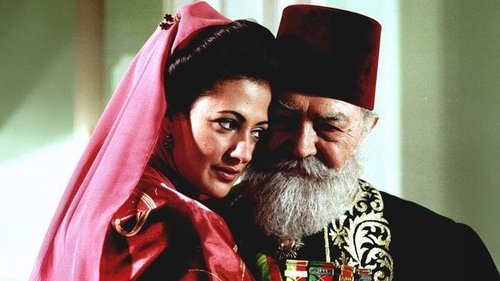
Şefik, a successful soldier, is one of the leading figures of the Committee of Union and Progress. When Abdulhamid II declares a constitutional monarchy, Şefik and his friends go to Istanbul. They plan to closely monitor the events unfolding there. However, it is here that Şefik will part ways with the society.
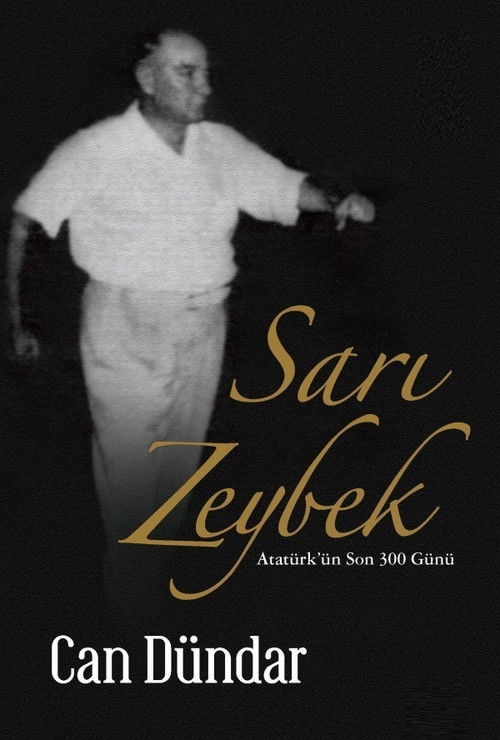
From the famous Turkish journalist, Can Dündar narrates the last 300 days of Mustafa Kemal Atatürk. The documentary features the stories and mails from the friends of Atatürk who is the founder of Turkish Republic and also led the Turkish army in the Turkish War of Independence
No description available for this movie.