
Action
Adventure
Animation
Comedy
Crime
Documentary
Drama
Family
Fantasy
History
Horror
Music
Mystery
Romance
Science Fiction
Thriller
War
Western
Found 23 movies, 1 TV show, and 0 people
Can't find what you're looking for?
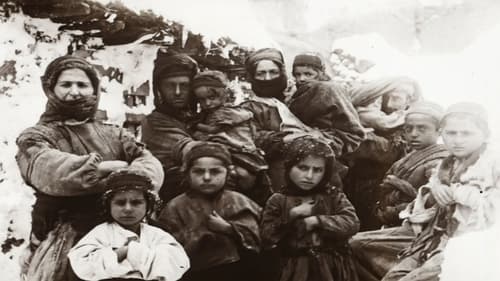
Explores the Ottoman Empire killings of more than one million Armenians during World War I. The film describes not only what happened before, during and since World War I, but also takes a direct look at the genocide denial maintained by Turkey to the present day.

In 2015, we created this cell animation short to commemorate the Armenian Genocide Centenary. To the date, the Turkish government still denies the genocide took place, dodging their responsibility. 100 years will have passed this April 24th, and Armenians will keep on fighting for justice. This is a small tribute to the 1.500.000 victims.
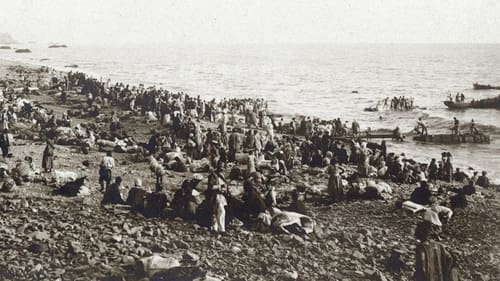
More than one million Armenians perished between 1915 and 1916 in massacres or brutal deportation programs. Turkey still denies it ever happened. Laurence Jourdan examines massacres of Armenians in the decades leading up to the mass murder, and the geopolitical situation both before and after the genocide. Contemporaneous reports and documents written by Western diplomats stationed in the Ottoman Empire describe the methods used and the deportation routes. These accounts are mixed with personal stories from the living survivors and archive footage from Ottoman authorities.

ARTSAKH Armenian Genocide Continues is a documentary film by multi-award-winning journalist & documentary filmmaker, Vic Gerami, about the Artsakh Genocide (Nagorno-Karabakh) perpetrated by Azerbaijan and Turkiye. It tells the story of this ongoing tragic chapter through the lens of Armenian-American journalist and LGBTQ+ activist Vic Gerami. Through a journalist’s perspective, ARTSAKH documents Azerbaijan’s and Turkey’s unprovoked genocidal attack and ethnic cleansing against Armenians of Artsakh, also known as Nagorno-Karabakh, starting on September 27, 2020. Azerbaijan, with the declared assistance from Turkey, launched a large-scale offensive against Artsakh. In its war effort, Azerbaijan relied on thousands of Turkish-paid jihadist mercenaries airlifted from terrorist camps in Syria, Libya, and Pakistan and brought to fight alongside the Azerbaijani Army. For 44 days, the world watched mainly in deafening silence as over 5,000+ Armenians were massacred.
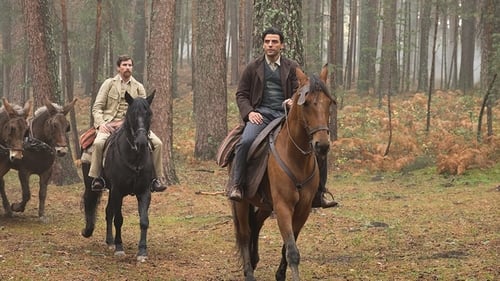
Set during the last days of the Ottoman Empire, a love triangle develops between Mikael, a brilliant medical student, the beautiful and sophisticated artist Ana, and Chris, a renowned American journalist based in Paris.
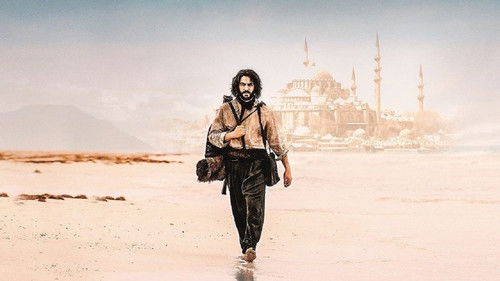
In 1915, a man survives the Armenian genocide in the Ottoman Empire, but loses his family, speech and faith. One night, he learns that his twin daughters may be alive, and goes on a quest to find them.
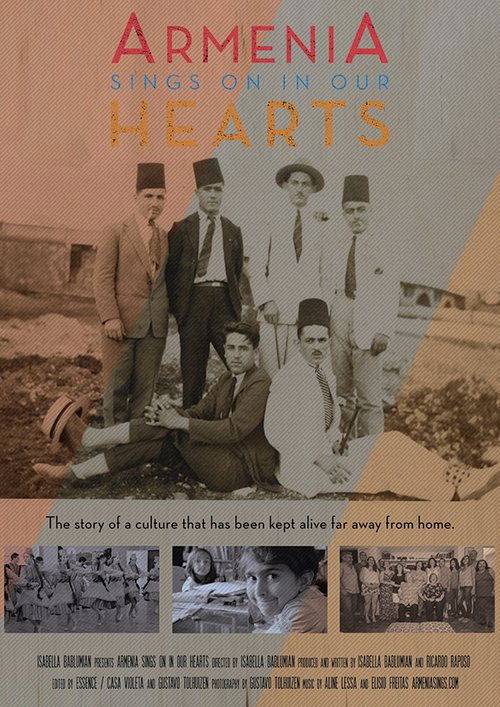
From the beaches of Rio de Janeiro to a cafés in Paris, Armenia Sings On in Our Hearts explores the diversity of the Armenian diaspora. When the massacres forced many Armenians to find a new home, they struggled to overcome numerous difficulties to maintain their identity and keep their culture and spirit alive throughout the world. The film spans several generations to explain the history of the diaspora and what it means to be Armenian today. Through food, music, and dance, viewers can embark on a unique, cultural journey that includes festive celebrations, insightful interviews, and stories that tell of the challenges and success stories in remaining connected to one´s roots while simultaneously redefining what it means to be Armenian.
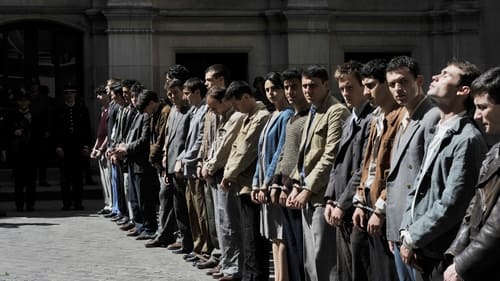
This gripping historical drama recounts the story of Armenian-born Missak Manouchian, a woodworker and political activist who led an immigrant laborer division of the Parisian Resistance on 30 operations against the Nazis in 1943. The Nazis branded the group an Army of Crime, an anti-immigrant propaganda stunt that backfired as the team's members became martyrs for the Resistance.
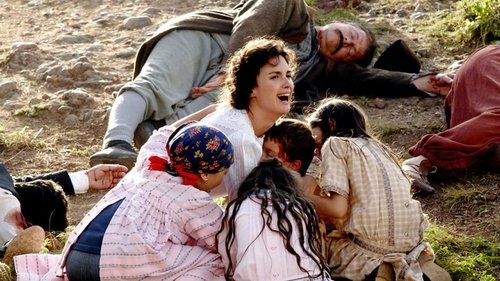
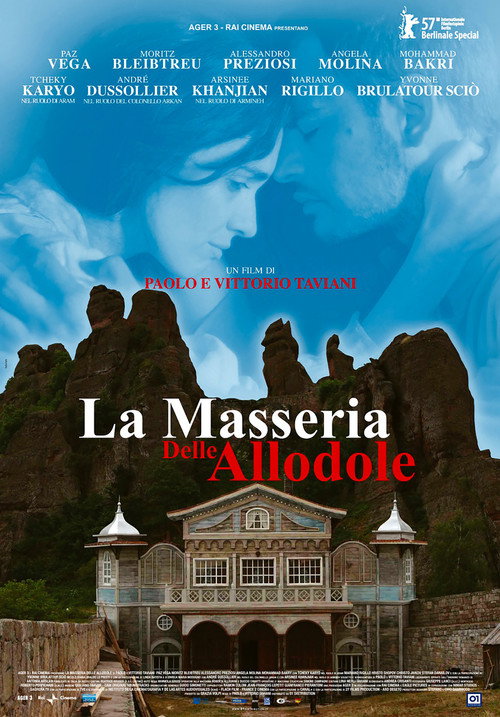
The Lark Farm is set in a small Turkish town in 1915. It deals with the genocide of Armenians, looking closely at the fortunes, or rather, misfortunes of one wealthy Armenian family.
No description available for this movie.
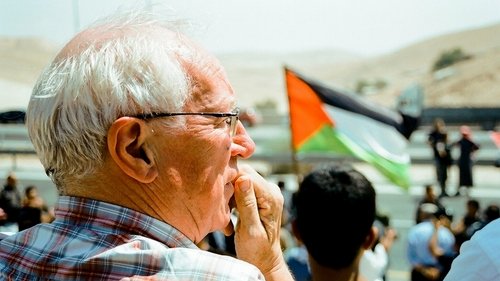
For more than forty years, British journalist Robert Fisk has reported on some of the most violent conflicts in the world, from Northern Ireland to the Middle East, always with his feet on the ground and a notebook in hand, travelling into landscapes devastated by war, ferreting out the facts and sending reports to the media he works for with the ambition of catching the interest of an audience of millions.
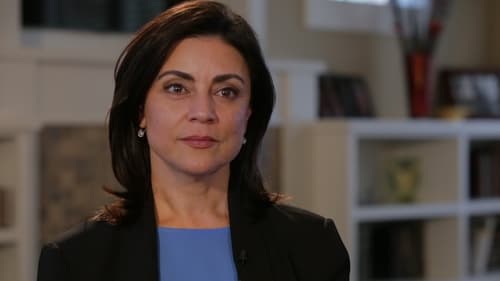
Though both the historical and modern-day persecution of Armenians and other Christians is relatively uncovered in the mainstream media and not on the radar of many average Americans, it is a subject that has gotten far more attention in recent years.
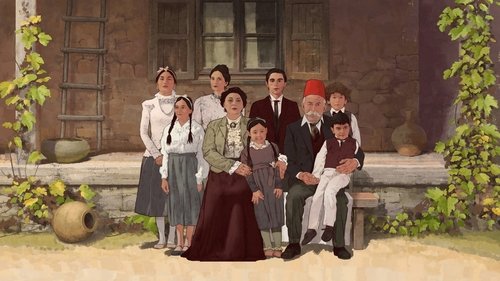
The story of how Aurora Mardiganian (1901-94), a survivor of the Armenian genocide perpetrated by the Ottoman Empire (1915-17), became a Hollywood silent film star.
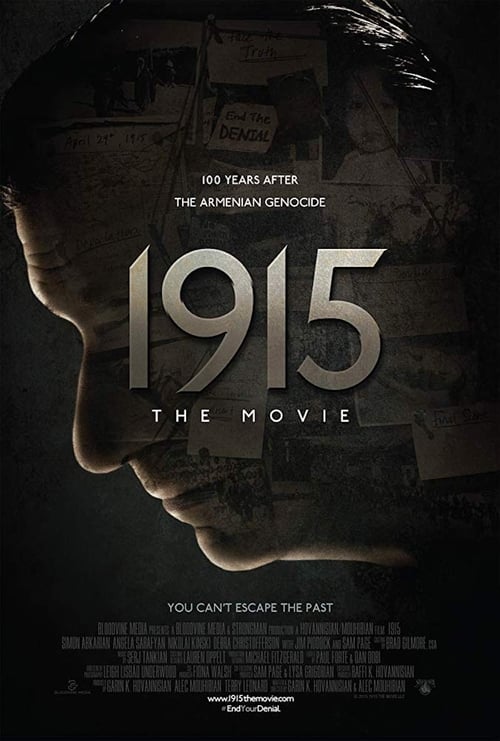
Exactly 100 years after the Armenian Genocide, a theatre director stages a play to bring the ghosts of the past back to life.
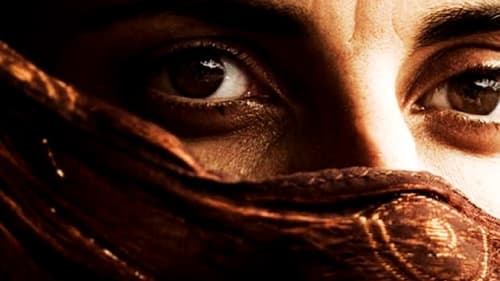
2010 documentary film on the Armenian Genocide by the Young Turk government of the Ottoman Empire during World War I. It is based on eyewitness reports by European and American personnel stationed in the Near East at the time, Armenian survivors and other contemporary witnesses which are recited by modern German actors.
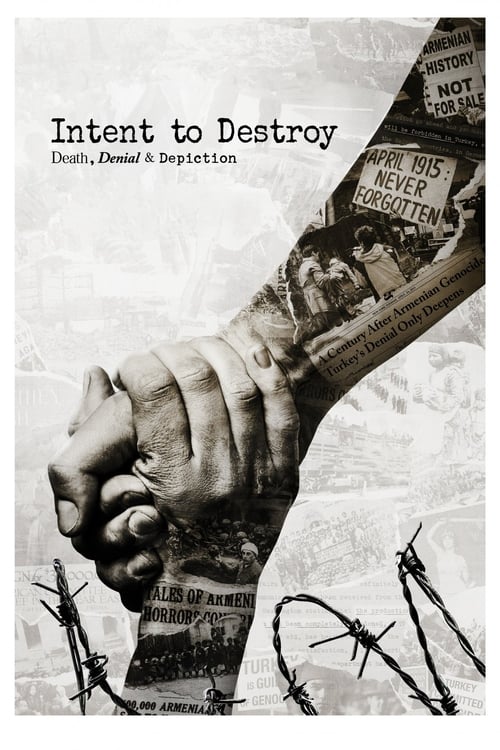
INTENT TO DESTROY embeds with a historic feature production as a springboard to explore the violent history of the Armenian Genocide and legacy of Turkish suppression and denial over the past century.
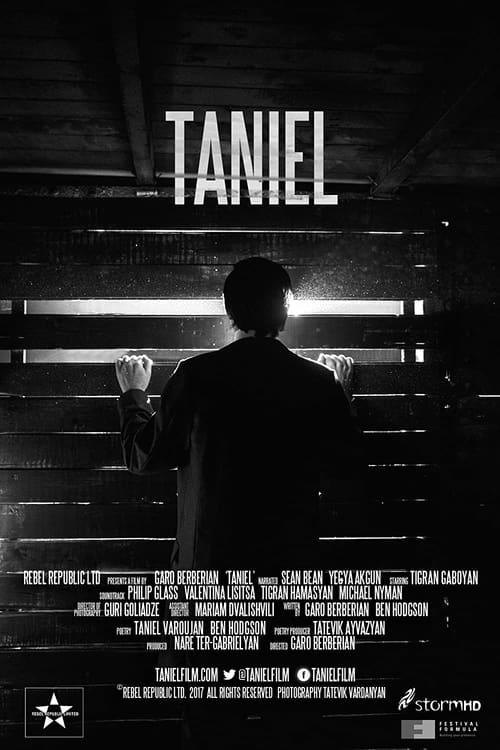
"Taniel" looks at the last months of poet Taniel Varoujan's life, who was murdered in the Armenian Genocide of 1915. The film's narrative is heard in poetry and seen through Film Noir images.
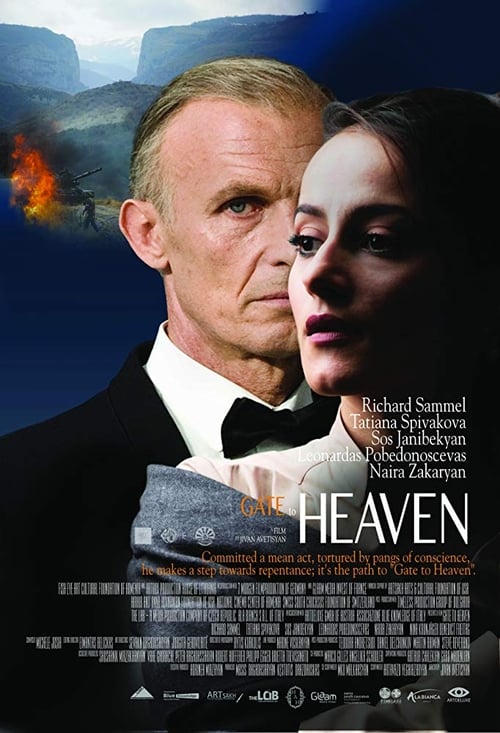
Robert Sternvall, a German journalist, returns to Artsakh in 2016 to cover the war which has been reignited after a 22-year ceasefire. In the result of his journalistic investigation, Robert meets Sophia, a young opera singer, who happens to be the daughter of missing photojournalist Edgar Martirosyan, whom Robert abandoned in captivity during the fall of the village of Talish in 1992. Robert and Sophia’s frequent rendezvouses ignite a passionate romance...
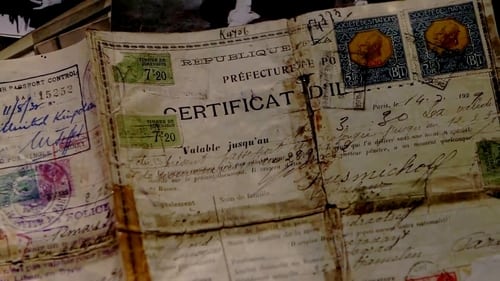
On July 5th, 1922, Norwegian explorer, scientist and diplomat Fridtjof Nansen creates a passport with which, between 1922 and 1945, he managed to protect the fundamental human rights as citizens of the world of thousands of people, famous and anonymous, who became stateless due to the tragic events that devastated Europe in the first quarter of the 20th century.
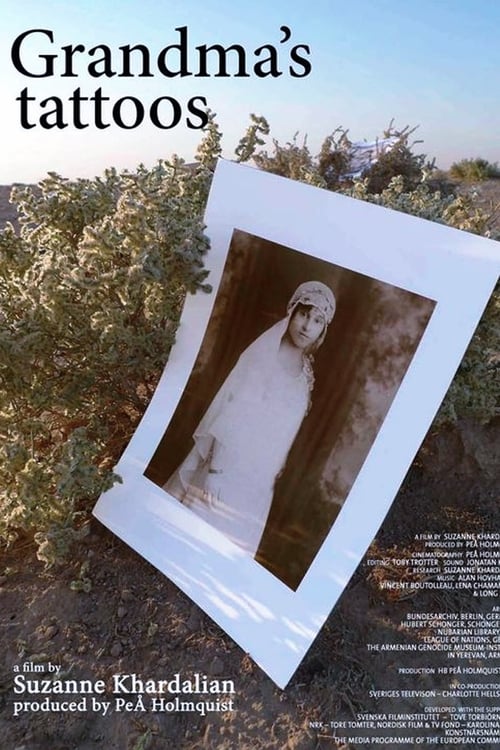
A family story that reveals the fate of the Armenian women driven out of Ottoman Turkey during the First World War. The story of "Grandma's Tattoos" is a personal film about what happened to many Armenian women during the genocide In 1919, just at the end of World War I, the Allied forces reclaimed 90,819 Armenian young girls and children who, during the war years, were forced to become prostitutes to survive, or had given birth to children after forced or arranged marriages or rape. Many of these women were tattooed as a sign that they belonged to abductor. European and American missionaries organized help and saved thousands of refugees who were later scattered all over the world to places like Beirut, Marseille, and Fresno.Director Suzanne Khardalian

The War Diary is a contemporary road movie that confronts history with the current reality of Russia, Ukraine, Armenia and Georgia. An extraordinary document leads Hakob Melkonyan to undertake the journey of a lifetime:
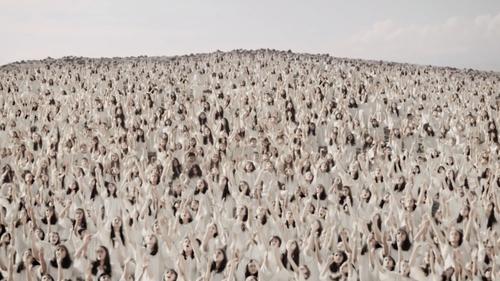
A film about the great Komitas, one of the victims of the Armenian Genocide, who wasn't killed, but went crazy and kept silence for 20 years
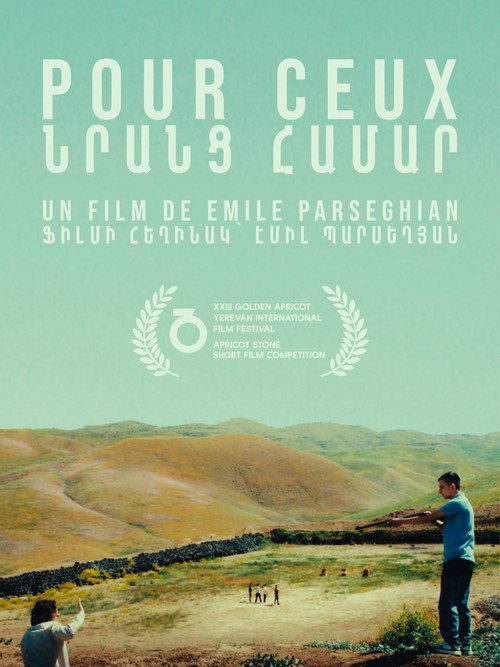
Armenia, Spring 2021. Léon, a Frenchman of Armenian descent, returns to his family to bury his cousin Hrant, who died six months earlier during the 44-day war.