
Action
Adventure
Animation
Comedy
Crime
Documentary
Drama
Family
Fantasy
History
Horror
Music
Mystery
Romance
Science Fiction
Thriller
War
Western
Found 23 movies, 5 TV shows, and 3 people
Can't find what you're looking for?
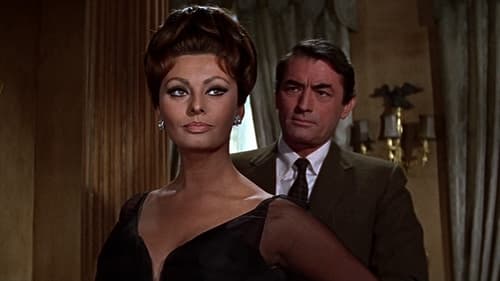
When a plot against a prominent Middle Eastern politician is uncovered, David Pollock, a professor of ancient hieroglyphics at Oxford University, is recruited to help expose the scheme. Pollock must find information believed to be in hieroglyphic code and must also contend with a mysterious man called Beshraavi. Meanwhile, Beshraavi's lover, Yasmin Azir, seems willing to aid Pollock -- but is she really on his side?
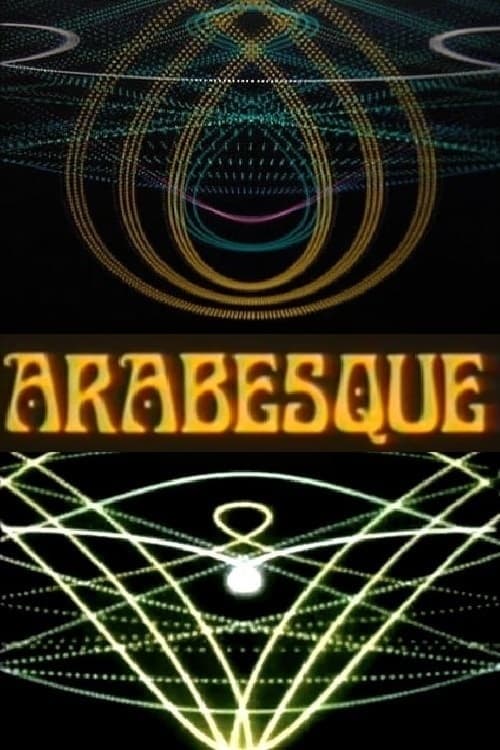
John Whitney's pioneering work of computer animation, Arabesque, from 1975. This flowing, abstract short film is a wonder to behold, a work of art. Like many other computer graphics pioneers, this film suggests roots in psychedelics and spiritual quests as much as engineering and mathematics. Preserved by the Academy Film Archive in 2007.
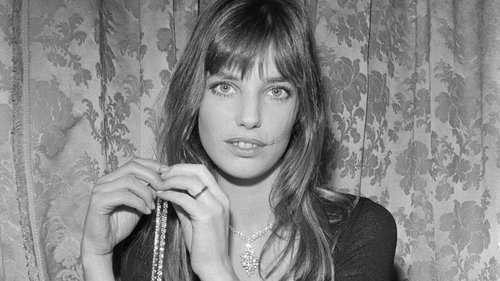
No description available for this movie.
Experimental work by Isao Yamada (Color, 8mm).
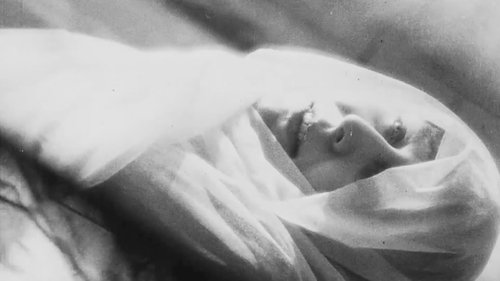
The film’s visual structure is principally composed of variations on the arabesque: arcs of light, water spouts, spider webs, burgeoning trees, flowers and foliage, a woman’s smile, arms stretching, an arm giving rhythm to a rocking chair. It uses natural elements (light, mirrors, water, and wind) and photographic techniques (multiple exposures and lenses) to distort the various elements, or to intensify their design.

A short documentary about Brussels' roller derby team, Les Brussels Derby Pixies.

Short film from Sergei Parajanov, a personal view of the director on the spectacular heritage of Niko Pirosmani (1862–1918), a Georgian primitivist painter.
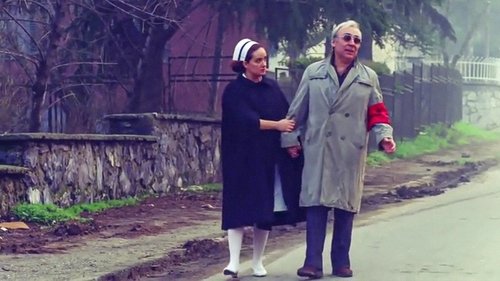
Sener and Müjde, who can never come together because of endless obstacles and misunderstandings, slowly drift into the plaintive world of arabesque music.
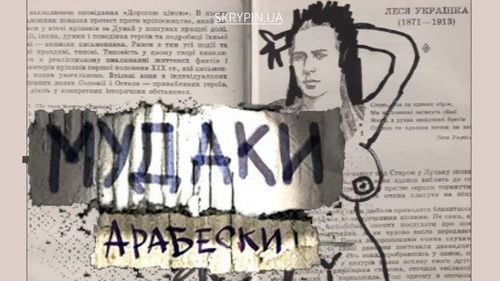
A series of multi-genre short films dedicated to the epidemic of socio-cultural nihilism that has engulfed Ukrainian society.
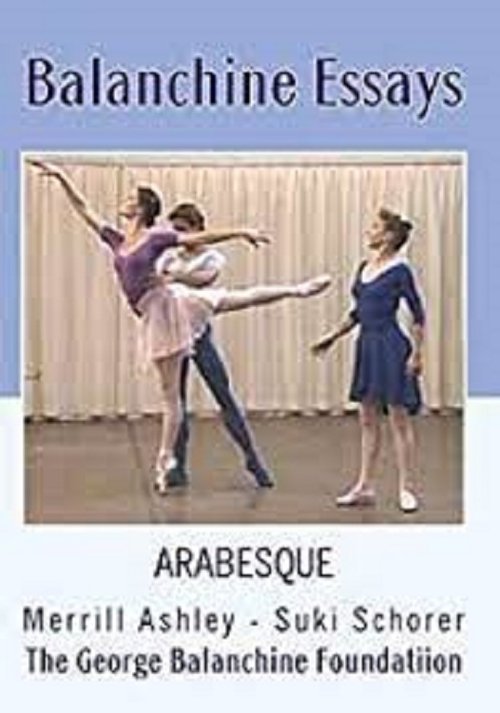
Toward the latter part of his life, George Balanchine talked about creating a "dictionary" of his technique, a visual reference for the students of ballet. The George Balanchine Foundation has helped to fulfill his wish by producing 'The Balanchine Essays". This part is about Arabesque.
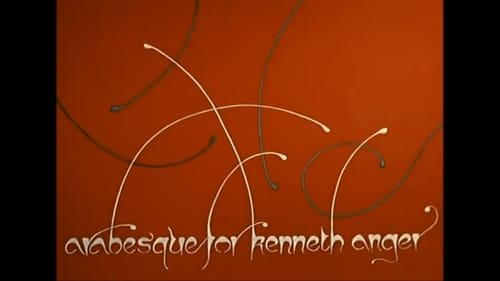
Filmed at the Alhambra in Spain in just one day, according to Marie Menken. Arabesque for Kenneth Anger concentrates on visual details found in Moorish architecture and in ancient Spanish tile. The date 1961 refers to the addition of Teiji Ito's soundtrack and its subsequent completion, but the film was likely shot in 1960 or earlier. - David Lewis

L’Agonie des arabesques (2014) was created by Gérard Courant inside the Notre-Dame de Fourvière basilica in Lyon (France).

A portrait of the sun dancing at the bottom of a pool, patters emerge.
This timeless experimental film draws on the work of 17th century scientist Robert Boyle to present a varied combination of texts, objects, colours and textures. The traditional tone of the cinematic impressions takes us back into the past (evocations of Boyle’s era, projection using damaged film stock) and the images have something of a cathartic quality about them. The title of this dream-like, mood- -inducing film, a tribute of sorts to the Irish thinker, was inspired by a Jorie Graham poem and underlines the nature of the 14-year process during which the film came together.
No description available for this movie.
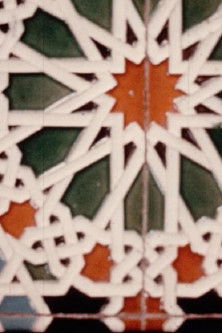
A film about a building, the newly restored Hoboken Railroad Terminal. As the title implies, it is an homage to Marie Menken and a take-off on her sketch of the Alhambra. It uses some of her fast-frame techniques, setting the building into motion, playing with the contrast of the stained glass windows against other decorative elements. The sound track is mostly informational, speaking of Menken's contribution to the Experimental film. It precedes the image. –M. G.
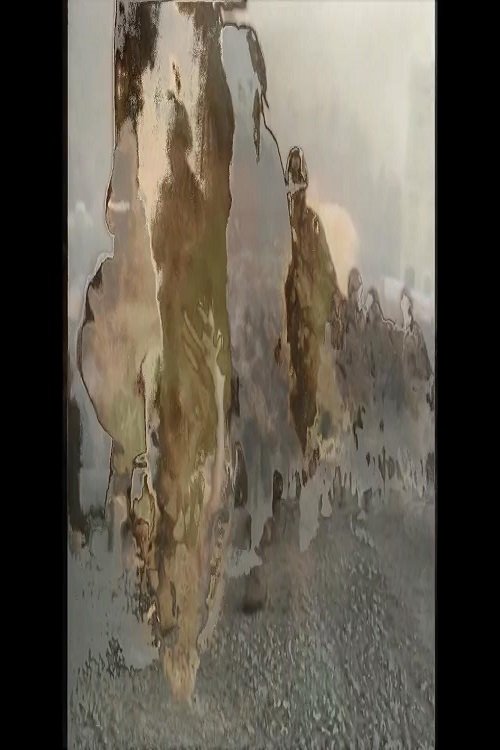
'Palestine Pastels & Arabesque Audioviuals', pairs the haunting rhythms of Muslimgauze with a visual odyssey, transporting viewers on a journey through time, conflict, and the indomitable spirit of its people.
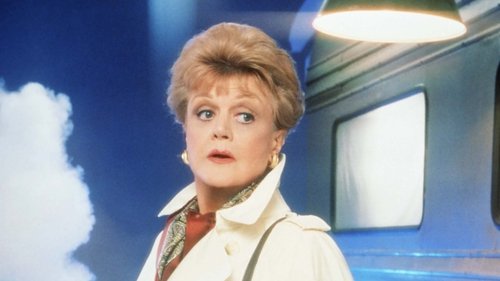
Jessica Fletcher is off to solve another murder mystery, this time in Ireland.
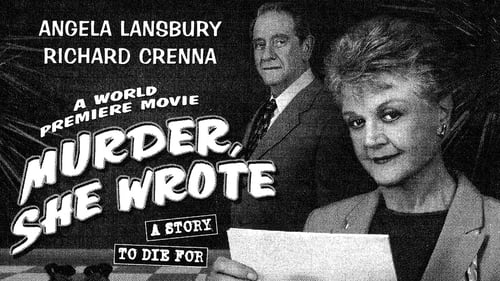
Jessica Fletcher, lecturing at a writers' conference, finds herself called on to solve the killing of a guest speaker, an arrogant Russian author who'd written a nonfiction, tell-all book about his tenure as head of the KGB.
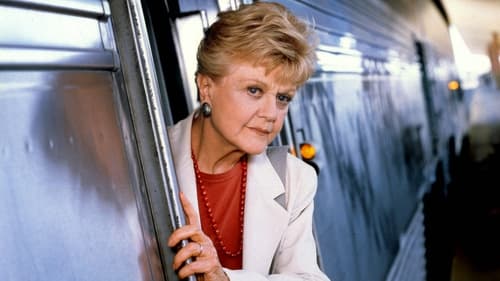
Jessica Fletcher searches for a woman who witnessed the murder of a man trying to expose a serious flaw in a top-secret government satellite code.
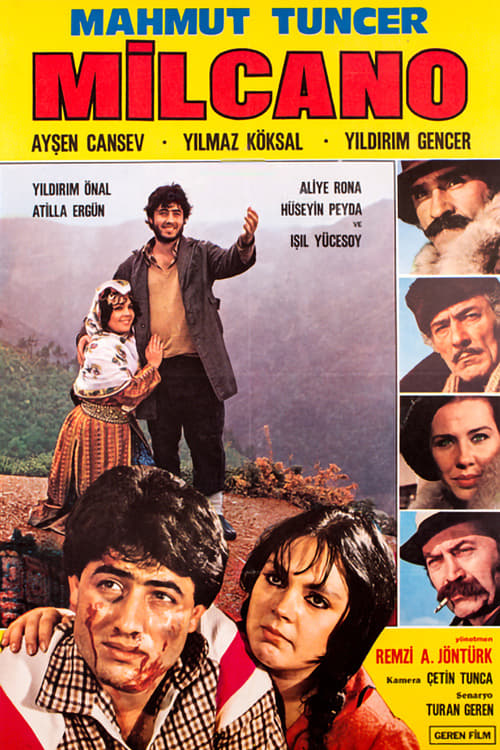
No description available for this movie.
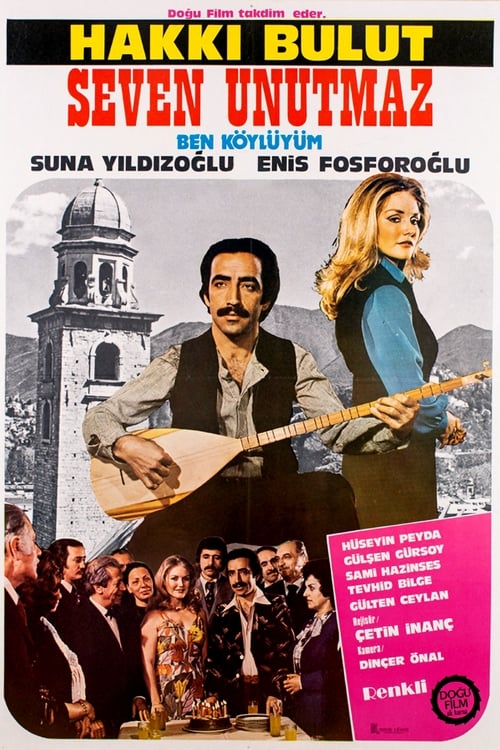
The film tells the story of the suffering endured by a blind lover.
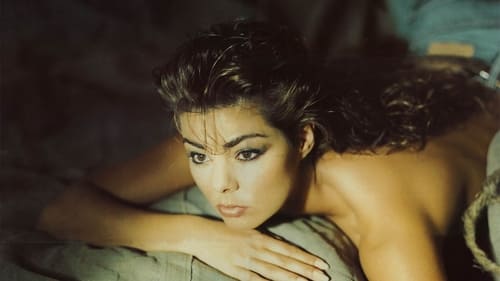
The most successful career of a German singer abroad began in the summer of 1985 with "Maria Magdalena". Five million pieces of the epoch-making dancefloor anthem went over the counter worldwide and ensured that Sandra rose to superstardom. Then hit after hit followed until the birth of the twin sons Nikita and Sebastian in 1995. The baby break then interrupted the singer's success story for seven years before she returned to the limelight in 2002 with The Wheel Of Time and seamlessly continued the chart series.