
Action
Adventure
Animation
Comedy
Crime
Documentary
Drama
Family
Fantasy
History
Horror
Music
Mystery
Romance
Science Fiction
Thriller
War
Western
Found 21 movies, 7 TV shows, and 0 people
Can't find what you're looking for?

NASA's Apollo Program began with Kennedy's goal to land a man on the Moon by the 1960s, driven by the space race against the USSR. Despite the Apollo 1 tragedy, NASA achieved milestones like Apollo 8’s lunar orbit and Apollo 11’s historic Moon landing in 1969, led by Armstrong, Aldrin, and Collins. Declining interest and funding shifted focus to research, with Apollo 13’s near-disaster showcasing the resilience of astronauts and Mission Control.
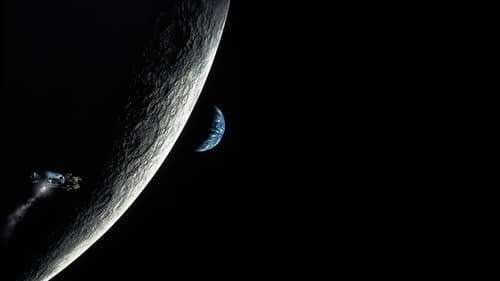
The true story of technical troubles that scuttle the Apollo 13 lunar mission in 1970, risking the lives of astronaut Jim Lovell and his crew, with the failed journey turning into a thrilling saga of heroism. Drifting more than 200,000 miles from Earth, the astronauts work furiously with the ground crew to avert tragedy.
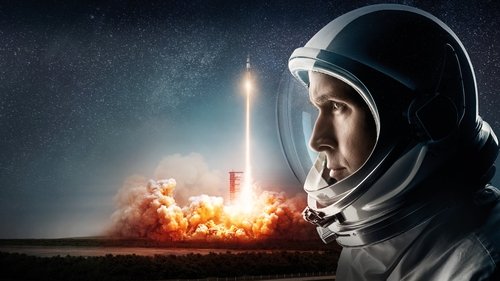
A look at the life of the astronaut, Neil Armstrong, and the legendary space mission that led him to become the first man to walk on the Moon on July 20, 1969.
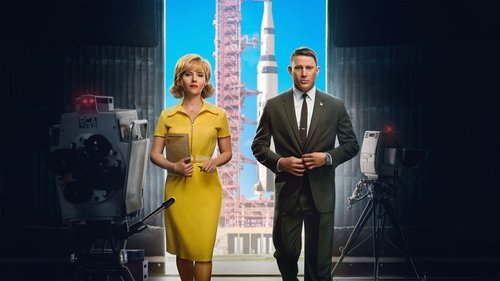
Sparks fly in all directions as marketing maven Kelly Jones, brought in to fix NASA's public image, wreaks havoc on Apollo 11 launch director Cole Davis' already difficult task of putting a man on the moon. When the White House deems the mission too important to fail, Jones is directed to stage a fake moon landing as backup, and the countdown truly begins.
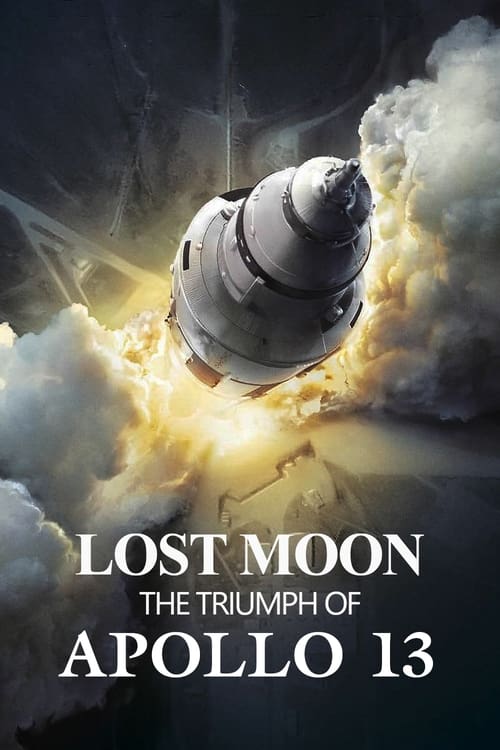
The making of the motion picture "Apollo 13", as well as the story of the space mission it details. Featuring interviews with director Ron Howard, astronaut Jim Lovell, his wife Marilyn Lovell, producer Brian Grazer, executive producer Todd Hallowell, visual effects supervisor Robert Legato, lead digital compositor Mark Forker, astronauts Fred Haise and Dave Scott, Apollo 13 flight director Gerald Griffin, command module systems controller Sy Lieberglot, Apollo 13 flight dynamics officer Jerry Bostick, mission control director Gene Krantz, Tom Kelly of Grumman, NASA mission operations director Christopher Kraft, daughters Susan Lovell Williams and Margaret Haise, command systems module controller John Aaron, and actors Tom Hanks, Bill Paxton, Kevin Bacon, Gary Sinise, Kathleen Quinlan, and Ed Harris.
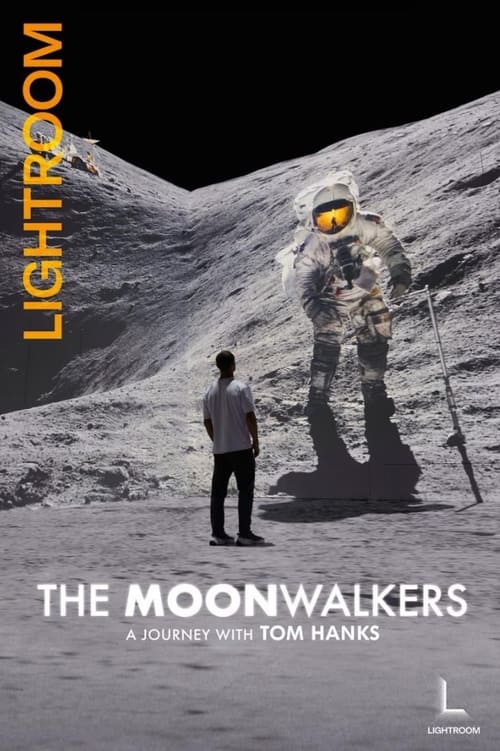
An immersive documentary focusing on the story of the Apollo space program
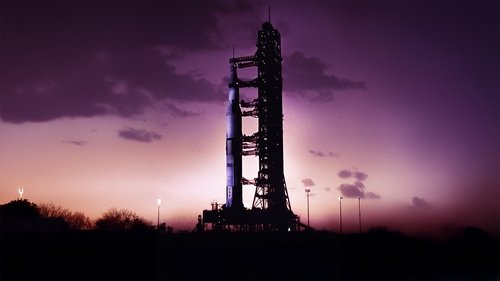
A look at the Apollo 11 mission to land on the moon led by commander Neil Armstrong and pilot Buzz Aldrin.

Using original footage and interviews, this documentary tells the nail-biting story of Apollo 13 and the struggle to bring its astronauts safely home.

Musicians inspired by the Moon. Since the Apollo landings, the Moon has entered popular consciousness like never before. A journey through pop music's lunar obsession.
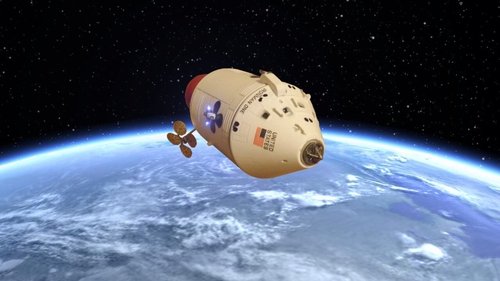
After spending several months in an orbiting lab, three astronauts prepare to return to Earth only to find their de-orbit thrusters won't activate. After initially thinking they might have to abandon them in orbit, NASA decides to launch a daring rescue. Their plans are complicated by a hurricane headed towards the launch site—and a shrinking air supply in the astronauts' capsule.
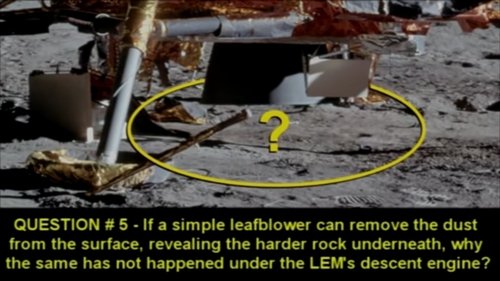
Has man really been to the moon? It’s been 50 years, and the debate rages on. For the firs time, a film compiles in a single piece of work, all the best evidence in favor of the moon landings and the evidence contrary to them. For the first time we can also analyze the Apollo pictures in detail, with the aid of some among the top photographers in the world. What was the Apollo project really? The biggest achievement in the history of mankind, or the biggest fakery of all times, watched on live television by more than half a billion people?
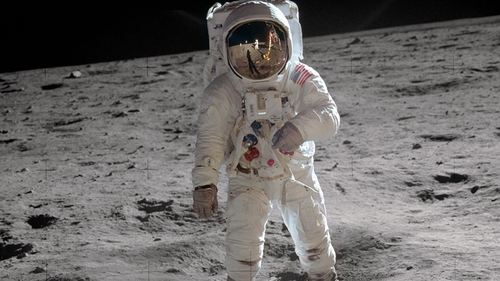
Archival material from the original NASA film footage – much of it seen for the first time – plus interviews with the surviving astronauts, including Jim Lovell, Dave Scott, John Young, Gene Cernan, Mike Collins, Buzz Aldrin, Alan Bean, Edgar Mitchell, Charlie Duke and Harrison Schmitt.
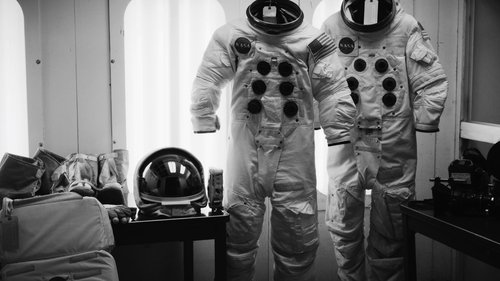
In 1967, four undercover CIA agents were sent to NASA posing as a documentary film crew. What they discovered led to one of the biggest conspiracies in American history.
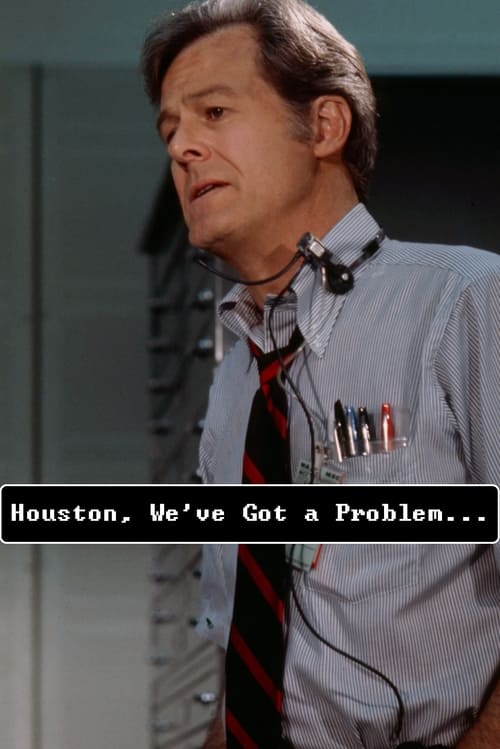
NASA must devise a strategy to return Apollo 13 to Earth safely after the spacecraft undergoes massive internal damage putting the lives of the three astronauts on board in jeopardy.

In the year 1957 the cold war expands to space. The Soviet-Union sends Sputnik as the first manmade object into earth-orbit. 3 years later Yuri Gagarin enters space as the first man in space. The so called "Space Race" seems to be decided. But in 1961 President Kennedy promised to send American Astronauts to the Moon. The Apollo Project was born. A space ship had to be built that is strong enough to escape earth's gravitation, land on the moon and bring the crew safely back to earth. Motion Designer Christian worked with his brother and Composer Wolfgang for 18 months on this shortfilm. The foundation were thousands original NASA photographies, taken from the Astronauts during the Apollo Missions, which were released in September 2015. It is an animated collage using different techniques to bring the stills to life.
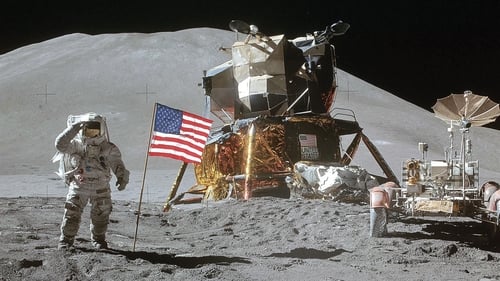
A testament to NASA's Apollo program of the 1960s and '70s. Composed of actual NASA footage of the missions and astronaut interviews, the documentary offers the viewpoint of the individuals who braved the remarkable journey to the moon and back.

No description available for this movie.

On July 16, 1969, hundreds of thousands of spectators and an army of reporters gathered at Cape Kennedy to witness one of the great spectacles of the century: the launch of Apollo 11. Over the next few days, the world watched on with wonder and rapture as humankind prepared for its "one giant leap" onto the moon--and into history. Witness this incredible day, presented through stunning, remastered footage and interviews that takes you behind-the-scenes and inside the spacecraft, Mission Control, and the homes of the astronaut's families.
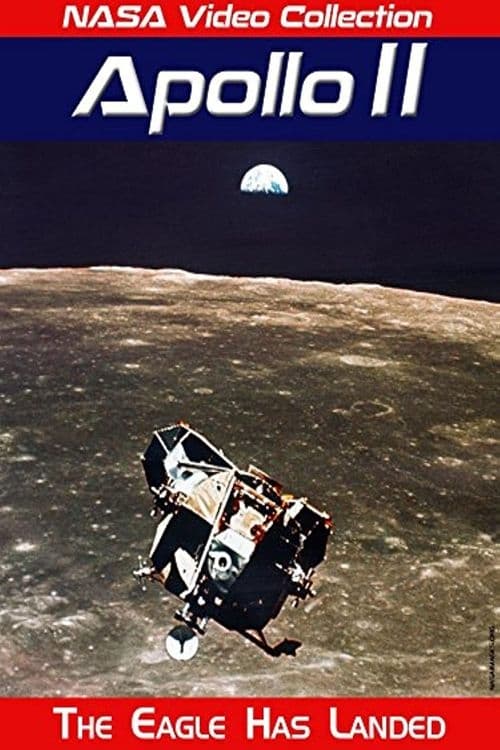
A 1969 documentary on the Apollo 11 mission to the Moon made by NASA, telling the story of the historic first landing of men on the Moon in July, 1969. It depicts the principal highlight events of the mission from launching through post-recovery activities of Astronauts Neil Armstrong, Edwin "Buzz" Aldrin, and Michael Collins. Through television, motion picture and still photography, the film provides an "eye-witness" perspective of the Apollo 11 mission.
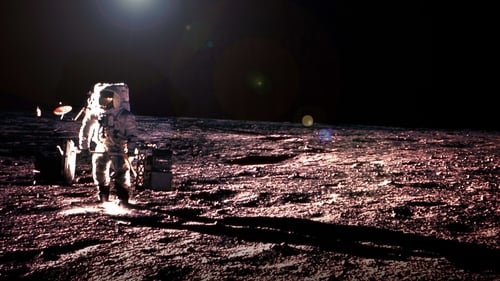
Recently discovered footage reveals the secret history of NASA's first landing on the moon, and using this brand-new evidence, former astronauts and experts challenge everything known about the Apollo missions.

On December 7, 1972, NASA launched Apollo 17, a lunar mission crewed by Eugene Cernan, Ronald Evans and Harrison Schmitt. It would be the last time humans traveled beyond low Earth orbit, the last time man landed on another celestial body, and the last time man went to the moon. The Last Steps uses rare, heart-pounding footage and audio to retrace the record-setting mission.