
Action
Adventure
Animation
Comedy
Crime
Documentary
Drama
Family
Fantasy
History
Horror
Music
Mystery
Romance
Science Fiction
Thriller
War
Western
Found 21 movies, 5 TV shows, and 0 people
Can't find what you're looking for?

Journalist Émilie Tran Nguyen invites the viewer to follow her in her quest and discover, at the same time as her, the historical origins of this anti-Asian racism. Told in the first person, alternating archive images, interviews with historians, sociologists and field sequences, this film traces the making of prejudices in the French imagination and pop culture, to twist the neck of stereotypes, deconstruct and act.
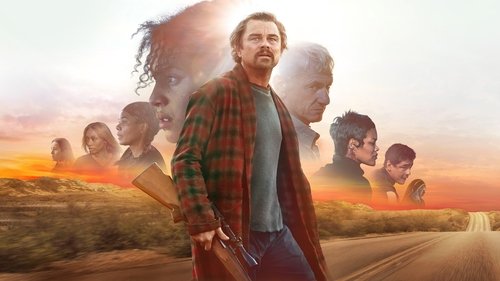
Washed-up revolutionary Bob exists in a state of stoned paranoia, surviving off-grid with his spirited, self-reliant daughter, Willa. When his evil nemesis resurfaces after 16 years and she goes missing, the former radical scrambles to find her, father and daughter both battling the consequences of his past.
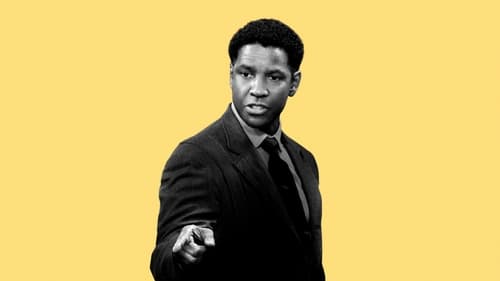
The true story of a brilliant but politically radical debate team coach who uses the power of words to transform a group of underdog African-American college students into a historical powerhouse that took on the Harvard elite.
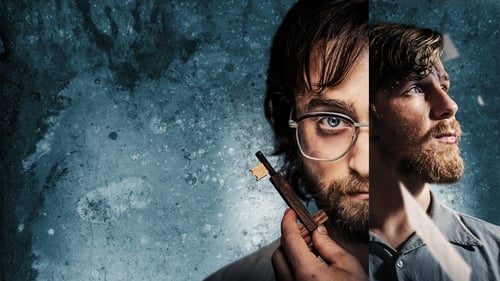
South Africa, 1978. Tim Jenkin and Stephen Lee, two white political activists from the African National Congress imprisoned by the apartheid regime, put a plan in motion to escape from the infamous Pretoria Prison.

An unemployed Algerian worker leaves Paris by hitchhiking. He soon found himself in Brittany and, seduced by the beauty of wild gorse, eventually established himself as a gorse merchant. But for problems with parking his little cart, he had a rough explanation with a law enforcement officer. The happy intervention of factory workers, the eager kindness they showed him, saved him from despair. This film is part of a trilogy "Them And Us" with the films "Les 3 Cousins" and "Techniquement Si Simple".
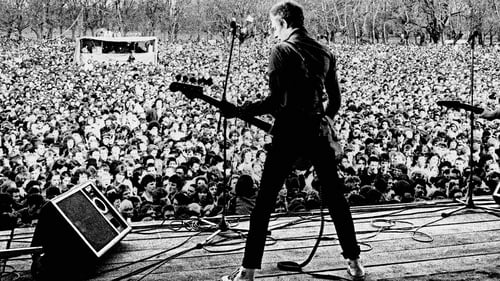
Exploring how punk influenced politics in late-1970s Britain, when a group of artists united to take on the National Front, armed only with a fanzine and a love of music.
A man that is a stranger, is an incredibly easy man to hate. However, walking in a stranger’s shoes, even for a short while, can transform a perceived adversary into an ally. Power is found in coming to know our neighbor’s hearts. For in the darkness of ignorance, enemies are made and wars are waged, but in the light of understanding, family extends beyond blood lines and legacies of hatred crumble.
It's 1974. Muhammad Ali is 32 and thought by many to be past his prime. George Foreman is ten years younger and the heavyweight champion of the world. Promoter Don King wants to make a name for himself and offers both fighters five million dollars apiece to fight one another, and when they accept, King has only to come up with the money. He finds a willing backer in Mobutu Sese Suko, the dictator of Zaire, and the "Rumble in the Jungle" is set, including a musical festival featuring some of America's top black performers, like James Brown and B.B. King.
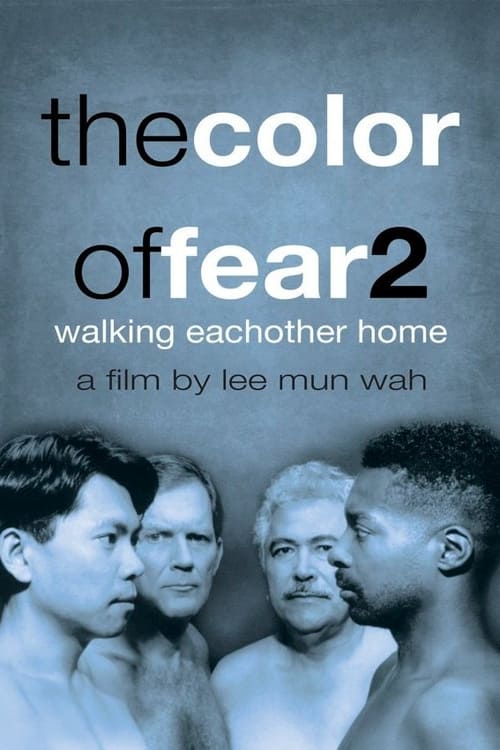
In THE COLOR OF FEAR, eight American men participated in emotionally charged discussions of racism. In this sequel, we hear and see more from those discussions, in which the men talk about about how racism has affected their lives in the United States. We also learn more about the relationships between them, and about their reactions during some of the most intense moments of that discussion.
Over a 50-year career and more than a hundred movies, filmmaker John Ford (1894-1973) forged the legend of the Far West. By giving a face to the underprivileged, from humble cowboys to persecuted minorities, he revealed like no one else the great social divisions that existed and still exist in the United States. More than four decades after his death, what remains of his legacy and humanistic values in the memory of those who love his work?
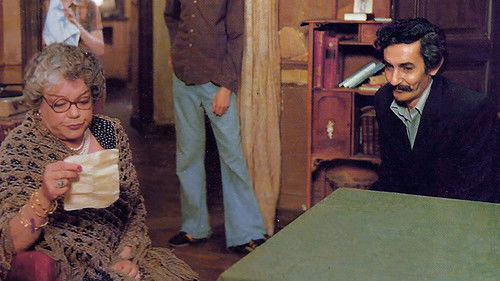
Madame Rosa lives in a sixth-floor walkup in the Pigalle; she's a retired prostitute, Jewish and an Auschwitz survivor, a foster mom to children of other prostitutes. Momo is the oldest and her favorite, an Algerian lad whom she raises as a Muslim. He asks about his parents; she answers evasively. As she ages and takes fewer children, Momo must do more for her; as money is tight, he tries to earn pennies on the street with a puppet. He's a beautiful man-child, and Madame Rosa makes him promise never to sell himself or become a pimp. A film editor, Nadine, befriends him, and his father appears as well. Madame Rosa reaches her last days in fear of hospitals, and Momo must act.
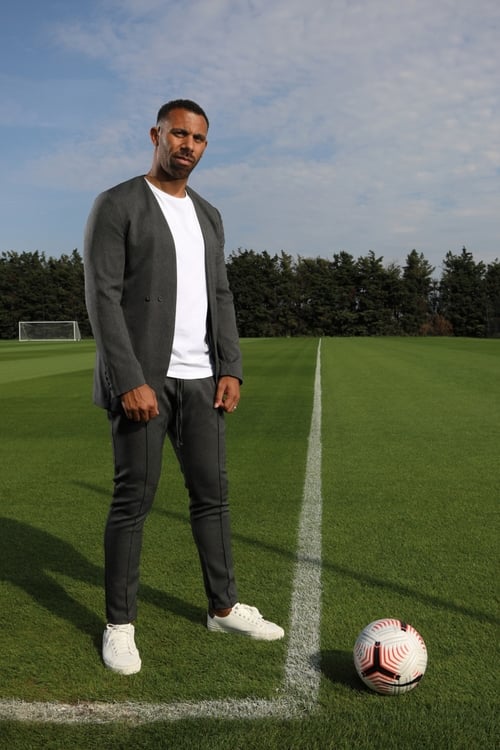
Former professional footballer Anton Ferdinand explores the issue of racial abuse in the game from a personal perspective. Following a sharp rise in reported incidents of racial abuse in football, Anton talks for the first time about his own highly publicised 2011 incident with the former England captain John Terry. Anton wants to understand his own story and find out what needs to be done to address the problem of racism in the game today. He also confronts the online abuse he has experienced since, which has affected his mental health, his career and the lives of his loved ones

Black Santas are local heroes, spreading joy and love to children and families at a bustling mall during the Christmas season. But even during this special time, the ugly shadow of bigotry falls on the season's true spirit.
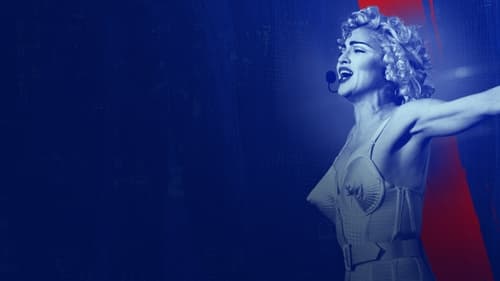
France is at the heart of Madonna's life. She is inspired by French culture and its values and has surrounded herself with French artists for many years. To celebrate the 40th anniversary of the Queen of Pop's career, this film revisits the close and unique bond between Madonna and France and features testimonials from close collaborators and French friends who have helped create her unique artistic universe: Maripol, Jean Paul Gaultier, Julien d'Ys, Nicolas Huchard, and Marion Motin. Today's artists such as Florence Foresti, Leïla Slimani, Victor Weinsanto and HollySiz talk about the influence of this emancipating figure, which extends far beyond music.
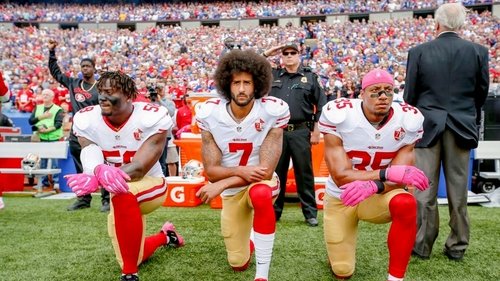
United States, September 1st, 2016. American football player Colin Kaepernick kneels during the national anthem, protesting police brutality against black people. Part of the population regards the gesture as an unacceptable affront to the flag. Later, he loses his place on his team. Today, however, he is considered by many as a true hero.
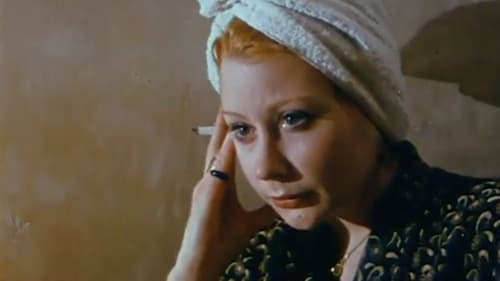
A filmmaker witnesses an act of racist police violence in Paris. He discusses with a friend whether and how he should make a film out of this.
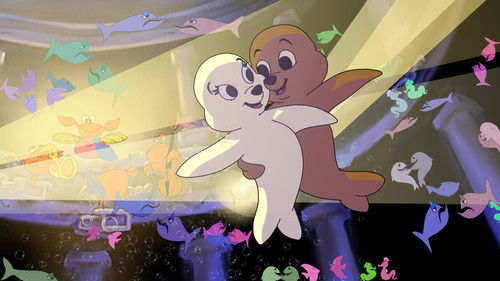
A fully animated feature fantasy about two star crossed seals from warring families that fall in love against their parents' wishes. When Juliet's father gives her hand in marriage to the monstrous elephant seal Prince, Juliet must fake her death in order to be reunited with Romeo. But the plan goes afoul and it's a desperate race to the end. With the help of their friends Friar Lawrence and Kissy, the kissing fish, the day is saved and the young lovers are reunited. Romeo & Juliet: Sealed With a Kiss is the ageless tale of love and prejudice set in an undersea world. A film that can be enjoyed by the whole family.

A collectively made filmic opera in 35 parts. The Black and predominantly queer art collective, an evolving line up of poets and artists from across the world, abstracts and reimagines opera in any traditional conception. Set to hip-hop, blues, noise, R&B and electronica, the piece uses the voice (chanting, singing, screaming; written by poet and activist Dawn Lundy Martin) as its primary tool, verbalising centuries of alienation, vulnerability and protest in the global African diaspora through its disruptive libretto.
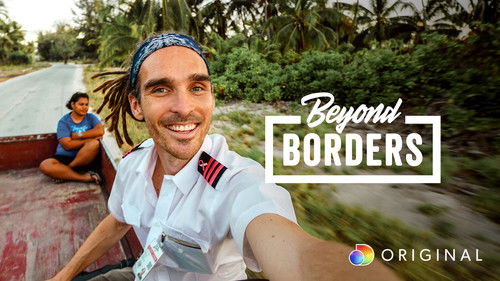
Pilot JP Schulze and filmmaker Louis Cole set off to circumnavigate the world in a single-engine, 1974 Cessna T210L airplane named Balloo. They had 90 days to complete the journey, and as they traveled they met people from many different cultures and asked them - is what divides us greater than what brings us together?

A low-intensity war is being fought on the streets of Europe and the aim is on fascism. This critically acclaimed documentary takes us behind the masks of the militants called antifascists. In 2013 a group of armed nazis attacks a peaceful demonstration in Stockholm where several people are injured. In Greece the neo-nazi party Golden Dawn becomes the third largest in the election and in Malmö the activist Showan Shattak and his friends are attacked by a group of nazis with knives and he ends up in a coma. In this portrait of the antifascists in Greece and Sweden we get to meet key figures that explain their view on their radical politics but also to question the level their own violence and militancy.
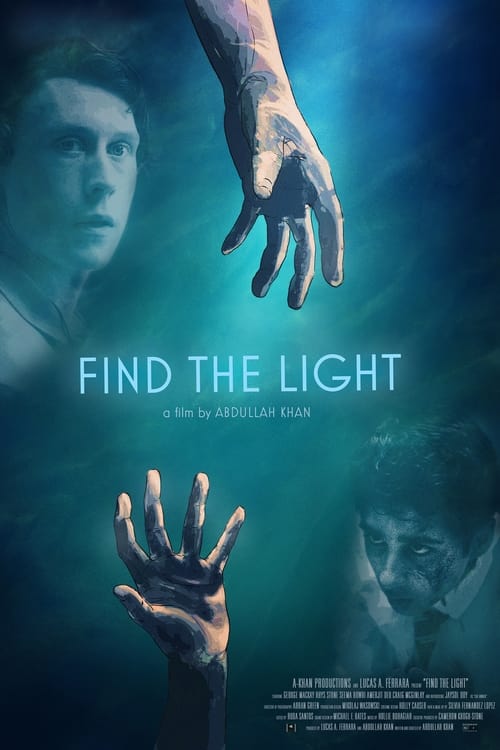
A young victimized boy decides to confront his inner demons by drowning himself, and during the process finds purpose and meaning in his life.